
Donate to Hawara:
Wohin schauen in diesen Tagen? Eine kleine Initiative: 11.113 haben sich bis dato daran beteiligt…
Hier ein Bericht bei al-Monitor dazu.
4. März 2023: Ergänzung: In eigener Sache
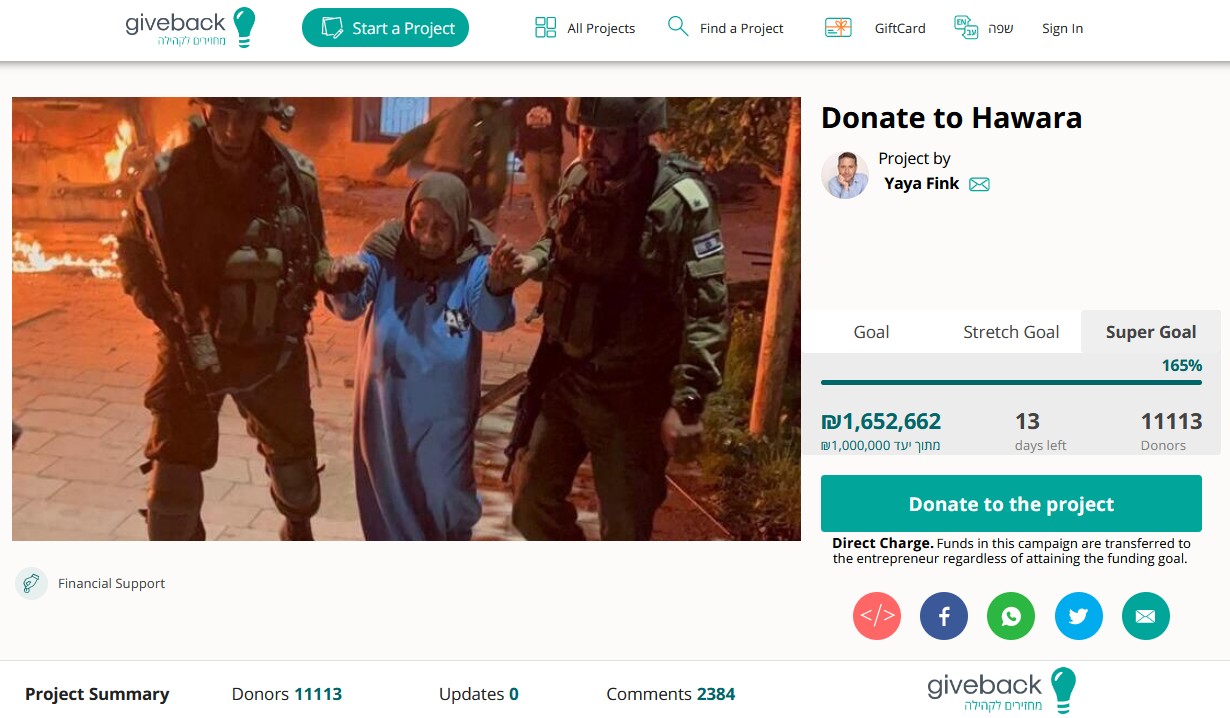
Donate to Hawara:
Wohin schauen in diesen Tagen? Eine kleine Initiative: 11.113 haben sich bis dato daran beteiligt…
Hier ein Bericht bei al-Monitor dazu.
4. März 2023: Ergänzung: In eigener Sache
Nachdem erst vor wenigen Tagen der protestantische Friedhof auf dem Zion Ziel der Zerstörungen war, brach am 2. Februar (Maria Lichtmeß) ein radikaler Jude in die Kirche der Flagellation (Geißelungskapelle am Beginn der Via Dolorosa) ein und zerstörte eine Christusfigur, bevor er von Wächtern überwältigt werden konnte.
Hier die Stellungnahme des Custos der Franziskaner, auf deren Gelände die Kapelle liegt, sowie ein kurzes Video.
Erst am Tag zuvor war es zu „violant attacks“ gekommen, wie es in Erklärung des Lateinischen Patriarchates heißt:
A STATEMENT ISSUED BY
THE JERUSALEM PATRIARCHATE
REGARDING THE RECENT RADICALS’ ATTACK ON THE CHRISTIANS OF THE NEW GATE AREA
Die religiösen Parteien in Israel sind seit längerem in einer „unheiligen“ Allianz mit der politischen Rechten, ein aufeinander angewiesen sein, das eine große Herausforderung für die prophetische Kraft der Religion ist. Einer der Gründe dafür ist sicher auch das Schweigen der „religiösen Linken“ – links und fromm scheint für viele unvereinbar.
Eine Konferenz in dieser Woche in Jerusalem versuchte, sich dem zu nähern, hier der Bericht von Yuval Abraham auf +972.

Am Sonntag, 22. Januar 2023 wurde in der Jerusalemer Erlöserkirche Sally Azar als erste Palästinenserin in die Ev.-Lutherische Kirche von Jordanien und dem Heiligen Land ordiniert. Hier zwei Bilder von der Feier mit der weltweiten evangelischen Ökumene präsent.
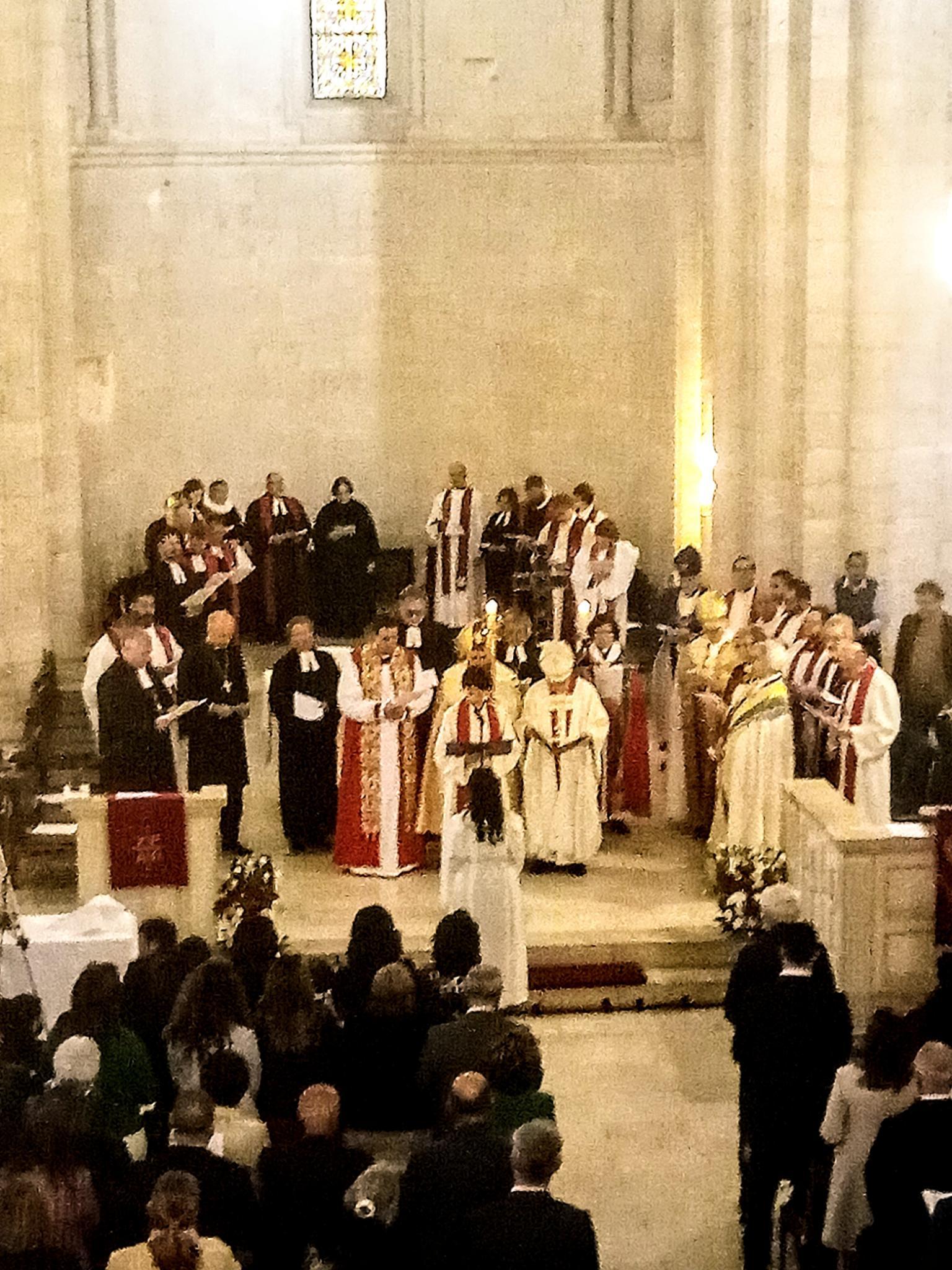
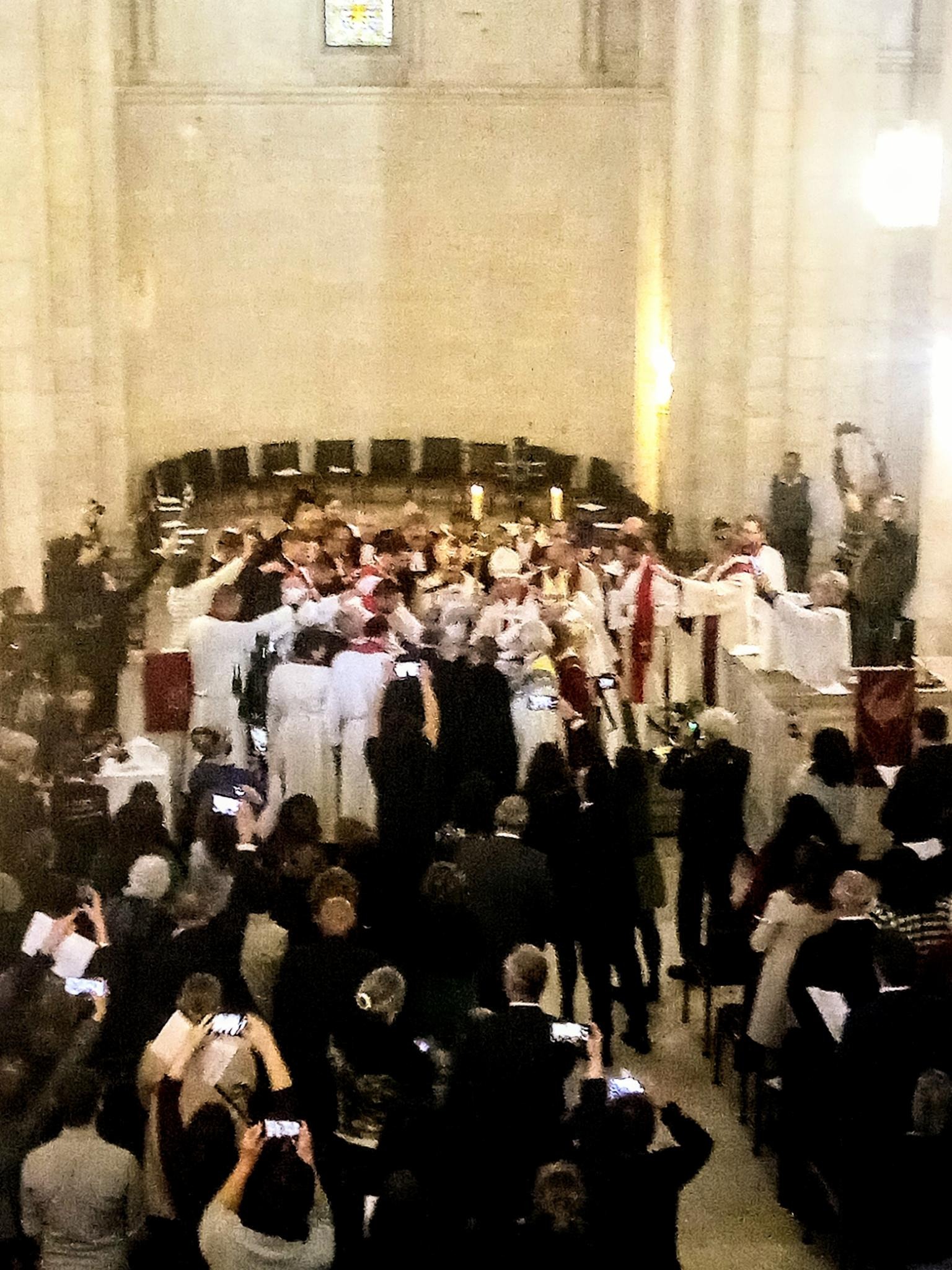
Photos: H. Schmidtke
Israeli Jews Support Christians after Church-Run Cemetery Desecrated
Und in Ergänzung zu den Hinweisen von gestern hier noch eine Sammlung zur Berichtertattung aus einer Mail von Dr. Uwe Gräbe, EMS Stuttgart und eine Ergänzung zu seiner vorigen Mail:
***
„Zu guter Letzt – weil ich darauf ebenfalls angesprochen wurde: Natürlich kann es m.E. nun kaum darum gehen, an zwei offenkundig fehlgeleiteten Jugendlichen ein juristisches Exempel zu statuieren. Die Frage stellt sich jedoch, warum es bei den zahlreichen Übergriffen gegen christliche Einrichtungen und Geistliche im Heiligen Land in den vergangenen Jahren – inklusive Brandanschlägen, Spuckattacken und Friedhofschändungen – immer wieder jugendliche Schüler aus Talmudschulen einer bestimmten politischen Richtung waren, die anschließend als (oftmals strafunmündige) Täter identifiziert wurden. Diese religiös-politische Strömung lässt sich klar identifizieren, und sie spielt in der israelischen Politik leider eine große Rolle.
Die Schneller-Schulen im Libanon und in Jordanien setzten derweil ihre Bestrebungen fort, christliche und muslimische Schülerinnen und Schüler, zumeist aus sehr armen, zerbrochenen Familien und vom Rande der Gesellschaft, in gegenseitigem Respekt und Toleranz aufwachsen zu lassen.
Und wer sich weiter über die Geschichte des protestantischen Zionsfriedhofs in Jerusalem informieren möchte, kann dies auch mit meiner hier erhältlichen, diesbezüglichen Publikation tun: : https://shop.aphorisma.eu/products/aphorisma_978-3-86575-494-3
Mit freundlichen Grüßen
Uwe Gräbe“
Zum wiederholten Mal wurde der historische, anglikanisch-preußisch-protestantische Friedhof auf dem Zionsberg, auf dem u.a. Bischof Gobat, aber auch Johann Ludwig Schneller begraben sind, vandalisiert.
Die Bilder der Überwachungskamera haben zwei junge, jüdisch-orthodox bekleidete Männer gefilmt. Inzwischen ist auch eine entsprechende Verhaftung erfolgt.
Hier einige Stimmen und Berichte:
Tagesspiegel, Berlin
ÖRK, Genf
Jerusalemverein, Berlin
VaticanNews, Rom
Times of Israel, West-Jerusalem
Jerusalem Post, West-Jerusalem
BBC, London
***
Eine persönliche Stellungnahme von Dr. Uwe Gräbe, eh. deutscher Propst in Jerusalem:
Protestantischer Zionsfriedhof in Jerusalem geschändet
Auch das Grabmal von Johann Ludwig Schneller unter den rund 30 schwer beschädigten Monumenten
Am 3. Januar machten Besucherinnen und Besucher des Protestantischen Friedhofs auf dem Zionsberg in Jerusalem eine traurige Entdeckung: In den Tagen zuvor waren rund dreißig Gräber schwer beschädigt worden. Bilder einer Überwachungskamera zeigen zwei junge Männer beim Zerschlagen der steinernen Kreuze auf den Gräbern. Beide Männer tragen traditionelle jüdische Kleidung.
Unter den zerstörten Monumenten findet sich auch der Grabstein des Gründers der Schneller-Schulen, Johann Ludwig Schneller (1820-1890) und seiner Frau Magdalene (1821-1902). Aber auch ein wunderschönes Marmorrelief auf dem Grabmal Samuel Gobats, des zweiten evangelischen Bischofs in Jerusalem (Amtszeit 1846-1879) wurde in Stücke geschlagen. Unter Bischof Gobat, der selbst eine große Zahl an Schulen im Heiligen Land gegründet und so einen enormen Beitrag zur Entwicklung der Region geleistet hatte, hatte Schneller seinen Dienst in Jerusalem begonnen. Zu jener Zeit gab es hier ein gemeinsames preußisch-englisches Bistum, welches von 1841-1886 bestand. Der von Gobat selbst gegründete Friedhof, der sich im Eigentum der anglikanischen Kirche befindet, ist bis heute die letzte noch gemeinsam betriebene Einrichtung dieses Bistums: Er wird von der Episcopal Diocese of Jerusalem, einer EMS-Mitgliedskirche, zusammen mit der Evangelischen Gemeinde Deutscher Sprache zu Jerusalem bewirtschaftet. Hierzu besteht ein gemeinsames Friedhofskomitee.
Erzbischof Hosam Naoum, das Oberhaupt der anglikanischen EMS-Mitgliedskirche, benennt diesen Vorfall sehr deutlich als Hassverbrechen und appelliert an die israelischen Behörden, die entsprechenden Maßnahmen zu ergreifen. Zugleich bittet er die Öffentlichkeit und insbesondere alle Verantwortungsträger, einzutreten für „Sicherheit, gegenseitigen Respekt und religiöse Toleranz in dieser Heiligen Stadt, die von allen drei abrahamitischen Religionen verehrt wird.“
Die Evangelische Mission in Solidarität (EMS) und der Evangelische Verein für die Schneller-Schulen (EVS) stehen angesichts dieser Verwüstungen solidarisch an der Seite ihrer anglikanischen Geschwister vor Ort, sowie an der Seite aller betroffenen Christinnen und Christen, und schließen sich dem Appell des Erzbischofs an. Zugleich begrüßen EMS und EVS gemeinsam mit der Episcopal Diocese of Jerusalem die unterstützenden Stellungnahmen des israelischen Staatspräsidenten, des israelischen Außenministeriums, des Jerusalemer Oberrabbinats und zahlreicher Vertreter/innen der israelischen Zivilgesellschaft, sowie die Solidaritätsbekundungen zahlreicher Kirchen und christlicher Organisationen lokal und weltweit. Dazu zählen unter anderem der Rat der Kirchenoberhäupter in Jerusalem, der Ökumenische Rat der Kirchen (ÖRK), der Erzbischof von Canterbury, die Anglikanischen Weltgemeinschaft und viele mehr.
In einem solchen Zusammenhang wird anschaulich, was der Apostel Paulus schreibt: „Wenn ein Glied leidet, so leiden alle Glieder mit, und wenn ein Glied geehrt wird, so freuen sich alle Glieder mit.“ (1 Korinther 12, 26)
Übrigens hat die israelische Polizei bereits kurze Zeit nach diesen Ereignissen zwei Tatverdächtige festgenommen: Der eine ist 14 Jahre alt, der andere 18 Jahre. Man mag sich an das Jahr 2013 erinnert fühlen, als auf demselben Friedhof ebenfalls von orthodoxen Talmudschülern zahlreiche Kreuze zerschlagen wurden. Diese Schäden wurden anschließend von israelischen Stellen repariert. Auch damals befand sich darunter das Kreuz auf dem Grab Johann Ludwig Schnellers. Während 2013 allerdings ausschließlich das Kreuz vom Grabstein gerissen wurde, sind diesmal die Beschädigungen offenbar schwerwiegender: Die gesamte obere Steinplatte des Grabmals wurde auf ein Nachbargrab geworfen. Noch ist nicht abzusehen, wer die Reparatur diesmal übernehmen wird. Angesichts des jugendlichen Alters der Täter kann man nur mit Sorge ein wachsendes Klima der Intoleranz in Israel wahrnehmen, in welchem diese jungen Menschen erzogen werden und welches sich auch in den jüngsten politischen Entwicklungen ausdrückt. Die weltweite Kritik am „Spaziergang“ des israelischen Ministers Ben Gvir auf dem Tempelberg / Haram Ash-Sharif mag von israelischen UN-Vertretern als „lächerlich“ bezeichnet werden. Der Zusammenhang dürfte jedoch nicht ganz fern liegen, dass sich junge Menschen durch die hinter solchen Spaziergängen liegende Haltung ermuntert fühlen, bei ihren eigenen Spaziergängen auch mal die Symbole einer anderen Religion zu zertrümmern.
Hinweis:
Zur Geschichte des Friedhofs gibt es eine Veröffentlichung innert der Reihe Kleine Texte bei AphorismA
Die Zeit zwischen den Jahren geht endgültig zu Ende, die Feiertage in Deutschland sind vorbei, nach dem kommenden Sonntag hat uns alle der Alltag wieder und das Jahr 2023 hält sicher einige ‚Lasten‘ bereit…
Eine letzte ruhige Zeit vielleicht, hier ein Hinweis auf einen (englischsprachigen) Essay des US-amerikanischen Schriftstellers Raymond Barglow, veröffentlich auf der Website von Tikkun, The Prophetic Jewish, Interfaith & Secular Voice to Heal and Transform the World: Walter Benjamin’s Vision of Hope and Despair.
Zum Hintergrund noch ein Hinweis aus dem Archiv des Deutschlandfunks.

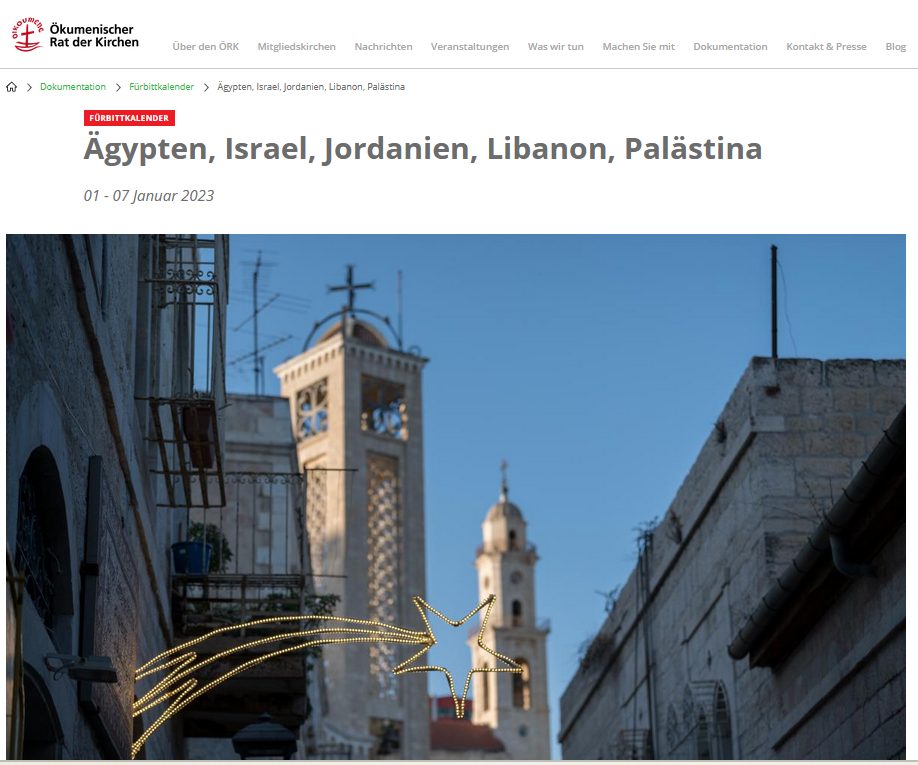
Mit dem Blick auf die orthodoxe Welt, für die heute das Christfest beginnt, sei auf eine Initiative des Weltkircherates verwiesen, der seit vielen Jahre die Menschen durch das Jahr begleitet und einlädt, jede Woche eine neue Region der Welt virtuell zu besuchen und die auf die Probleme und Herausforderungen der Menschen dort zu schauen.
Die Woche vom 01. – 07. Januar 2023 nimmt Ägypten, Israel, Jordanien, Libanon und Palästina in den Blick.
Einen ausführlichen und lesenswerten Essay von Natalie Meinert zur dieser „Bewegung“, die „durch Prominente wie Kanye West mediale Aufmerksamkeit“ erhält, findet sich auf den Portal „Die Eule [„Nachrichten und Meinungen zu Kirche, Politik und Kultur“]. „Schnell werden warnende Antisemitismus-Rufe laut. Doch ganz so einfach ist es nicht“, heißt es im Einleitungstext.

dauert in diesem Jahr das Gedenken an die Wiedereinweihung des zweiten Tempels in Jerusalem im Jahr 3597 jüdischer Zeitrechnung (164 vor Christus) … gestern Abend wurde das letzte Licht entzündet …

