
Was an diesem Bericht soll man:frau nicht glauben können/dürfen?
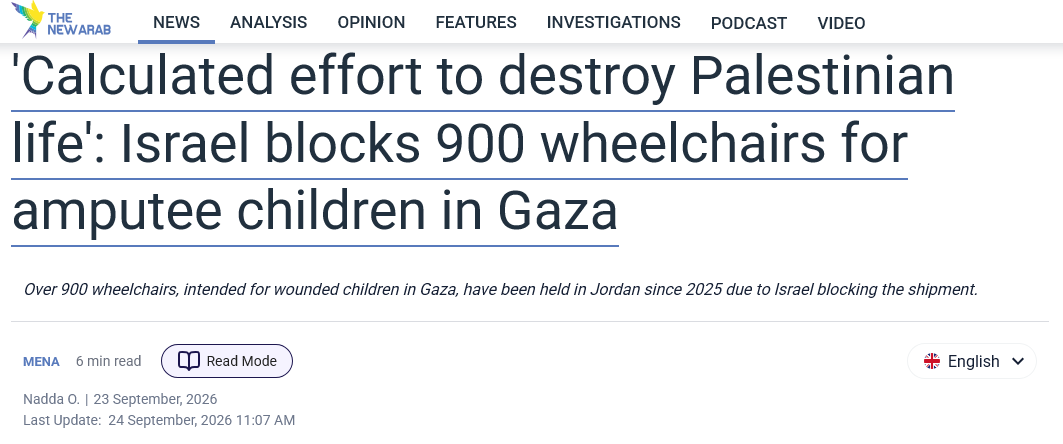
Was an diesem Bericht soll man:frau nicht glauben können/dürfen?
Ein Beitrag auf ttt über den provokativen und gerade in Venedig ausgezeichneten Film, der in der inner-jüdisch-israelischen Auseinandersetzung zu heftigsten Debatten geführt hat – und von dem sich die Filmemacher Yuval Abraham und Rachel Szor insbesondere wünschen, daß er in Deutschland gesehen werden soll…
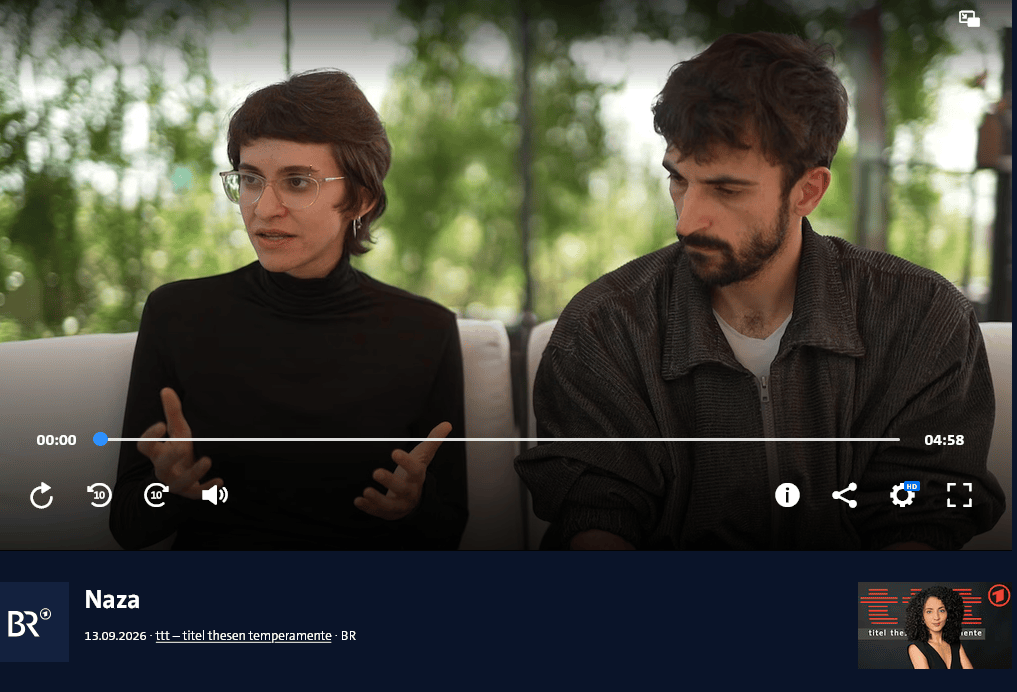
Zu den Angriffen auf die Filmschaffenden eine Petition der Kolleg:innen – Was ist eine Staatsbürgerschaft wert, wenn der Kulturminister wie gefordert, den beiden Künstlern die ihre entziehen lassen will …
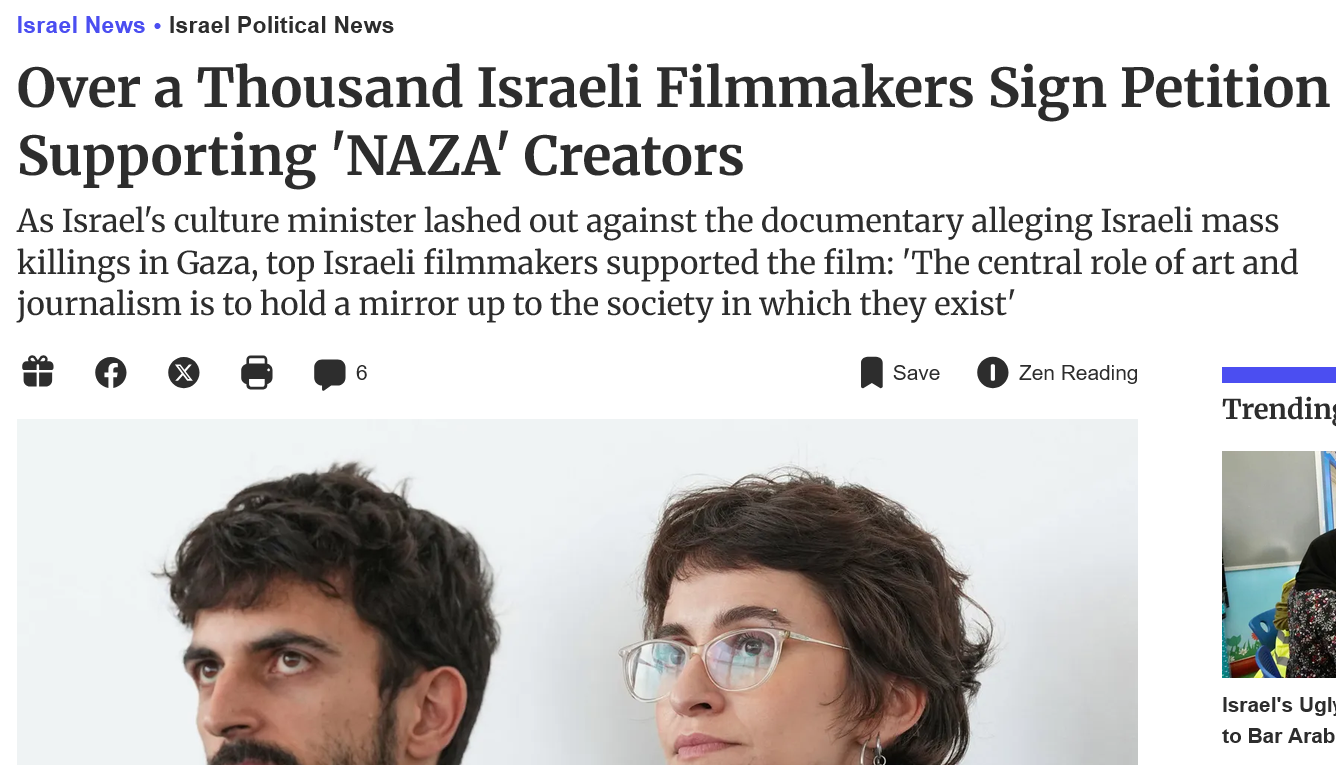
Beitrag zum Film auf +972mag
Noch gibt es keine unabhängige Untersuchungskommission in Israel zum 7. Oktober. Die Frage nach Verantwortung und Verantwortlichkeiten ist mitten in den Wahlkampf geraten.
Die Tageszeitung Haaretz hat am 8. September 2026 einen großen Beitrag von Shlomi Eldar und Ruth Yuval zu dieser Frage veröffentlicht.
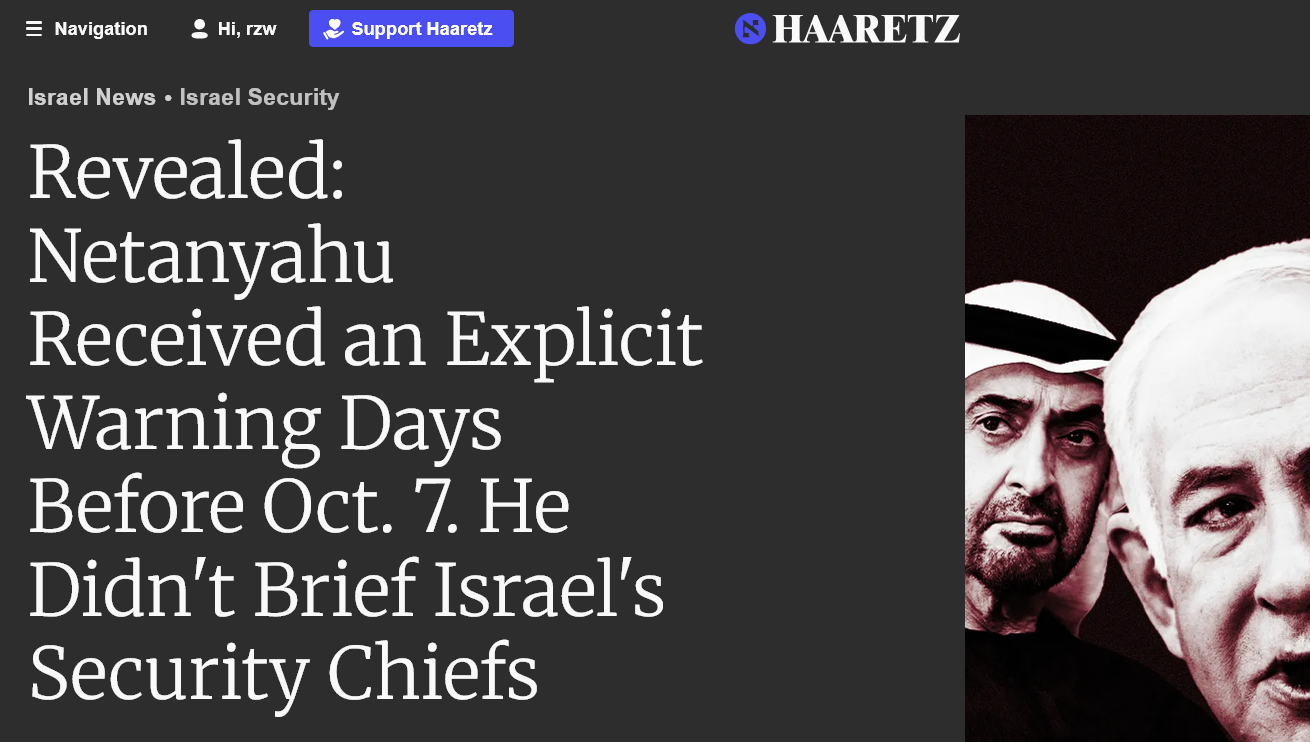
Hier die Zusammenfassung, die Haartetz selbst anbietet:
A week and a half before the October 7 massacre, Mohammed bin Zayed, the president of the United Arab Emirates, called Netanyahu and spoke with him for 45 minutes. He gave him an explicit warning that Hamas‘ leader in Gaza, Yahya Sinwar, was planning a major operation against Israel. Bin Zayed expressed concern that the event in question would not only lead to bloodshed but also destabilize the entire region and undermine the Abraham Accords. He urged Netanyahu to take the matter seriously. But to his surprise, the prime minister reacted with relative calm. He said that, in his assessment, Hamas intended to operate in the West Bank area, and reassured bin Zayed that Israel was prepared for any scenario.
The Emirati ruler did not imagine that the prime minister would hear the message but wouldn’t brief the heads of the defense establishment about the warning.
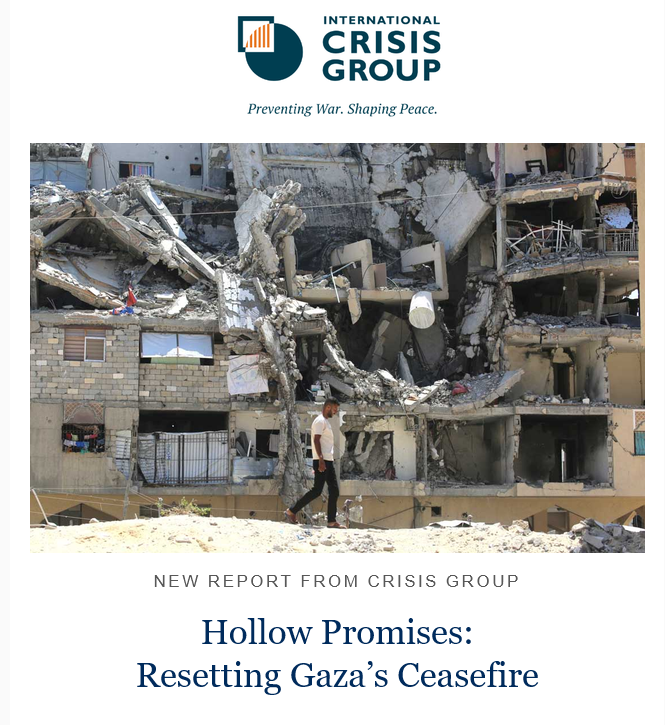
Hollow Promises: Resetting Gaza’s Ceasefire / Eine Analyse der International Crisis Group:
A July roadmap sponsored by the Board of Peace has failed to overcome obstacles that have mired Gaza’s ceasefire deal ten months on. A mix of sustained pressure and diplomatic guarantees is needed to break the logjam and centre Palestinian agency in the strip’s recovery.
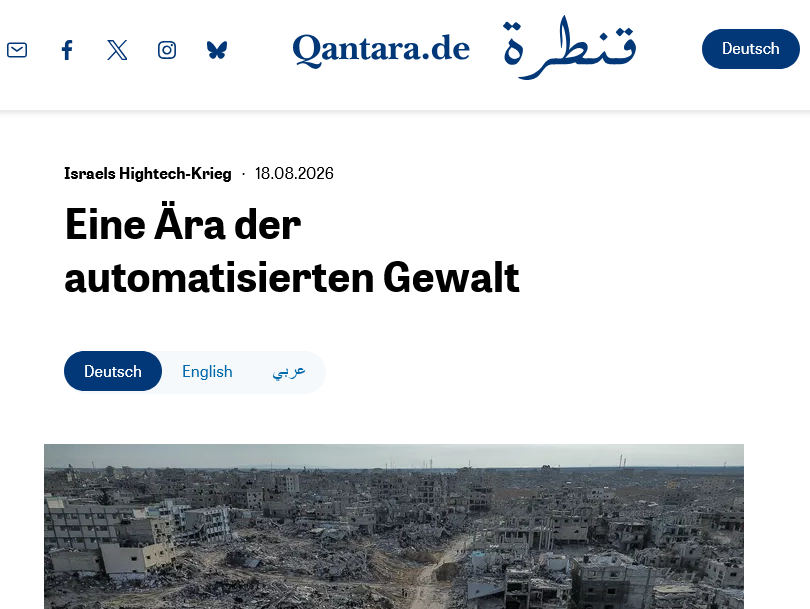
Gihan AbouZeid beschreibt auf Qantara.de, wie KI-Überwachungstechnik das Erleben des Kriegs verändert hat
Indigenous Reconstruction and Resistance
Nour Joudah und Dena Qaddumi auf der Seite von Al-Shabaka

After Hamas’s recent announcement that it will hand over governing authority in Gaza to the National Committee for the Administration of Gaza (NCAG), urgent questions about who will shape Gaza’s future and on whose terms have reemerged. These questions are particularly salient given that the NCAG’s framework reflects the same technocratic and externally imposed logic that has come to characterize the dominant international proposal for Gaza’s reconstruction: one that treats it as a technical exercise in disaster management, sidelining Palestinian sovereignty, return, and self-determination.
In contrast, this roundtable asks what it means to understand Gaza as an Indigenous region rather than simply a besieged strip or humanitarian space. Nour Joudah and Dena Qaddumi explore how Indigenous frameworks reshape prevailing understandings of urbanism, reconstruction, and governance; why reconstruction must begin with Palestinian agency and reclamation rather than externally designed colonial master plans; and how rebuilding is already taking place through everyday forms of Indigenous endurance, social organization, and spatial resistance under conditions of ongoing genocide.
This roundtable is adapted from a conversation recorded on May 21, 2026. It has been edited for publication.
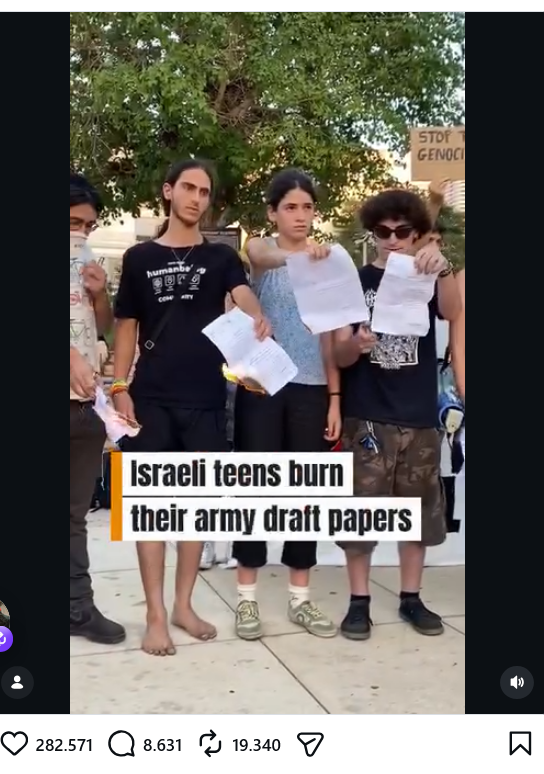
Aus Instagram – Juli 2026
Über den Ge-/Mißbrauch von Animation und KI/AI

Berichte auf der Seite des Magazins Zenith und bei +972mag

Im Podcast von +972mag spricht Eyal Weizman über eine neue Dimension dessen, was im Gazastreifen geschieht: Nicht sprachlos werden, auch wenn einem dieser Gedanke kommen kann…
Ein Beitrag von James Smith auf der Seite von Middle Eats Eye

„Dr Abu Safiya must be immediately released. So too should all Palestinian detainees, including the 82 other healthcare workers still in Israeli prisons“
