Religion und Frieden

… daß es auch gemeinsam geht

Ein Beitrag von Katharina Köhler im Tagesspiegel über die Organisation Standing Together, auf die an dieser Stelle schon gelegentlich hingewiesen wurde [- und quasi auch als Hinweis auf die nächste (verspätet erscheinende) Ausgabe unserer Zeitschrift israel & palästina, die Standing Together zum Thema haben wird.]

Progressiver Journalismus als Akt des Widerstands in autoritären Zeiten

Die Pressefreiheit in Israel wurde in den letzten Jahren drastisch eingeschränkt: Journalist*innen werden bei ihrer Arbeit behindert, kritische Stimmen werden an den Rand gedrängt und unabhängige Medien stehen unter Druck. Im kürzlich veröffentlichten Index zur Pressefreiheit 2026 von „Reporter ohne Grenzen“ (RSF) belegt das Land Platz 116 (ein Rückgang um 4 Plätze gegenüber 2025). Gleichzeitig geben die meisten israelischen Medienhäuser die Narrative der Regierung weitgehend wieder, anstatt sie kritisch zu hinterfragen – was angesichts des genozidalen Angriffs Israels auf den Gazastreifen und der verheerenden Zerstörung palästinensischen Lebens, die Israel in Gaza, im Westjordanland und innerhalb Israels verursacht, insbesondere seit Oktober 2023, umso problematischer ist. Dennoch wehren sich unabhängige Medien im Land – durch mutigen Journalismus als Beitrag zur Stärkung progressiver Stimmen im In- und Ausland.

Das “+972 Magazine” ist eine der führenden unabhängigen Medienplattformen in Israel und Palästina, auf der israelische und palästinensische Journalist*innen gemeinsam für ein Millionenpublikum berichten. Sie widersetzen sich dem zunehmenden Autoritarismus und der Zensur und setzen sich für fairen und sachlichen Journalismus ein.

Wir sprechen mit unseren Gästen über die großen Herausforderungen und Gefahren, denen Medienschaffende in Israel heute mehr denn je ausgesetzt sind, und welche möglichen Auswirkungen diese Einschränkungen auf die kritische Berichterstattung in Deutschland über die Lage in Israel und Palästina haben.

Unsere Gäste:

  • Ben Reiff ist stellvertretender Chefredakteur des +972 Magazine, bei dem er seit 2021 tätig ist. Er hat unter anderem für The Guardian, The Nation, New Statesman und Haaretz geschrieben. Er ist Gründungsmitglied des Redaktionskollektivs von Vashti Media, einem linksgerichteten jüdischen Magazin in Großbritannien. Nach mehreren Jahren als Aktivist und Journalist in Israel-Palästina lebt er heute in London.
  • Alaa Salama ist Redakteur für Audience Development beim +972 Magazine. Alaa ist Autor und Journalist und wurde in Syrien als Sohn einer palästinensischen Flüchtlingsfamilie geboren. Er hat einen Master-Abschluss in Israelstudien von der Birzeit-Universität. Seine Forschungsschwerpunkte sind die Geschichte des christlichen Zionismus und dessen Einfluss auf Politik, Kultur und Literatur.
  • Dr. Dana Mills ist Leiterin der Abteilung für Ressourcenentwicklung beim +972 Magazine. Dana ist seit fünf Jahren in der israelisch-palästinensischen Zivilgesellschaft tätig, nachdem sie zuvor 15 Jahre lang als Wissenschaftlerin gearbeitet hatte. Sie promovierte 2014 in Oxford und ist Autorin von fünf Büchern, darunter eine Biografie über Rosa Luxemburg.
  • Moderation: Hanno Hauenstein, in Berlin ansässiger freier Journalist und Autor.

Sprache: English mit Übersetzung Englisch <> Deutsch

Die Veranstaltung wird auch per Livestream übertragen: https://www.rosalux.de/livestream

Reconstruction?

Reconstruction as a Lever for Political Change: How reconstruction tools can strengthen Palestinian governance in Gaza and serve as a positive model for the West Bank

While the Gaza Strip faces unprecedented destruction, with reconstruction costs estimated at approximately $70 billion, we recognize that the reconstruction process is not merely a humanitarian response, but constitutes a strategic decision point for building a governing alternative to Hamas, which may reshape the entire Palestinian arena.

Mitvim: „We invite you to delve deeper into the conclusions and concrete recommendations appearing in the full document.

Ein Tag, Ein-Blick

Zum Beitrag

Großisrael

Ein Beitrag von Djamilia Prange de Oliveira auf der Seite der Deutschen Welle

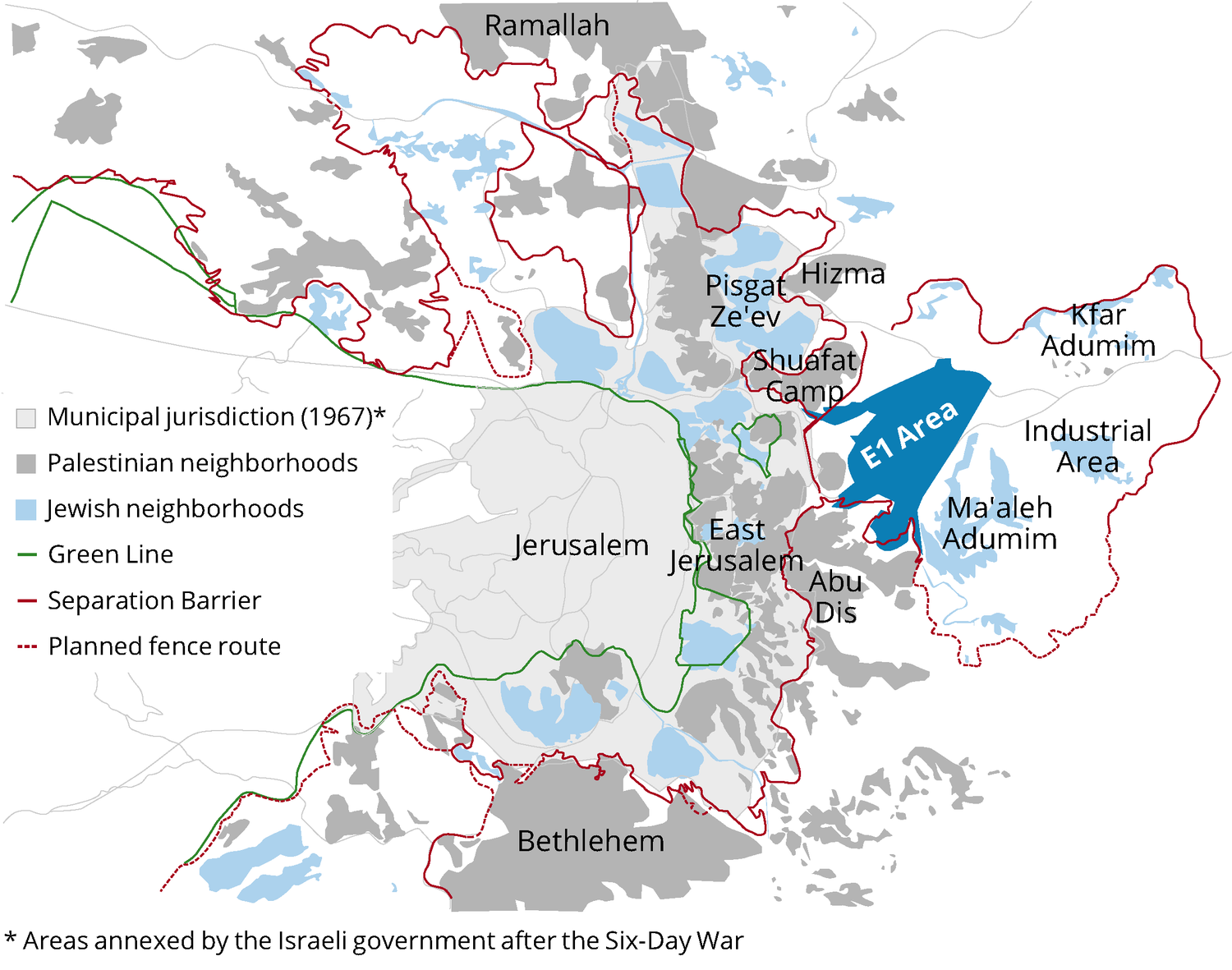
Israel hat seine Grenzen nie offiziell festgelegt, aber Siedler und Minister liebäugeln schon lange mit der Idee, das Land zu erweitern. Was steckt hinter dem Konzept „Großisrael“?

Screenshot des Beitrages Deutsche Welle

Pessach und Ostern inmitten von Gewalt

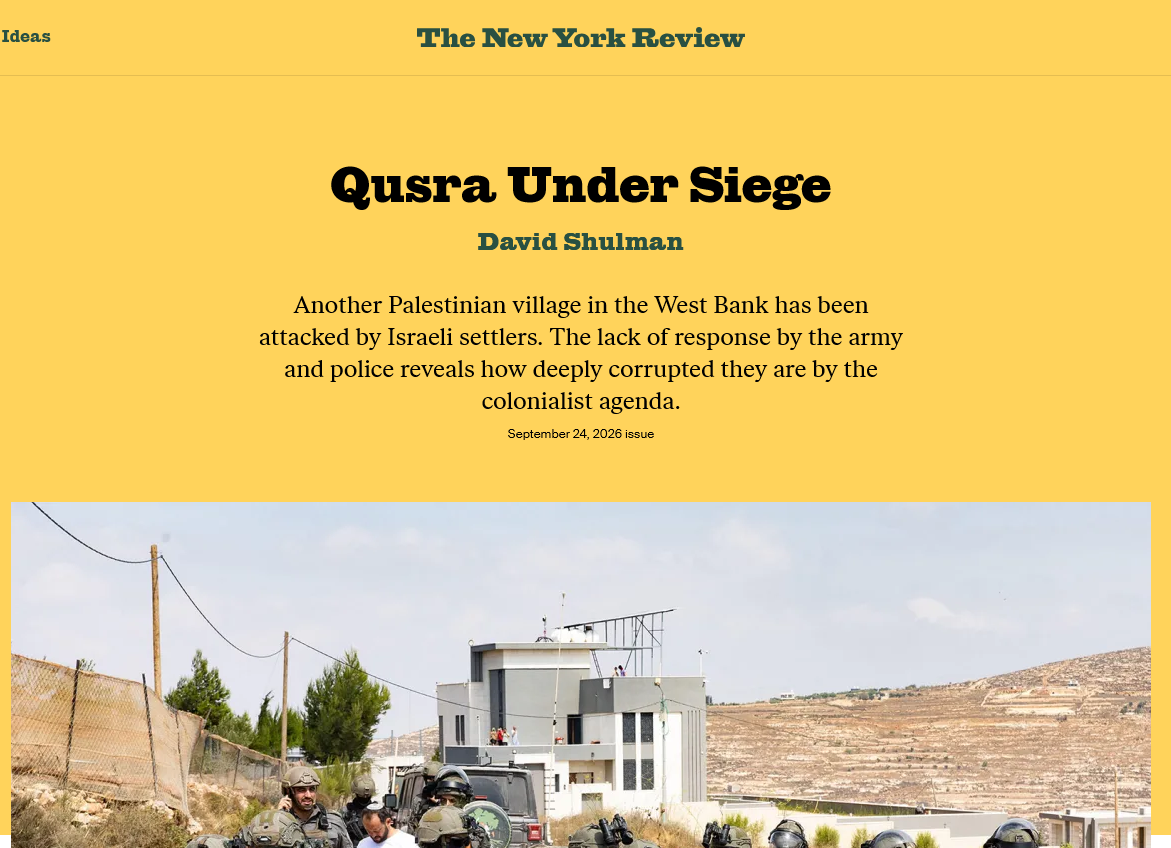
Über 600 Israelis aus dem akademischen Leben protestieren in einer Petition an die internationale Gemeinschaft und Zivllgesellschaft gegen nochmals angestiegenen Siedlerterror. Hier ein Link zu einem kurzen FR-Stück von Inge Günther.

Und dazu ein Gespräch mit Yuli Novak, der Chefin der NGO B’Tselem, geführt von Judith Poppe auf https://qantara.de

Zur Freiheit ge-/berufen

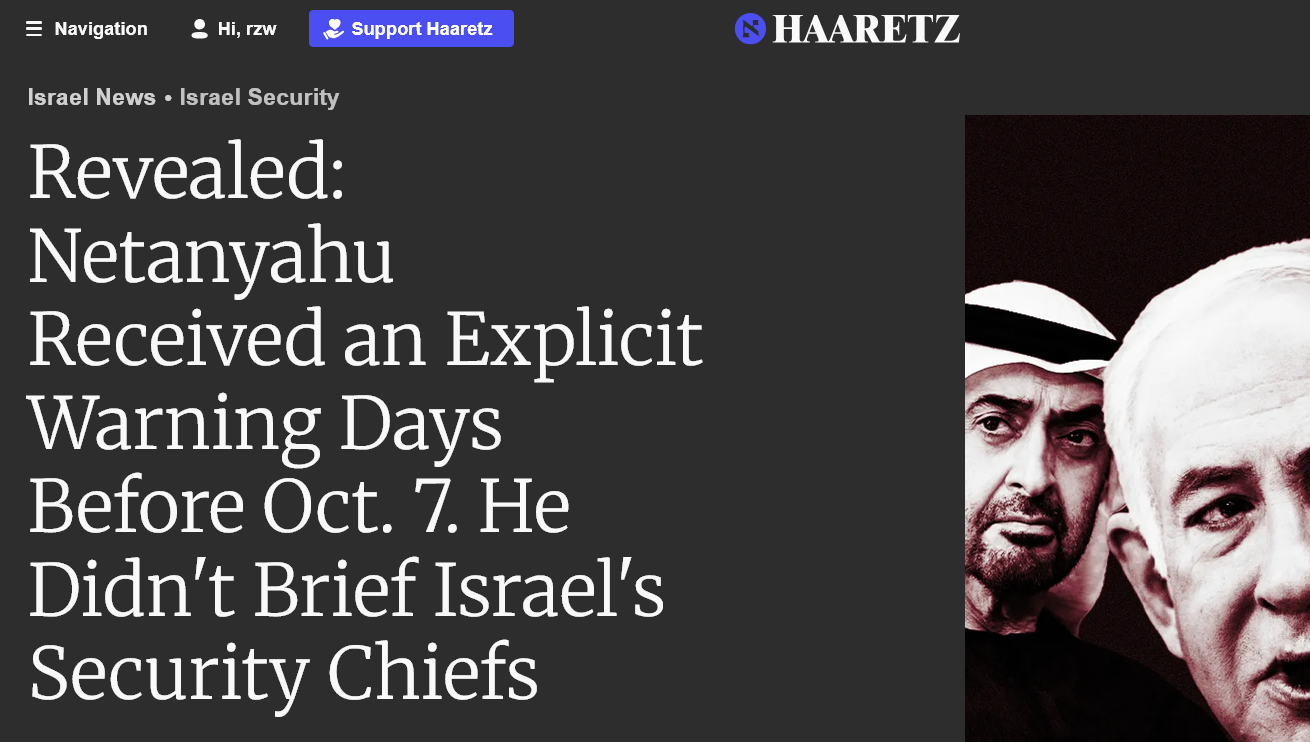
Akiva Eldar schreibt in der Haaretz über Netanyahus (und Trumps) Rede, der ganze Text steht (leider) hinter der Bezahlschranke, wir zitieren hier einige zentrale Passagen:

In the declarations of Prime Minister Benjamin Netanyahu and his friend U.S. President Donald Trump, the word „freedom“ has been used repeatedly since the start of the attack against Iran. In an (emotional) address to the Iranian people, Netanyahu promised „a historic war for freedom.“ Netanyahu knows that the „The Iranian people deserve a better future.“ In other words, he is encouraging the citizens of Iran to rebel in order to win their freedom.

With his considerable obtuseness, Netanyahu legitimized the next intifada and the two that preceded it. Are the rights of the women and children in the occupied territories in better shape than those of the women and children in Tehran? The Iranian security forces fire at citizens who demonstrate against a despotic government. The residents of the West Bank don’t dare to go out into the streets. They’ve learned that even a video on TikTok can lead to arrest.

A boy who throws a stone at a command car is considered a terrorist whose punishment is death. And as is customary in benighted regimes, our secret service terrifies civilians, encourages informers and nurtures collaborators. That’s the only way to rule over a foreign nation for six decades. […]

An Israeli who calls on the residents of the territories to demonstrate against the occupation will end the day at the police station. Foreign peace activists who want to help Palestinian shepherds are expelled from the country. Israeli human rights organizations are subject to incitement and hostile legislation. Any request by Palestinians for help from international organizations is considered „political terrorism“ here, and is accompanied by economic sanctions.

[…]

Yet for almost 60 years Israeli governments have been making a mockery of international law when it comes to settlement across the Green Line and responsibility for the welfare of the population under occupation. Israel defies United National decisions that support the establishment of a Palestinian state, and we’re paying a miniscule price.

Even worse. The government and the security forces operating in the territories are scorning Israeli law. They’re violating the rulings handed down by the High Court of Justice. For example, that the military commander is obligated to invoke his authority while finding a balance between security needs and the welfare of the local population. In another ruling, the High Court judges decided that the laws of belligerent occupation, which apply in the territories, require seeing to the needs of the local population.

At the end of the week, it was reported that 11 Palestinians were wounded in 20 Jewish terrorism incidents. Settlers threw stones at Palestinians, sprayed graffiti, shot fireworks in Palestinian villages and blocked roads.

These reports, which have become as routine as the sirens in Kiryat Shmona, bore Netanyahu. He’s busy fulfilling God’s mission of saving the world from the Iranian bomb. Human dignity and freedom in Iran, and here too, aren’t and never were his main interest. And suddenly he’s calling for a popular uprising against a despotic government. I wonder how it sounds in Palestinian Arabic.

4 %

Meron lives in Tel Aviv and, like most Israelis, has spent much of the past two weeks running to shelters. Yet this is just about the only thing he shares with the majority of his compatriots — not least because he is among the mere 4 percent of Israeli Jews who oppose this war that is setting the entire region ablaze.

But things don’t always go according to plan. When the dust settles, Meron says — reminding me that he’s often labeled an optimist — Israelis will realize, sooner or later, that they cannot escape the Palestinian question, and that a regime of apartheid and occupation will never have peace and quiet.

Eine andere Sicht

Hoffen wir, daß es nicht nur ein Pfeifen im Wald ist, die politischen Mehrheiten gibt es jedenfalls (noch?) nicht …

The Palestinian economy is in collapse. Hamas is regaining control over the limited existing resources and assets in the Gaza Strip, after the war destroyed Gaza’s economic system. In the West Bank, the Palestinian Authority (PA) is struggling to survive amid deliberate Israeli government policy that is exploiting the former’s dependence and advancing unilateral coercive measures to cripple the Palestinian economy and the PA itself.

This policy reflects a dangerous escalation of the Israeli approach that viewed Hamas as an asset and the PA as a burden, an approach whose beginnings predated October 7, 2023. The collapse of the PA and the Palestinian economy are openly touted by Israeli ministers as elements of a strategy designed to advance annexation and prevent the establishment of a Palestinian state, even at the cost of a stronger Hamas and critical damage to Israeli security.

This paper, written by Yitzhak Gal, proposes a new policy and includes pragmatic recommendations for action that will mend Israeli-Palestinian economic relations while supporting progress on a phased process toward two states and stable, long-term security. The proposed strategy is based on reform and socioeconomic stabilization of the PA within regional collaborative arrangements.

The paper illustrates the strong link between Palestinian economic growth and the security relations between Israel and the Palestinians. On this foundation, the paper proposes a three-stage road map whose goal is gradual building of a strong Palestinian economy; which will function as an independent system, while maintaining close cooperation with Israel and other countries in the region. That will contribute both to Palestinian and Israeli stability and prosperity.

A necessary condition for implementation of this roadmap is a political will in Israel to change its approach toward the Palestinians and to make strides in a process directed at socioeconomic and political stabilization. Therefore, the plan can only be implemented under an Israeli government that is willing to adopt a policy that is entirely different from the current government’s policy.

Nevertheless, even under the current government, there are several critical steps that can be performed almost immediately. These steps are proposed in the first stage of the road map, concurrently with Stage 2 of President Trumps’ 20- point peace plan. These steps will be part of US-led measures to implement UN Security Council Resolution 2803 with respect to Gaza.

The concrete measures proposed for the first stage are: Resolution of the PA’s protracted fiscal crisis in order to allow full and timely wage payments and orderly delivery of public services; gradual re-entry of Palestinian workers into Israel for employment while implementing agreed changes to improve security arrangements; suspension of measures that impair the Palestinian banking system and application of new arrangements that will stabilize this critical system; as well as measures that would leverage the rebuilding of Gaza to jump-start the Palestinian economy, with emphasis on trade and logistics. The execution of these steps will be contingent on a comprehensive, effective reform of the PA, cessation of payments to prisoners and “martyrs” (shaheeds), and tight security coordination that ensures demilitarization in Gaza and the marginalization of Hamas.

In the second stage, additional set of measures that can be promoted under the umbrella of the Oslo Accords and the Paris Protocol. These measures will include: convening of the joint Israeli-Palestinian economic committee and the additional joint subcommittees defined in the Paris Protocol and accompanying agreements, for development of agreed future plans; phased promotion of economic links between Gaza and the West Bank, contingent on accepted security arrangements; establishment of special-economic-status industrial zones and free trade areas; signing of preferential trade arrangements with the UAE and Saudi Arabia, the EU, and the US; promotion of Palestinian and Israeli integration into regional economic projects, primarily the reconstruction of Gaza and the India–Middle East–Europe Economic Corridor (IMEC).

The third stage will focus on a new Israeli-Palestinian economic agreement, under US-international-regional aegis. The new economic agreement will be negotiated as part of an agreed path to the future establishment of a demilitarized Palestinian state, and as an integral element of a regional settlement. This economic agreement will replace the Paris Protocol and its accompanying set of agreements as well as the multiple unliteral arrangements that have evolved over the past 30 years. This stage, which is proposed to take place over a longer term (3–4 years), will include issues such as a permanent trade regime, the currency of the PA, and other significant changes in the structure of the Palestinian economy.

Implementation of the proposed plan will drive the Palestinian economy forward, strengthen the moderate actors in the Palestinian arena, and support the socioeconomic stability that is a necessary condition for a stable settlement and long-term security.

The proposed plan also offers a set of additional significant benefits for Israel: The plan will lead to a strong and stable PA that maintains effective rule in the West Bank, that constitutes an effective alternative to Hamas in the Gaza Strip, is committed to peace with Israel, and is a partner in effective anti-terror measures. Implementation of the plan will dilute the power of Hamas and other extremist groups in Gaza and the West Bank.

The gradual nature of the process, which is directed toward a clear political horizon and its progress based on the achievement of clear milestones, will build confidence and trust and create a system with long-lasting stability.

Israel’s integration as an important actor in comprehensive regional initiatives, such as IMEC, is expected to be an important growth engine for Israel’s economy for decades to come.