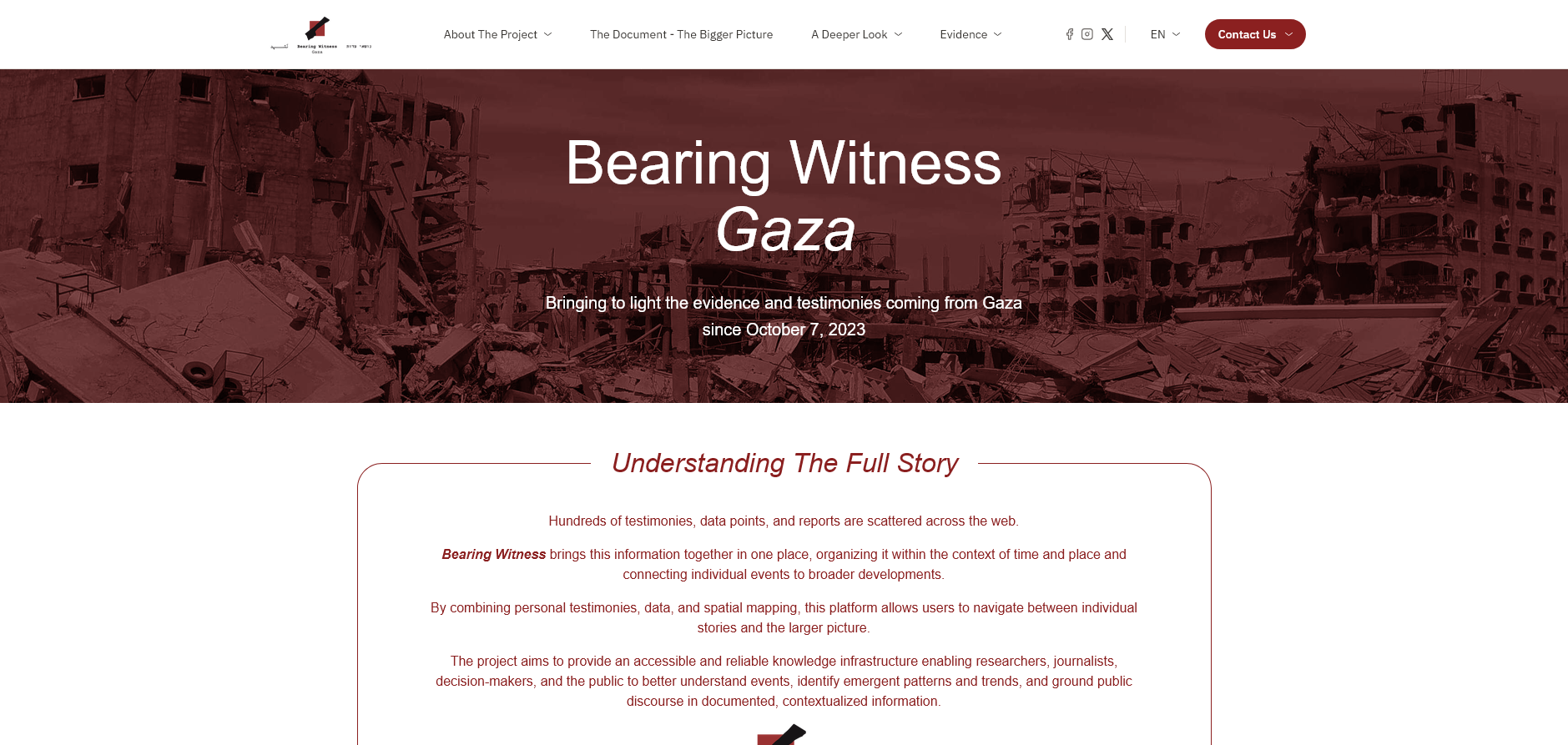
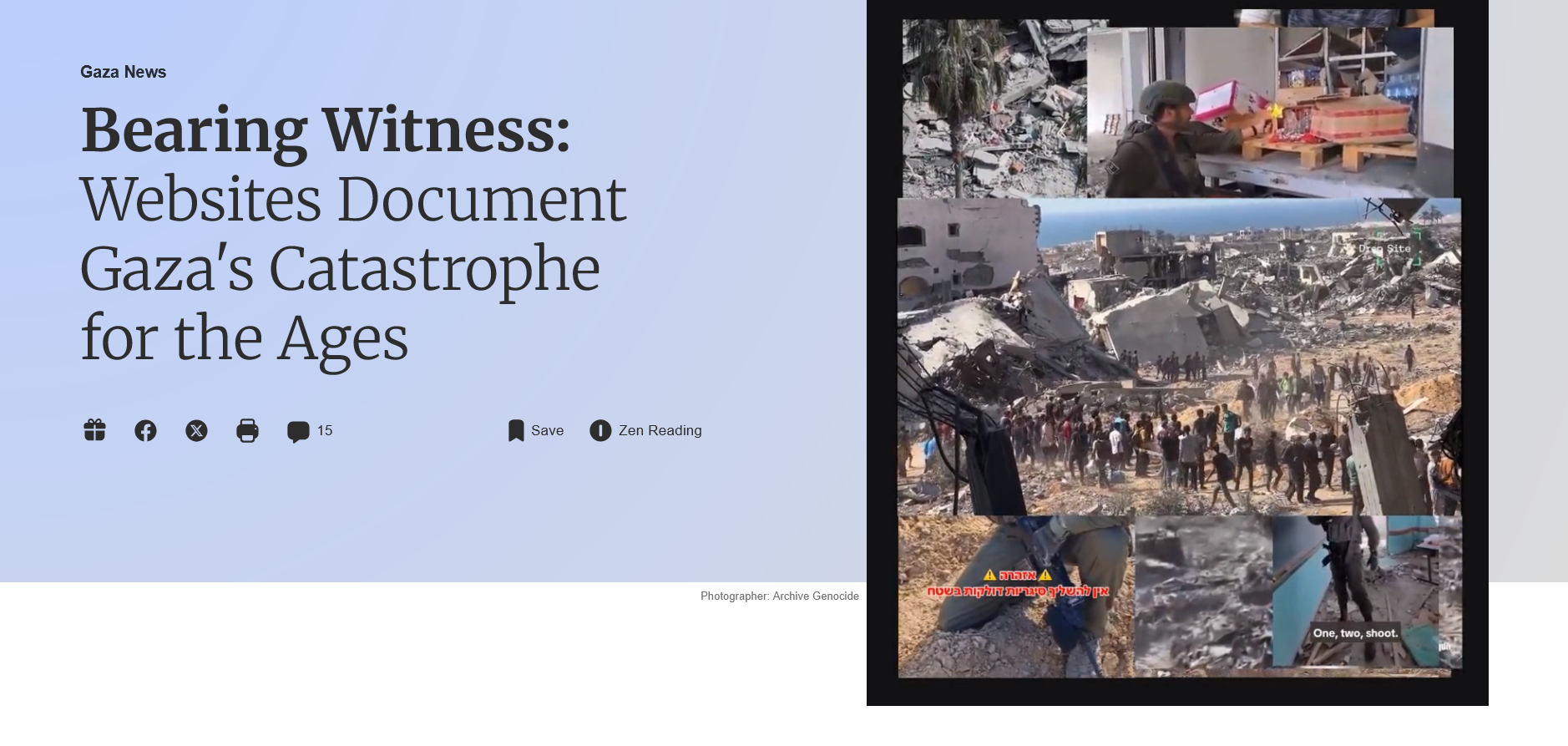
Eyal Weizman, director of Forensic Architecture and professor of Spatial and Visual Cultures at Goldsmiths, University of London, reflektiert für die London Review of Books über seine Seh-Erfahrungen und Einschätzungen: Necro-Economics lautet der Titel seines Beitrages anläßlich des Films „NAZA, directed by Yuval Abraham and Rachel Szor“ – daran sei an diesem Tag erinnert, der vielleicht eine bedeutende Weichenstellung für die, für eine, für eine andere? Zukunft zwischen Mittelmeer und Jordan bedeuten kann… Und zu den Traumata dieser Tage gehört unzweifelhaft Gaza….
Beim Ökumenischen Friedensdialog am 23. Oktober 2026 in Osnabrück stand die Frage im Mittelpunkt, wie angesichts der anhaltenden Gewalt im Nahen Osten Wege zu einem gerechten Frieden gefunden werden können.
„Kleine Schritte sind mühselig, aber doch so bedeutend“, erklärte der Paderborner Erzbischof Udo Markus Bentz, Vorsitzender der Deutschen Kommission Justitia et Pax. Auch unter schwierigen Bedingungen müsse versucht werden, den Dialog zwischen den Konfliktparteien wieder aufzunehmen. Selbst mitten im Krieg seien Friedensbemühungen möglich, die langfristig Wirkung entfalten könnten.
Der Friedensbeauftragte der Evangelischen Kirche in Deutschland (EKD), Landesbischof Friedrich Kramer, betonte, dass einzelne Friedensschritte eine übergeordnete Perspektive benötigten. Ein gerechter Frieden müsse Gewalt verringern, Freiheit gewährleisten und gesellschaftliche Teilhabe ermöglichen. „Wir müssen wegkommen von einem rein militärischen Denken“, forderte Kramer.
Auch die Politikwissenschaftlerin Muriel Asseburg von der Stiftung Wissenschaft und Politik unterstrich die Bedeutung diplomatischer Bemühungen. Zwar hätten bisherige Waffenstillstände keinen dauerhaften Frieden gebracht, dennoch seien die Verringerung der Gewalt und die Freilassung von Geiseln wichtige Fortschritte. Kirchen könnten dabei Orientierung geben, indem sie Menschenrechtsverletzungen und Kriegsverbrechen klar benannten.
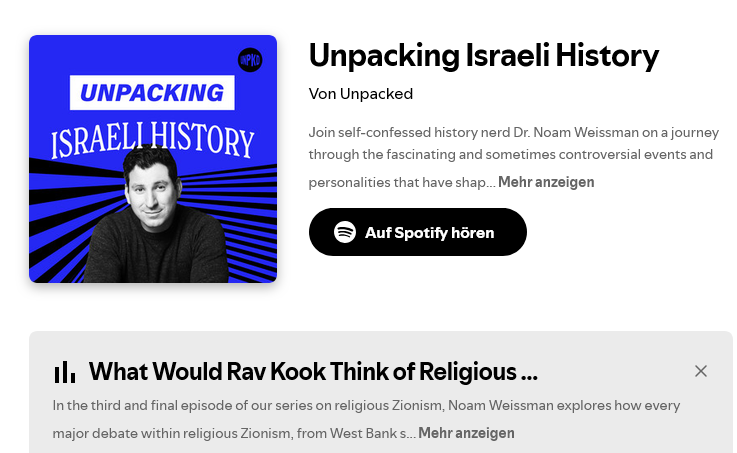
Ohne die Person und das Denken von Rav Kook ist nicht zu verstehen, was heute in Israel geschieht, zur kritischen Auseinandersetzung hilft dieser Podcast (… neben weiteren Stimmen …)
„In the third and final episode of our series on religious Zionism, Noam Weissman explores how every major debate within religious Zionism, from West Bank settlements and the Haredi draft to the relationship between faith, ethics, and nationalism, leads back to Rav Abraham Isaac Kook. Noam is joined by scholar Yehudah Mirsky, author of Rav Kook: Mystic in a Time of Revolution, to discuss the mystic, chief rabbi, and foundational thinker whose complex legacy continues to shape Israeli religious and political life. This episode is sponsored by Jewish Lives, a prize-winning series of biographies from Yale University Press. To learn more about Rav Kook’s life, identity, and legacy, you should check out Rav Kook: Mystic in a Time of Revolution by Yehudah Mirsky at www.jewishlives.org and you can use the special promo code KOOKPOD to get 30% off. If you want to sponsor an episode of Unpacking Israeli History email noam@unpacked.media. Connect with Noam on Istragram at Noamlweissman_. And check out our episodes on Youtube. This podcast is brought to you by Unpacked, an OpenDor Media brand.“
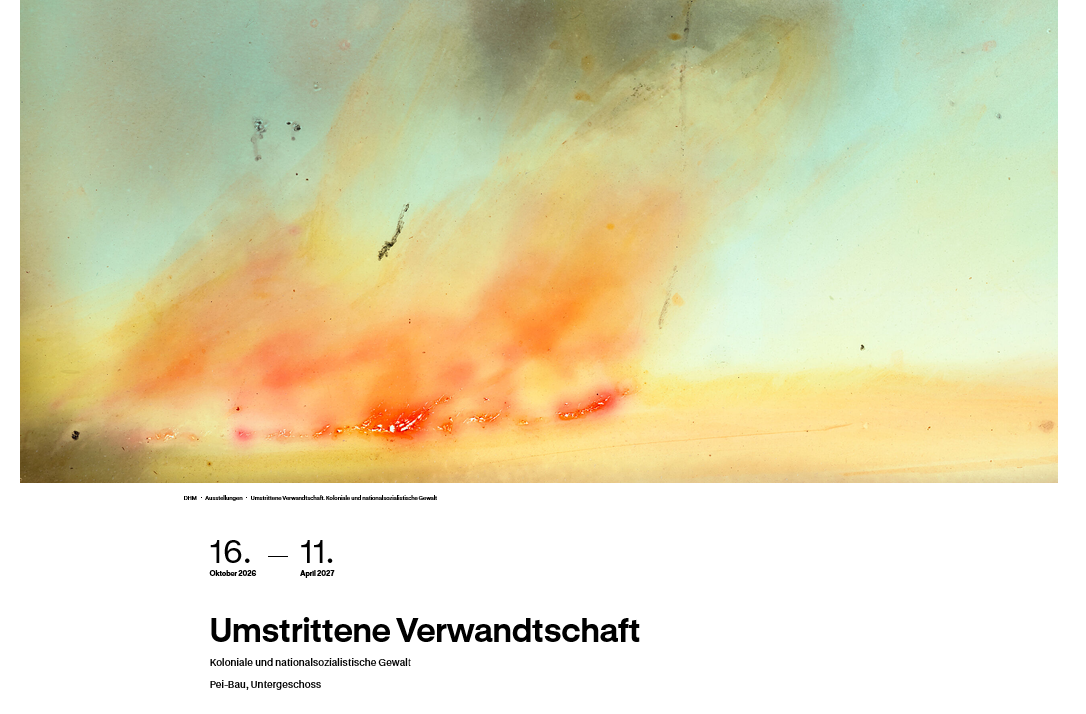
Was verbindet koloniale und nationalsozialistische Gewalt? Worin unterscheiden sie sich? Und warum ist die mögliche Verwandtschaft beider Gewaltregime bis heute umstritten? Seit den 1930er Jahren wurden diese Fragen immer wieder gestellt: von antikolonialen Denkern, Publizisten, Politikerinnen, Historikern und Überlebenden der Shoa.
Die Ausstellung „Umstrittene Verwandtschaft. Koloniale und nationalsozialistische Gewalt“ widmet sich somit einer Gegenüberstellung, die eine beinahe hundertjährige Geschichte hat und weit über die Geschichtswissenschaft hinausgeht. Die Ausstellung führt die fortdauernde Debatte um Ähnlichkeiten, Unterschiede und Gleichsetzung auf ihre historischen Ursprünge zurück. Damit möchte das Deutsche Historische Museum zu einer differenzierten Auseinandersetzung beitragen und es dem Publikum ermöglichen, die Vergleiche auf Basis historischer Fakten selbst zu beurteilen.
Die Gewalt in der Westbank macht („selbstverständlich“) auch nicht vor christlichen Einrichtungen Halt …
Spendenaufruf für das von Siedlergewalt betroffene Rehabilitationszentrum Sternberg/ bei Ramallah, einer Einrichtung der Herrnhuter Brüdergemeine (der Moravian Church) in der Westbank nördlich von Jerusalem.
Auf dem Sternberg nahe bei Jerusalem liegt dieses Förderzentrum der weltweiten Herrnhuter Brüdergemeine, die von der Herrnhuter Missionshilfe in Deutschland betrieben wird. Dort erhalten Kinder und Jugendliche mit geistigen Behinderungen Förderung und Unterstützung. Auch Inklusion und Zusammenarbeit mit kommunalen Verantwortlichen spielt eine wichtige Rolle. Die circa 100 Kinder und Jugendlichen werden von ungefähr 20 Lehrkräften (vorwiegend Frauen) gefördert.
Aktuell herrscht Angst und Schrecken: Am Freitag, den 09. Oktober 2026, überfiel eine große Gruppe von jüdisch-israelischen Siedlern die Einrichtung und zerstörte ein Gewächshaus, riss Pflanzen heraus und durchschnitt die Wasserversorgung.
Dieser Überfall auf ein ausgewiesenes Kirchengelände ist nicht nur ein Rechtsbruch. Dieser Überfall auf eine christlich-soziale Einrichtung durch radikale jüdische Siedler verbreitet Angst und Schrecken. Bisher war der Sternberg ein sicherer Zufluchtsort für verletzliche Menschen mit Behinderungen.
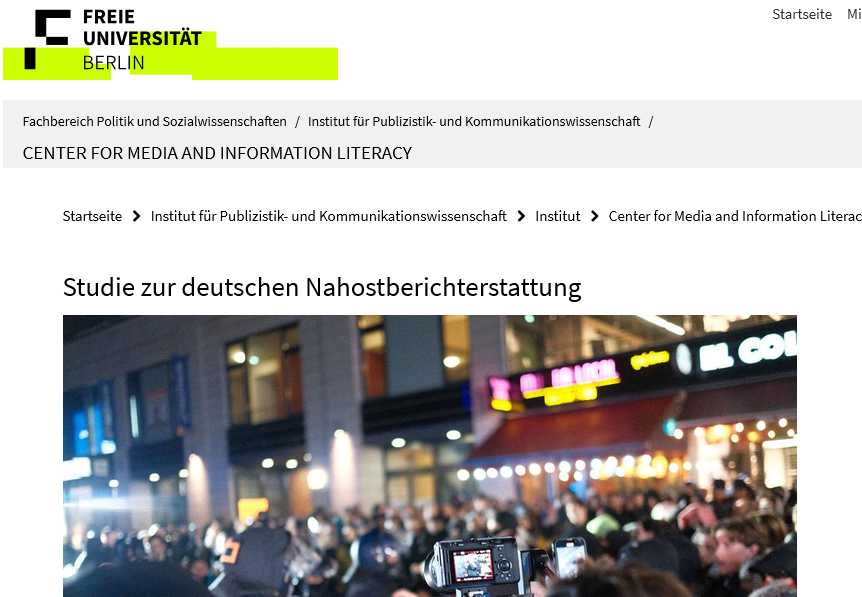
Im Rahmen der Arbeit des Institut für Publizistik- und Kommunikationswissenschaft der FU Berlin wurde gerade eine neue Studie veröffentlicht: „Unter Druck. Journalistische Handlungsspielräume in der deutschen Nahostberichterstattung“ aufmerksam machen, die von Carola Richter, Jannis Grimm und Nina Moya Schreieder durchgeführt wurde.
Darin wurden Nahost-Journalist:innen deutscher Medien mittels einer standardisierten Umfrage zu ihren Wahrnehmungen und Erfahrungen des medialen und gesellschaftlichen Umgangs mit Nahostberichterstattung befragt.
Die vollständige Studie inkl. aller Anhänge findet sich hier. Ein campus.leben-Interview zu der Studie ist hier abrufbar.
Zwei Drittel der Befragten sehen eine Verschlechterung der Pressefreiheit im Themenfeld Nahost seit dem 7. Oktober 2023; 71 % berichten von eigenen Bedrohungserfahrungen im Zusammenhang mit der Nahostberichterstattung. 35 %verspüren ein Bedürfnis nach Selbstzensur, weitere 19 % antworten mit „teils/teils“. Neben öffentlichen Anfeindungen spielen insbesondere die Sorge vor beruflichen Nachteilen sowie Konflikte und Hierarchien innerhalb von Redaktionen eine Rolle.
Die Ergebnisse sind nicht repräsentativ für den deutschen Journalismus insgesamt. Sie geben jedoch wichtige Hinweise auf Belastungen und eingeschränkte Handlungsspielräume, aus denen wir Empfehlungen für transparentere redaktionelle Entscheidungsprozesse und bessere Unterstützung für betroffene Medienschaffende ableiten.
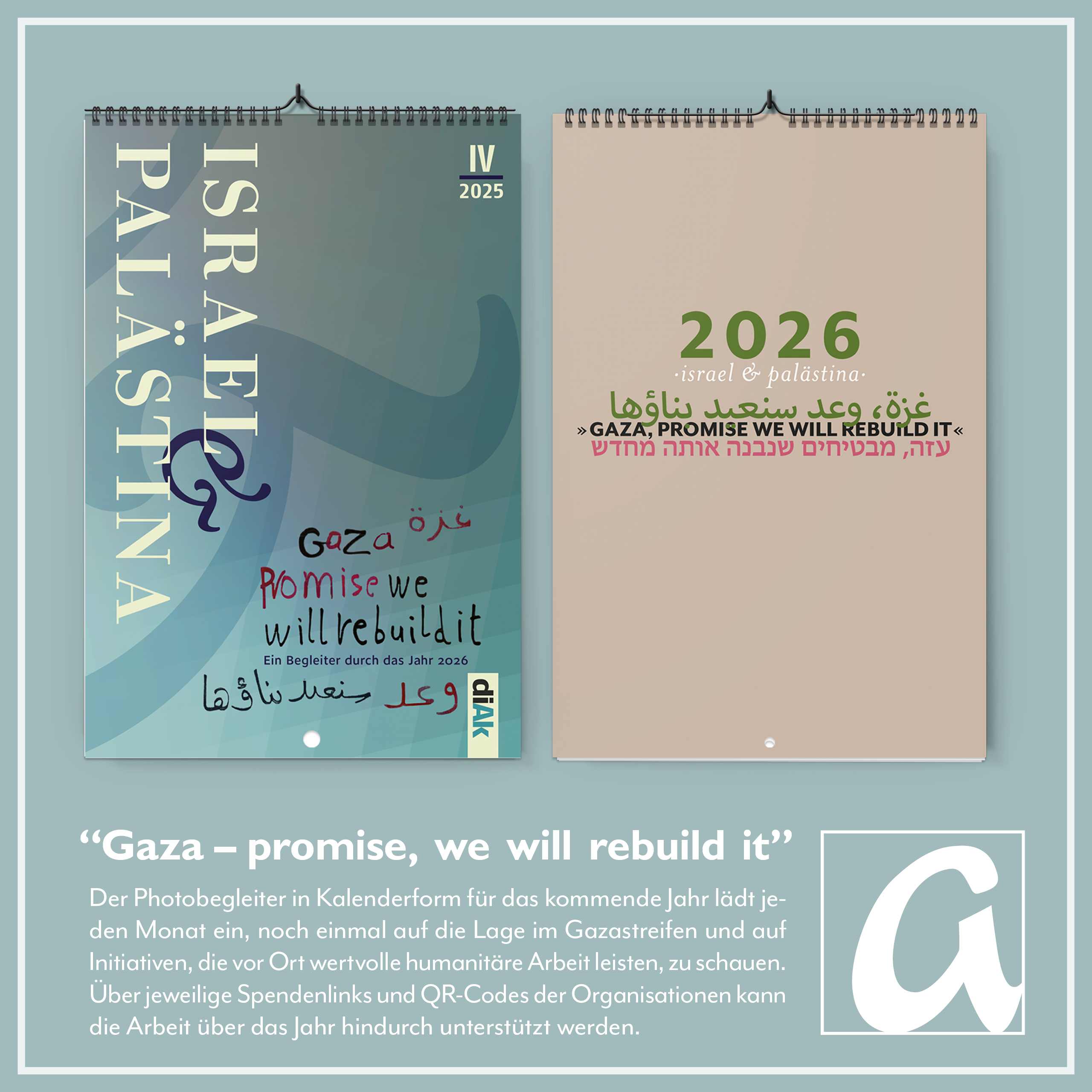
Der 11. Kalender im Rahmen von israel & palästina | Zeitschrift für Dialog!
Dieser Kalender ging in den Druck zu einem Zeitpunkt, an dem es einen fragilen Waffenstillstand im Gazastreifen gab, von dem auch heute niemand weiß, ob er auch 2026 halten wird.
In der Westbank verschärft sich die Lage zugleich weiter und in Israel finden wir eine tiefgespaltene Gesellschaft vor, bei der noch nicht klar ist, ob sich die Kräfte der Dominanz oder der Kooperation durchsetzen werden.
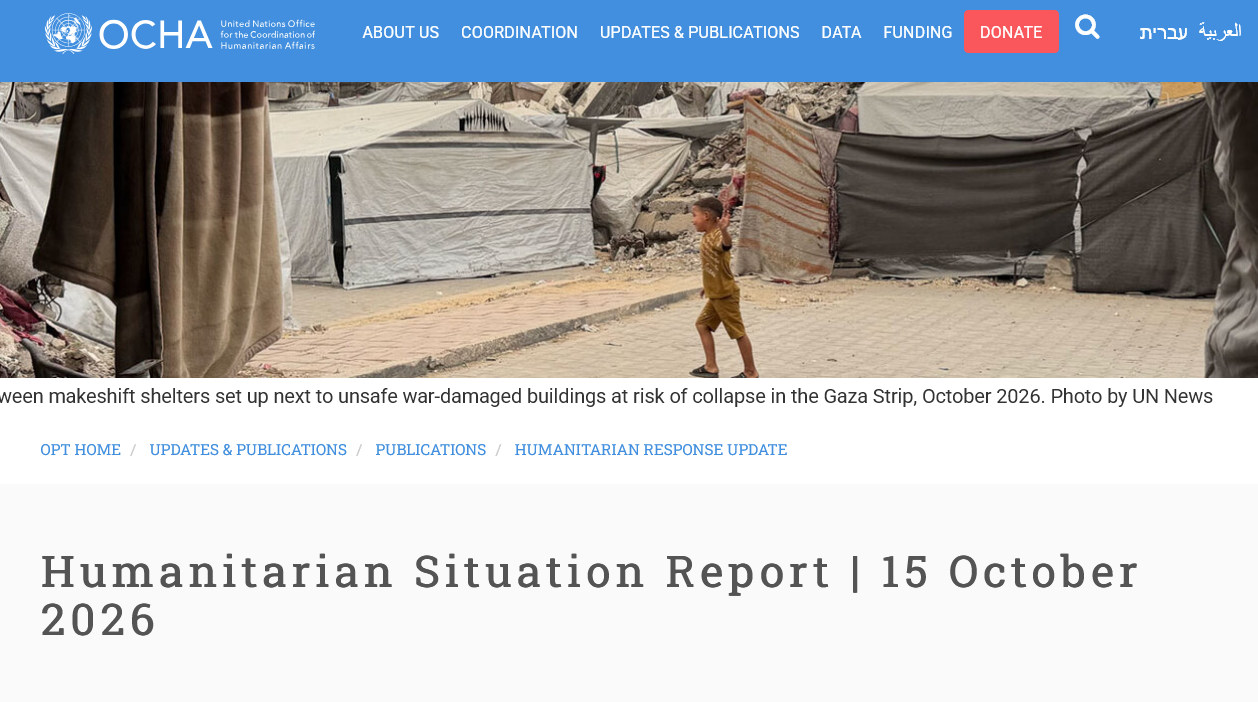
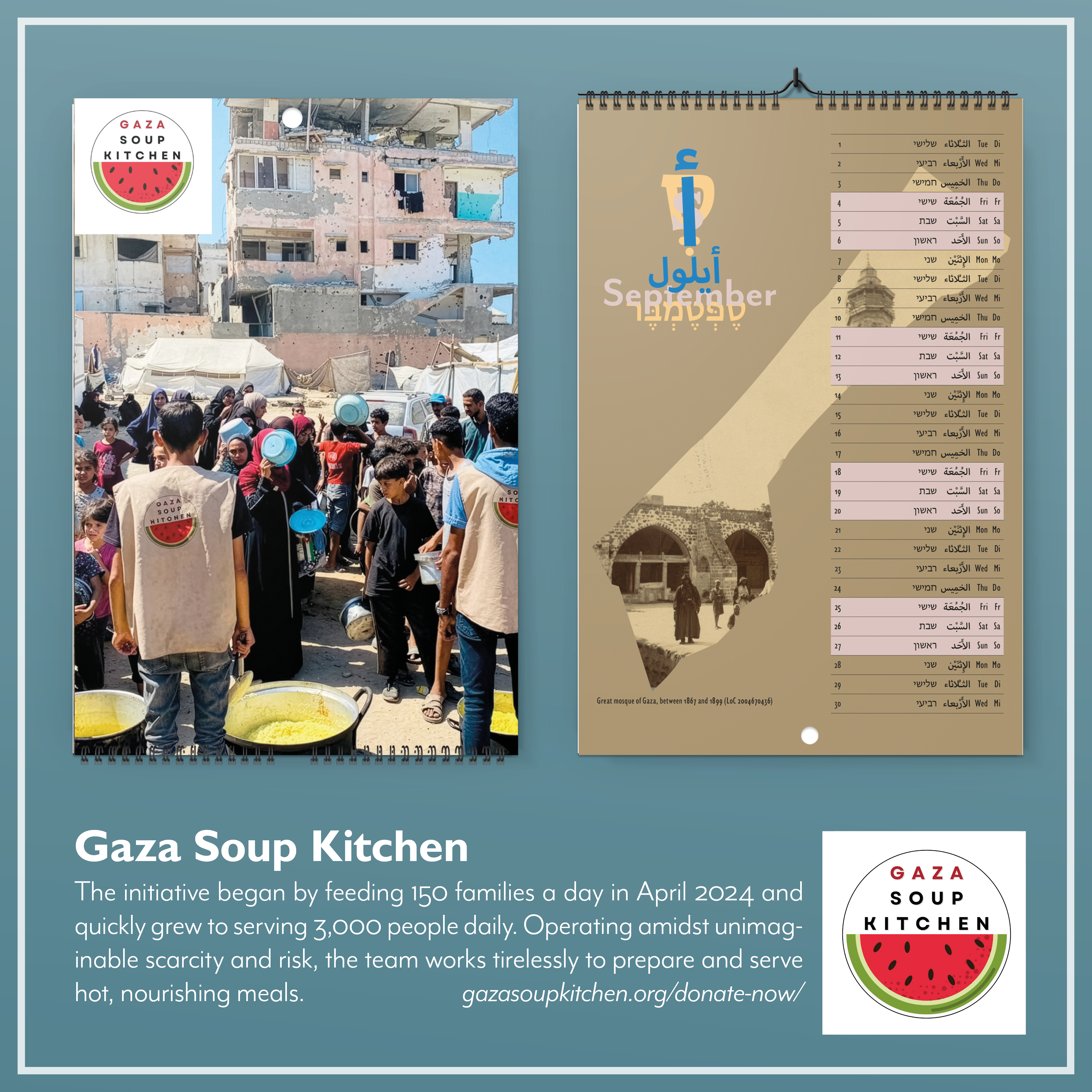
Der Photobegleiter in Kalenderform für das Jahr lädt jeden Monat ein, noch einmal auf die Lage im Gazastreifen zu schauen. Die wenigen Quadratkilometer sind versehrt und zerstört, wie es kaum denkbar schien. Aber es sind nicht nur die zerbombten Häuser, auch die Menschen haben Schaden genommen und der Weg der Heilung wird lang.
Die Wunden sind auf beiden Seiten tief und es gilt, sie nicht gegeneinander aufzurechnen, sondern mit Empathie und Zuwendung nach Möglichkeiten zu suchen, wie eine andere Zukunft aussehen kann und was (man:frau:wir) dafür tun können. Eine Möglichkeit gibt es über die jeweiligen Spendenlinks und QR-Codes der Organisationen.
israel & palästina – Zeitschrift für Dialog | Ausgabe 4-2025
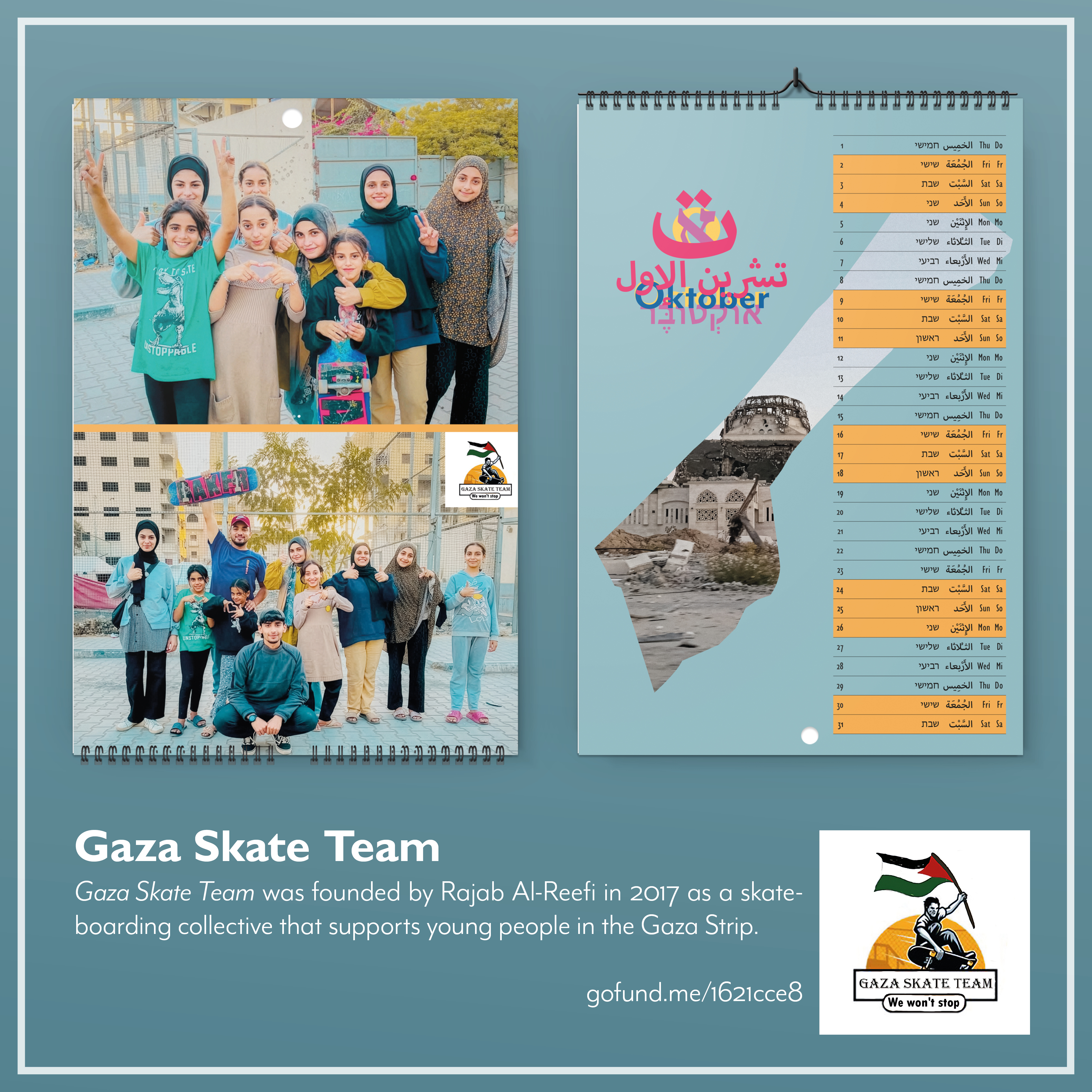
Gaza Skate Team was founded by Rajab Al-Reefi in 2017 as a skateboarding collective that supports young people in the Gaza Strip. Rajab began skateboarding in 2015 when an Italian organisation – Gaza Freestyle – visited and built a wooden mini ramp in his hometown of Gaza City. Since then, Rajab and other local skaters have been building ramps and holding skate classes wherever they can – and since October 2023 have continued to do so amongst incredibly difficult ircumstances.
Es war das elfte Mal, daß im Rahmen von israel & palästina | Zeitschrift für Dialog ein Photobegleiter in Kalenderform für das kommende Jahr erschienen ist:
Gaza – promise, we will rebuild it – Ein Begleiter durch das Jahr 2026