Historischer Beschluß der Synode der Church of England

Bericht Church Times

Bericht Independent Catholic News

„Despite all the pressure and intense lobbying before the debate, the motion passed with an overwhelming majority in all three houses, with 25 Bishops voting in favour, none against, and five abstaining.“

The final motion read:

That this Synod respond to the call of Palestinian Christians to stand in solidarity with them and their fellow Palestinians in non-violent resistance to the ongoing occupation. We lament the loss of Israeli and Palestinian lives and the violations of human dignity and rights on both sides, as well as the displacement of population. We commit to a better understanding of the situation in Israel and the occupied Palestinian territory, seeking peace and security for all the peoples of those lands and pursuing that which leads to the establishment of a just and lasting peace.

In particular, we:

a) reject antisemitism, anti-Muslim hostility and all forms of prejudice based on religious affiliation and ethnicity;

b) acknowledge with repentance the Church’s historic contribution to antisemitism and to the situation now affecting the Palestinian people, reaffirm our commitment to inter-faith dialogue, including Christian-Jewish dialogue and encourage a deeper understanding of Judaism and other faiths;

c) pray for all victims of the current conflicts in Israel and the occupied Palestinian territory and for a lasting peace;

d) hear the Kairos Palestine Declaration (2009), the Cry for Hope (2020), the Call for Repentance (2023) and Kairos Palestine II (2025) as heartfelt expressions of the lived experience of Palestinian Christians and:

i. encourage the Church of England at all levels to engage with those documents as part of a quest for greater understanding of the situation;

ii. ask the Faith and Public Life Division to commend resources that enable Dioceses and local churches to promote a full understanding of the situation and to respond through prayer, theological study, advocacy and practical support for the work undertaken by the Episcopal Diocese of Jerusalem and other Churches in the service of the people of Israel and the occupied Palestinian territory;

e) encourage the Church of England at all levels to engage with those documents as part of a quest for greater understanding of the situation, alongside continued dialogue with Jewish and Muslim voices in the pursuit of justice, equality, peace and reconciliation;

f) call on Church investors to implement and demonstrate a leading approach to responsible investment relating to the Occupied Palestinian Territory, and:

i. to review their investment policies in the light of the International Court of Justice Advisory Opinion of 19 July 2024 on the illegality of the occupation of Palestinian territory;

ii. to request the Church Commissioners and Church of England Pensions Board to report back, on a triennium basis, on the progress and success of their approaches;

iii. the bodies named above to support the EIAG to develop guidance for wider Church of England investors on how to manage human rights risks relating to occupied territories and conflict.

g) ask His Majesty’s Government to work urgently for a lasting peace in Israel and the occupied Palestinian territory, that will ensure safety and security for all parties and the upholding of the rights and inherent dignity of all people.’

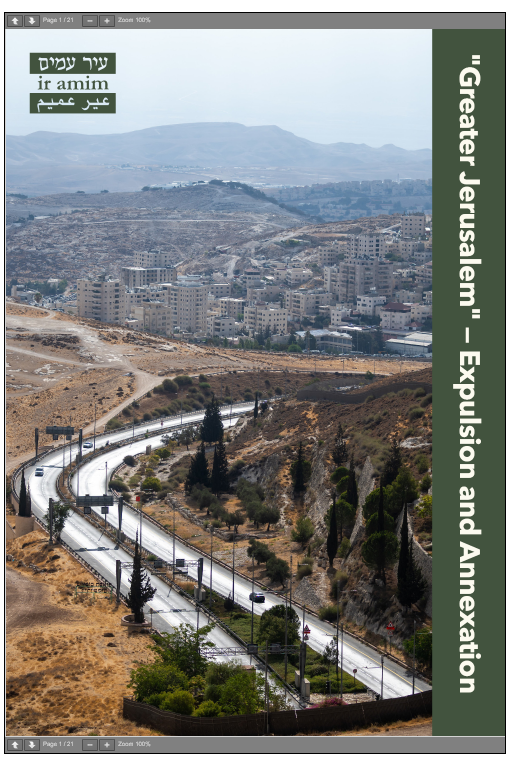
Greater Jerusalem: Expulsion and Annexation

Download Full Report // Download Executive Summary

Over the past three years, Israel has dramatically reshaped the West Bank area around Jerusalem, often referred to in Israeli political discourse as “Greater Jerusalem.” Through accelerated settlement expansion, the establishment of outposts and related infrastructure, and escalating state and settler violence against Palestinian communities, annexation of this area is advancing at full force.

While annexation has largely been understood as the deepening of Israeli control over the space, application of Israeli sovereignty, and the obstruction of a future Palestinian state, Ir Amim’s new report underscores how the forcible transfer of Palestinian communities is central to the annexation paradigm. Expulsion and displacement are not side effects of annexation, but rather inextricable components of it.

These developments are part of a broader Israeli government agenda across the West Bank: expanding Israeli territorial contiguity while pushing Palestinians into disconnected enclaves within an increasingly fragmented Palestinian space. This strategy is unfolding throughout the West Bank, but it is especially visible around Jerusalem.

The report details the cumulative system of pressure being used to make life unsustainable for Palestinian communities, including land confiscation, settlement and outpost expansion, demolition orders and denial of building permits, military closure orders, new permit regimes, settler and military violence, severe restrictions on movement, and the closure of entire areas to Palestinian access.

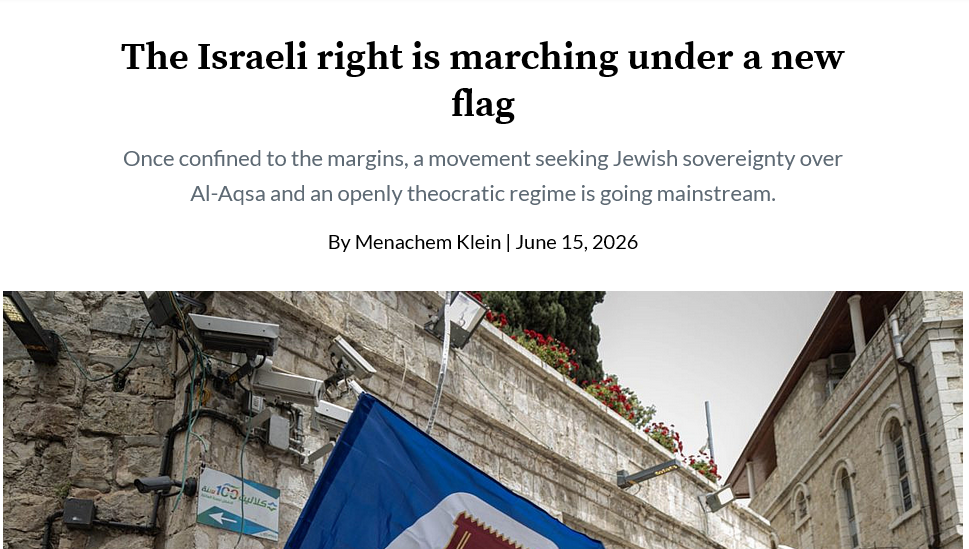
Ein Blick auf die israelische Rechte

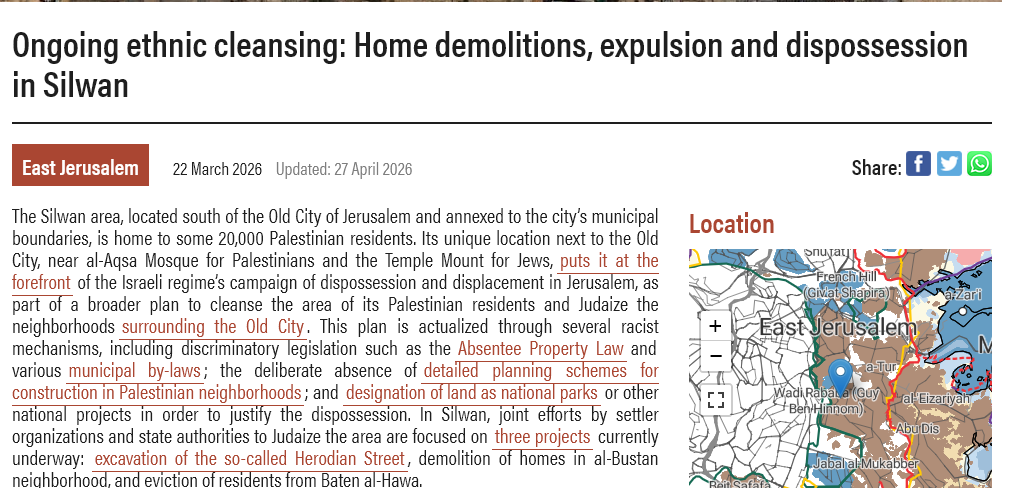
Silwan – immer stärker bedroht …

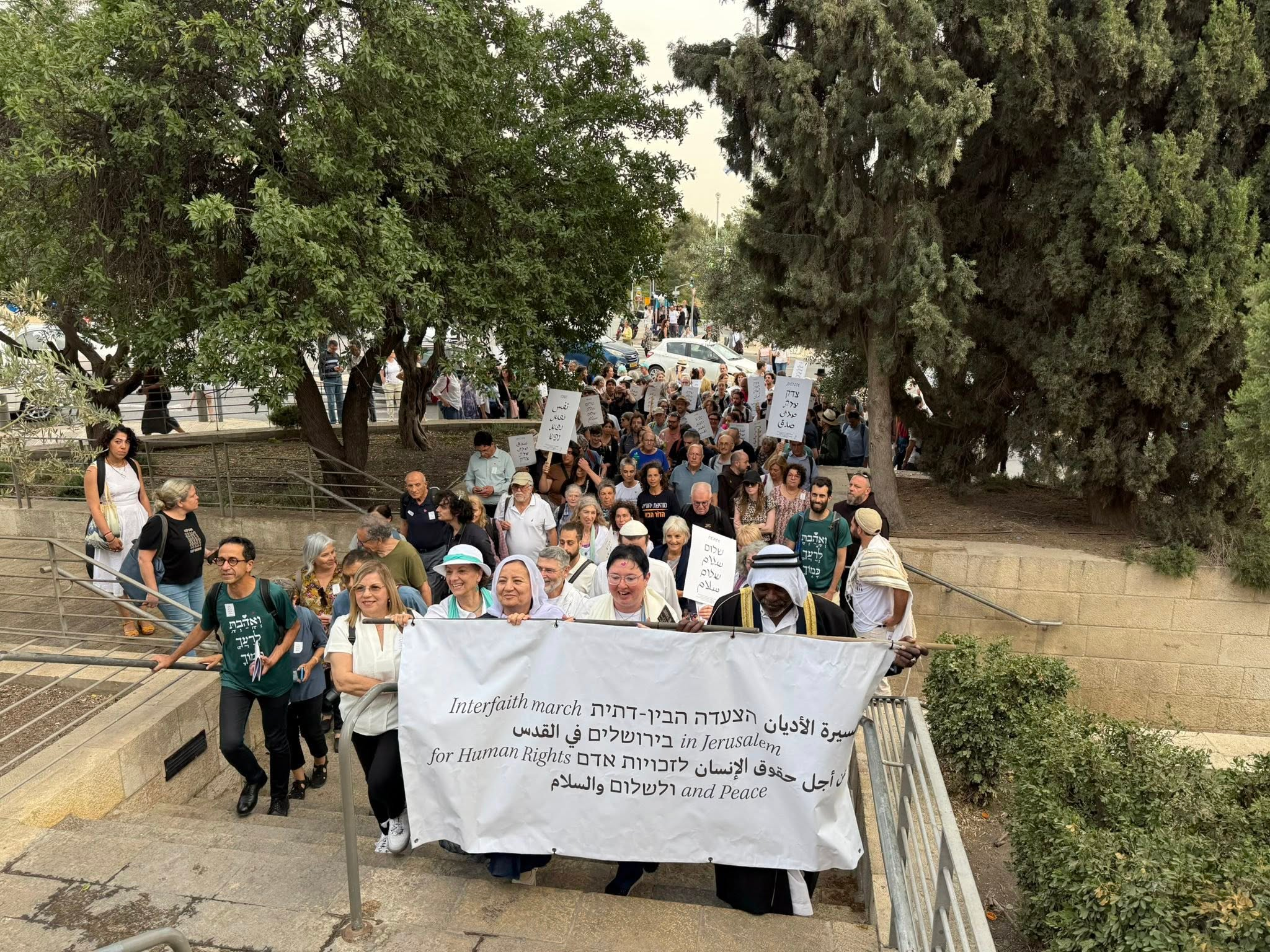
Es geht auch anders!

An einem Tag, an dem Bilder eines israelischen Ministers um die Welt gehen, wie er öffentlich (festgenommene) Demonstranten behandelt, von denen sich selbst sein Kabinettskollege und Außenminister distanziert, hier ein Hinweis auf ein paar andere Bilder:

Aus dem FB-Pst des anglikanischen Geistlichen Richard Sewell (Jerusalem)

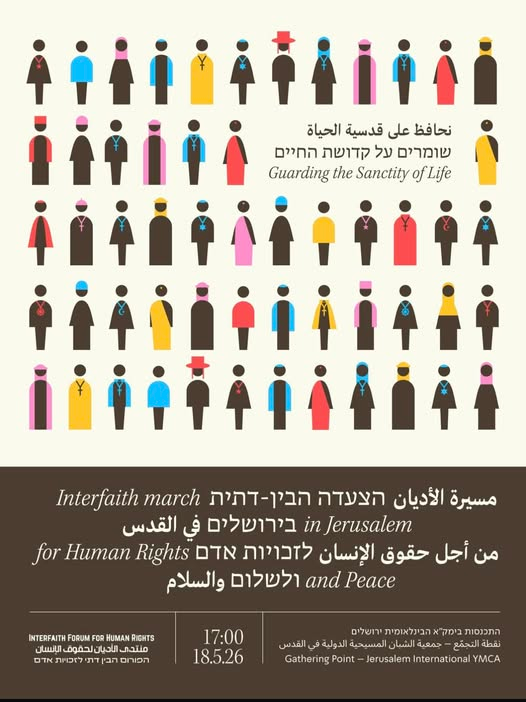
Guarding the Sanctity of Life

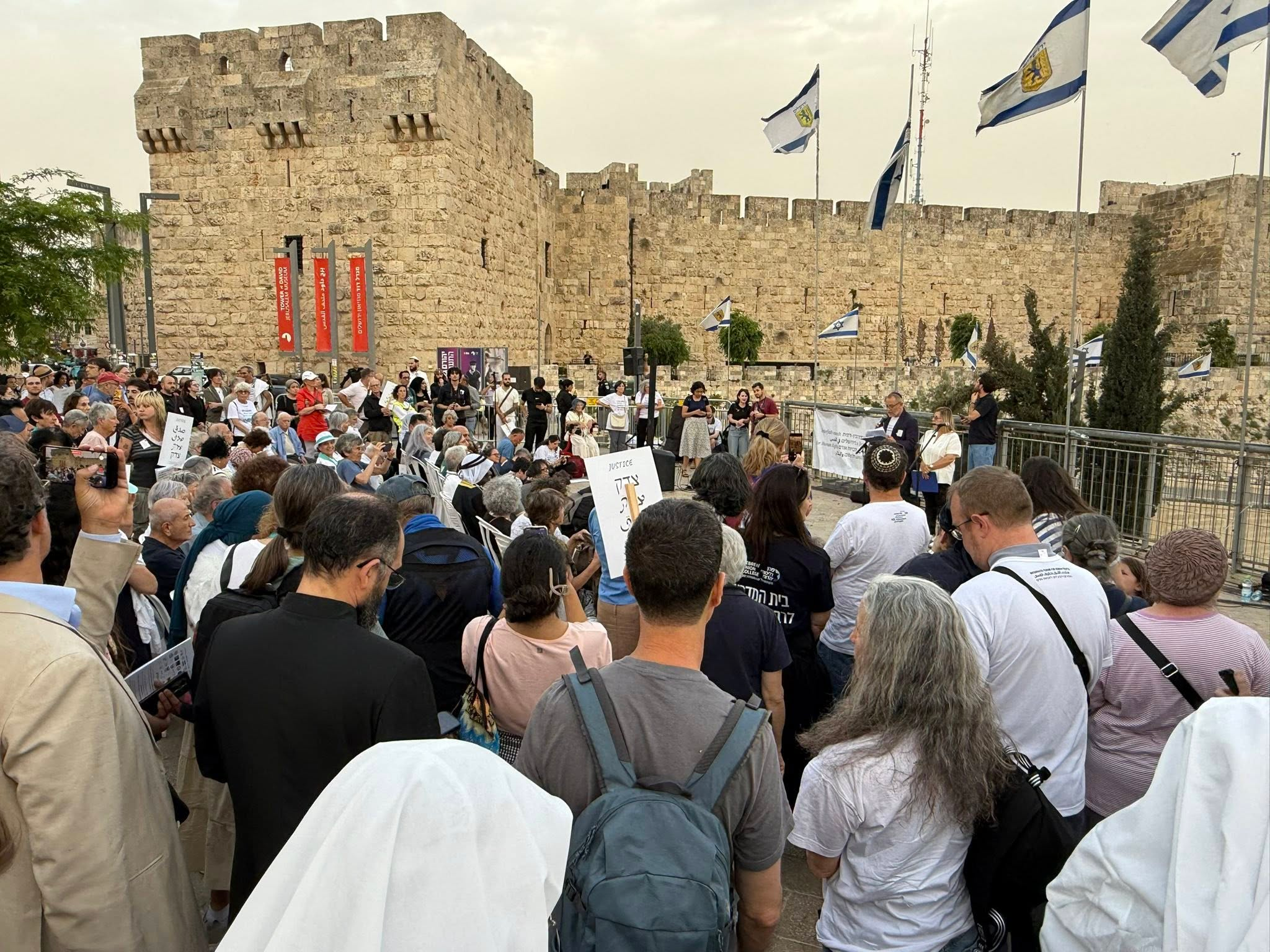
Monday 18th May 2026 – Interfaith March for Human Rights and Peace in Jerusalem, organised by the Interfaith Forum for Human Rights – All are welcome – at least in spirit – The march is designed as a counterpoint to Jerusalem Flag Day (14/5/26), as a stand for a unified peace with justice.

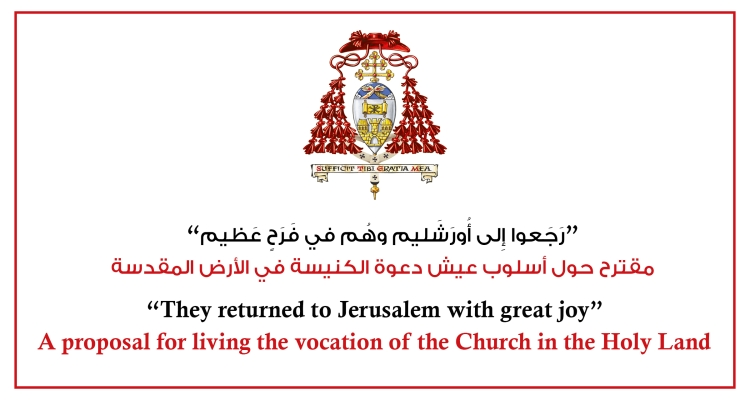
Pizzaballa: They returned to Jerusalem with great joy

Die wenigsten …

können heute in Jerusalem sein und es wäre auch nicht ganz einfach. Wir denken an die, die in der Satdt heute leben, im Osten und im Westen ….

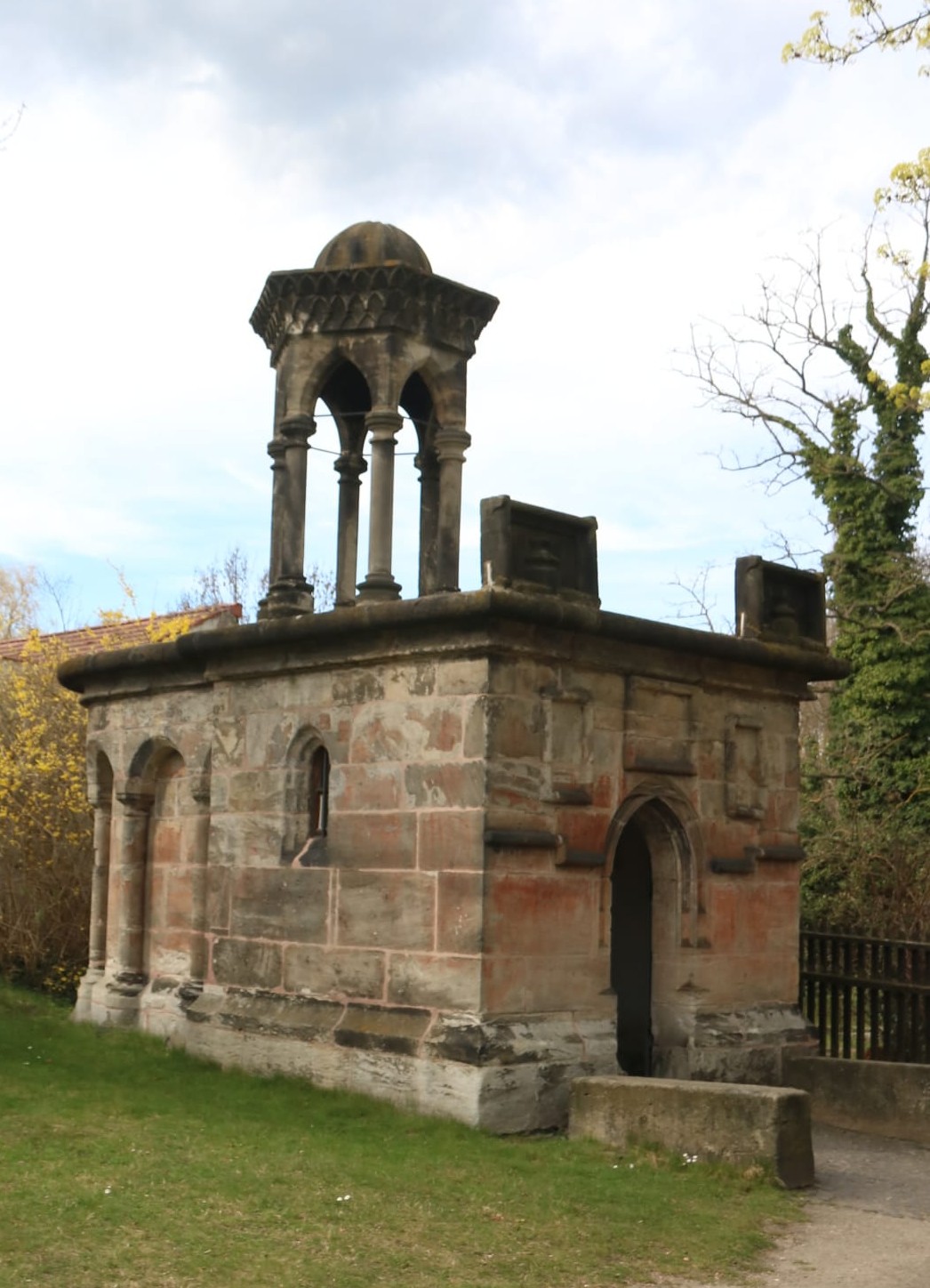
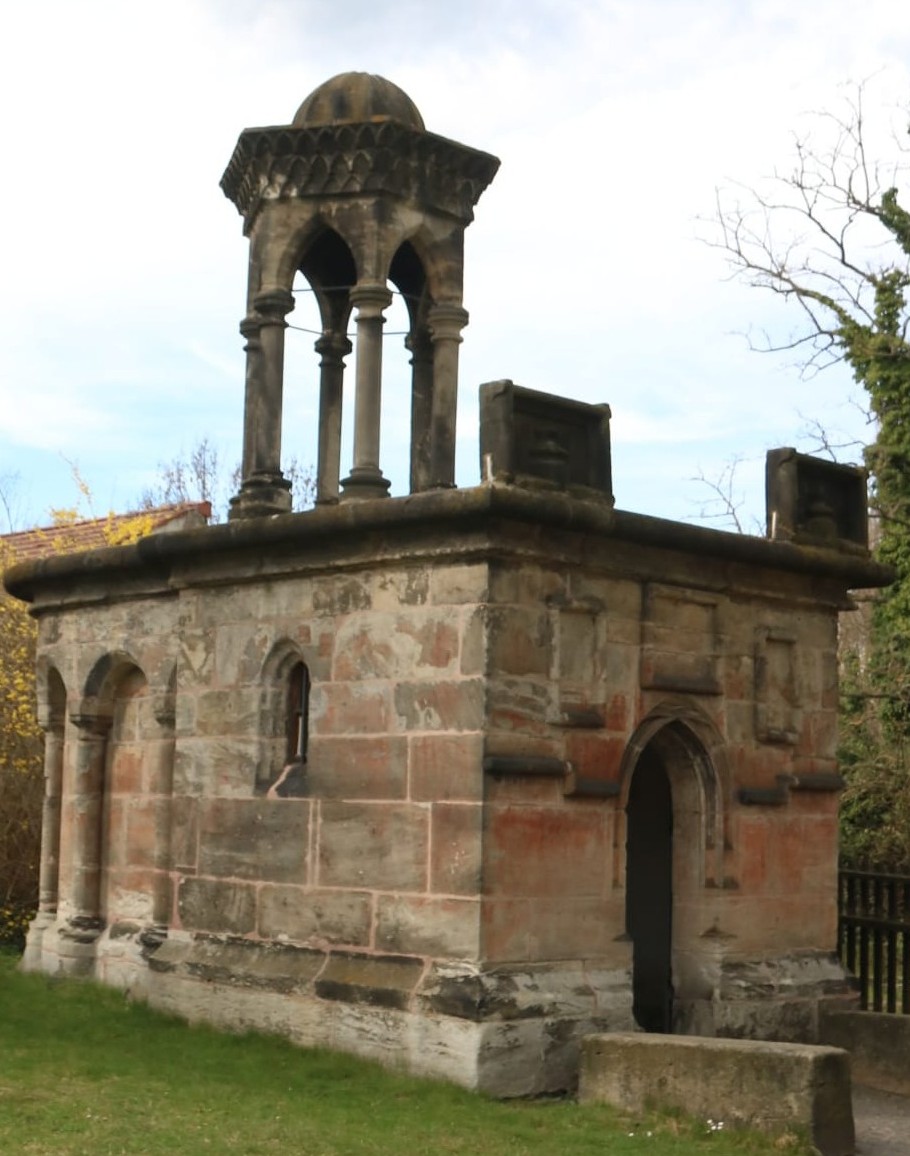
Unsereiner war heute in Görlitz am Heiligen Grab in Gedanken vor Ort … – rzw

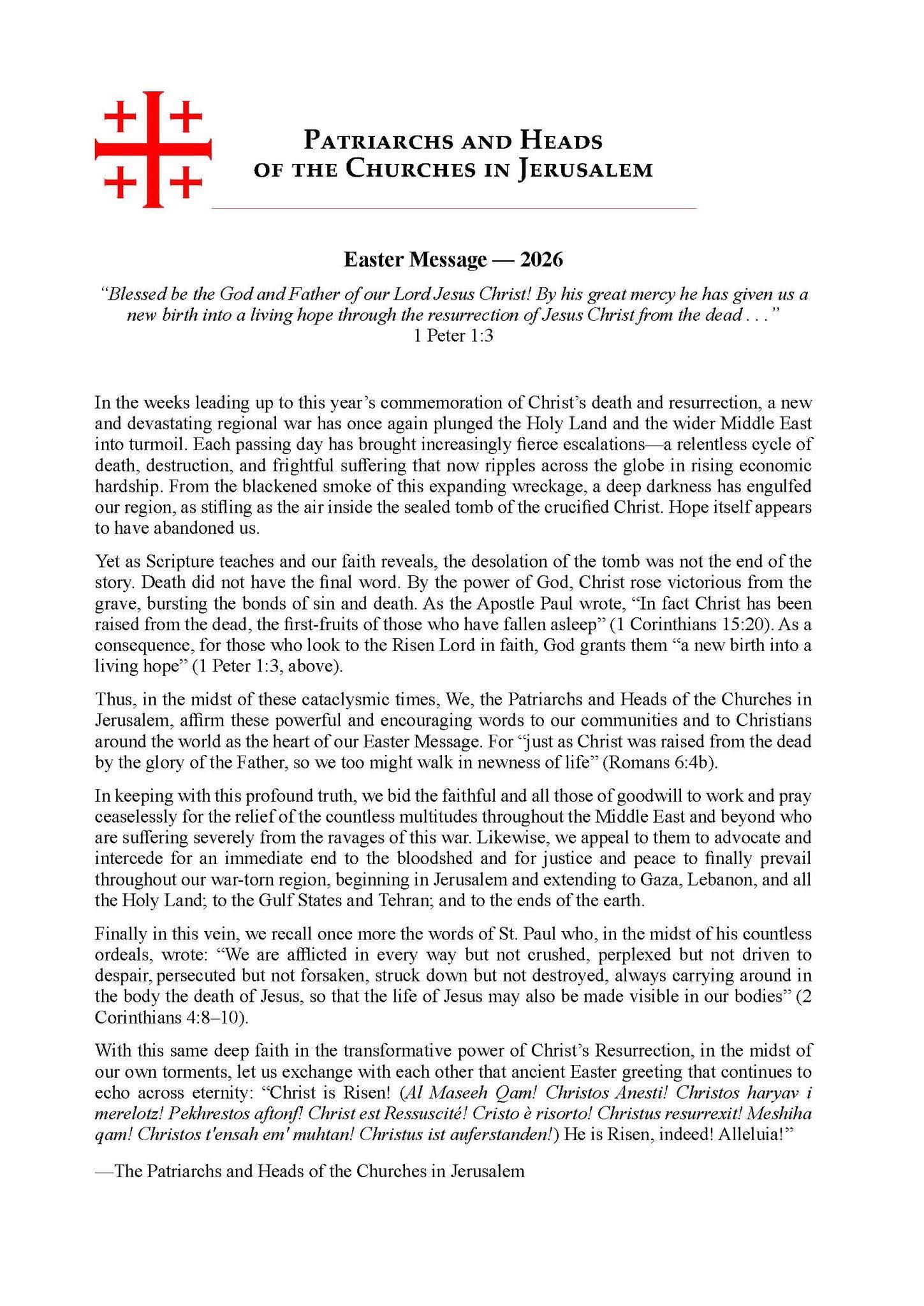
Osterbotschaft der Kirchen Jerusalems 2026

“Blessed be the God and Father of our Lord Jesus Christ!
By his great mercy he has given us a new birth into a living hope
through the resurrection of Jesus Christ from the dead . . .”
1 Peter 1:3

In the weeks leading up to this year’s commemoration of Christ’s death and resurrection, a new and devastating regional war has once again plunged the Holy Land and the wider Middle East into turmoil. Each passing day has brought increasingly fierce escalations—a relentless cycle of death, destruction, and frightful suffering that now ripples across the globe in rising economic hardship. From the blackened smoke of this expanding wreckage, a deep darkness has engulfed our region, as stifling as the air inside the sealed tomb of the crucified Christ. Hope itself appears to have abandoned us.

Yet as Scripture teaches and our faith reveals, the desolation of the tomb was not the end of the story. Death did not have the final word. By the power of God, Christ rose victorious from the grave, bursting the bonds of sin and death. As the Apostle Paul wrote, “In fact Christ has been raised from the dead, the first-fruits of those who have fallen asleep” (1 Corinthians 15:20). As a consequence, for those who look to the Risen Lord in faith, God grants them “a new birth into a living hope” (1 Peter 1:3, above).

Thus, in the midst of these cataclysmic times, We, the Patriarchs and Heads of the Churches in Jerusalem, affirm these powerful and encouraging words to our communities and to Christians around the world as the heart of our Easter Message. For “just as Christ was raised from the dead by the glory of the Father, so we too might walk in newness of life” (Romans 6:4b).

In keeping with this profound truth, we bid the faithful and all those of goodwill to work and pray ceaselessly for the relief of the countless multitudes throughout the Middle East and beyond who are suffering severely from the ravages of this war. Likewise, we appeal to them to advocate and intercede for an immediate end to the bloodshed and for justice and peace to finally prevail throughout our war-torn region, beginning in Jerusalem and extending to Gaza, Lebanon, and all the Holy Land; to the Gulf States and Tehran; and to the ends of the earth.

Finally in this vein, we recall once more the words of St. Paul who, in the midst of his countless ordeals, wrote: “We are afflicted in every way but not crushed, perplexed but not driven to despair, persecuted but not forsaken, struck down but not destroyed, always carrying around in the body the death of Jesus, so that the life of Jesus may also be made visible in our bodies” (2 Corinthians 4:8–10).

With this same deep faith in the transformative power of Christ’s Resurrection, in the midst of our own torments, let us exchange with each other that ancient Easter greeting that continues to echo across eternity: “Christ is Risen! (Al Maseeh Qam! Christos Anesti! Christos haryav i merelotz! Pekhrestos aftonf! Christ est Ressuscité! Cristo è risorto! Christus resurrexit! Meshiha qam! Christos t’ensah em‘ muhtan! Christus ist auferstanden!) He is Risen, indeed! Alleluia!”

+ The Patriarchs and Heads of the Churches in Jerusalem +

Wieder einmal im Schatten des Krieges

Auch wenn es nichts zu feiern gibt, möge doch der Geist dieses Festes zum Ende des Ramadans Kraft geben und Wege zu Gerechtigjeit und Frieden öffnen …

Und zur Realiät „on the ground“

Sieh dir diesen Beitrag auf Instagram an

Ein Beitrag geteilt von שלום עכשיו (@peacenow_il)