26. April

Der 26. April steht auch für Guernica. 1937, also vor 89 Jahren zerstörten insbesondere Kampfflugzeuge der deutschen Legion Condor und der italienischen Aviazione Legionaria die schutzlose Stadt.

Bundespräsident R. von Weizsäcker bat 1997 in deutschem Namen um Verzeihung für das Verbrechen.

Als Lesehinweis dazu ein aufrüttelnder, ja provizierender – und umso mehr lesenswerter Artikel von Elat Lapidot: Gaza as World War, der auch dieses Datum in seine Reflektionen einbezieht.

„Es ist Deutschlands Verpflichtung, gegen Israels Politik aufzustehen“

No Longer Ladies and Gentlemen

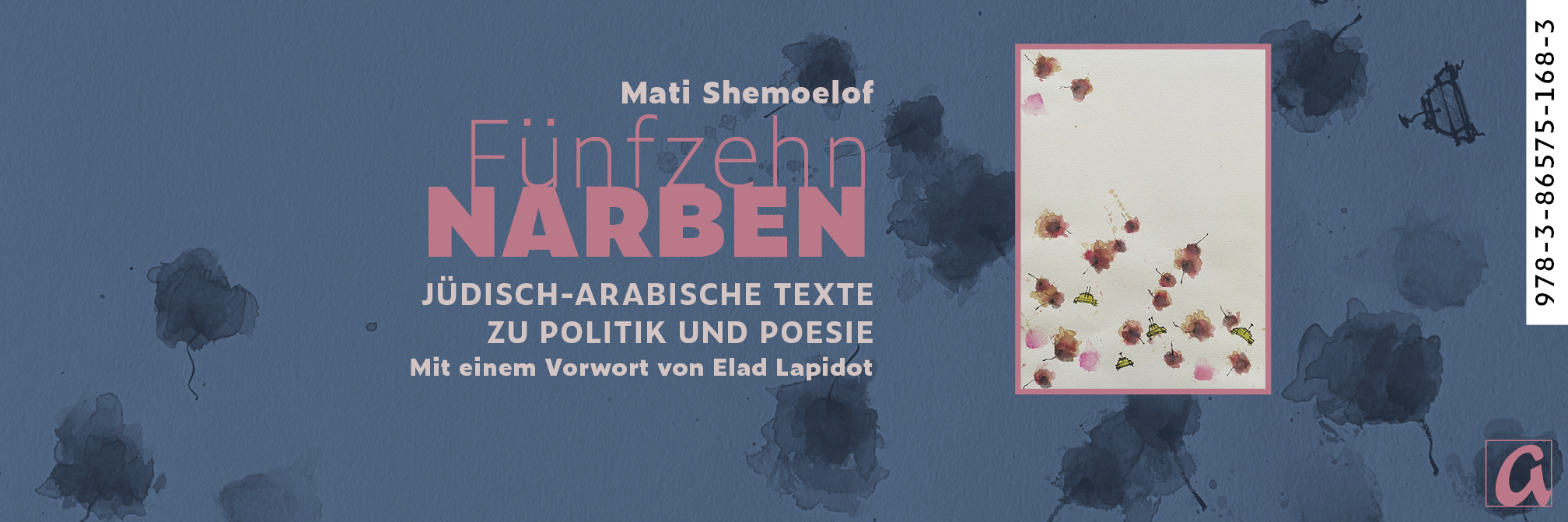
Brücken – Magazin 2. Ausgabe erschienen

„This magazine brings us back to where we first met: documenting home demolitions in the Jordan Valley and the West Bank. That project was a collaboration between Rabbis for Human Rights, where Mati was active, and Dharma Activism, where Yossi volunteered. Since then, we’ve both left Israel and moved to Berlin. Today, though far from the occupation in the West Bank and the horror unfolding in Gaza, we’ve created a unique international and multilingual cultural project that combines both activism and art …“

Zu bestellen über AphorismA

Mit Beiträge von:
Rezeeq Abu Nasser | Ahmad al Saadi | Tzachi Zaki Avinoam | Thaer Ayoub | Ester Barski | Guli Dolev-Hashiloni | Iryna Dumina | Asaf Dvori | Dana Eichhorst | Claudia Friedrich | Suchismita Ghoshal | Nima Hasan | Adi Hayati | Miriam Issa | Hend Jodah | Shelavet Kalman | Annie Kantar | Yossi Lampel | Tali (Avital) Lutzky | Yago Melado | Irit Mogilevsky | Ilham Bani Odeh | Nicola Y. Orbach | Claus Peter Poppe | Judith Poppe | Sandra Reinhart | Nait Rosenfelder | Ali Salem | Ruben Schenzle | Tomer Shaked | Mati Shemoelof | Héctor Solari | Mahmoud Subeh | Valéry Suty | Aviv Tatarski | Yara Wehbi.

Zur Zukunft des Assoziierungsabkommens EU-Israel

Over 350 former European Ministers, Ambassadors and Senior Officials call for suspension of the EU – Israel Association Agreement amid Israel’s systematic violations of Palestinians’ human rights

Kopie auf Google Drive – auch in weiteren Sprachen verfügbar (Deutsche Fassung)

Liste der Unterzeichnenden, nicht vollständig, wird online weiter ergänzt

Brücken Magazin – Ausgabe 2 erscheint

Zu bestellen über Shop – Auslieferung ab dem 17. April 2026

Erinnerung: DienstagZoom – 7. April 2026

Im Gespräch mit Ahmad Shihabi: Journalismus nach dem 7. Oktober

Ahmad Shihabi wuchs in einem palästinensischen Flüchtlingslager südlich von Damaskus auf. Er absolvierte eine Ausbildung im Bereich Informatik, wurde dann Journalist. Während des syrischen Bürgerkriegs floh er nach Deutschland und arbeitet heute als Redakteur für die Neue Ruhr Zeitung (NRZ), vor allem zur politischen Situation im Nahen Osten, deren Auswirkungen auf Deutschland sowie zu Flucht und Migration.

In unserem diAk-Gespräch wollen wir mit ihm über seine Wahrnehmung der letzten zweieinhalb Jahre sprechen: Wie war es für ihn, als palästinensischer Journalist nach dem 7. Oktober in Deutschland zu berichten?
Was ist seine Perspektive auf die deutsche Berichterstattung zu Israel/Palästina, Syrien oder Iran?
Gemeinsam wollen wir über deutschen Journalismus, Debattenkultur und den Nahostkonflikt nachdenken. 

Das Gespräch findet am 7. April 2026 von 19 bis 20 Uhr auf Zoom statt.

Das Gespräch findet in deutscher Sprache statt. Eine vorherige Anmeldung ist nicht notwendig, der Link für den R ZW lädt Sie zu einem geplanten Zoom-Meeting ein.


https://zoom.us/j/93995057319?pwd=e2PhYEbV5K6FbQM7fg0OX6dHLuFGQx.1

Meeting-ID: 939 9505 7319
Kenncode: 6M1DtX

DienstagZoom – 7. April 2026

Im Gespräch mit Ahmad Shihabi: Journalismus nach dem 7. Oktober

Ahmad Shihabi wuchs in einem palästinensischen Flüchtlingslager südlich von Damaskus auf. Er absolvierte eine Ausbildung im Bereich Informatik, wurde dann Journalist. Während des syrischen Bürgerkriegs floh er nach Deutschland und arbeitet heute als Redakteur für die Neue Ruhr Zeitung (NRZ), vor allem zur politischen Situation im Nahen Osten, deren Auswirkungen auf Deutschland sowie zu Flucht und Migration.

In unserem diAk-Gespräch wollen wir mit ihm über seine Wahrnehmung der letzten zweieinhalb Jahre sprechen: Wie war es für ihn, als palästinensischer Journalist nach dem 7. Oktober in Deutschland zu berichten?
Was ist seine Perspektive auf die deutsche Berichterstattung zu Israel/Palästina, Syrien oder Iran?
Gemeinsam wollen wir über deutschen Journalismus, Debattenkultur und den Nahostkonflikt nachdenken. 

Das Gespräch findet am 7. April 2026 von 19 bis 20 Uhr auf Zoom statt.

Das Gespräch findet in deutscher Sprache statt. Eine vorherige Anmeldung ist nicht notwendig, der Link für den Zoom-Raum ist: 

https://zoom.us/j/93995057319?pwd=e2PhYEbV5K6FbQM7fg0OX6dHLuFGQx.1

Meeting-ID: 939 9505 7319
Kenncode: 6M1DtX

Rehumanize!

Palestinians and Jews for Peace

Palestinians and Jews for Peace

Moral Clarity in a Time of Escalation

The Palestinian and Israeli members of Combatants for Peace are united in our profound alarm at the current military escalation between the United States, Israel, and Iran.

As a joint movement committed to nonviolence and to ending the occupation through political means, we firmly reject the belief that expanded military force will bring safety or stability to our region.But why do we feel like this?

A few days ago in the West Bank, two Palestinian brothers were shot and killed by settlers in the village of Qaryut, part of a documented rise in settler violence and displacement that human rights organizations and UN monitors have repeatedly warned the world about. Such attacks are not isolated eruptions of chaos; they unfold within a system of occupation that fragments Palestinian life, weakens accountability, and entrenches a reality of unequal rights that corrodes any genuine prospect for peace.

In Israel, civilians have been killed and injured by Iranian missile strikes on residential areas, a stark reminder that when confrontation escalates between states, it is ordinary people who absorb the consequences. International humanitarian law is unequivocal: civilians must never be targeted, and indiscriminate attacks on populated areas are unlawful. As governments invoke deterrence and security to justify their actions, Israeli and Iranian families mourn loved ones as the confrontation spreads. Official statements speak in strategic terms; on the ground, it is grief that endures.

We refuse the hierarchy of grief that measures one life against another, and we reject the logic that treats civilian deaths as currency in a wider struggle. What binds these realities together is not only escalation between states, but the political structures that normalize and perpetuate harm – occupation, annexation, collective punishment, and regional brinkmanship that treats civilian lives as leverage rather than as equal human beings entitled to protection and dignity.

Moral clarity at this moment requires holding these truths together: opposing attacks on civilians everywhere while confronting the underlying reality of occupation, oppression and entrenched injustice that makes repeated escalation inevitable. Expanding war will not resolve either; it will only prologue the suffering.

If we are serious about protecting civilian life, we must be serious about ending the systems that endanger it. 
In hope,


Donate to Combatants for Peace Today