
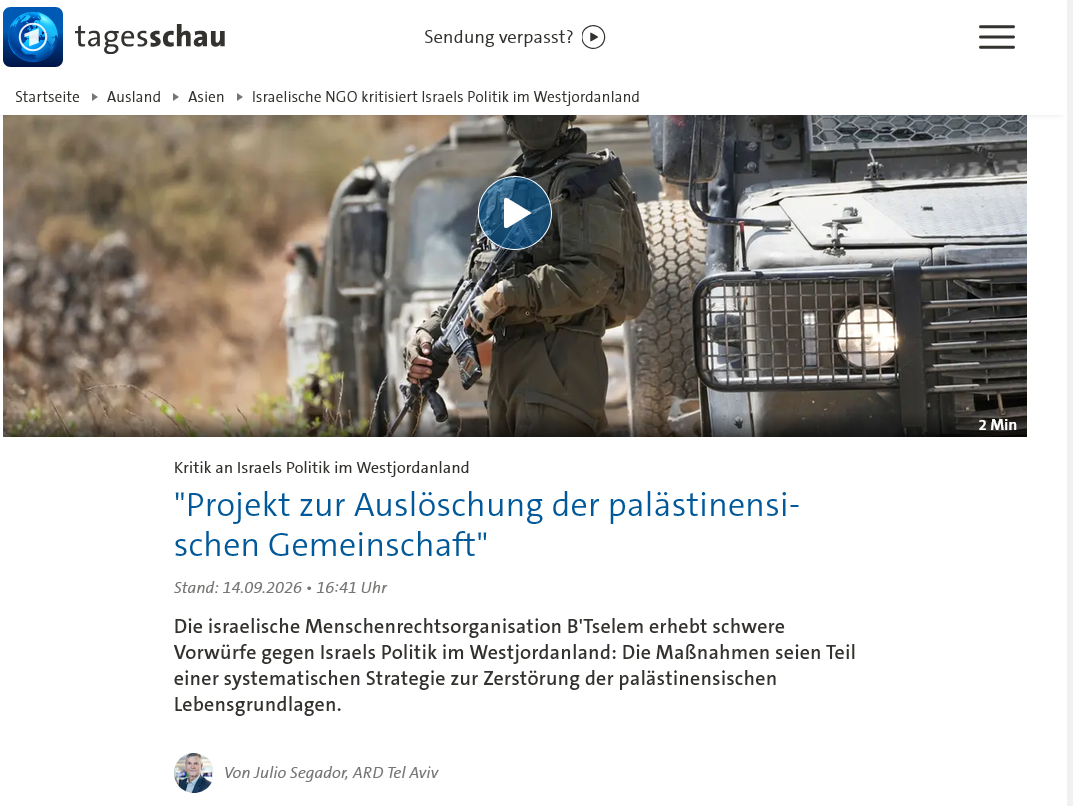
und darf doch nicht schweigen: Zuerst der Bericht der Tagesschau, darunter der Hinweis auf den Originalbeitrag von B’Tselem
***
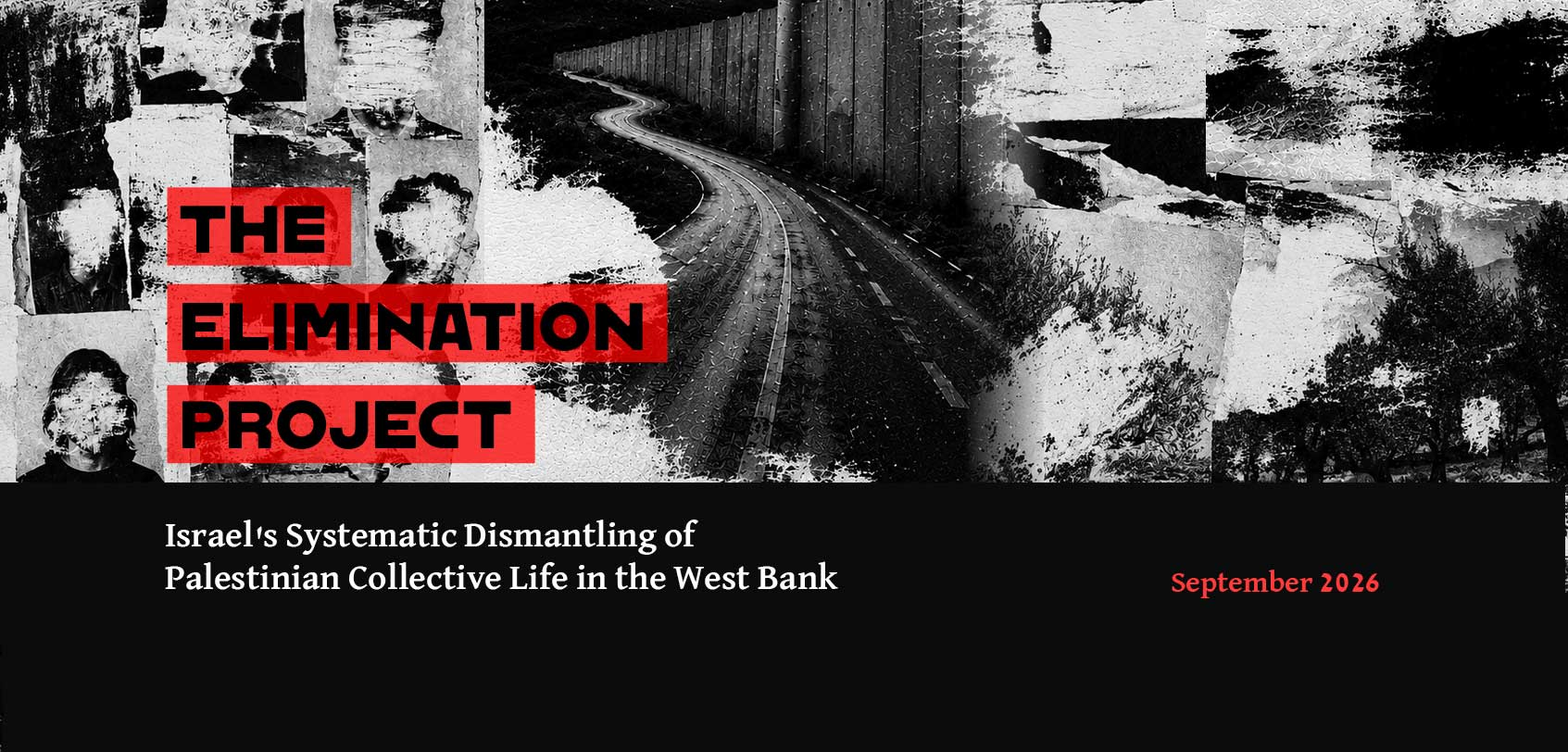
und darf doch nicht schweigen: Zuerst der Bericht der Tagesschau, darunter der Hinweis auf den Originalbeitrag von B’Tselem
***
Ein Beitrag auf ttt über den provokativen und gerade in Venedig ausgezeichneten Film, der in der inner-jüdisch-israelischen Auseinandersetzung zu heftigsten Debatten geführt hat – und von dem sich die Filmemacher Yuval Abraham und Rachel Szor insbesondere wünschen, daß er in Deutschland gesehen werden soll…
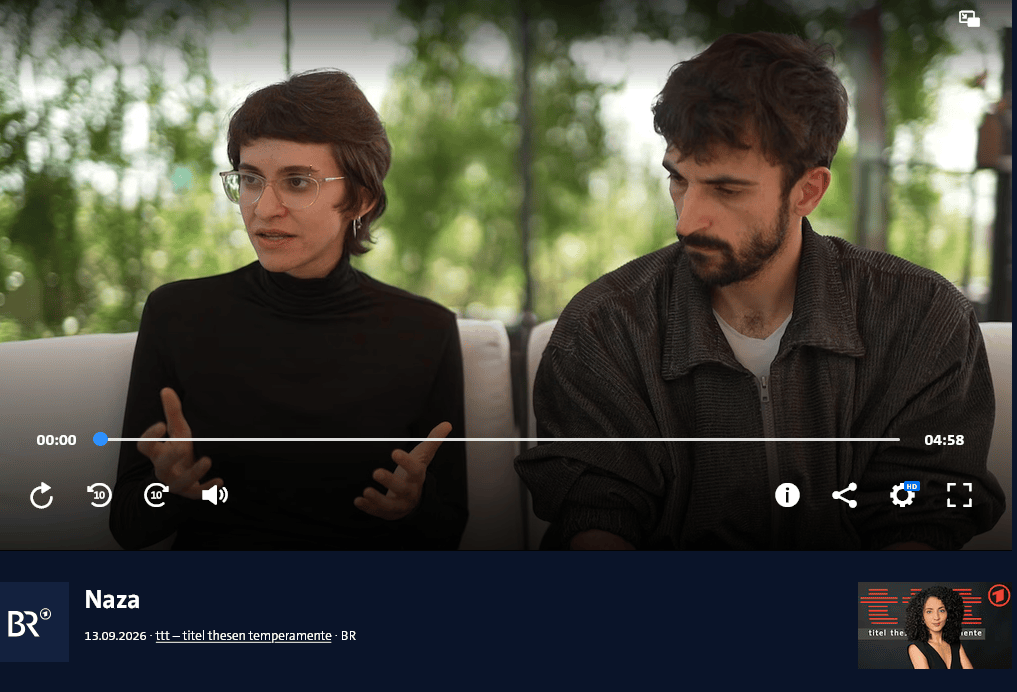
Zu den Angriffen auf die Filmschaffenden eine Petition der Kolleg:innen – Was ist eine Staatsbürgerschaft wert, wenn der Kulturminister wie gefordert, den beiden Künstlern die ihre entziehen lassen will …
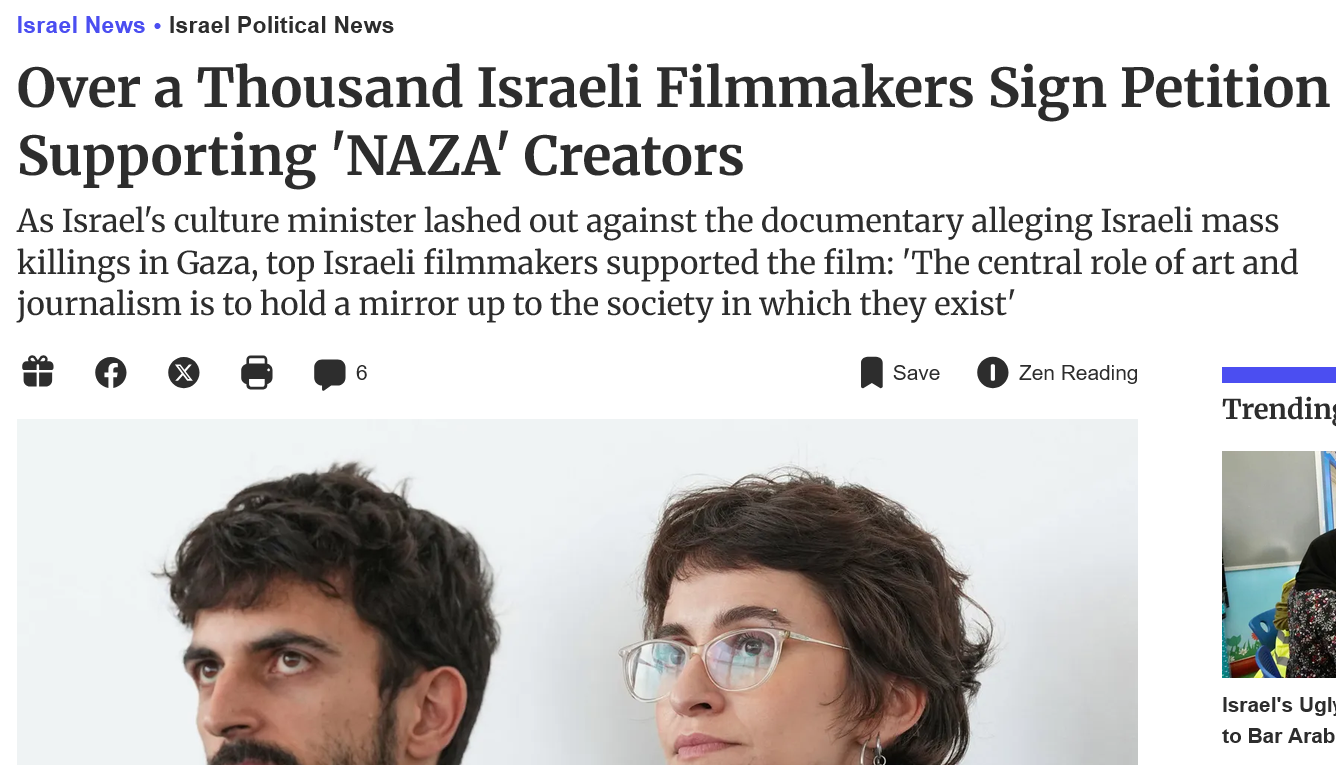
Beitrag zum Film auf +972mag
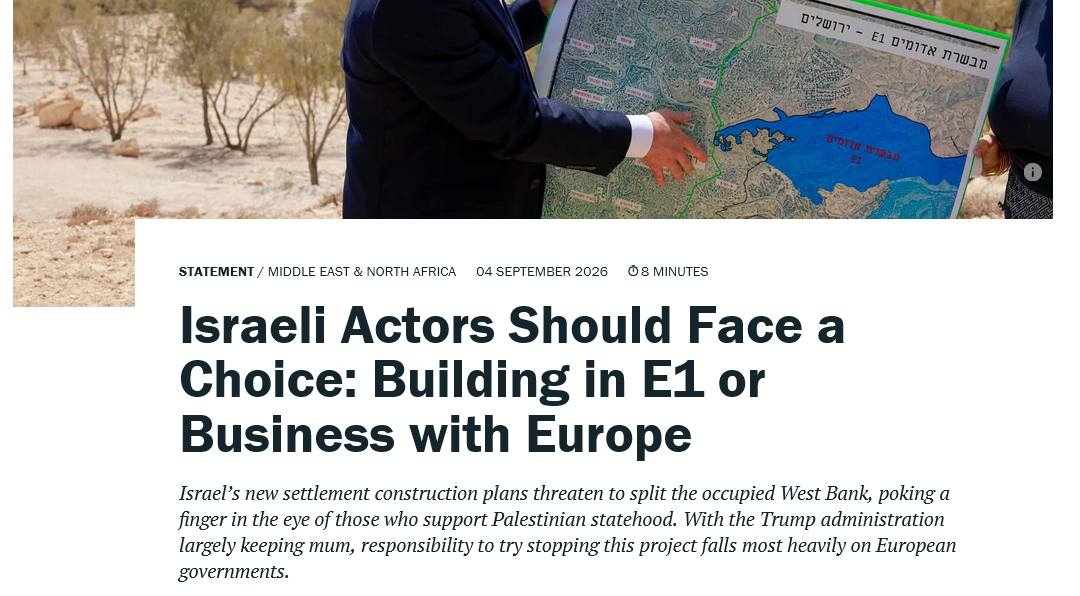
International Crisis Group Statement: Israeli Actors Should Face a Choice
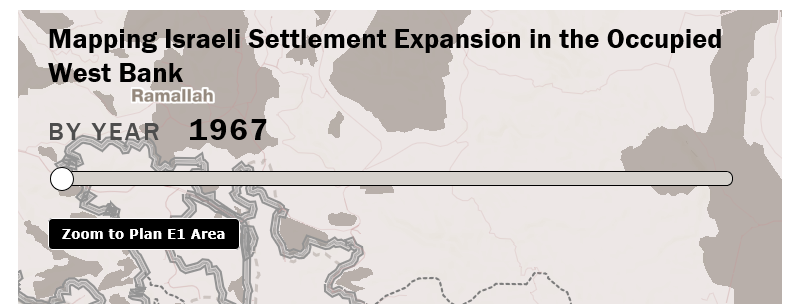
Mit einer anschaulichen interaktiven Karte zu E1
Israel’s new settlement construction plans threaten to split the occupied West Bank, poking a finger in the eye of those who support Palestinian statehood. With the Trump administration largely keeping mum, responsibility to try stopping this project falls most heavily on European governments.
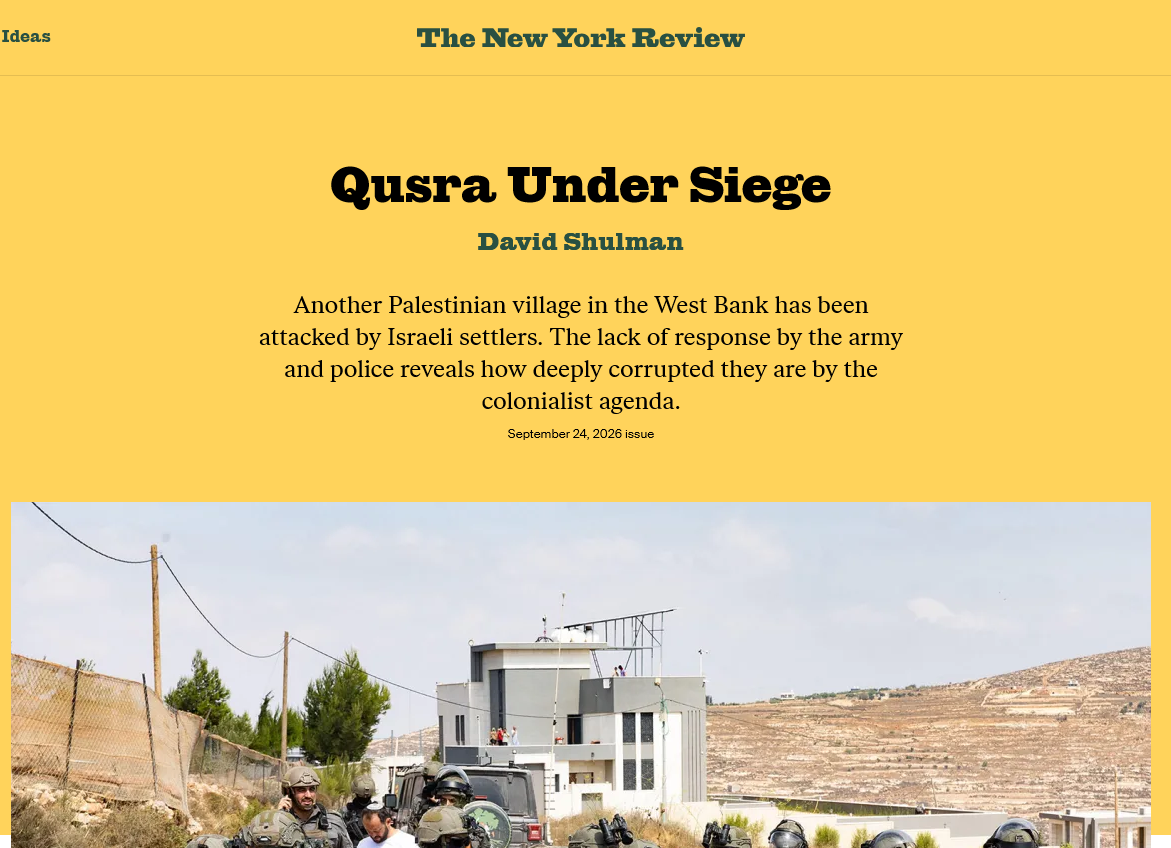
Vereinzelte Übergriffe, Strategie zusammen mit (Teilen der) Armee – die Situation in der Westbank?
Ein Essay von David Shulman in der The New York Review (einzelner Artikel frei zugänglich)
David Shulman is the author of Tamil: A Biography, among other books. He is Professor Emeritus at the Hebrew University of Jerusalem and was awarded the Israel Prize for Religious Studies in 2016. He is a longtime activist with Ta’ayush, the Arab–Jewish Partnership, in the occupied Palestinian territories.
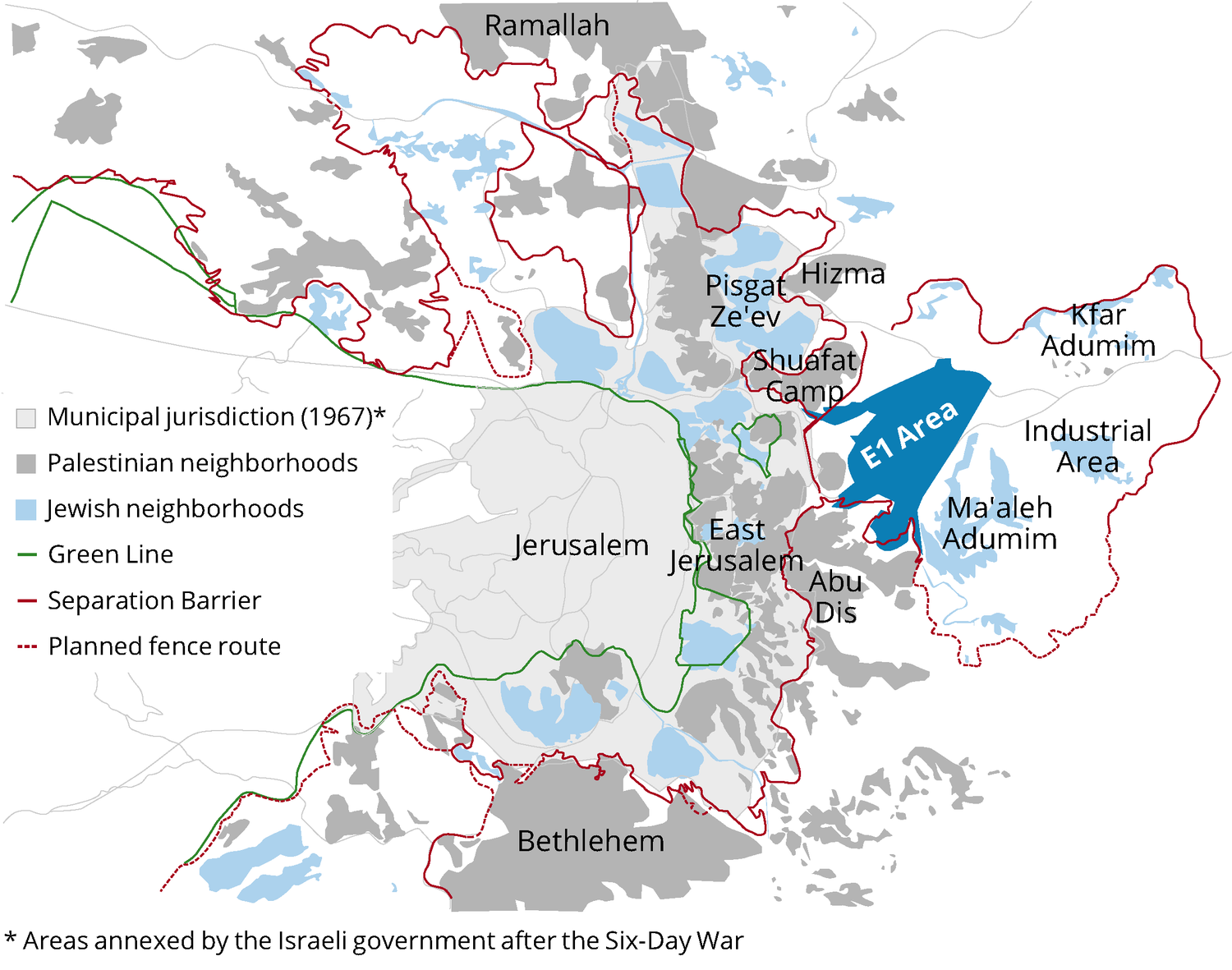
Linda Dayan in Haaretz über die Hintergründe…
Israel’s far-right government is advancing construction in the contentious E1 area between Jerusalem and Ma’aleh Adumim, issuing tenders for 1,200 new housing units despite decades of international opposition. Critics warn the move could divide the West Bank, sever East Jerusalem from Palestinian territory, undermine prospects for a Palestinian state and risk mass Palestinian displacement. With contracts imminent, it could soon become irreversible.
Hollow Promises: Resetting Gaza’s Ceasefire / Eine Analyse der International Crisis Group:
A July roadmap sponsored by the Board of Peace has failed to overcome obstacles that have mired Gaza’s ceasefire deal ten months on. A mix of sustained pressure and diplomatic guarantees is needed to break the logjam and centre Palestinian agency in the strip’s recovery.
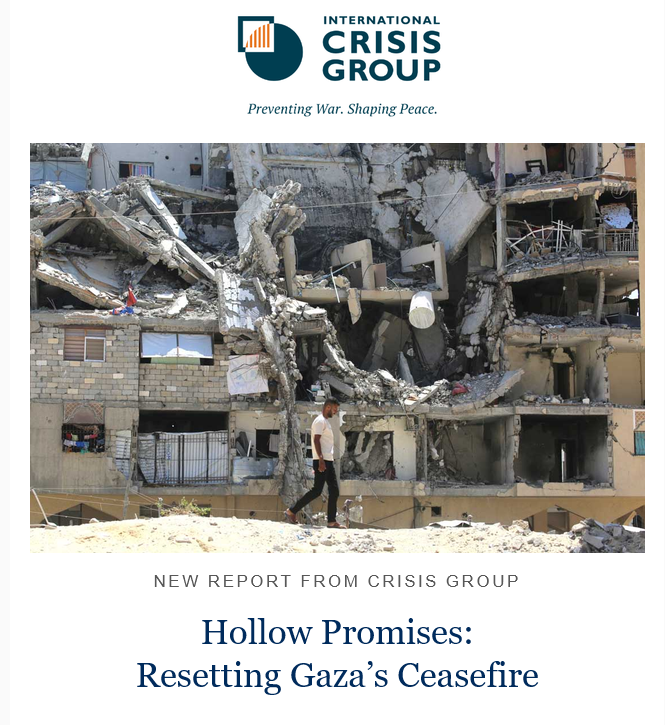
Eine Würdigung von Mosche Machover von Helga Baumgarten (Junge Welt 5. August 2026)

Building Just Peace Through Co-Resistance
🗓 Wednesday, August 5, 2026 – ⏰ 1:00 PM EST | 8:00PM Jerusalem | 6:00PM London

Guest speakers include:
🌳Hanadi Hussin Sayed, Palestinian activist, researcher, author, and gender specialist whose work focuses on women’s empowerment, displacement, and the experiences of women living through and beyond conflict.
⛰️Tova Kahan, Israeli activist and Protective Presence Consortium project manager working alongside Palestinian villages under threat while helping strengthen community resilience and joint action.
🌏Dr. Gail Bradbrook, co-founder of Extinction Rebellion and internationally recognized organizer who has inspired movements for climate justice, systems change, and grassroots action across the globe.
🪷Moderated by Tiffany Goodwin-Van Camp, Executive Director of American Friends of Combatants for Peace.
Hear their stories, ask your questions, and be part of a conversation about the kind of leadership our world needs now. We look forward to seeing you.
Ein Essay aus der ja nicht liberal zu nennenden Times of Israel von Rossella Tercatin, der Reporterin der ToI für Archäologie und Religion. (darin auch ein Abschnitt zu Smol Emuni/Faithful Left.

Indigenous Reconstruction and Resistance
Nour Joudah und Dena Qaddumi auf der Seite von Al-Shabaka

After Hamas’s recent announcement that it will hand over governing authority in Gaza to the National Committee for the Administration of Gaza (NCAG), urgent questions about who will shape Gaza’s future and on whose terms have reemerged. These questions are particularly salient given that the NCAG’s framework reflects the same technocratic and externally imposed logic that has come to characterize the dominant international proposal for Gaza’s reconstruction: one that treats it as a technical exercise in disaster management, sidelining Palestinian sovereignty, return, and self-determination.
In contrast, this roundtable asks what it means to understand Gaza as an Indigenous region rather than simply a besieged strip or humanitarian space. Nour Joudah and Dena Qaddumi explore how Indigenous frameworks reshape prevailing understandings of urbanism, reconstruction, and governance; why reconstruction must begin with Palestinian agency and reclamation rather than externally designed colonial master plans; and how rebuilding is already taking place through everyday forms of Indigenous endurance, social organization, and spatial resistance under conditions of ongoing genocide.
This roundtable is adapted from a conversation recorded on May 21, 2026. It has been edited for publication.
