Von den Königinnen, Prostituierten, Kriegerinnen und Heiligen der Vergangenheit bis hin zum Engagement der heutigen Frauen in der palästinensischen Zivilgesellschaft.
Ein ungewöhlichen und ausführlichen Beitrag findet sich aktuell auf der Seite von Pro Terra Santa. Ein kulturgeschichtlicher Durchgang bis in heutige Arebitsbereiche, beschrieben durch Carla Benelli, Leiterin des Vereins für Kulturprojekte Pro Terra Sancta. Und am Ende ein Download-Link zu einem PDF zur Arbeit.
Buchvorstellung als hybrides Ereignis: Donnerstag, 30. Juni 2022 19.00 – 21.00 Uhr Heinrich Böll Stiftung Berlin – und im Livestream
Charlotte Wiedemann sucht in ihrem jüngsten Buch nach Wegen, Erinnerungskultur im Geist globaler Gerechtigkeit neu zu denken. Dazu bringt sie zwei Anliegen in einen Dialog, die ihr auch persönlich am Herzen liegen: Sensibilität und Verantwortung für die Shoah bewahren und einseitig europäisches Geschichtsdenken überwinden.
So haben Millionen Kolonialsoldaten gegen Nazi-Deutschland gekämpft, aber bis heute verbinden wir die Befreiung vom Nationalsozialismus nicht mit der Freiheit und Würde des kolonisierten Menschen.
Parallel zu den Nürnberger Prozessen wurden in den Kolonien nie geahndete Verbrechen gegen die Menschlichkeit begangen, eine moralische Asymmetrie, die bis heute andauert. Dabei folgt aus der Shoah, jedes Leben als gleichermaßen schutzwürdig zu erachten.
Erinnerungskulturen sind geprägt vom globalen Machtgefüge. Die Holocaust Memory Culture verfügt weltweit über das größte Prestige – aber wer darf sich jüdischem Schmerz anverwandt machen?
Und warum finden Deutsche den verzweifelten Widerstand im Warschauer Ghetto ergreifend, während sie der Widerstand gegen koloniale Besatzung in Deutsch-Ostafrika nicht berührt? Vergleiche, sagt die Autorin, können helfen, das Gemeinsame in den Prozessen von Entmenschlichung zu erkennen und unser Empathievermögen zu erweitern.
Charlotte Wiedemann, Autorin, Publizistin und Auslandsreporterin im Gespräch mit René Aguigah, Ressortleiter Literatur von Deutschlandfunk und Deutschlandfunk Kultur
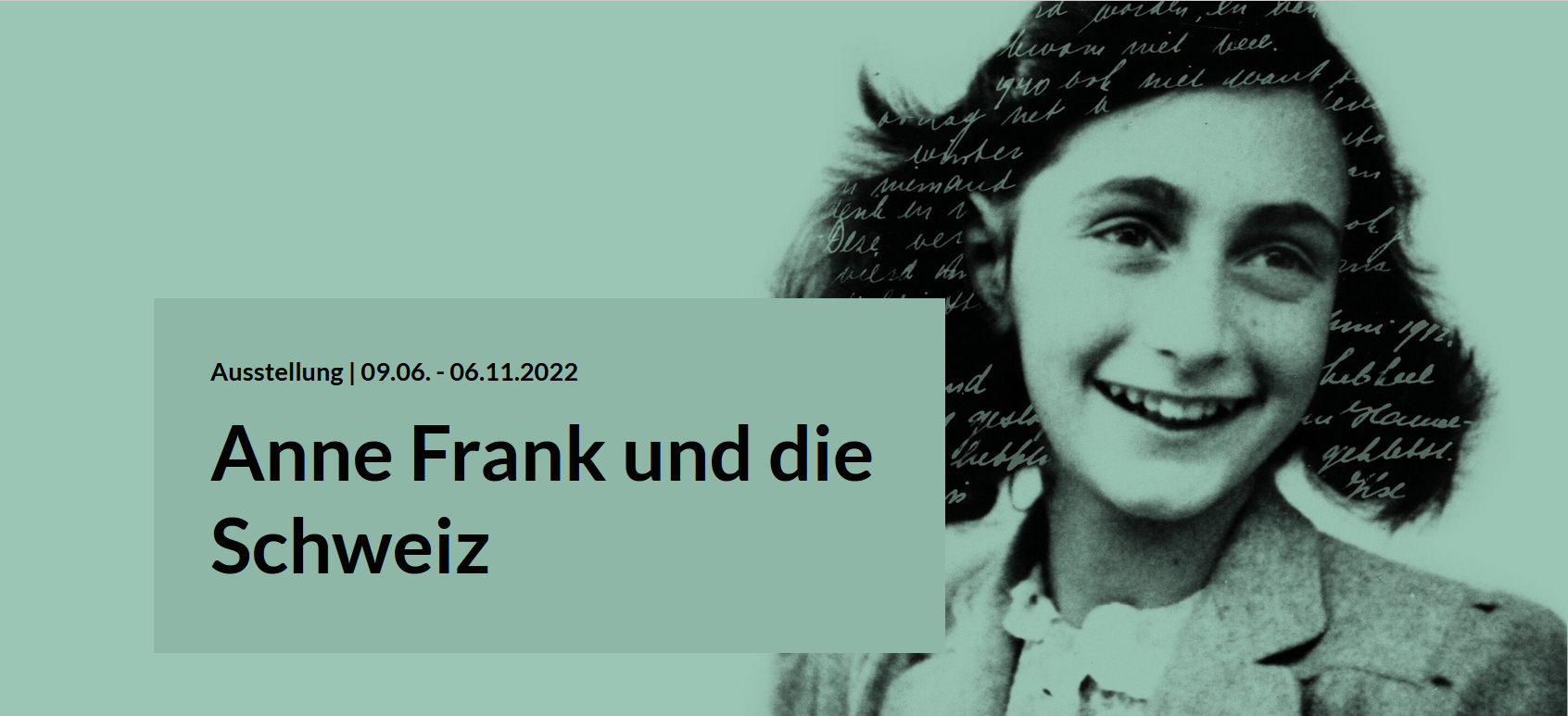
Das Tagebuch der Anne Frank ist weltberühmt. Weniger bekannt ist, dass die globale Verbreitung grösstenteils aus der Schweiz erfolgte. Während Anne, ihre Schwester und ihre Mutter im Konzentrationslager ermordet wurden, überlebte Annes Vater als Einziger der Familie den Holocaust. Otto Frank zog in den 1950er-Jahren zu seiner Schwester nach Basel. Von dort machte er es sich zur Aufgabe, die Aufzeichnungen seiner Tochter in die Welt zu tragen und ihre Botschaft für Menschlichkeit und Toleranz für die kommenden Generationen zu erhalten.
Umstrittener Literat und gefeierter Volksheld: Der palästinensische Schriftsteller Ghassan Kanafani Ein Radio-Feature im Deutschlandfunk Kultur von Anne Françoise Weber
Er gilt als einer der bedeutendsten arabischen Schriftsteller – und wurde am 8. Juli vor 50 Jahren wegen seiner politischen Aktivitäten ermordet.
Seine Novellen bewegen bis heute eine große Leserschaft, seine Äußerungen als Sprecher der linksextremistischen PFLP, der Volksfront zur Befreiung Palästinas, gingen um die Welt. Ghassan Kanafani gilt als einer der wichtigsten arabischen Schriftsteller – und zugleich verkörperte er das, was er den palästinensischen Befreiungskampf nannte. Vor 50 Jahren, am 8. Juli 1972, wurde er durch eine Autobombe in Beirut ermordet. In einer seiner berühmtesten Kurzgeschichten, „Rückkehr nach Haifa“ beschreibt Kanafani, wie palästinensische Flüchtlinge ihr früheres Haus in der israelischen Küstenstadt aufsuchen. Sie treffen dort auf polnische Einwanderer, die nicht nur das Haus übernommen, sondern auch den bei der Flucht zurückgelassenen Sohn adoptiert haben. Auch israelische Theater haben das Stück inszeniert. Doch ein Denkmal in Kanafanis Geburtsstadt Akko wurde schnell wieder abgebaut – Kritiker sehen in ihm einen Terroristen.
Yazan Khaliliim Gespräch mit Hanno Hauenstein von der Berliner Zeitung
[Berliner Zeitung] „Vor wenigen Wochen ist die unsachliche Debatte um vermeintlichen Antisemitismus in den Reihen der Documenta eskaliert. Ende Mai wurde der Ausstellungsraum des Kollektivsin Kassel mit Graffiti beschmiert. Der Akt des Vandalismus richtet sich offenbar gezielt gegen das palästinensische Kollektiv. Die Zahl „187“ und der Name „Peralta“ wurden dabei auf mehrere Wände gesprüht. Wandoberflächen wurden mit einem Feuerlöscher beschädigt.
The Question of Funding war in den vergangenen Monaten auf einem obskuren Online-Blog in die Kritik geraten, Antisemitismus nahezustehen. Die Kritik wurde weitestgehend unkritisch von deutschsprachigen Mainstream-Medien wie Zeit und Welt übernommen. Wir sprachen anlässlich der Eröffnung der Documenta mit einem prominenten Vertreter des palästinensischen Kollektivs, Yazan Khalili.“
Jede Woche treffen sich jüdische, christliche und muslimische Jugendliche, um gemeinsam zu singen. Und das mitten in einer Stadt, in der Israelis und Palästinenser oft Konflikte austragen.
Aus Jerusalem berichtet Anja Koch auf der Plattform Qantara.
Humboldt-Universität legt Publikation zu ihrem Umgang mit dem nationalsozialistischen ‚Generalplan Ost‘ vor
Die Geschichte der Friedrich-Wilhelms-Universität und späteren Humboldt-Universität zu Berlin (HU) ist eng verwoben mit Zeiten des Aufbruchs, der Freiheit, der Innovation. Aber auch Hörigkeit gegenüber staatlicher Macht und Verstrickung in Unrecht, Rassismus, Antisemitismus und Kriegsverbrechen prägen die Geschichte der Humboldt-Universität.
Dazu gehört auch die wissenschaftliche Begründung und Herleitung für den sogenannten „Generalplan Ost“. Zwischen 1940 und 1943 ließ Reichsführer SS Heinrich Himmler insgesamt fünf Varianten zur gewaltsamen Umgestaltung Osteuropas durch Wissenschaftler:innen der damaligen Berliner Universität entwerfen. Zusammen bildeten sie den Planungskomplex „Generalplan Ost“. Schlüsselfigur dieser Planungen war der Nationalsozialist, Agrarwissenschaftler und Professor an der Berliner Universität Konrad Meyer.
Enges Verhältnis zwischen Wissenschaft und Nationalsozialismus
Opferverbände, Politiker:innen, Aktivist:innen und Bürger:innen erwarten von der Humboldt-Universität zu Berlin seit langem einen genauen Blick auf den Umgang mit diesem Kriegsverbrechen. Im Auftrag des Präsidiums sowie der Historischen Kommission der HU hat der Geschichtswissenschaftler Dr. Sven Oliver Müller – der zu Themen der Gewalt im Ersten und Zweiten Weltkrieg forscht – nun eine Publikation zu den Hintergründen mit dem Titel „Wissenschaft plant Kriegsverbrechen. Der Umgang der Humboldt-Universität zu Berlin mit dem nationalsozialistischen Generalplan Ost“ veröffentlicht.
Das Buch handelt von der Entstehung des „Generalplan Ost“ im Zweiten Weltkrieg und vom Umgang mit diesem Kriegsverbrechen nach 1945. Der massenmörderische Plan zielte auf die Besiedlung des von NS-Deutschland eroberten und besetzten Osteuropa. Die Arbeit von Sven Oliver Müller beleuchtet im Wesentlichen zwei Aspekte. Zum einen das enge Verhältnis von Wissenschaft und Nationalsozialismus im Zweiten Weltkrieg. Zum anderen richtet sich der Blick auf das Interesse der Akteure in der Wissenschaft nach dem Zweiten Weltkrieg (insbesondere der HU), sich der Verantwortung für dieses Kriegsverbrechen nicht stellen zu wollen.
Wichtige Ergebnisse sind:
1. Die Täter:innen des Massenmordes im Zweiten Weltkrieg waren nicht nur nationalsozialistische Politiker:innen oder Offiziere. Es waren auch viele renommierte Wissenschaftler:innen an der Friedrich-Wilhelms-Universität zu Berlin. Der Massenmord wurde auch deshalb möglich, weil Wissenschaftler:innen die Pläne dafür ausarbeiteten und sich persönlich daran beteiligten.
2. Mit Erfolg argumentierten Vertreter:innen der späteren Humboldt-Universität und ebenso die beteiligten Wissenschaftler:innen nach 1945, dass man die eigene Forschung zu trennen habe von dem Völkermord der Wehrmacht und ihrer Helfer:innen in Osteuropa. Die Wissenschaft sei doch politisch unbelastet. Ein großer Teil der Forscher:innen arbeitete auch in der Deutschen Demokratischen Republik (DDR) weiter, andere setzten in der Bundesrepublik Deutschland (BRD) ihre Karriere fort. Ab den frühen 1950er Jahren gab es in der DDR wie in der BRD kaum noch Prozesse gegen Kriegsverbrecher:innen. Hier unterscheidet sich die HU kaum von anderen Universitäten in Deutschland.
3. Die Universität als Institution schützte sich schließlich nicht mehr durch ihr Schweigen. Im Jahr 2002, also 60 Jahre nach der Übergabe des „Generalplan Ost“ an Heinrich Himmler, gab es zwei öffentliche Stellungnahmen. Zum einen vom Dekan der Landwirtschaftlich-Gärtnerischen Fakultät (Prof. Dr. Jens-Uwe Nagel) und zum anderen vom Präsidenten der Universität selbst (Prof. Dr. Jürgen Mlynek). Beide betonten die Mitschuld und die Verantwortung der eigenen Institution und ihrer Mitglieder für die Beteiligung am Vernichtungskrieg des Deutschen Reiches. Bereits Ende 2001 gab es dazu Initiativen von Studierenden der HU.
4. Ziel der Publikation ist es, die Debatte darüber nicht zu einem Abschluss zu bringen, sondern intensiv fortzuführen. Der Autor Sven Oliver Müller schlägt vor, dass die HU – unterstützt von der Forschung, aber auch vom Staat und Opferverbänden – die Chance nutzt, mehr über dieses Kriegsverbrechen zu verstehen, um der Gegenwart zu nützen. So fehlt bis heute eine Biografie über den Haupttäter Prof. Dr. Konrad Meyer und ebenso eine vergleichende Forschung, die den Umgang der HU mit NS-Verbrechen zu der Vergangenheitsaufarbeitung anderer deutscher Universitäten ins Verhältnis setzt.
Die ehemalige Präsidentin der Humboldt-Universität Prof. Dr.-Ing. Dr. Sabine Kunst stellte in ihrer Amtszeit die Weichen für eine eingehende Untersuchung über die Rolle der HU beim „Generalplan Ost“ – und zwar über die Zäsur 1945 hinaus. Hintergrund war, dass die Nachfragen zur Aufarbeitung aus dem öffentlichen und politischen Raum nicht abbrachen.
Manches ist nun durch die Publikation bekannt geworden. Gleichzeitig aber sind die Wissenslücken gewaltig und die Art und Weise des Verschweigens der Forscher:innen nach 1945 wird erst im Ansatz erkennbar.
„Die vorliegende Veröffentlichung liefert einen wichtigen Beitrag zum Umgang der Humboldt-Universität mit dem Thema nach 1945“, sagt Prof. Dr. Peter Frensch, kommissarischer Präsident der HU. „Unser Selbstverständnis als HU wird erst wirklich lebendig und aufrichtig, wenn es auch die ehrliche Auseinandersetzung mit den dunklen Zeiten einschließt. Die Aufarbeitung des Umgangs der Humboldt-Universität mit dem „Generalplan Ost“ verstehen wir aber nicht nur als Blick zurück. Es geht auch um einen Blick nach vorn. Es geht darum, wie wir unserer Verantwortung künftig gerecht werden wollen und uns glaubwürdig gegen Antisemitismus, Rassismus, Krieg und Verbrechen gegen die Menschlichkeit positionieren können.“
Blick auf die Opfer in Mittel- und Osteuropa richten
Eine wichtige Aufgabe der heutigen Gesellschaft ist es, in dieser Gewaltgeschichte die Täter:innen, den Blick auf die Opfer in Mittel- und Osteuropa und schließlich die Vernetzung zwischen Wissenschaft und Politik genau zu analysieren. Angesichts der Zunahme an radikalen politischen Bewegungen, an Rassismus und Antisemitismus in Deutschland sollten Grundlagen und Auswirkungen des „Generalplan Ost“ deutlicher als bislang erkannt werden.
Wissenschaftliche Visionen, rassistische Bevölkerungspolitik, wirtschaftliche Ausbeutung und Massenmord griffen beim „Generalplan Ost“ ineinander. Ziel war die Schaffung einer deutschen Agrargesellschaft in Polen, in weiten Teilen der damaligen Sowjetunion und im Baltikum. Deutschen Siedler:innen sollte ein neuer „Lebensraum“ erschlossen werden, indem man die Gebiete der slawischen Bevölkerung kolonisierte und die Menschen dort zur Arbeit zwang, deportierte oder ermordete.
Weitere Informationen:
Ein Podiumsgespräch an der HU mit Historiker:innen, die zum „Generalplan Ost“ geforscht haben, beleuchtete am 15. Juni 2022 einige Aspekte von dessen Entstehung und Wirkung. Prof. Dr. Isabel Heinemann hielt einen Vortrag und Prof. Dr. Michael Wildt leitete die Diskussion zwischen Prof. Dr. Gabriele Metzler, Dr. Jörg Morré und PD Dr. Sven Oliver Müller. Diskutiert wurde, warum und auf welche Art und Weise herausragende Experten in Berlin ihr Wissen, ihre Fähigkeiten und die Infrastruktur der Universität nutzten, um einen Völkermord in Osteuropa zu planen.
Notwendig ist der Blick auf den Umgang mit diesem Kriegsverbrechen an der Humboldt-Universität zu Berlin nach dem Zweiten Weltkrieg. Es geht dabei auch um den Wissenschaftsbetrieb in der Deutschen Demokratischen Republik wie in der Bundesrepublik Deutschland. Dabei wurde auch das neue Buch von PD Dr. Sven Müller zu diesem Thema vorgestellt.