Ofer Zalzberg highlighted the role of the Temple Mount/Haram al-Sharif as the symbolic core and main political driver of the recent escalation and described ways that the United States and others can address this, especially by including religious worldviews. He argued among other things that this can be helped by a gradual, low-profile U.S. policy, with an envoy assuring deep inclusivity (especially of non-liberal religious constituencies). And I explained that this is vital because effectively addressing the the Israeli-Palestinian conflict requires pursuit of a hybrid political order, such as a negotiated agreement drawing on traditional resources like religious rulings.
The panelists:
Ofer Zalzberg, Middle East Program Director at Herbert Kelman Institute for Interactive Conflict Transformation Ghaith Al Omari, former Palestinian Authority adviser; Senior Fellow, Washington Institute for Near East Policy Ezzedine C. Fishere, former Egyptian diplomat; Senior Lecturer, Dartmouth College Brian Katulis, Senior Fellow, Center for American Progress Mara Rudman, Executive Vice President for Policy, Center for American Progress; former U.S. Deputy Envoy for Middle East Peace
Auch wenn die Waffenruhe zwischen Hamas und Israel zu halten scheint und die bürgerkriegsartigen Zustände in Israel schwächer werden, ist die Unsicherheit über die nahe Zukunft greifbar. Während die israelische Grenzpolizei mit ihrer „Law and Order“ Offensive versucht, Stärke zu zeigen, feiert die Hamas sich selbst als Siegerin der letzten Gewalteskalation und präsentiert sich als potenzielle Alternative zur schweigenden Fatah.
Die eigentlichen Opfer und Verlierer sind die zahlreichen Zivilisten, die unter dem Krieg und den Ausschreitungen leiden mußten, ohne eine Antwort auf die Frage nach dem danach zu haben: Karim el-Gawhary für die taz
und jenseits der Raketen – gibt es auch ein Gaza voller Menschen.
In der israelischen Tageszeitung Haaretz fragt Noa Landau danach, was von Gaza in Israel ankommt, wenn es keinen Raketenbeschuß gibt.
„This is exactly the problem: During the days when no missiles are being fired from Gaza, and specifically on Tel Aviv, the vast majority of Israelis, including the Zionist left such as [Labour head] Michaeli, is convinced that everything is wonderful. The Gazans may be very poor and frustrated, but that is only because of Hamas. After all, we left there during the disengagement, even Michaeli agrees, so what do they want? …
What exactly is the basic humanitarian level? Did anyone provide details? Is food or the possibility of transferring the sick not included in this category? In spite of statements by the defense establishment Monday morning, made after international pressure, that Israel would allow the movement of UN medical equipment and entry of aid workers and journalists, as of this article’s writing organizations such as Physicians for Human Rights were still forbidden to bring medical equipment into Gaza.
The declarations and briefings are clear: Israel has decided, once again, to apply collective punishment to Gaza. This is in response to a campaign of the families of the fallen and missing. As of now, it is not clear what exactly can enter under our grace and what can’t. Once again two million people are captives. And when the situation blows up again, Michaeli, along with the rest of Israelis, will raise an eyebrow and say: But Israel is no longer there.“
Karin Leukefeld bringt einen ausführlichen Bericht von der gestrigen Tagung des Sicherheitsrates der Vereinten Nationen; die Sitzung wird am 18. Mai 2021 fortgesetzt.
Die Brutalität der Auseinandersetzung macht den/die Beobachter:in sprachlos, schockiert und nach Worten suchend. Mit militärischen Mitteln wird dieser Konflikt erneut brachial ausgetragen; aber mit diesen Mitteln ist der Konflikt seit mehr als hundert Jahren nicht zu regeln geschweige denn zu lösen gewesen. Also warum diese erneute Eskalation ? Und wieder fragen wir: Wem nützt die Ermordung von Menschen in diesem asymmetrischen Krieg? Die International Crisis Group faßt die Ereignisse der letzten Tage noch einmal zusammen.
Obwohl man:frau meinen könnte, zum Konflikt sei doch schon alles gesagt, die Entwicklungen gehen weiter und die Konfliktlage und ihre Akeure Akteure verändern sich.
Was sich nicht verändert, ist die Einsciht, daß sich die europäische Politik endlich einmal zu konsequentem und glaubwürdigen Handeln jenseits des Scheckbuches verstehen müßte.
Hier ide aktuelle Einschätzung von Hannes Alpen, der das Büro der Friedrich Ebert-Stiftung in Ost-Jerusalem leitet.
Und der der Protest gegen die Politik von Hamas und Jihad nichts vor Moscheen
Jüdinnen und Juden dürfen sich in Deutschland nicht fürchten müssen, in diesem Land nicht und in keinem anderen. Ein Satz im übrigen, der auch für andere Religionen gilt, ganz selbstverständlich.
Die neue Runde der Gewalt, der neue Zyklus von Gewalt und Gegengewalt, macht auch (unvergleichbar zu dem, was in Israel und Palästina geschieht) vor unserer Gesellschaft nicht halt, Dämonisierung und Polarisierung allenthalben.
Und doch ist klar, auch wenn diese Gewalt endet, braucht die Region eine Regelung, bei der alle, alle Einzelnen und alle Gruppen, ein Mindestmaß an Gerechtigkeit erfahren. Es gilt dennoch nicht Moral zu predigen aus dem sicheren Europa heraus, aber es gilt auch nicht zu schweigen von Besatzung und Entrechtung. Die Sicherheit und das Wohlergehen beider Völker bedingen einander, die Sicherheit des einen gibt es nicht auf Kosten der Sicherheit des anderen.
Am Tag danach wird der Konflikt nicht gelöst, aber eine Regelung wieder noch schwieriger geworden sein. Und sie darf nicht in den Händen derer liegen, die von den Eskalationen profitieren!
Sind die Bedingungen im Gazastreifen ohnehin schon menschenunwürdig, so erschwerten neben den Pandemiemaßnahmen und der seit 14 Jahren anhaltenden Blockade die Winterwetterbedingungen das Leben der Menschen im Gazastreifen noch mehr in Richtung Desaster.
OCHA, das Büro der Vereinten Nationen die Humanitäre Hilfe hat für 2021 den neuen Jahresplan (Hier online zu lesen oder als PDF herunterladbar) vorgelegt und auf die große Bedürftigkeit in den palästinensischen Gebieten hingewiesen:
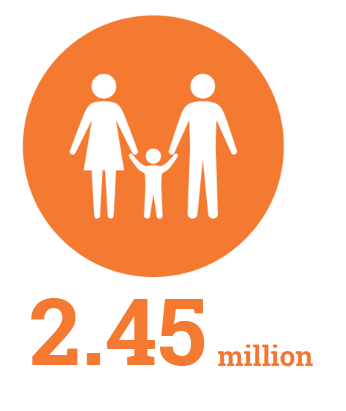
The humanitarian community has identified 2.45 million Palestinians as being in need for support
***************************
346,000 Palestinians pushed from moderate to severe need of assistance
US-$ 417 million plan to address humanitarian needs of Palestinians launched
Joint Press Release – 15 December 2020
Today, the Prime Minister of the State of Palestine, H.E. Dr. Mohammad Shtayyeh, and the Humanitarian Coordinator a.i., Ms. Lucia Elmi, launched the Humanitarian Response Plan (HRP) to help 1.8 vulnerable people in the occupied Palestinian territory (oPt) in 2021. The launch was broadcasted on social media, where speakers responded to questions from the public. “This international aid plan will complement efforts by the State of Palestine to help Palestinians in need where our reach is more limited,” said the Prime Minister. “The most vulnerable Palestinians must be supported, whether they are in Gaza, Jerusalem, Area C or elsewhere. This plan will allow us to link immediate humanitarian aid with sustainable development endeavours and efforts to overcome impediments over the long-term.” “The impact of prolonged military rule, access restrictions, internal divisions, and insufficient respect for Palestinians’ rights as enshrined in international law, is now compounded by COVID-19,” said Ms. Elmi. “While lasting solutions are being sought, we count on donors and partners to help us be there for those who need us the most in order to live with dignity.” More than 200 organizations and partners, including local and international organizations, as well UN entities, have come together to formulate the plan, which consists of 186 humanitarian projects. The latest humanitarian needs assessment found that 2.45 million Palestinians, 47 per cent of the population, need aid. The 2021 HRP targets 1.8 million of them, who have been identified as the most vulnerable. This past year has seen the unique realities of the COVID-19 crisis, its socio-economic impact and the temporary suspension of coordination between the parties. About 346,000 Palestinians, who had been identified as having moderate needs, are now assessed to be in severe need. Seventy per cent of the funds required to implement the plan will target Gaza, where the situation remains fragile: its 2 million inhabitants are effectively isolated from the rest of the oPt and the world, and exposed to recurrent escalations of hostilities, a chronic electricity deficit, and shortages in specialized medical staff, drugs and equipment. In the West Bank, including East Jerusalem, settlement expansion, settler violence, access restrictions, the demolition of homes and other structures and evictions of families have continued or even increased during 2020, intensifying the coercive environment that places pressure on Palestinians to leave their communities.