Shira Efron und Michael J. Koplow in einem Beitrag für Foreign Affairs, klingt (leider) ein wenig wie das Pfeifen im Wald …

Shira Efron und Michael J. Koplow in einem Beitrag für Foreign Affairs, klingt (leider) ein wenig wie das Pfeifen im Wald …
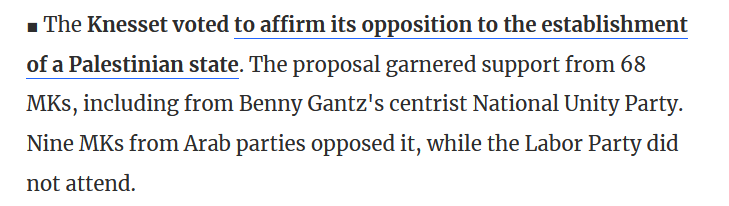
Die Einen beschliessen in der Knesset eine Resolution gegen „einen palästinensischen Staat“ (der eine Gefahr für die Sicherheit Israels sei) und NUR die arabischen Parteien, ja, nur die arabischen Parteien stimmen dagegen – und auf der anderen Seite müssen die Friedensgruppen vor dem Obersten Gericht ihre Demonstration gegen den Verbotsversuche seitens des Minsters Ben Gvir erstreiten – wohin steuert dieses Land?
Haaretz, 18. Juli 2024:
Aus dem Mailing von Standing Together (18. Juli 2024)


“I C AN’T ERASE ALL THE BLOOD FROM MY MIND”
(Englischer) Bericht von HRW über den
„Palestinian Armed Groups’ October 7 Assault on Israel“
PDF zum Herunterladen

‚Deutschland verwechselt Israels faschistische Regierung mit seinen Bürger.innen‚
Hanno Hauenstein für den Freitag im Gespräch mit der palästinensischen Knesset-Abgeordneten Aida Touma-Suleiman (Hadash-Partei); sie ist eine führende Kritikerin des Gaza-Krieges und berichtet von der Unterdrückung unter Benjamin Netanjahu – und denkt über eine Zukunft Palästinas nach

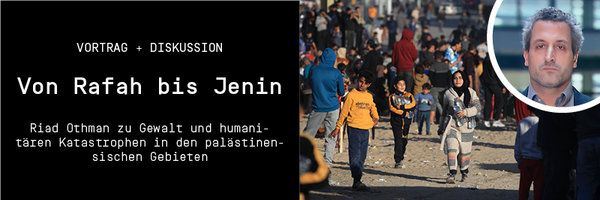
Gewalt und humanitäre Katastrophe in den palästinensischen Gebieten
Medico International | Online | Dienstag, 16. Juli 2024 | 18 Uhr | Online
Seit dem besonders unter israelischen Zivilist*innen opferreichen Angriff der Hamas vom 7. Oktober 2023 begann ein verheerender Krieg in dem seit Jahrzehnten abgeriegelten Gaza-Streifen. Systematische Angriffe auf zivile Ziele, die Vorenthaltung humanitärer Hilfe, die gezielte Zerstörung der Lebensgrundlagen der Bevölkerung und zahlreiche Attacken gegen Gesundheitseinrichtungen gehören zu den Waffen dieses Krieges mit zigtausenden Opfern. Angesichts dieser humanitären Katastrophe bleiben die politischen Reaktionen internationaler Verbündeter Israels, wie der USA und Deutschlands, verhalten. Unterdessen eskalieren auch im Westjordanland die Vertreibung palästinensischer Gemeinden und die militärische Gewalt.
Riad Othman berichtet als Nahost-Referent von medico international über die Situation vor Ort in Gaza und der Westbank. Im Anschluß besteht die Möglichkeit Fragen zu stellen und miteinander ins Gespräch zu kommen.
Anmeldung: https://eveeno.com/324034212
Angemeldete erhalten vor dem Event per eMail einen Web-link.
… Inequality, Mourn Significant War Loses
On July 2, a tree-planting ceremony at Ahihud Forest in northern Israel commemorated nine Druze soldiers who died in the Iron Swords war.
Ein Beitrag auf „Themedialine.org – Trusted Mideast News“


The army announced July, 7, 2024 that another Druze soldier, Maj. Jalaa Ibrahem, a company commander in the 601st Combat Engineering Battalion, was killed in the line of duty in the Gaza Strip.
For the Druze community, loyalty to the state they reside in is a religious commitment, often manifested through military and police service. The Druze, along with the Circassian community, have a long-standing history of military service in Israel, a tradition of loyalty that many feel is not reciprocated by the government in civil matters such as housing, planning, and community development.
Systemic issues like the Kaminitz Law and the nation-state law, which are seen as discriminatory, along with restrictive building regulations and less governmental financial support compared to Jewish communities, impact the ability of the Druze to expand and develop. Amid a backdrop of demonstrations countrywide from multiple societal fronts, the Druze are protesting to address the inequalities they face as a response to being treated differently regarding rights compared to their service obligations.
The protests, including a significant gathering in Jerusalem, aim to highlight these discrepancies and push for a change that aligns the community’s civil treatment with their contributions to national security. To learn more, read Giorgia Valente’s latest for The Media Line, which highlights the Druze community’s sense of dual identity: treated like Jews in terms of national service but like Arabs in terms of civil rights.
Erklärung: Just war? Justice and Peace Commission of the Holy Land (30. Juni 2024)
Aus der aktuellen Erklärung (PDF) hier zwei Zitate:
“As Catholics in the Holy Land, who share .. (the) vision for a peaceful world, we are outraged that political actors in Israel and abroad are mobilizing the theory of “just war” in order to perpetuate and legitimate the ongoing war in Gaza. … Though we are a small community in the Holy Land as Catholics we are an integral part of this land’s identity. We wish to make it clear that we, and our theological tradition, must not be used in order to justify this violence. The witness that we bring is not one of war, but one of transformational love, one of freedom and equality, one of justice and peace, one of dialogue and reconciliation”.
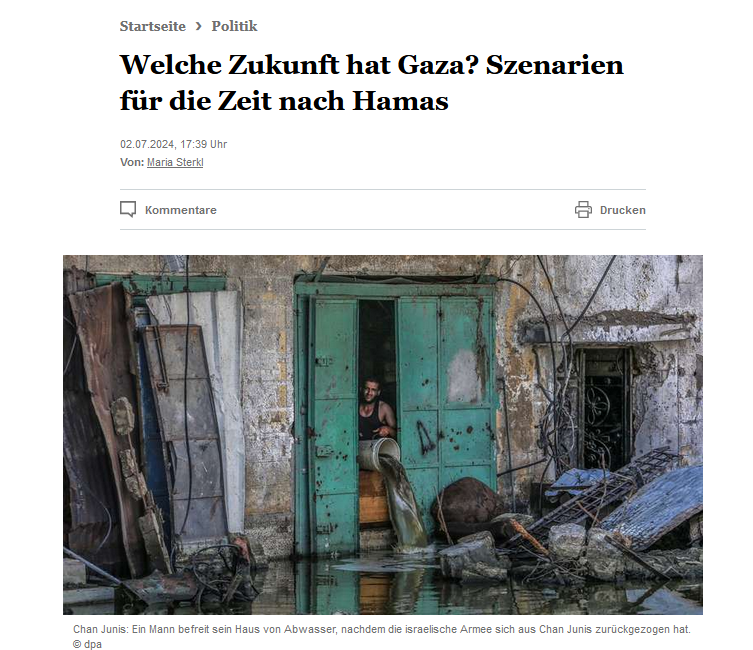
In der Frankfurter Rundschau finden sich ein Interview, daß Maria Sterkl mit der Juristin Netta Barak-Corren und dem Militärhistoriker Danny Orbach geführt hat, beide sind Autor:innen eines Stragegiepapiers, das in Israel seit einiger Zeit diskutiert wird („Von einem Mörder-Regime zu einer gemäßigten Gesellschaft: Die Transformation und Rehabilitation von Gaza in der Post-Hamas-Ära“)
Hier ein Zitat aus dem Papier, dessen Duktus israelische Interessen reflektiert und aus historischen Erfahrungen (und Fehlern) lernen will …
Wann würden Sie den Übergang in Gaza als geglückt bezeichnen – wenn es dort Demokratie gibt?
Orbach: Nein, es wäre bevormundend und kontraproduktiv, wenn wir Gaza ein demokratisches System aufzwingen wollten. Das ist eine Sache der Menschen in Gaza. Unser Erfolgsmaßstab ist, dass es gelingt, eine Art Kontinuität aufzubauen – ein Modell eines Sunni-Staates, der konservativ ist, aber nicht jihadistisch, ähnlich wie in den Emiraten. Wir sollten nicht anstreben, dass die Menschen in Gaza ein israelisches Narrativ übernehmen. Sie sind Palästinenser und werden auch weiterhin die Nakba als ihr bestimmendes Ereignis sehen. Sie werden weiterhin Zionismus verachten und Jassir Arafat verehren. Das macht mich nicht glücklich, aber das ist die Realität. Die Hauptsache ist, dass sie sich für Koexistenz einsetzen. Welches Narrativ sie dabei anleitet, das sollen und können wir nicht kontrollieren.

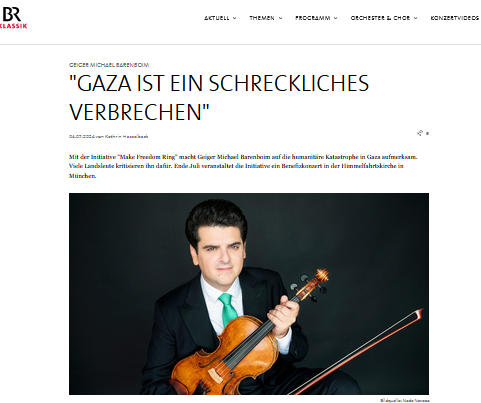
Mit der Initiative „Make Freedom Ring“ macht Geiger Michael Barenboim auf die humanitäre Katastrophe in Gaza aufmerksam. Viele Landsleute kritisieren ihn dafür. Ende Juli veranstaltet die Initiative ein Benefizkonzert in der Himmelfahrtskirche in München – Ein Beitrag (Kathrin Hasselbeck) auf br-klassik.de
Israels Kampf gegen die Hamas und die Erfolgschancen für einen Nachkriegsplan
SWP-Podcast 2024/P 16 mit Muriel Asseburg und Peter Lintl