Kleine und große Geschichten von jenseits des Teiches
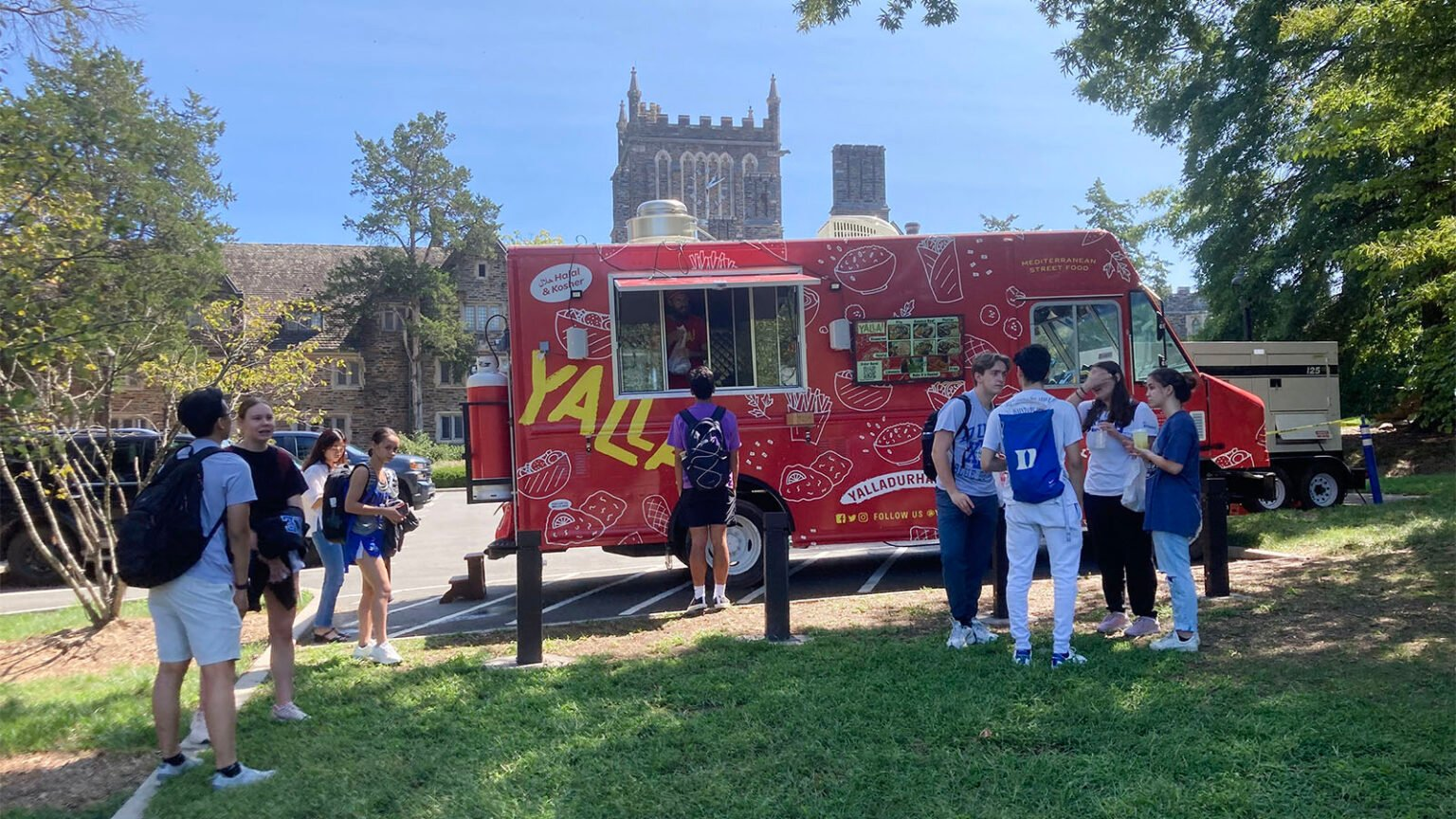
Yalla food truck at Duke University in Durham, North Carolina. RNS photo by Yonat Shimron
„We want to push Jewish and Muslim students to get together,” said Rabbi Nossen Fellig, a Chabad leader on campus who came up with the food truck concept alongside a Muslim colleague, Abdullah Antepli, a professor of the practice of interfaith relations. – On campuses nationwide, tensions around Israeli-Palestinian conflict are boiling over.“
Der Buchautor Dr. Alexander Konrad (Assoziierter Wissenschaftler am Leibniz-Zentrum für Zeithistorische Forschung Potsdam) im Gespräch mit Prof. Dr. Udo Steinbach (Leiter des MENA Study Centre der Maecenata Stiftung)
Moderation: Prof. Dr. Frank Bösch, Direktor des Leibniz-Zentrums für Zeithistorische Forschung Potsdam
Analog in der DAFG-Geschäftsstelle – Friedrichstraße 185, 10117 Berlin
Die Wahrnehmung des Islams in Deutschland hat Auswirkungen sowohl auf die außenpolitischen Beziehungen zur islamisch geprägten Welt als auch auf die innen- und gesellschaftspolitische Stellung der Musliminnen. Vor diesem Hintergrund stellt Autor Alexander Konrad sein Buch vor, das den Wandel der bundesdeutschen Wahrnehmungen von Musliminnen von den Siebzigerjahren bis zur Jahrtausendwende untersucht. In der anschließenden Diskussion sollen die Fäden seiner zentralen Aussagen in die Gegenwart fortgesponnen werden.
Aus organisatorischen Gründen ist eine Anmeldung (dafg@dafg.eu; Telephon: 030-2064 9413; Fax: 030-2064 8889 oder online) notwendig. Die analoge Teilnehmer:innenzahl ist begrenzt. Eine Anmeldebestätigung wird nicht versandt.
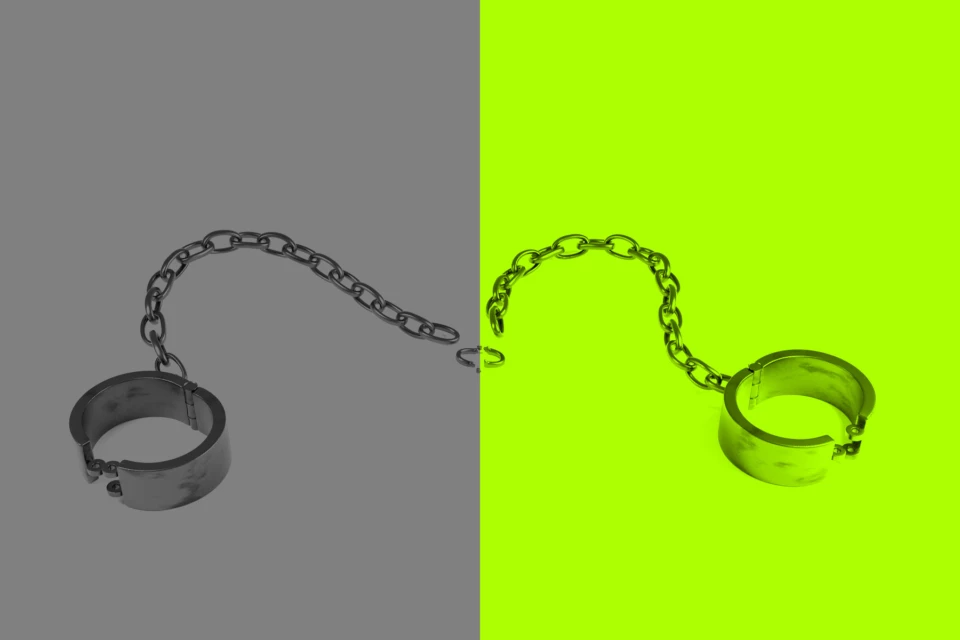
Eight artists representing a diversity of Jewish identities and artistic practices, the works on display pull from literature, opera, film, psychoanalysis, mythology, disability studies, and personal experience. They take history, real and imagined, to explore the rocky, recursive, and often disjointed path from breaking to recovery after trauma. Some artists engage with the moment of rupture, some interrogate the promise of reparation and repair, while others explore the shapes of the broken pieces.
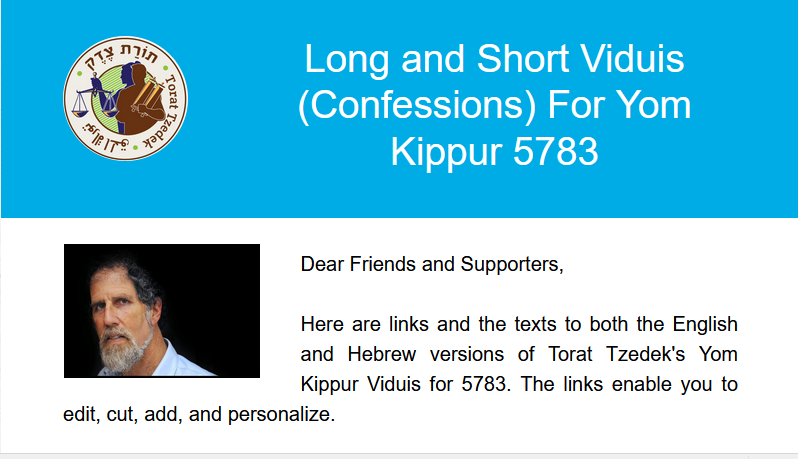
Introduction Here are this year’s versions of the “small” and “large” Yom Kippur viduim (Confessions of our sins) combining the traditional texts and our modern Israeli sins. Reciting these words may not feel like prayer because, like the traditional vidui, it is concrete and asks us to take individual responsibility for the collective sins of our society and our people. The traditional confessions were never meant to be just a collection of words that we thoughtlessly recite on Yom Kippur. They are burning words, intended to make us feel uncomfortable because they speak painful truths about our lives and our society and our people that we must confront if we are to truly engage in the kheshbon nefesh (soul searching) that is a primary task during this season. We can then engage in “teshuvah.” Often translated as “repentance,” it means to hear and answer the call of God and conscience, make an effort to turn and change, and return to our truest and highest selves individually and collectively. Just as the High Priest in ancient times had to recite his own vidui before saying a vidui for others, we need to look at our own sins before we recount the sins of others. One misses the point if one reads these modern versions in order to criticize those we don’t agree or identify with. The vidui is in the plural, because we say that, even if I have not personally committed these sins, my society has committed the sins recited in the traditional or the modern vidui, and I therefore share responsibility. This vidui is written for those who in some way identify with Israel, and include themselves in the Israeli “we” when you recite “For the sins we have committed…” If you are not a part of the Israeli “we,” you might want to construct a similar vidui looking at the societies and communities of which you are a part, and share responsibility for. For some the sin they must confess is always assuming the worst about Israel, while others must confess defending Israel, no matter what. If some of the lines do not feel to you like they apply to Israeli society, please try to drop your defenses, and think again. If you still don’t think something applies, we again hope that the Torat Tzedekvidui will challenge you to create your own. Please feel free to download our vidui, then cut and paste and add and subtract to create your own personal/societal vidui. The point is to challenge you to engage in khesbon nefesh (soul searching), not to silence or intimidate. It is also possible to only recite a limited number of these texts, and concentrate on them. In many cases the first line is from the traditional viduis, and there are notes after the vidui explaining which traditional sources many of the concepts are taken from. Most of us simply can’t be so self critical for most of the year. But, sometimes the power of the High Holy days allows us to do what we don’t manage to do at other times of the year. These viduis are not intended to be a delegitimization of ourselves, of our people, or our country. They are actually an expression of our deep faith in ourselves, our ability to return to the good that is our true selves, and our ability to improve our society. When we engage in kheshbon nefesh about ourselves and Israel on Yom Kippur, we can then celebrate our personal and Israeli assif rukhani (spiritual harvest) on Sukkot-our attributes and accomplishments that we are proud of as individuals and as a nation. The vidui and the assif go together.
Über das spannungsreiche Verhältnis von Anti-Antisemitismus und Postkolonialismus
Podiumsgespräch am 13. Oktober 2022, 19:00 Uhr in der Katholischen Akademie in Berlin
An der Diskussion nehmen teil:
Prof. Dr. Dan Diner, Profin. Drin. Christina von Braun, Prof. Dr. Gregor Maria Hoff Als Gastgeber Prof. Dr. Elad Lapidot.
Die Veranstaltung ist Teil des interreligiösen Dialogprojekts „Kohäsion durch Konflikt“.
Ort: Katholische Akademie in Berlin, Hannoversche Str. 5, 10115 Berlin
Die Leo Baeck Foundation (Berlin), die Eugen-Biser-Stiftung (München), der Lehrstuhl für Fundamentaltheologie und Ökumenische Theologie an der Paris-Lodron-Universität Salzburg und die Katholische Akademie bilden das Netzwerk Religion und Demokratie. Die vier Institutionen nehmen sich in dem über mehrere Jahre angelegten Projekt zentraler Konflikt- und Streitfelder im Verhältnis von Religion und Demokratie an. Theoretische Grundlegung, praktische Bildungs- und Dialogarbeit und öffentliche intellektuelle Debatte werden aufeinander bezogen, um Konfliktlinien des interreligiösen Gesprächs auszuleuchten.
Zeitgenössische Debatten zeigen eine wachsende Spannung zwischen dem theoretischen und politischen Kampf gegen Antisemitismus einerseits und dem theoretischen und politischen Diskurs des Postkolonialismus andererseits.
Positionspapier christlicher Intellektueller im Nahen Osten
Die Herderkorrespondenz weist in einem aktuellen Beitrag von Hilde Naurath auf den Text Wir wählen das Leben in Fülle. Christen im Vorderen Orient auf dem Weg zu erneuerten theologischen, sozialen und politischen Entscheidungen, hin, der auch als Kleiner Text 88 im AphorismA Verlag erschienen ist.
„In recent years, Jewish and Muslim holidays have become flashpoints for unrest in and around the Temple Mount/Haram a-Sharif (TM/HAS) often escalating into clashes and violence. The upcoming holidays also coincide with the weeks leading up to the Israeli national elections, which will likely spur right-wing politicians and activists affiliated with them to capitalize on the timing and take measures to further challenge the status quo on the TM/HAS. …“
….
„As such, these actions are laying the ground for what could devolve into a renewed crisis surrounding the Temple Mount/Haram al-Sharif. In order for such a crisis to be averted, Israeli authorities should be immediately called upon to take the following measures:
Cease all daily prayers and ritual activity by Jewish groups on the Holy Esplanade
Curb opportunities for Temple Movement activists to deliberately breach the Status Quo (i.e. limiting the size of groups of Jewish visitors to enable the police to effectively prevent violations and enforce compliance).
End the police’s close coordination with the Temple Movements. These extreme political activists should not be part of decision-making and management of the most sensitive Holy site and inarguably, the epicenter of the Israel-Palestinian conflict.
Rebuild a partnership with the Jordanian Waqf. Only such partnership can reduce Muslim concerns. The Waqf’s involvement can be crucial to avoid initial conflicts from escalating, yet after Israeli authorities have worked to undermine its authority, it is far more difficult for the Waqf to mitigate tensions.„
Written by Ir Amim Senior Field Researcher, Aviv Tatarsky
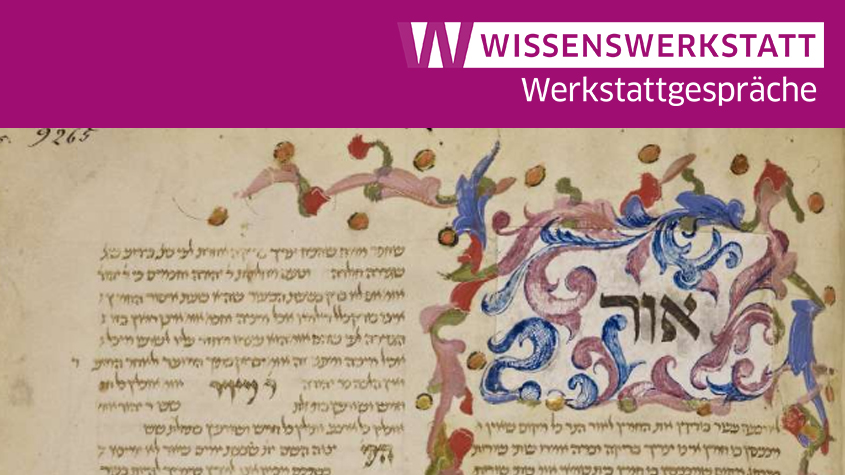
Die klassische Einteilung der Literaturforschung gilt auch für jüdische Schriften. Eine der Eigenschaften der Buchkultur ist es, dass es hinweisende Literatur gibt, die die Leser durchs Leben führt und seinen Blick weitet: Philosophie, Weisheitsliteratur, Ethik und Hermeneutik der früheren Werke (Kommentarliteratur). Einer der großen Schwerpunkte der Halacha ist die Beschäftigung mit dem Alltag und den Problemen, die aus dem alltäglichen Leben entstehen. Das Judentum beschäftigt sich intensiv mit rechtlichen Fragestellungen, weil es zu einer Änderung im inneren Leben der Gläubigen führen möchte. Als jüdische Besonderheit entsteht deshalb eine tiefe Verbindung zwischen Literatur und Recht in der größeren Perspektive, die die Literaturwissenschaft kennt. In diesem Vortrag werden die Grundzüge der Halacha, nämlich das jüdische Recht, erklärt. Einige Halacha-Handschriften der Staatsbibliothek werden vorgestellt, und es wird auf deren Besonderheiten eingegangen.