Wir freuen uns am Stand – und auch sonst – über alle Besucher:innen …


Genung zu finden gibt es ja …
diAk-SR Band 46 | Unbekümmert in den Abgrund
Wir freuen uns am Stand – und auch sonst – über alle Besucher:innen …
Genung zu finden gibt es ja …
diAk-SR Band 46 | Unbekümmert in den Abgrund
Über Brüche und Brücken – hebräische Sprache und ihre arabischen Kenner, vor und nach 1948
Ein Essay von Caroline Kahlenberg auf 972mag.com


Ein ausführlicher Bericht in der israelischen Tageszeitung Haaretz:
Online geht es hier „From Yad Vashem to Yasser Arafat’s Office“
Ein Beitrag von Omar Dajani und Mira Sucharov

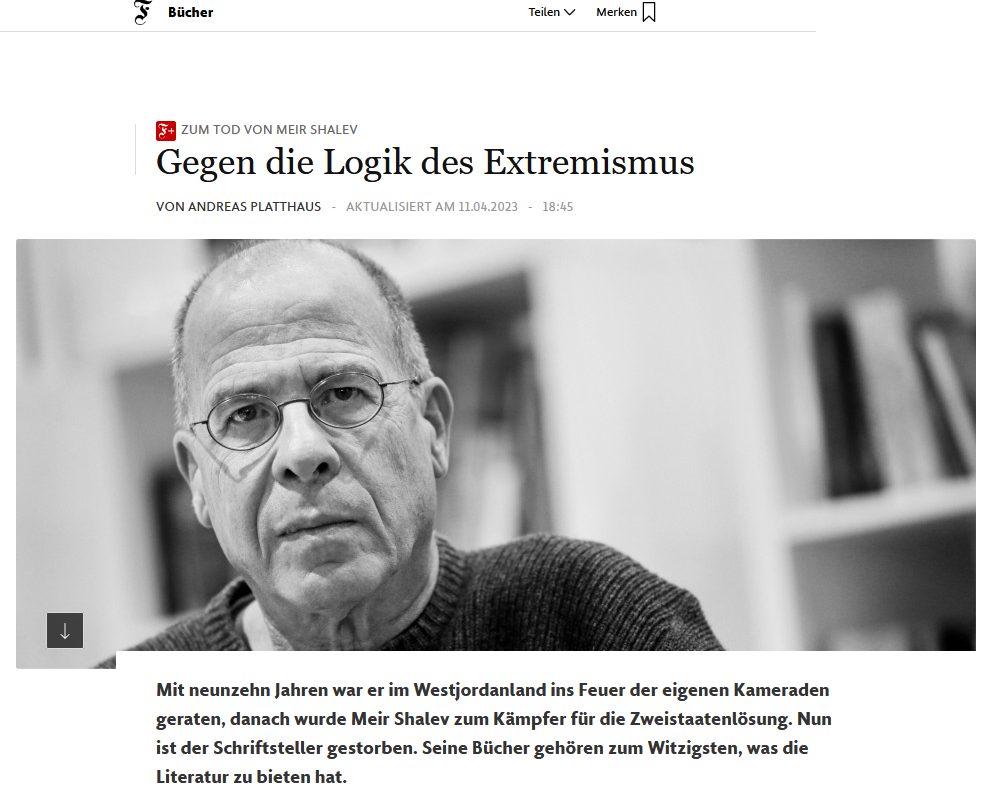
Ein großer israelischer Schriftsteller ist am 11. April gestorben, eine starke politische Stimme ist verstummt, ein politischer Mensch, ein homo politicus, der immer wieder den Abzug Israels aus dem Westjordanland gefordert hat.
Auf Deutsch sind unter anderem von ihm erschienen: Judiths Liebe, Meine russische Großmutter und ihr amerikanischer Staubsauger und Zwei Bärinnen.
Würdigung in der FAZ, in der Zeit, auf der Seite seines Verlages Diogenes
Der letzte noch überlebende Chefankläger der Nürnberger Kriegsverbrecherprozesse ist gestorben. Benjamin Ferencz starb am Freitag, 6. April in einer Betreuungseinrichtung in Florida.
Hier der Link zu einer Würdigung im Spiegel, hier auf der Seite des United States Holocaust Memorial Museum und auf Deutschlandfunk Kultur.

Angesichts von Justiznachrichten aus den USA mag man:frau sich in Europa – vielleicht nicht nur da – mancherorts die Augen reiben, was alles noch denkbar und sagbar scheint …
Auf der Seite des US-amerikanischen Forward findet sich dieser Beitrag von Mira Fox über die Gedankwelt der/von ‚Evangelikalen‘ – Endzeit um die Ecke ….

Wenn auch „nur“ eine Berliner Veranstaltung:
Der palästinensische Photograph und Künstler Steve Sabella im Gespräch: Decolonizing The Imagination

https://oyoun.de/Neue spannende Orte: Oyoun – Berlin-Neukölln

Der Reichstag stimmt für seine Selbstentmächtigung – 1933: Diktatur per Gesetz
Otto Wels sprícht im Namen der noch anwesenden Reichstagsabgeordneten des SPD gegen das sogenannte Ermächtigungsgesetz: Freiheit und Leben kann man uns nehmen, die Ehre nicht.
(Hier der Link zur Originaltonaufnahme)

Der wissenschaftliche Dienst des Deutschen Bundestages zu dieser Rede.
***
Lesehinweis (mit Online-Leseprobe): Prof. Dr. Philipp Austermann, Professor für Staats- und Europarecht am Zentralen Lehrbereich der Hochschule des Bundes für öffentliche Verwaltung, Brühl

Das am 23. März 1933 vom Reichstag beschlossene Ermächtigungsgesetz zog einen Schlussstrich unter die Weimarer Verfassung. Von den Nationalsozialisten selbst wurde es als wichtige Legitimationsgrundlage ihrer Herrschaft verstanden. Die Demokratie in Deutschland fand mit dem Gesetzesbeschluss ihr vorläufiges Ende.
Der Staatsrechtler Philipp Austermann, der die Geschichte und die Rechtsgrundlagen des deutschen Parlamentarismus seit Jahren erforscht, erklärt anlässlich des 90. Jahrestages des Gesetzes, warum und wie es zustande kam, ob es überhaupt legal war, welche verfassungsrechtlichen und politischen Folgen es hatte und welche Schlüsse nach 1945 daraus für das Grundgesetz gezogen wurden.
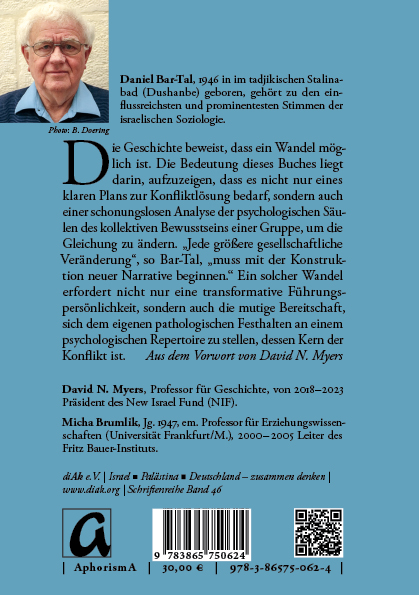
Unbekümmert in den Abgrund
Die Folgen von Konflikt und Besatzung für die jüdisch-israelische Gesellschaft
Mit einem Geleitwort von Micha Brumlik und einem Vorwort von David N. Myers
Ankündigung der Neuerscheinung:
Schriftenreihe des diAk – Band 46
Prof. em. Dr. Daniel Bar-Tal, Tel Aviv
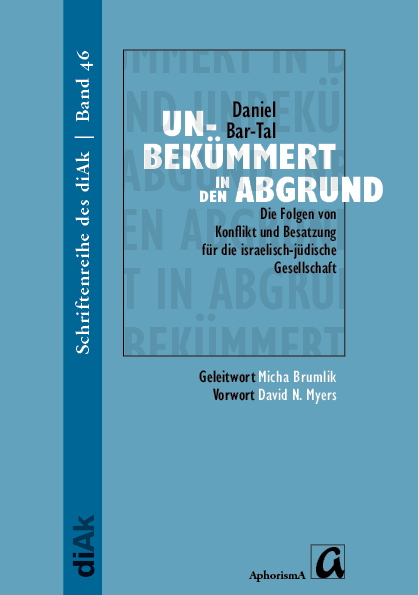
Erscheint zur Buchmesse in Leipzig, April 2023 – Erste Lesungen mit dem Autor in Heidelberg, Berlin und Leipzig sowie Hamburg.
Auch angesichts der Entwicklung(en) – die Hoffnung nicht aufgeben:
Combatants for Peace