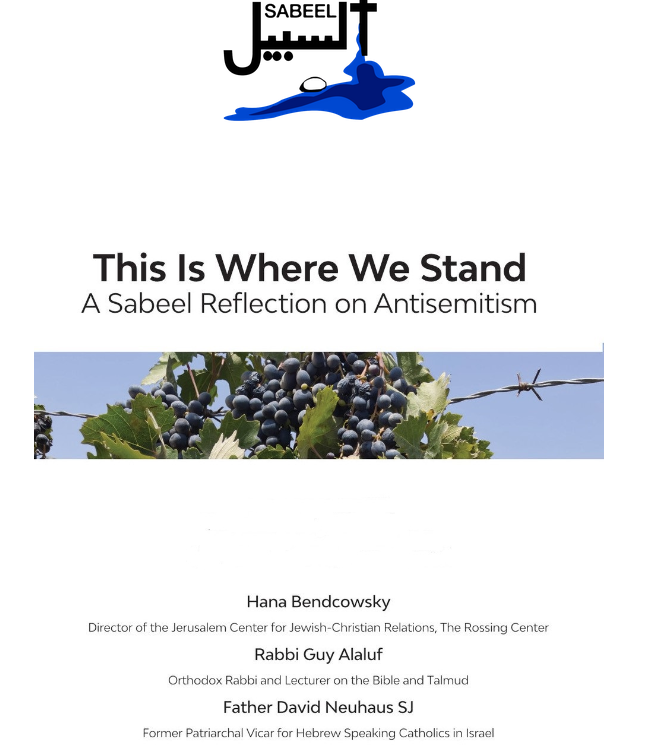
Am 19. April 2023 hat Sabeel, ein ökumenisches palästinensisches Zentum für Befreiungstheologie, das aus der anglikanischen Kirche heraus entstanden ist, online sein neues Buch vorgestellt, die Veranstaltung wurde aufgezeichnet und ist bei Youtube nachhörbar.
Eine deutsche Ausgabe diese Reflektionen, die das Ergebnis mehrjähriger Überlegungen sind, wird 2023 im AphorismA Verlag erscheinen.
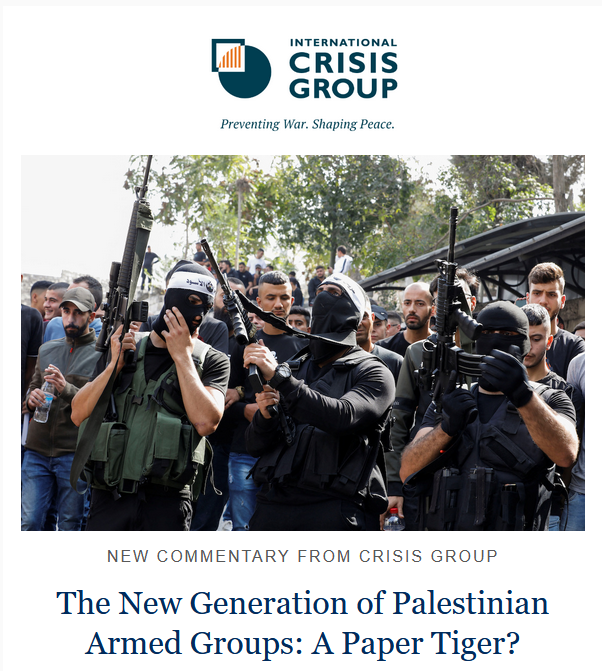
Immer wieder ist den letzten Monaten von den „Lions’ Den“ die Rede, von ‚kleinen Gruppen junger bewaffneter Aktivisten‘, besonders in der nördlichen Westbank, eine neu-alte Form des Widerstands?
Das neue Papier der International Crisis Group versucht eine Annäherung an das Phänomen, die sie selbst mit dem Tenor anstoßen:
„But both Israel and the Palestinian Authority have found reason to exaggerate the threat they pose to the status quo.“
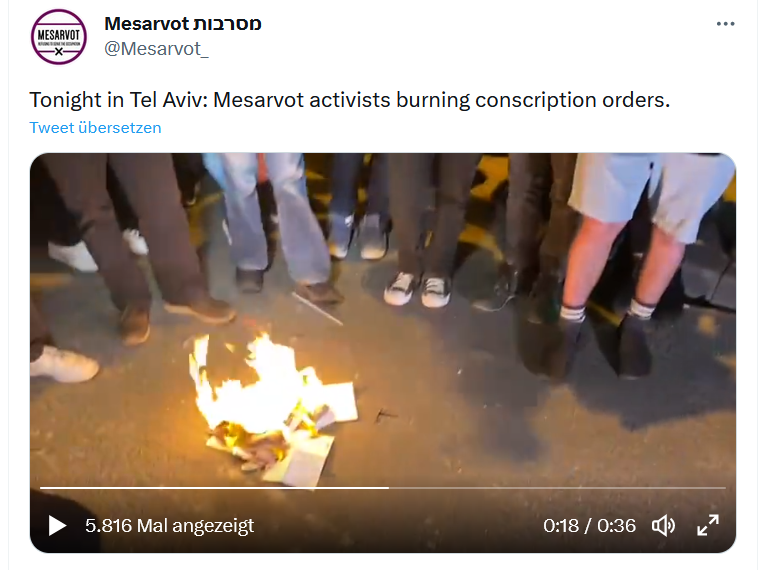
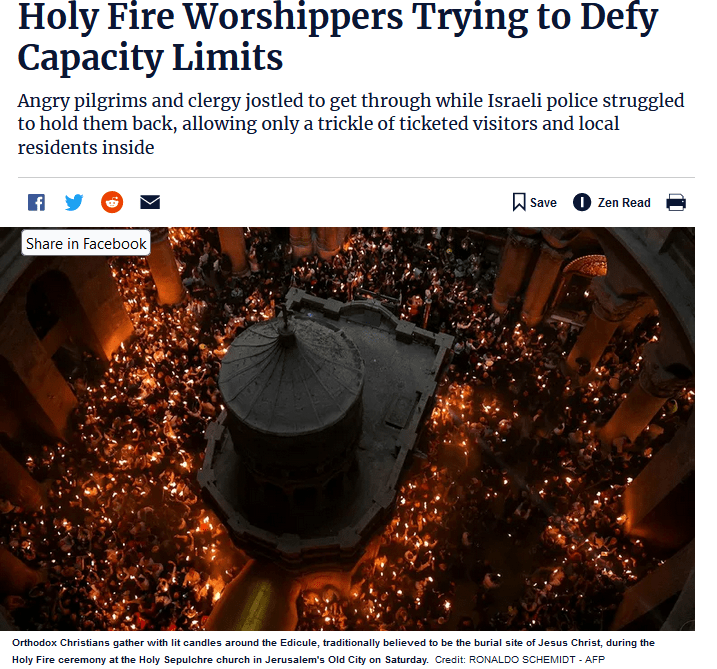
Ostern – orthodoxer Kalender – 2023 – Während in der Altstadt von Jerusalem die Gläubigen versuchen, die zahlenmäßigen Begrenzungen, die von der israelischen Besatzungmacht erlassen wurden, um Zeuge/Zeugin des Heiligen Feuers aus der Grabeskapelle in der Auferstehungskirche zu werden, zu durchbrechen (Ha’aretzbericht), verbrennen anderenorts junge (jüdische) Israelis ihre Einberufungsbescheide …
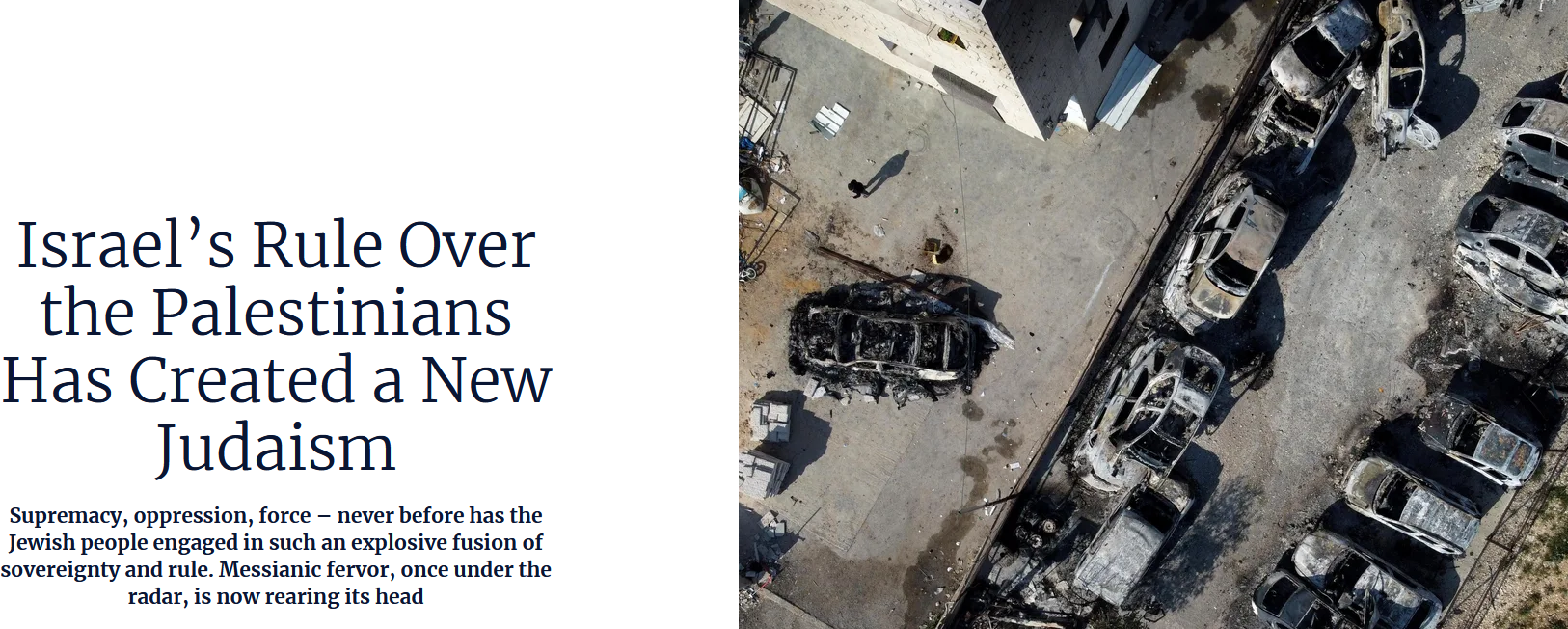
Ein Essay in Haaretz von Menachem Klein, emeretierter Professor der Politikwissenschaft an der Bar Ilan Universität
„There is no precedent in Jewish history for the existence of a Jewish state that constitutes a regional power and rules another people. Never before has the Jewish people possessed a combination like this of sovereignty, power and control, which are being exploited to oppress another people.“
„As long as Jewish nationalism is bound up with Judaism as a historic religion and people, equality and partnership of non-Jews in sovereignty cannot be seen as just a secular phenomenon involving a division of power and government. One could of course argue against the self-determination of the State of Israel as a Jewish state, and endeavor to divorce it completely from historic Judaism and from the ideology and practice of Jewish supremacy. Separation of that kind would create an Israeli nation in which all the citizens are equal – a far-reaching move that has failed in the past, in society and in the Supreme Court.“
Der letzte noch überlebende Chefankläger der Nürnberger Kriegsverbrecherprozesse ist gestorben. Benjamin Ferencz starb am Freitag, 6. April in einer Betreuungseinrichtung in Florida.
Hier der Link zu einer Würdigung im Spiegel, hier auf der Seite des United States Holocaust Memorial Museum und auf Deutschlandfunk Kultur.
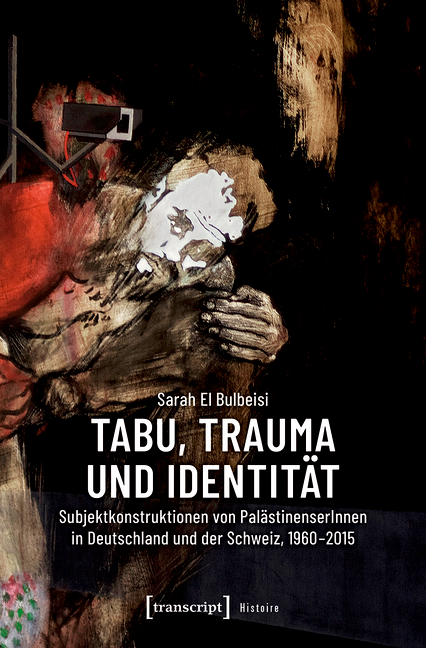
Palestinians in Germany and Switzerland, 1960-2015
8. Mai 2023 – Sarah El-Bulbeisi (Orient Institut Beirut) – Online Vortrag 16.00-18.00 Uhr (BerlinZeit)
Although the Nakba is closely intertwined with the history of National Socialism, to this day it is not only not remembered as part of European history, but it is excluded from European collective memory and public discourse, its commemoration is suppressed. In my book, I show how Palestinians in Germany and Switzerland have been dealing with the tabooisation of their experiences of violence. I show how this tabooisation shaped conceptions of the self and the world of different generations of Palestinians and the relationships between them.
Sarah El Bulbeisi is a postdoctoral research associate at the Orient-Institut Beirut (OIB) with a focus on postcolonial studies, gender studies and psychoanalysis. Before joining the OIB, she was a research associate at Ludwig-Maximilians-Universität (LMU) in Munich and coordinator of the DAAD Higher Education Dialogue “Violence, Forced Migration and Exile: Trauma in the Arab World and in Germany” between Palestinian and Lebanese universities as well as the LMU. She did her PhD at LMU Munich and her licentiate degree at the University of Zurich. Among her publications: Tabu, Trauma und Identität (Bielefeld (Transcript) 2020) and “Palestine in the Imagination of the Imperial German Self” (Jerusalem Quarterly, 82, 77).
Teil von The Historicity of Democracy Academic Blog of the HISDEMAB collaborative research project of the Leibniz-Association on the Historicity of Democracy in the Arab and Muslim Worlds.
Literaturhinweis:
Sarah El Bulbeisi: Palestine in the Imagination of the Imperial German Self. Gustav Dalman and the Bavarian War Archive (Jerusalem Quarterly 82, 77ff)