
Schon seit Wochen protestieren Palästinenser in den Gefängnissen gegen das System der Militärgerichtsbarkeit in den besetzen Gebieten.
Hier ein Bericht von B’Tselem zu Thema
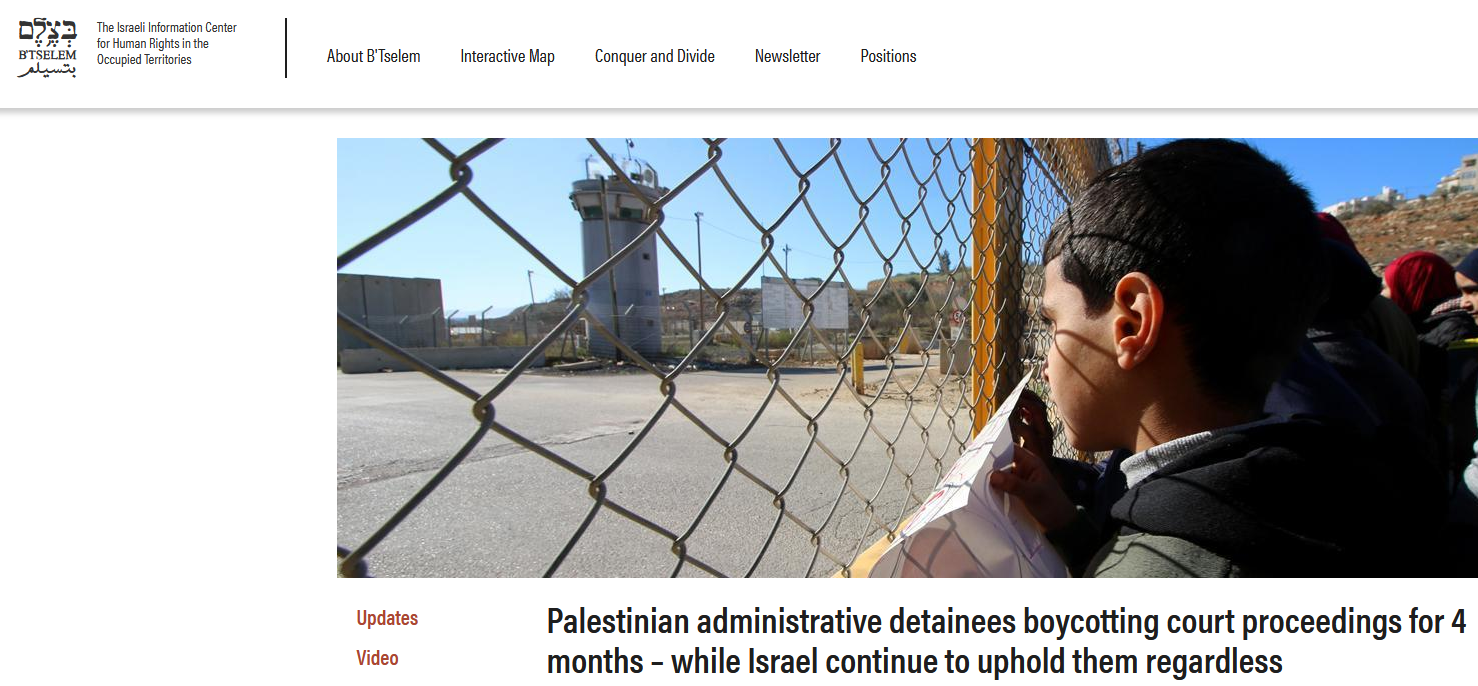
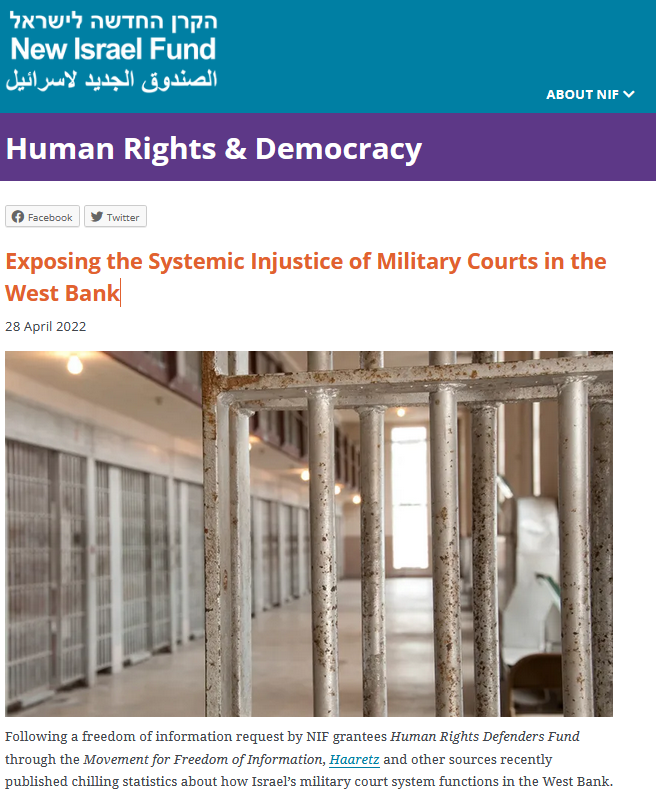
und ein Beitrag auf der Seite des NIF
König Abdullah II. bekräftigt Verantwortung des Königshauses für den Schutz der christlichen und muslimischen heiligen Stätten in Jerusalem
Das jordanische Königshaus werden künftig mit noch größerem Nachdruck und Entschlossenheit ihre historische Verantwortung für den Schutz und die Bewahrung der christlichen und islamischen Heiligen Stätten in Jerusalem wahrnehmen, damit Christ:innen und Muslim:innen an diesen Orten weiterhin ihre Riten und Liturgien frei ausüben können, ohne durch einseitige Maßnahmen und ‚Politik der Tatsachen‘ eingeschüchtert und behindert zu werden, die die Regeln verletzen und das Zusammenleben der Glaubensgemeinschaften in der Heiligen Stadt untergraben.
König Abdallah II. selbst bekräftigte die historische Verantwortung für den Schutz, den das jordanische Königshaus für die muslimischen und christlichen Heiligen Stätten in Jerusalem ausübt. Er tat dies am Montagabend, den 25. April, während des offiziellen Fastenbrechens im Al-Husseiniya-Königspalast in Amman, an einem der letzten Tage des muslimischen heiligen Monats Ramadan, an dem hochrangige Vertreter der christlichen und islamischen Gemeinden aus Jerusalem teilnahmen.
An dem Bankett nahmen unter anderem der griechisch-orthodoxe Patriarch von Jerusalem, Theophilos III., Erzbischof Pierbattista Pizzaballa, Lateinischer Patriarch von Jerusalem, und Scheich Muhammad Hussein, Großmufti von Jerusalem, sowie der jordanische Kronprinz Al Hussein bin Abdullah. teil.
In den letzten Wochen waren die Spannungen und Zusammenstöße rund um die christlichen und muslimischen Heiligen Stätten in der Altstadt von Jerusalem erneut eskaliert. In der vergangenen Woche kam es dabei zu Zusammenstößen zwischen palästinensischen Muslimen und israelischen Polizeikräften auf dem Tempelberg/Haram ash-Sharef in Jerusalem, während das Griechisch-orthodoxe Patriarchat von Jerusalem die von Israel verhängten Beschränkungen bedauerte, die die Zahl der Gläubigen in und um die Auferstehungskirche am 23. April, dem Karsamstag, dem Tag, an dem die traditionelle Zeremonie des Heiligen Feuers zu Beginn der Osternacht stattfindet, und am 24. April, für die Kirchen, die dem julianischen Kalender folgen, begrenzen.
Wie jordanische Medien berichten, soll König Abdallah während des Abendessens am Montagabend bestätigt haben, daß Jordanien sich mit anderen arabischen politischen Führern abstimme, um gegen alle Verstöße vorzugehen, die das Zusammenleben der verschiedenen Glaubensgemeinschaften in der Heiligen Stadt gefährden. Dieses empfindliche Gleichgewicht wurde in diesem Jahr umso deutlicher, als der islamische heilige Monat Ramadan und das christliche Osterfest und jüdische Passahfest im selben Zeitraum stattfanden. Während des offiziellen Fastenbrechens – so jordanische Medien weiter – habe der Lateinische Patriarch von Jerusalem, Erzbischof Pierbattista Pizzaballa, erklärt, daß die Verbundenheit des Königs und des Königshauses mit Jerusalem international anerkannt und geschätzt wird. Dabei habe er betont, daß die Stimme des Königs ein wichtiger Bezugspunkt angesichts der periodisch wieder aufflammenden Spannungen um die Heiligen Stätten Jerusalems sei.
Unterdessen stimmte am Montag, den 25. April, das jordanische Parlament für eine Verschärfung des Strafmaßes für Straftaten, die gegen religiöse Überzeugungen oder Gefühle verstoßen. Die Mindeststrafe für diese Straftaten beträgt nun vier Monate Haft (bisher drei Monate) und eine Geldstrafe von bis zu 500 jordanischen Dinar (bisher höchstens 20 Dinar).
(Vgl. Nachricht auf Fides)
Reflections on the Palestinian Local Elections with Fadi Quran
Fadi Quran joins host Yara Hawari to discuss the main outcomes of the recent Palestinian local elections and the historical role of municipalities in Palestine.
Für die einen die Freude der Auferstehung in der Zeremonie des Hl. Feuers – hier der Link zu einem kleinen Video des Swedish Theological Institute
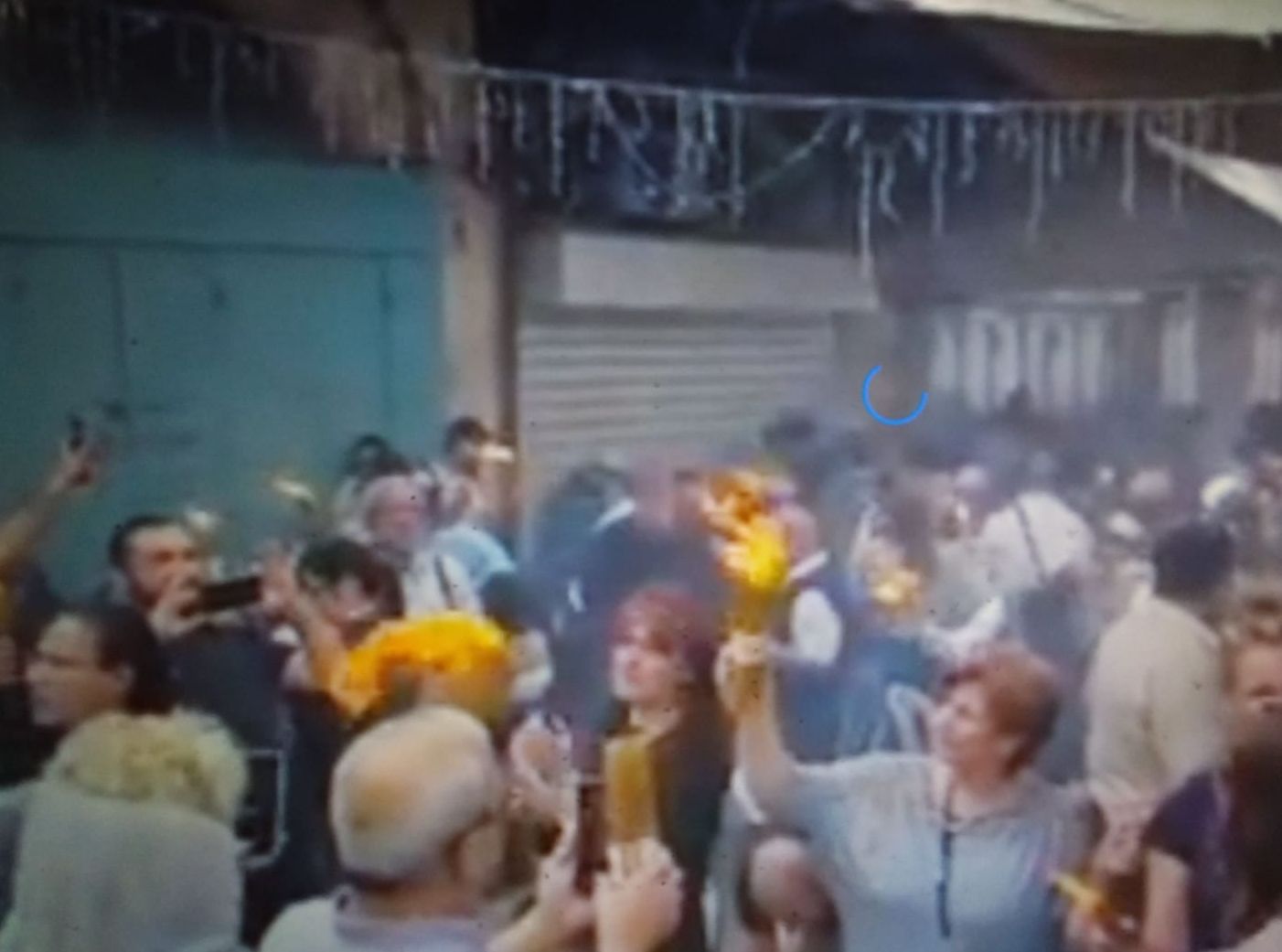
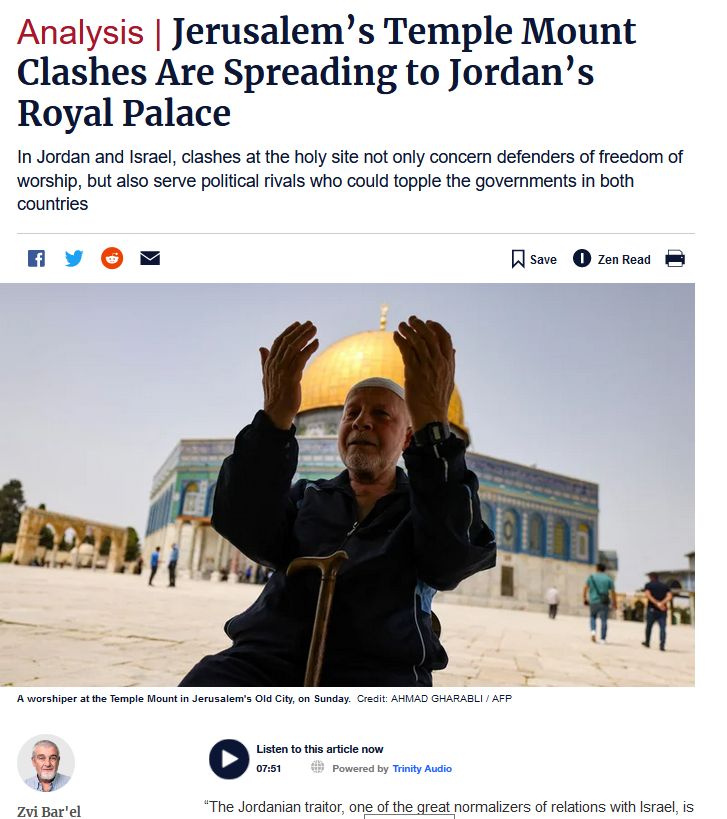
… für die anderen nur wenige Meter daneben die Sorge, daß sich ein Feuer anderer Art ausbreitet: Zvi Bar’el in der Haaretz über die Wirkungen der Ereignisse auf und um den Haram…
Israelische Autoritäten beschränken den Zugang zu den orthodoxen Osterfeierlichkeiten in der Altstadt
Das griechisch-orthodoxe Patriarchat hat gegen die Entscheidung, die Zahl der Teilnehmenden an den Zeremonien, u.a. des Heiligen Feuers zu beschränken, protestiert:
„The Church in Jerusalem states that having access to churches in the Old City, especially during the Easter holidays „has become increasingly difficult in recent years“, and „that there is no justification” for the additional restrictions put into place this year. The Patriarchate “affirms its explicit, clear and complete rejection of all restrictions,“ and declares openly that they are „fed up with police restrictions on freedom to worship and with its unacceptable methods of dealing with the God given rights of Christians to practice rituals and have to access their holy sites in the Old City of Jerusalem.”
Eine öffentliche Petition, angestoßen von Sabeel, soll zumindest den Protest sichtbar machen.
Trotz aller (oder wegen?) aller heiligen Zeiten, prägt wieder einmal Gewalt die Situation in Jerusalem, und nicht allein dort. Aber in Zeiten wie diesen steht alles in Frage. Ist es klug in dieser Zeit den staus quo, der bislang ein fragiles Konstrukt aufrecht erhalten hat, auch in Frage zu stellen? (Aber wer sagt, das Politik klug handelt?)
Hier eine Stimme aus Jordanien (sic), die einen kritischen Blick auf die Entwicklung wirft: Daoud Kuttab fragt in Arab News: Want quiet in Jerusalem? Respect the status quo
Eine Regierung in der Krise, apokalyptische Phantasien, Opfervisionen, Gewalt und Gebet – Tage, die alles möglich werden lassen …
Und zwischen allen Stühlen, die arabischen Parteien in Israel, von den einen zur Rückzug aus „dieser“ Regierung aufgefordert, von den anderen mitgedacht als parlamentarisches Sicherheitsnetz über das Überleben in einer Regierung…
In einem Kommentar auf Haaretz schreibt Carolina Landsmann dazu: „In Israel, Arab Politicians Are Only Legitimate if Netanyahu Says So“

Mitten in der Zeit von Pessach, Ostern und Ramadan – und den ersten Anzeichen von Frühling in Europa, aber zugleich einer schwierigen Zeit, die vieles politisch verändert, laden wir zu unserem nächsten online-Termin ein:
Wir sprechen wieder am Dienstag, 19. April 2022 – 18.00 MEZ für ungefähr eine Stunde mit Ofer Zalzberg, Director of the Middle East Program at the Herbert C. Kelman Institute (Wien); zuvor war er lange Jahre als Analyst für die International Crisis Group tätig. Zur Zeit promoviert er am Trinity College Dublin. Ofer Zalzberg hat verschiedentlich in israel & palästina, etwa zur Situation am Haram/Tempelberg (1/2016) geschrieben oder zuletzt zur Frage zur Konflikttransformation (Heft 2-3/2021)
Wir wollen mit ihm über die politische Lage in Israel und um Israel herum sprechen:
Eine Regierung in der Krise, neue Gewalt zur alten Gewalt dazu, neue Allianzen, alte Fragen …
– das Gespräch wird auf Englisch geführt werden

| So for now, we wish you Ramadan Kareem, Pesach Sameach, and Happy Easter. In Peace & Solidarity from Israel/Palestine |
| Rana SalmanPalestinian Director Yonatan Gher Israeli Director |

Live UniversalAwareness Map – Israel und Palästina
EIn Zugriff auf unterschiedliche Nachrichten, visuell zugeordnet auf einer Landkarte!
Aus der Selbstdarstellung der Verantwortlichen:
„Live Universal Awareness Map (“Liveuamap”) is a leading independent global news and information site dedicated to factual reporting of a variety of important topics including conflicts, human rights issues, protests, terrorism, weapons deployment, health matters, natural disasters, and weather related stories, among others, from a vast array of sources. We are passionate about what we do and are energized by the positive impact we bring, as demonstrated by the loyalty and recommendations of our growing viewers across the globe.“.
