Neben anderem zwei Hinweise auf Kurzfilme aus dem Bereich I/P:
NATION ESTATE von Larissa Sansour und SOLOMON’S STONE von Ramzi Maqdisi sind am 7.5.2022 in der internationalen Kurzfilmnacht im Kino Arsenal in Tübingen zu sehen. NATION ESTATE Nation Estate ist ein Sci-Fi Kurzfilm, der sich auf klinische dystopische und gleichzeitig humorvolle Weise dem Stillstand im Nahen Osten widmet. Der Film untersucht eine vertikale Lösung für die palästinensische Staatenbildung: Ein kolossaler Wolkenkratzer, der die gesamte palästinensische Bevölkerung behaust – die jetzt endlich high life lebt. Kurzer Sci-fi, Larissa Sansour, Palästina/Dänemark 2012, 9 min, digital, ohne Dialog mehr | Trailer
SOLOMON’S STONE Hussein, ein junger Palästinenser, bekommt eine Paketbenachrichtigung von der israelischen Post. 20.000$ muss er für die Herausgabe der Sendung zahlen. Getrieben von der Neugier nach dem Inhalt des Pakets verkauft Hussein gegen den Widerstand seiner Mutter sein gesamtes Hab und Gut. Nach der Erzählung Das Blaue Licht von Hussein Barghouti. Kurzfilm, Palästina/Spanien 2015, 25 min, Arabisch mit engl. oder franz. UT mehr | Trailer
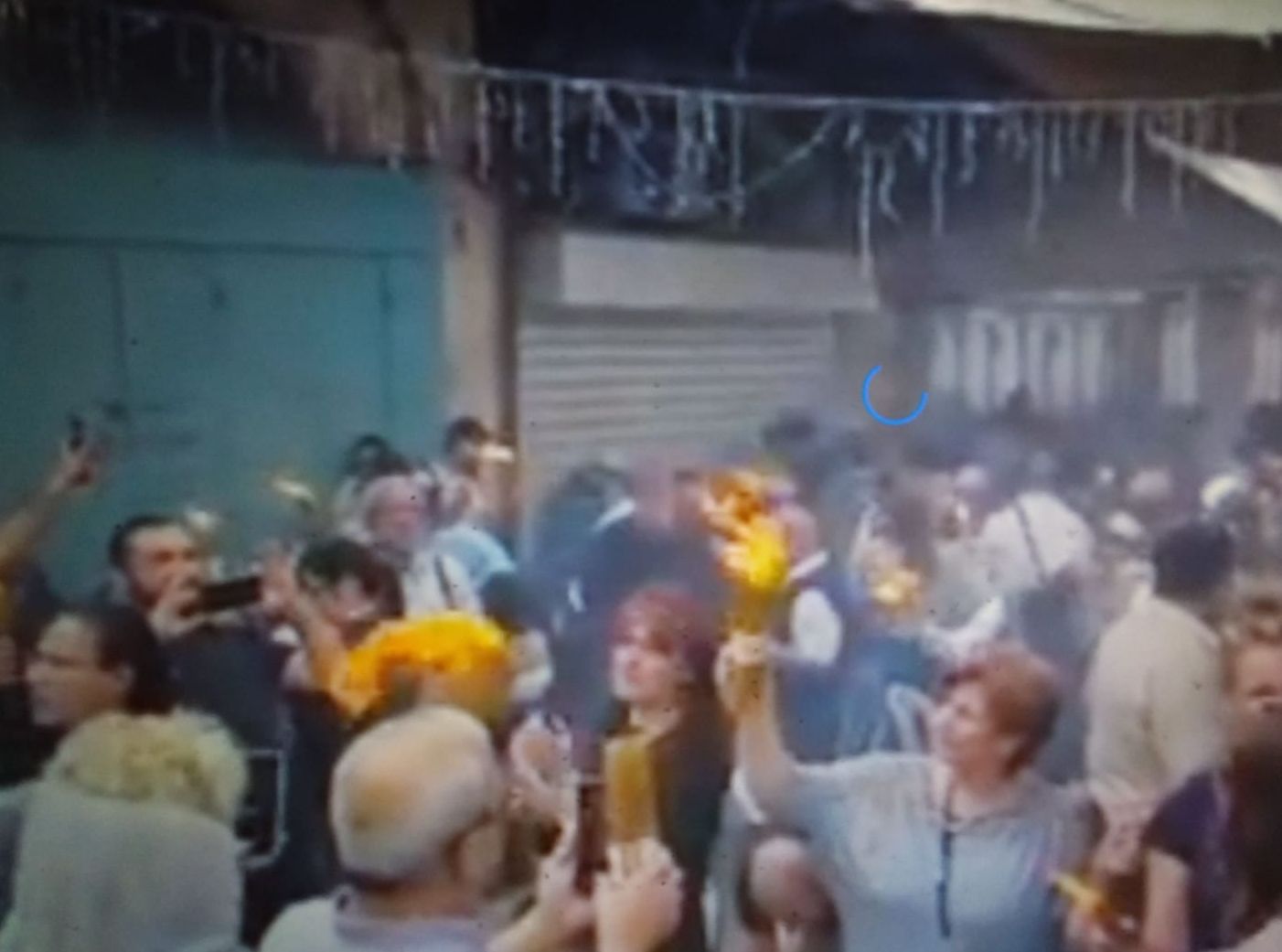
Für die einen die Freude der Auferstehung in der Zeremonie des Hl. Feuers – hier der Link zu einem kleinen Video des Swedish Theological Institute
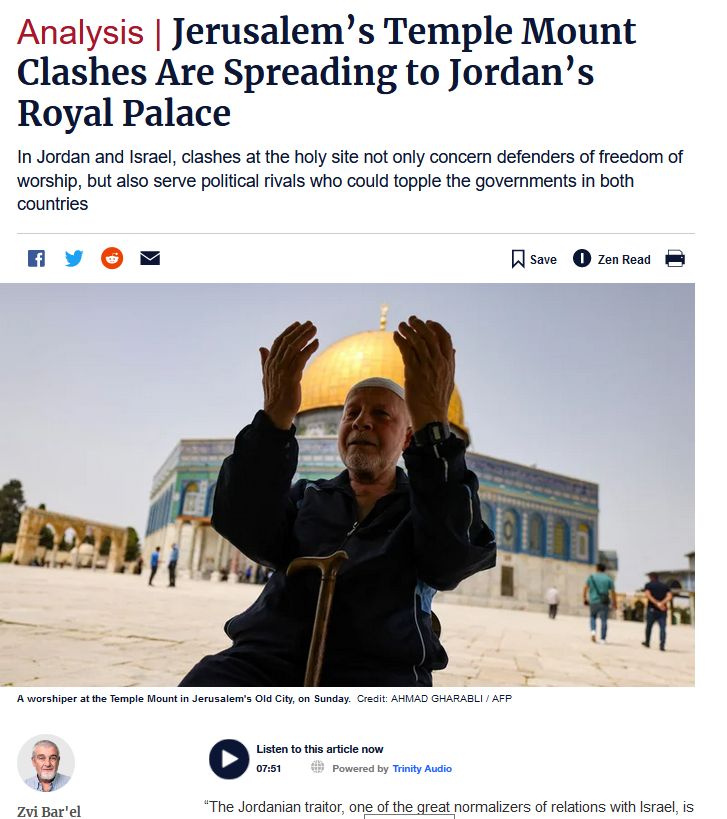
… für die anderen nur wenige Meter daneben die Sorge, daß sich ein Feuer anderer Art ausbreitet: Zvi Bar’el in der Haaretz über die Wirkungen der Ereignisse auf und um den Haram…
Vortrag von Florian Zemmin (Freie Universität Berlin)
Many Arab sociologists have been criticising the rather weak establishment of sociology in their countries. This concerns structural issues, especially political constraints for research and the underfunding of universities, but also theoretical issues, not least the Eurocentric formation and workings of sociology. Both structural and theoretical issues are especially pronounced when it comes to sociology of religion: to position religion as an object of sociological study faces political constraints and societal scepticism, also due to its representing a secular, supposedly particularly European perspective on religion. That being said, sociological approaches to religion in Arabic do have a longer history and feature more widely than is often assumed. This talk will provide glimpses into the history and presence of these approaches and their characteristics, addressing both structural and theoretical questions. One larger set of current debates that this talk will speak to are attempts at “decolonizing sociology” or establishing a “post-colonial sociology”. Such attempts often remain on a theoretical level and, ironically, hardly consider research in languages other than English. In turn, this talk engages sociologies of religion in Arabic also in order to arrive at more nuanced answers to the question of which aspects of sociology are more widely shared and which are specific to certain societies and academic contexts.
Außergewöhnlicher Doku-Filmabend: „Birgitta’s Friends – border crossings“ (70 Min.) von Christian Kogler
Dienstag, den 05. April, 19.00 – 21.00 Uhr.
Christian Koglers beeindruckender Dokumentarfilm „Birgitta’s Friends – border crossings“ hat mit großem Erfolg im Juni 2021 am Festival „Crossing Europe“ in Linz teilgenommen.
Birgitta, eine österreichische Frau, deren Leben durch ihre Jahre in Israel geprägt wurde, beschließt, ihre fünf Freund:innen aus dieser Zeit wiederzusehen. Fünf Freund:innen, die unterschiedlicher nicht sein könnten. Um nur die beiden Gegenpole aufzuzeigen: Wir lernen Noah kennen, der die Shoah überlebt hat und ein konservativer Zionist ist. Und Mohamed, der seit seiner Kindheit in der Widerstandsbewegung Palästinas aktiv ist. Dazwischen die anderen drei, die irgendwo in Israel und Palästina leben.
Gespräche zwischen Birgitta und ihren Freunden, unterlegt mit beeindruckenden Dokumentarszenen aus wichtigen Lebenssituationen, vermitteln uns die sie prägenden Lebenserfahrungen. Es entsteht der, vielleicht naive, Plan, zum Abschluß ein Treffen aller fünf Protagonist;innen an einem Ort durchzuführen.
In den spannenden 70 Minuten des Films liefert Christian Kogler uns keinen Kommentar, keine Stellungnahme. Allein der Balanceakt der Gegenüberstellung unterschiedlicher Personen genügt, die Zuschauer:innen zu fesseln. Zum Schluß scheitert der Plan des gemeinsamen Treffens. Aber der Film endet mit der Aussage, vielleicht könne es beim nächsten Versuch gelingen. Selbst im Scheitern hört die Hoffnung nicht auf.
Es wird eine kurze Einführung geben, anschließend den Film (per Vimeo-Link), im Anschluss steht Christian Kogler für ein Gespräch zur Verfügung.
Freunde von Neve Shalom – Wahat al-Salam: Anmeldung unter: freunde@wasns.de
Filmbesprechung des Dokumentarfilm „Silence Breakers“ gibt israelischen Soldaten eine Stimme, die sich für ihre Taten in der Armee schämen – Ein Text von Peter Münch, Tel Aviv, Korrespondent der SZ:
„In d(..)en Debatten, in diesem Streit, in diesen Anfeindungen wirft der Film die Frage auf, was es heute bedeutet, Soldat zu sein in Israel. Mit 18 Jahren muss jeder zur Armee, die jungen Männer für knapp drei, die Frauen für zwei Jahre. Fast alle sehen das als patriotische Pflicht. Schließlich ist Israel von Feinden umzingelt und muss sich verteidigen können. So ist wohl auch jeder, der hinterher zu „Breaking the Silence“ geht, als Patriot zur Armee gekommen. Und aus Patriotismus, aus Sorge ums eigene Land, hat er hinterher Zeugnis abgelegt über das, was aus den israelischen Verteidigungsstreitkräften werden kann, wenn die Soldaten als Besatzer im Einsatz sind. „Wir wollen nicht die Armee an sich kritisieren“, sagt einer der Aktivisten im Film. „Aber in diesem System kann kein Soldat mehr das Richtige tun.“
The Israeli Black Panthers Haggadah was first written in 1971, at the beginning of their movement. It was written in a dark tin shack in Jerusalem on a stolen typewriter. In the introduction to this 50th Anniversary Edition, Reuven Abergel, one of the founders of the movement, writes that the Haggadah talks „about the pain, discrimination, and oppression that we were subjected to as part of Israel’s policy of separation between Jews from Muslim countries and Jews from Eastern Europe.“
A year later, a fire destroyed most of the Israeli Black Panthers‘ archives, including the Haggadah. It was thought lost for some 40 years until a rabbi who collected Haggadot reached out to Abergel with a copy.
In 2019, a second edition of the Haggadah was published in Hebrew as a pamphlet, an effort initiated through The Civil Archive of Social Struggles in Israel, led by Sapir Sluzker-Amran. After that, groups came together with the purpose of making the Israeli Black Panthers struggle and the Haggadah story accessible in both Hebrew and English as a way of promoting dialogue about the potential of Mizrahi struggle in Israel/Palestine.
Translator Itamar Haritan worked closely with Abergel to translate the Haggadah into English starting in 2017 and has updated parts of it since then with his help. The Israeli Black Panthers Haggadah will be a completely bilingual (Hebrew-English) book and in addition to the new translation from Haritan and introduction from Abergel, there will be other essays that reflect on the Israeli Black Panthers and the Haggadah text. It will also include powerful archival images of the Panthers and their activism.
On this site, we have also provided a free preview of a section of the Haggadah that you can use at your Seder table. Click here to download it.
We are so proud to present this new book project.
In solidarity,
Reuven Abergel and Marcelle Edery | Sapir Sluzker-Amran (Production and Consulting)
Libby Lenkinski (New Israel Fund) | Ari Bloomekatz (Jewish Currents Press)
Video Credits
Producer: Barak Heymann, Director and Editor: Alon Levi, Director of Photography: Yaniv Linton, Script: Amir Pavlovitch – Participants: Reuven Abergel, Sapir Slutzker-Amran, Shirly Karvani, Neta Hamami-Tabib, Avner Gvaryahu, Avi Yalou, Adi Tufik, Yossi Tsabari, Michel (Micado) Warshavsky, Fania Ben Sasson, Yonah Ben Sasson, Itamar Bellaiche, Elinor Arazi, Ram Spinoza (RamZi), Leah Zohar, Menashe Halif, Yossi Cohen, Libby Lenkinski
Ein Film von Silvina Landsmann – Kinostrat am 24. März 2022
Die NGO „Breaking the Silence” – kurz BtS – besteht aus ehemaligen israelischen Soldaten und Soldatinnen, die durch das Sammeln persönlicher Erinnerungsberichte auf den militärischen Alltag und den Umgang mit der Bevölkerung in den besetzten Gebieten aufmerksam machen wollen. Die Regisseurin Silvina Landsmann ermöglicht mit ihrem Film einen Blick hinter die Kulissen einer umstrittenen Gruppierung mit einem kontrovers diskutierten Ansatz inmitten eines über 70 Jahre schwelenden Konflikts.
Was macht einen guten Soldaten aus? Die Fähigkeit, ohne Skrupel Befehle auszuführen, oder die Berücksichtigung von höheren moralischen Zielen im Umgang mit dem Feind? Letzteres war vielen Mitgliedern von BtS erst nach ihrer aktiven Militärzeit möglich. In ihrer Arbeit setzen sie sich mit Einsätzen und Handlungen auseinander, die ihnen heute falsch vorkommen. Mit Videos, Vorträgen und Stadtführungen wenen sie sich an die israelische Bevölkerung und an ausländische Medien. Auf den Straßen Hebrons kommt es immer wieder zum Zusammenstoß zwischen BtS, israelischen Siedlern und dem Militär. Auch auf politischer Ebene wird die Organisation scharf kritisiert. Ihr wird vorgeworfen, Geschichten zu erfinden, dem Ruf Israels zu schaden und dem Antisemitismus in die Hände zu spielen. Mit filmisch nüchternen Bildern beobachtet Landsmann, wie die Gruppe äußerlich und innerlich um ihre Stimme kämpft. (Dok.Leipzig)
Vor dem regulären Kinostart finden u.a. in Berlin, Frankfurt, München und Hamburg Vorführungen des Films statt, bei denen die Regisseurin und Aktivist:innen von Breaking the Silence anwesend sein werden.
Zoom-Podiumsdiskussion mit der Filmemacherin Ofra Bloch | (Mit Entgelt)
Jerusalem-born trauma expert Ofra Bloch forces herself to confront her personal demons in a journey that takes her to Germany, Israel and Palestine. Set against the current wave of fascism and anti-Semitism sweeping the globe, AFTERWARD delves into the secret wounds carried by victims as well as victimizers, through testimonies ranging from the horrifying to the hopeful. Seen as a victim in Germany and a perpetrator in Palestine, Bloch faces those she was raised to hate as she searches to understand the identity-making narratives of the Holocaust and the Nakba, violent and non-violent resistance, and the possibility of reconciliation. The film points towards a future – an “afterward” – that attempts to live with the truths of history in order to make sense of the present.
Bassam Aramin lives in Jericho in the West Bank. At the age of 17, he was incarcerated and spent 7 years in an Israeli jail. He is the former Palestinian Co-director of the Parents Circle – Families Forum.
Thomas Casagrande, Dr. phil., teacher and political scientist. He published books on the history of “Volksdeutsche” in the Waffen-SS.
Pamela Cohn is a film curator, nonfiction story consultant, and writer. Learn more about Pamela: >> http://www.pamelacohn.com/
Aleksandar Dimitrijevic, PhD, is a clinical psychologist and psychoanalyst. He works as a lecturer at the International Psychoanalytic University – IPU, Berlin and in private practice. >> http://berlinpsychoanalyst.com/about/
Kuratiert von Irit Neidhardt (mec film) ab 3.2. 2022 für vier Wochen bei AFLAMUNA online Ohne Geoblocking, ohne Gebühren, mit Registrierung LONELINESS/UNITY | الوحدة (das arabische Wort für Einsamkeit und Einheit ist im Arabischen identisch | in Arabic the word for loneliness and unity is the same)
Curatorial text by Irit Neidhardt
Many posters of Arab arthouse films of the past ten years show someone from behind or leaving, sometimes looking away. In rare cases where a character is looking at the camera there is still a distance, be it created by a curtain or by the person standing far afield. When the films show in Europe, the programmers usually do not use these posters. They look for a film still with the protagonist making eye contact with the viewer as is custom for the promotion of Western movies. As a distributor of several of these films, I first found this disturbing. Don’t programmers see that the person needs protection? At the same time, didn’t the director make the film to connect with the world? Looking at older Arab film-posters, it appears that protagonists of films dealing with loneliness are less hidden. What role does loneliness play in Arab cinema, and how did it change over time? Loneliness, the mental pain of being isolated, always relates to the social. It seems to be specific to the Arabic language, though, that the word for loneliness, wehda, also means unity. For example, in English, French, or German, loneliness and unity are antipodes. Painful isolation has been integral to Arab cinema since its inception. continue in English | in Arabic
Die Filme | The Films (all Filme in arabischer Sprache mit englischen Untertiteln | all films in Arabic with English subtitles) 3.-10.2.2022
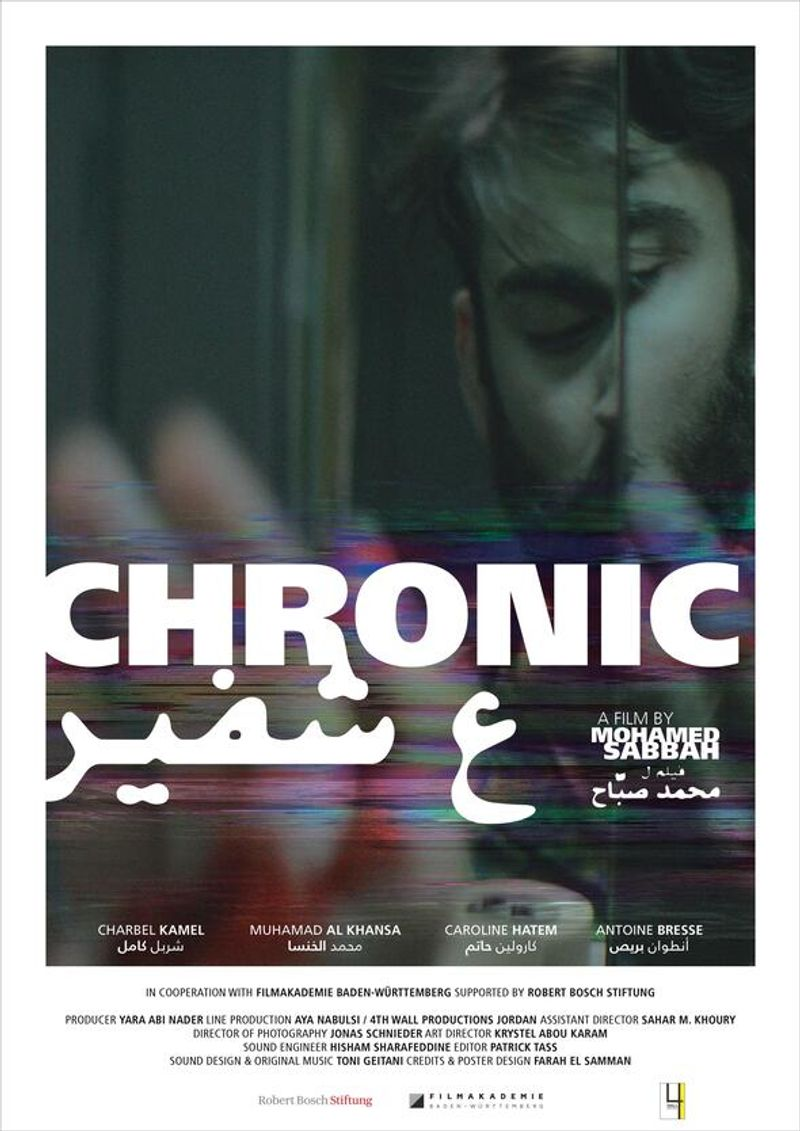
Fertile Memory (Michel Khleifi, Palestine 1980, 99 min) Quneitra 74 (Mohamad Malas, Syria 1974, 20 min) kein Dialog | no dialogue 11.-16.2.2022 Man of Ashes (Nouri Bouzid, Tunisia 1986, 109 min) The Memory (Mohamad Malas, Syria 1975, 13 min) 17.-23.2.2022 The Mice Room (Rufy’s Collective, Egypt 2014, 85 min) Dry Hot Summers (Sherif Elbendary, Egypt 2015, 30 min) 24.2.-2.3.2022 Chronic (Mohamed Sabbah, Lebanon 2017, 99 min)