
So sehen es andere:
The European Legal Support Center (ELSC) / Forensis [F] / Forensic Architecture [FA]
A database on the systematic repression of Palestine Solidarity in Germany

So sehen es andere:
The European Legal Support Center (ELSC) / Forensis [F] / Forensic Architecture [FA]
A database on the systematic repression of Palestine Solidarity in Germany

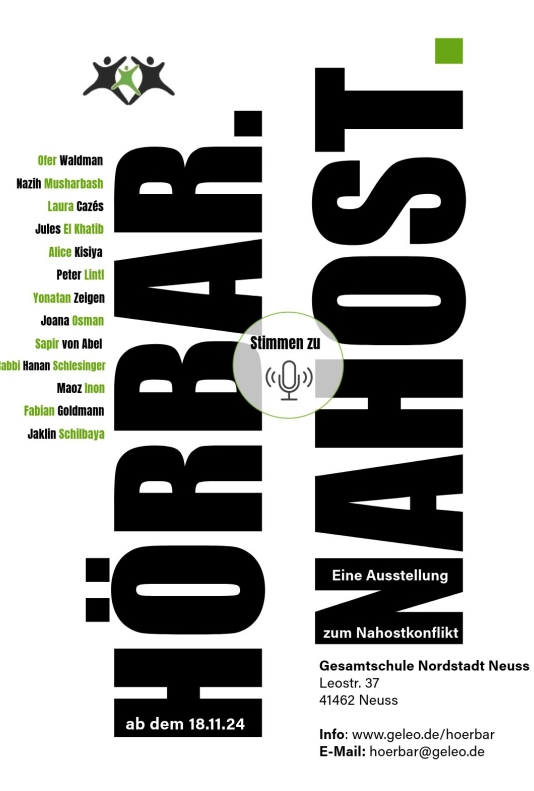
Eine multimediale Ausstellung zum Nahostkonflikt / Mehr Informationen
Redaktioneller Hinweis:
Falls jemand einen Bericht aus eigener Anschauung zu dieser Initiative beisteuern kann, sehr gerne, diese Hnweis erfolgt auf der Basis von berichten, nicht aus direkter Kenntnis!
Eine multimediale Ausstellung zum Nahostkonflikt / Mehr Informationen
Redaktioneller Hinweis:
Falls jemand einen Bericht aus eigener Anschauung zu dieser Initiative beisteuern kann, sehr gerne, diese Hnweis erfolgt auf der Basis von berichten, nicht aus direkter Kenntnis!
Mit einem wissenschaftlichen Symposium haben die Deutsche Bischofskonferenz (DBK) und der Zentralrat der Deutschen Sinti und Roma am 29. und 30. April in Berlin das Verhältnis der katholischen Kirche zu Sinti und Roma während des Nationalsozialismus und in der Nachkriegszeit aufgearbeitet.

(Bericht Radio Vatican) (Grußwort Bischof Bätzing) (Zentralrat Deutscher Roma und Sinti)
In der Nacht zum 21. April 1945 wurden zwanzig Kinder zusammen mit ihren Betreuern, vier politischen Häftlingen, im Keller des Gebäudes, das während des Krieges als Nebenlager des KZ Neuengamme gedient hatte, erhängt.
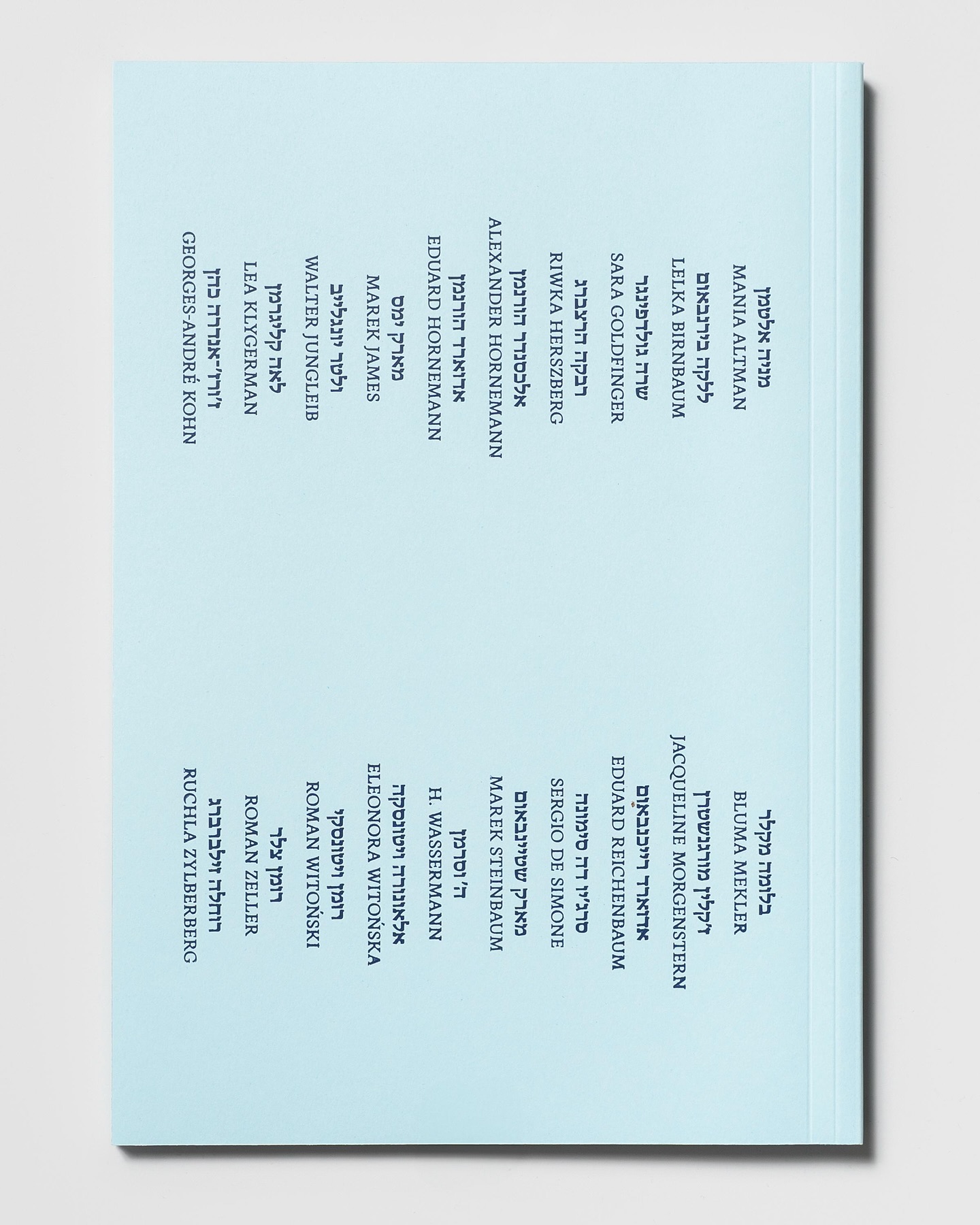
Liad Shadmi, ein Hamburger Typograph hat ein Veröffentlichung erstellt, damit „ihre Namen nicht vergessen werden“
Photo: @michael_kohls

Zur Debatte um eine geplante Rede von Omri Boehm in Buchenwald
Der israelisch-deutsche Philosoph und Enkel von Shoa-Überlebenden, Prof. Dr. Omri Boehm, ist auf Druck der israelischen Regierung von der Gedenkfeier aus Anlaß des 80. Jahrestages zur Befreiung des KZ Buchenwalds ausgeladen worden, offiziell lautet die Sprachregelung, sein Vortrag sei verschoben.
Dieser einmalige Vorgang in der deutschen Nachkriegsgeschichte wird in zahlreichen Zeitungen und Medien dargestellt und kritisch kommentiert. Der Vorwurf der „Holocaust-Relativierung“ entbehrt jeder Grundlage – wie auch viele Kommentator:innen schreiben.
Man:frau ist bestürzt über diese ungerechtfertigte israelische Einflußnahme. Der Direktor der Gedenkstätte, Jens-Christian-Wagner, erklärte, er habe dem Druck nachgegeben, um zu verhindern, daß Überlebende in den Streit hineingezogen würden – das ist allerdings schon dadurch geschehen, daß Überlebende aus Regierungskreisen angerufen worden sind, so daß die selbst traumatisierten Menschen in einen Loyalitätskonflikt gebracht worden sind.
Direktor Wagner: „Dieser Situation wollte ich die Überlebenden nicht aussetzen“. Diese seien hochbetagte, seelisch häufig verletzte Menschen: „Diese Leute einer solchen Konfliktlage auszusetzen, das konnte ich mit meinem Gewissen nicht vereinbaren“. Der Vortrag mit Prof. Boehm solle aber auf alle Fälle nachgeholt werden, das deutlich zu sagen, darauf legt Direktor Wagner wert. Doch ein Schatten aufgrund der Intervention wird auf dieser Gedenkfeier liegen.
In diesem Zusammenhang ist es wichtig, sich auch Gedanken darüber machen, mit welcher Art von israelischer Regierung – bis hin zum Botschafter des Staates Israel in – wir gerade konfrontiert sind:
Es geht um eine Regierung, in der ein Ministerpräsident Bündnisse mit eindeutig antisemitischen Führern schmiedet – vom ungarischen Ministerpräsidenten Viktor Orban, der eine antisemitische Kampagne gegen den jüdischen Philanthropen George Soros führte, bis zum philippinischen Präsidenten Rodrigo Duterte – und das trotz der Proteste der örtlichen jüdischen Gemeinden.
Yair Netanjahu, der Sohn des israelischen Ministerpräsidenten Netanjahu, hat schon in der Vergangenheit erklärt, er hoffe, daß die „böse Europäische Union, der Feind Israels“, sterben werde und suchte Unterstützung von Politikern der AfD. Der Haß des jüngeren Netanjahu auf die Palästinenser:innen trifft mit dem Haß der AfD auf Muslime zusammen. Der Kampf gegen ‚den Anderen‘ vereint solche rechtsgerichteten jüdisch-israelischen Politiker mit den Antisemiten, Islamophoben und Fremdenhassern. „Die Schengen-Zone ist tot, und bald wird es auch Ihre böswillige globalistische Organisation sein [i.a. also die EU] sein, und Europa wird dahin zurückkehren, frei, demokratisch und christlich zu sein!“, twitterte Yair Netanjahu, wohl ohne zu verstehen, daß Europa gerade vor (!) der Gründung der EU vereint war im Haß auf ‚den Anderen‘ und die EG / EU das größte europäische Friedensprojekt der Nachkriegsgeschichte ist.
Rechtsradikalen Kräfte in Europa und weltweit wachsen – und zum Erstaunen der Historiker:innen gibt es Juden wie Benjamin Netanjahu und seinen Sohn Yair, die sie unterstützen und damit diejenigen Jüdinnen und Juden gefährden, die auf diesem Kontinent leben.
Es geht auch um eine Regierung, die eine sog. ‚Justizreform‘ auf den Weg gebracht hat, und mit ihr nicht nur die Gewaltenteilung, zentral für demokratischen Gesellschaften, aufheben will. Eine Regierung, deren Mitglieder teilweise aus einem rechtsradikalen, gewaltbereiten Siedlermilieu kommen, die davon reden, ‚Gaza auszulöschen‘ und einen blutigen Krieg gegen die gesamte sozial-politisch-kulturelle Einheit des Gaza-Streifen führen und immer wieder humanitäre Hilfe für die Menschen in Gaza blockieren. Eine Regierung, unter der sich religiös gebende, rechtsradikale gewaltbereite Siedler:innen unter dem Schutz des israelischen Militärs tun und lassen können, was sie wollen, es zu noch nie dagewesenen Plünderung, Zerstörung von Häusern und einer damit verbundenen Vertreibungswelle im Westjordanland gekommen ist: Mehr als 40.000 Palästinenser:innen, Christ:innen wie Muslima und Muslime, sind bereits vertrieben worden.
Diese Siedler:innen wollen große Teile der Westbank, Teil eines zuküftigen Staates Palästina, ethnisch säubern. Oder wie ein jüdisch-israelischer Soziologe formulierte: „Furcht, Militarismus und Messianismus sind die drei Aspekte, die unsere Gesellschaft bestimmen. Wir haben die Kontrolle über den religiösen Nationalismus verloren“. Er meint die Macht der Siedlerbewegung in allen staatlichen Organisationen, die Radikalisierung und Gewalt der Siedler-Jugend, die keine Autorität mehr akzeptiert und einen Ethno-Nationalismus, der mit allen Mitteln ein ‚Groß-Israel‘ schaffen will und davon träumt, alle Palästinenser:innen zu vertreiben“.
Diese Politik – wie es auch Omri Boehm tut – als völkerrechtswidrig zu kritisieren und alternative Gesellschaftsmodelle in dieser seit Jahrzehnten festgefahrenen Situation zu entwickeln, hat nichts mit Antisemitismus zu tun – auch wenn man diese natürlich kritisieren kann. Vielmehr: Einer solchen grundsätzlich rechtsgerichteten, ethno-nationalistischen Regierung sollte man:frau im Bewußtsein des „Nie wieder!“ kritisch begegnen. Denn die wirklichen Freunde und Freundinnen Israels sind nicht die Rechtsradikalen und die Siedler:innen.
Im Blick auf die vielzitierte ‚Staatsräson‘ sollte eine ‚Solidarität der Werte‘ das eigentliche Thema sein. Oder, wie es der Direktor der Anne-Frank-Bildungsstätte in Frankfurt a.M., Prof. Dr. Meron Mendel, formuliert hat:
„Es ist klar, daß für Deutschland gelten muß: ‚We stand with Israel‘ Aber was heißt das konkret? Dies sollte meiner Ansicht nach heißen: Wir unterstützen die israelische Zivilgesellschaft; diejenigen, die eine Rückkehr der Geiseln fordern und nicht müde werden, daß wir über die Geiseln sprechen; die sehen, daß die Demokratie in Israel mit der aktuellen Regierung und mit der anhaltenden Besatzungspolitik erodiert; die sehen, daß der Krieg zu Ende gehen muß, um sich der Friedensbildung zuzuwenden“.
Dann – und nur dann wird Friede sein zwischen dem Fluß und dem Meer, ein Friede der allen gilt und alle einschließt.
Weiterführende Hinweise auf die Berichterstattung:
SRF (Schweiz)
SRF
Statement von Prof. Dr. Jens-Christian Wagner, Stiftungsdirektor zur Verschiebung der Rede von Omri Boehm zum 80. Jahrestag der Befreiung der Konzentrationslager Buchenwald und Mittelbau-Dora (01. April 2025):
NPO-Consulting
Humanistischer Pressedienst (HPD)
Der Standard (Österreich)
Der Standard
Junge Welt
Die Zeit
Die Zeit
Frankfurter Rundschau
Der Tagesspiegel

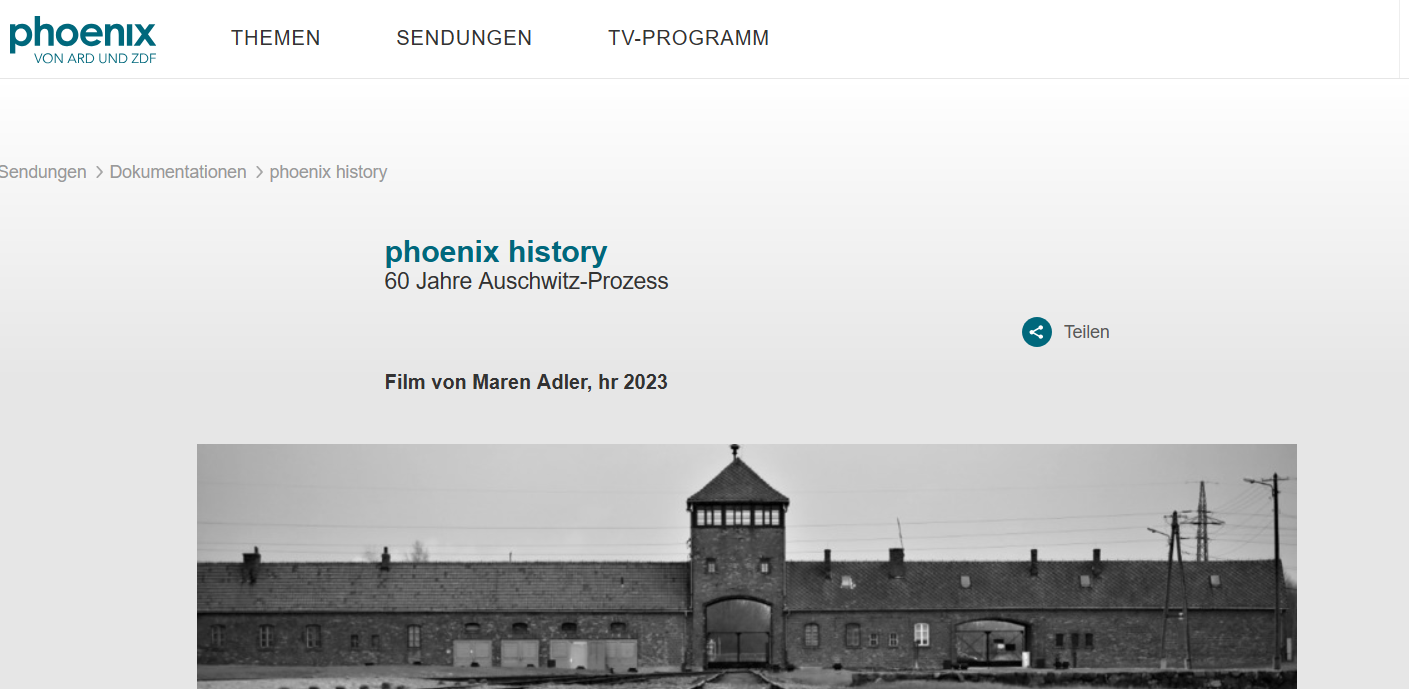
60 Jahre später – Auf Phoenix History der Film 60 Jahre Auschwitzprozeß
Im Dezember 1963 trafen die ersten Augenzeugen der Verbrechen von Auschwitz in Frankfurt ein, um im Prozeß ihre Aussagen zu machen – im Angesicht der Täter und im Land der Täter. Eine enorme Belastung. Damit wollte das Gericht die ganze Wahrheit der Verbrechen der Nationalsozialisten in Auschwitz ans Licht bringen und die Deutschen mit ihrer Vergangenheit konfrontieren.
Die Tonbandmitschnitte, aufbereitet vom Fritz Bauer-Institut.
„The Ends of War“ aus globaler Perspektive
Die Nachwirkungen des Zweiten Weltkriegs sind bis heute spürbar. In einer dreiteiligen Miniserie beleuchten Wissenschaftler*innen der Max Weber Stiftung verschiedene regionale Aspekte des Endes des Zweiten Weltkriegs: Welche Flucht- und Migrationsbewegungen prägten die Nachkriegszeit? Wie wird in Ägypten oder in Japan an das Kriegsende erinnert? Und welche verschlungenen Wege nahmen jüdische Ritualobjekte während und nach dem Krieg?
Mit der dreiteiligen Miniserie The Ends of War widmet sich die Max Weber Stiftung (MWS) dem Ende des Zweiten Weltkriegs aus transnationaler Perspektive. Wissenschaftsjournalistin Janine Funke bringt internationale Wissenschaftler:innen zusammen, die über ihre Forschungen zur Kriegs- und Erinnerungsgeschichte an den Auslandsinstituten der MWS sprechen. Mit Experteninterviews und eindringlichen Erzählungen beleuchtet die Serie, was das Kriegsende für verschiedene Weltregionen bedeutete.
Die drei Folgen sind ab sofort und auf allen gängigen Plattformen verfügbar und haben folgende Schwerpunkte:
#1: Erinnerung an den Holocaust – wie an Orte von Massenerschießungen erinnert wird und welche Rolle jüdische Ritualobjekte für das Kulturerbe spielen.
#2: Emigration und Kriegsflüchtlinge – wie das Kriegsende Millionen von Menschen zu Flüchtlingen machte und geopolitische Neuordnungen anstieß.
#3: Ostasien und der Nahe Osten – vom deutschen Afrikafeldzug in Ägypten bis zur japanischen Kapitulation und den umstrittenen Erinnerungskulturen in Ostasien.
Jetzt anhören
Cover des Podcasts „The Ends of War“ / Max Weber Stiftung (MWS)
Ausstellung im Museum Russisches Haus (#RusHaus) in Berlin bis Oktober 2025
Der Name Alexander Schmorell ist vielen als einer der bedeutenden Widerstandskämpfer gegen den Nationalsozialismus während des Zweiten Weltkriegs bekannt. Als Mitbegründer der studentischen Widerstandsgruppe Weiße Rose setzte er sich mutig gegen das NS-Regime ein.
Sein Name steht in einer Reihe mit anderen prägenden Figuren des deutschen Widerstands wie Willi Graf sowie Hans und Sophie Scholl. Weniger bekannt sind jedoch seine russischen Wurzeln, sein tief verwurzelter orthodoxer Glaube und seine enge Verbindung zu Rußland. Nur wenige wissen, daß die Russische Orthodoxe Kirche im Ausland ihn im Jahr 2012 als Heiligen unter dem Namen Alexander von München kanonisiert hat.
Die von der Orenburger Stiftung ‚Eurasia‘ mitgestaltete Ausstellung beleuchtet die vielschichtigen Facetten seines Lebens. Sie gewährt Einblicke in die Geschichte seiner Familie, seine Kindheit in Orenburg und seine Jugend in Deutschland. Zudem erzählt sie von seinen Freundschaften, der Entstehung und Tätigkeit der Weißen Rose sowie von seinem Einsatz an der Ostfront. Besonders hervorgehoben werden sein unermüdliches Streben nach Freiheit, seine geistige Verbundenheit mit Rußsland, seine Heiligsprechung und die heutige Erinnerung an sein Vermächtnis.
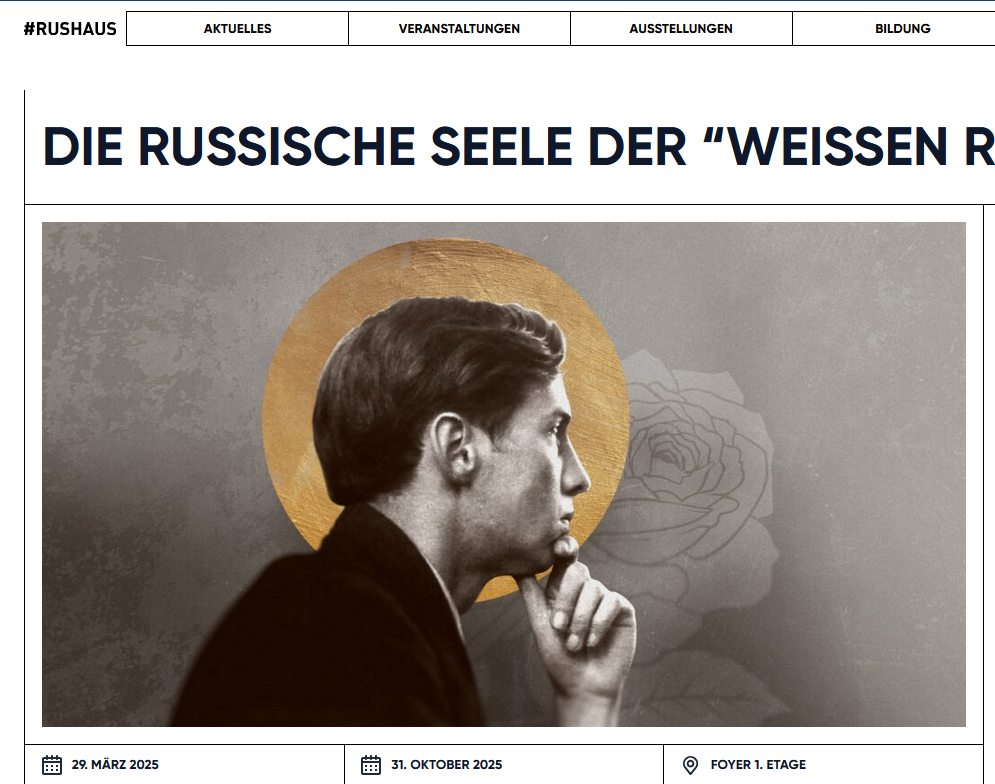
(Noch frei) zugänglich bei der Berliner Zeitung ein Bericht von Michael Maier zur Ausstellung: SS-Himmler über Alexander Schmorell: Täter wegen „russischen Blutsanteils“ – Eine Ausstellung erinnert an einen Deutsch-Russen, der wegen seiner Mitwirkung an Aktionen der Weißen Rose von den Nationalsozialisten hingerichtet wurde.
