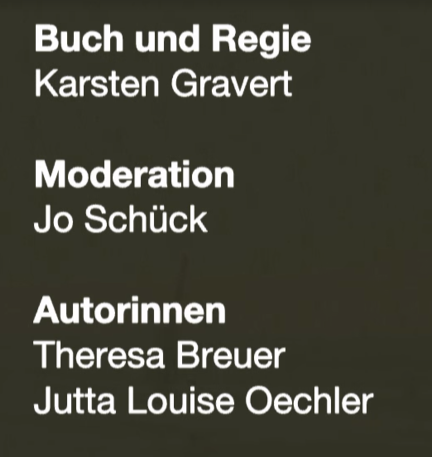
Was wußten die Deutschen (damals)?

Noch lange nach dem Ende des Zweiten Weltkriegs behaupteten viele Deutsche, nichts von den Massenmorden während der NS-Zeit gewusst zu haben. So wollten sie sich dem Vorwurf entziehen, für die Verbrechen mitverantwortlich zu sein. Bis heute beschäftigt viele Menschen die Frage, was die Deutschen tatsächlich wussten. 

Welche Informationen über den Holocaust waren im Deutschen Reich zugänglich? Was nahmen die Deutschen wahr, die nicht direkt an den Taten beteiligt waren und nicht selbst verfolgt wurden? Wie verbreiteten sich damals entsprechende Informationen und Gerüchte? Und was machten einzelne Menschen mit ihrem Wissen? Diesen Fragen geht die Ausstellung nach. 

Die Ausstellung besteht aus drei Teilen: „Propaganda“ beleuchtet, was das NS-Regime über die Verfolgung und Ermordung der Jüdinnen und Juden öffentlich bekannt gab. „Hinweise im Alltag“ rückt Gerüchte und inoffizielle Nachrichten über die Massenmorde in den Blick. „Vom Puzzleteil zum Bild“ zeigt, wie einzelne Personen Informationen zusammenfügten, um sich ein Gesamtbild zu verschaffen.

Pessach und Ostern inmitten von Gewalt

Über 600 Israelis aus dem akademischen Leben protestieren in einer Petition an die internationale Gemeinschaft und Zivllgesellschaft gegen nochmals angestiegenen Siedlerterror. Hier ein Link zu einem kurzen FR-Stück von Inge Günther.

Und dazu ein Gespräch mit Yuli Novak, der Chefin der NGO B’Tselem, geführt von Judith Poppe auf https://qantara.de

Zur Freiheit ge-/berufen

Akiva Eldar schreibt in der Haaretz über Netanyahus (und Trumps) Rede, der ganze Text steht (leider) hinter der Bezahlschranke, wir zitieren hier einige zentrale Passagen:

In the declarations of Prime Minister Benjamin Netanyahu and his friend U.S. President Donald Trump, the word „freedom“ has been used repeatedly since the start of the attack against Iran. In an (emotional) address to the Iranian people, Netanyahu promised „a historic war for freedom.“ Netanyahu knows that the „The Iranian people deserve a better future.“ In other words, he is encouraging the citizens of Iran to rebel in order to win their freedom.

With his considerable obtuseness, Netanyahu legitimized the next intifada and the two that preceded it. Are the rights of the women and children in the occupied territories in better shape than those of the women and children in Tehran? The Iranian security forces fire at citizens who demonstrate against a despotic government. The residents of the West Bank don’t dare to go out into the streets. They’ve learned that even a video on TikTok can lead to arrest.

A boy who throws a stone at a command car is considered a terrorist whose punishment is death. And as is customary in benighted regimes, our secret service terrifies civilians, encourages informers and nurtures collaborators. That’s the only way to rule over a foreign nation for six decades. […]

An Israeli who calls on the residents of the territories to demonstrate against the occupation will end the day at the police station. Foreign peace activists who want to help Palestinian shepherds are expelled from the country. Israeli human rights organizations are subject to incitement and hostile legislation. Any request by Palestinians for help from international organizations is considered „political terrorism“ here, and is accompanied by economic sanctions.

[…]

Yet for almost 60 years Israeli governments have been making a mockery of international law when it comes to settlement across the Green Line and responsibility for the welfare of the population under occupation. Israel defies United National decisions that support the establishment of a Palestinian state, and we’re paying a miniscule price.

Even worse. The government and the security forces operating in the territories are scorning Israeli law. They’re violating the rulings handed down by the High Court of Justice. For example, that the military commander is obligated to invoke his authority while finding a balance between security needs and the welfare of the local population. In another ruling, the High Court judges decided that the laws of belligerent occupation, which apply in the territories, require seeing to the needs of the local population.

At the end of the week, it was reported that 11 Palestinians were wounded in 20 Jewish terrorism incidents. Settlers threw stones at Palestinians, sprayed graffiti, shot fireworks in Palestinian villages and blocked roads.

These reports, which have become as routine as the sirens in Kiryat Shmona, bore Netanyahu. He’s busy fulfilling God’s mission of saving the world from the Iranian bomb. Human dignity and freedom in Iran, and here too, aren’t and never were his main interest. And suddenly he’s calling for a popular uprising against a despotic government. I wonder how it sounds in Palestinian Arabic.

Nach Hitler.

18.09.2024 – 31.01.2027 Haus der Geschichte der Bundesrepublik Deutschland

Rezension für H-Soz-Kult von Chloe Paver (Faculty of Arts, Humanities, and Social Sciences, University of Exeter)

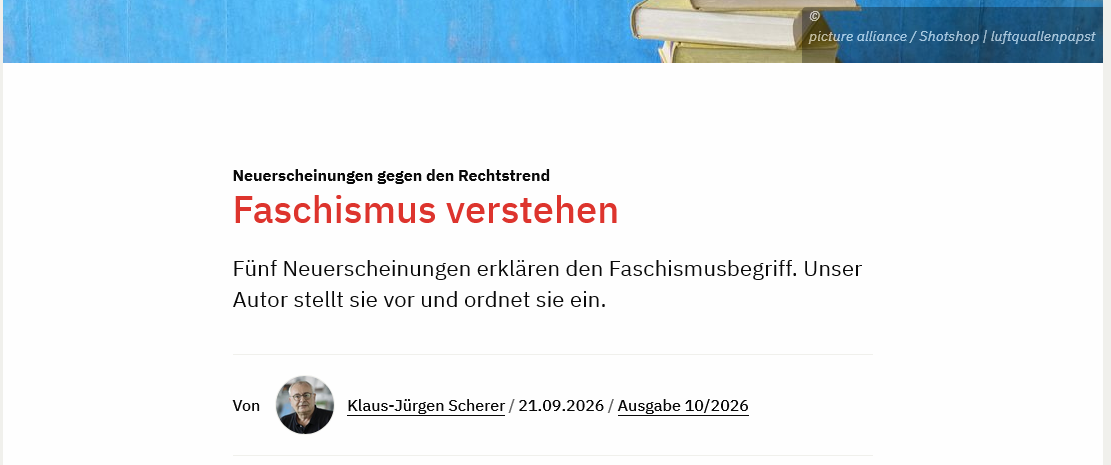
Was ist heute Faschismus?

Ein Beitrag in der ARD Mediathek aus dem Magazin ttt.

Die Philosophin Eva von Redecker definiert und erklärt den Rechtsruck unserer Gegenwart.

Ein Rechtsruck geht um die Welt – überall gewinnen autoritäre Kräfte an Macht und Einfluss. In der Folge werden Minderheiten ausgegrenzt oder körperlich angegriffen. Aber welche Entwicklungen in der Gesellschaft begünstigen dies? Der Faschismus der Gegenwart ist nicht mit dem der Vergangenheit zu vergleichen, er hat eine neue Gestalt, die nicht leicht zu erkennen und noch schwerer zu erklären ist. Mit „Dieser Drang nach Härte“ hat die Philosophin Eva von Redecker eine Analyse des neuen Faschismus vorgelegt, der hilft, ihn zu entschlüsseln und Strategien der Gegenwehr zu entwickeln.

Screenshot aus ttt - Eva von Redecker

Ehrendoktorat für Leon Weintraub

Leon Weintraub nahm 1946 sein Medizinstudium in Göttingen auf. Zuvor hatte er mehrere Konzentrationslager überlebt. Seitdem setzt sich der Auschwitz-Überlebende für die Menschlichkeit ein. Im März 2026 erhielt er die Ehrendoktorwürde und den Friedenspreis.

NDR-BeitragARD-MediathekARD-Mediathek II

4 %

Meron lives in Tel Aviv and, like most Israelis, has spent much of the past two weeks running to shelters. Yet this is just about the only thing he shares with the majority of his compatriots — not least because he is among the mere 4 percent of Israeli Jews who oppose this war that is setting the entire region ablaze.

But things don’t always go according to plan. When the dust settles, Meron says — reminding me that he’s often labeled an optimist — Israelis will realize, sooner or later, that they cannot escape the Palestinian question, and that a regime of apartheid and occupation will never have peace and quiet.

Public Engagement with Holocaust Memory Sites in Poland

Eine Rezension für H-Soz-Kult von Magdalena Saryusz-Wolska (Deutsches Historisches Institut Warschau)

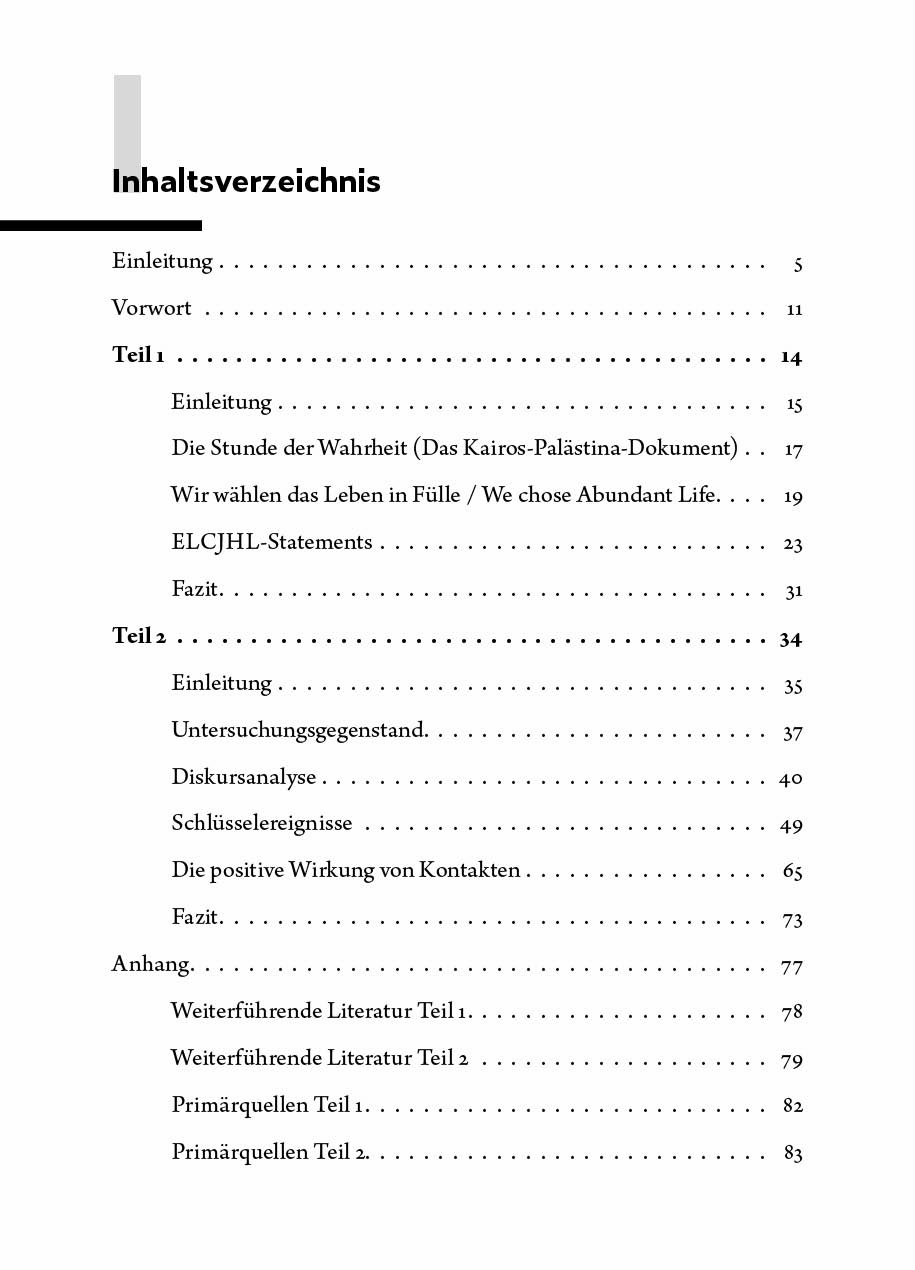
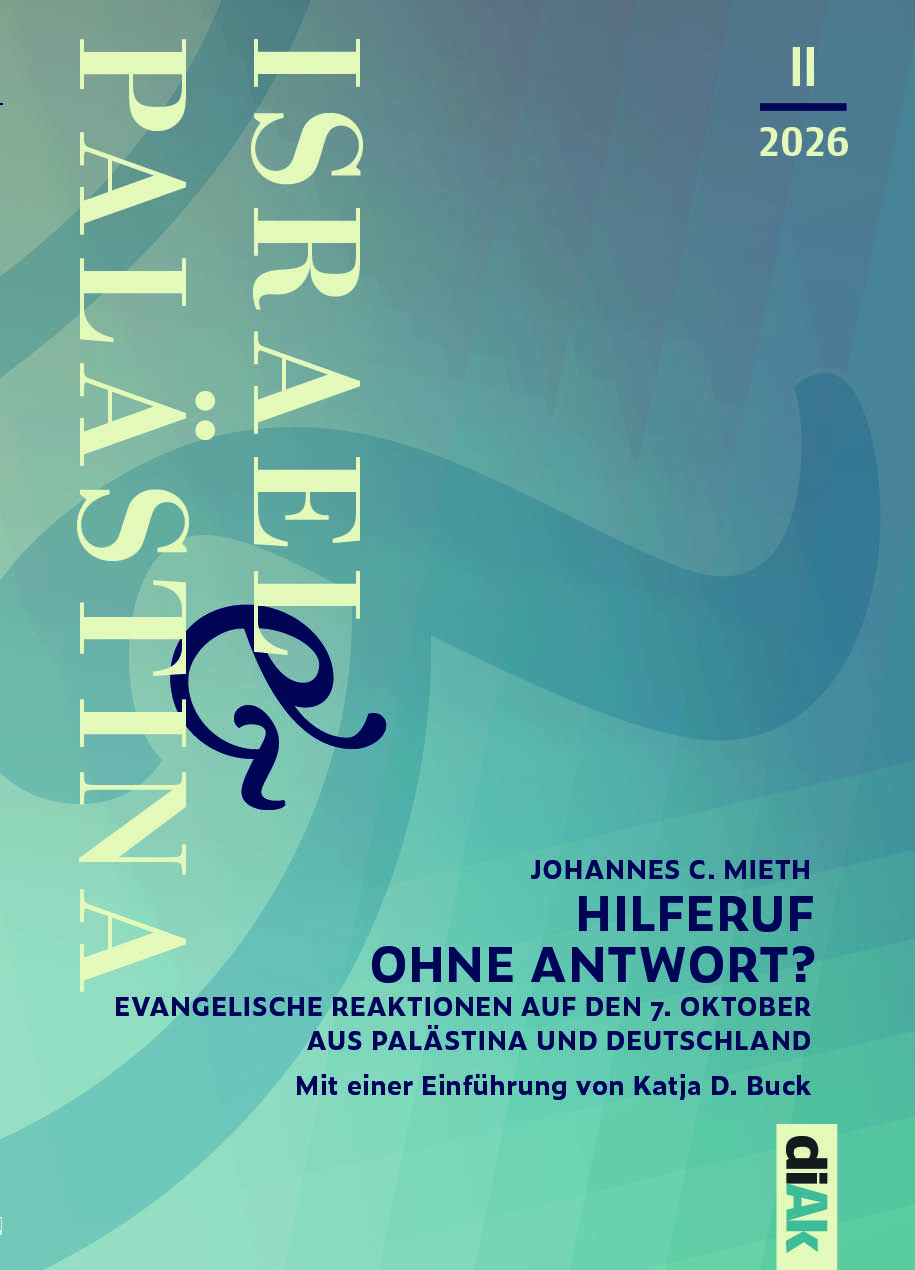
Polen ist im Kontext der Erinnerungsforschung ein besonderes Land. Die Überreste aller sechs nationalsozialistischen Vernichtungslager – Auschwitz-Birkenau, Belzec, Kulmhof, Majdanek, Sobibor und Treblinka – befinden sich auf dem Gebiet der heutigen Republik Polen. Hinzu kommen Überreste weiterer Lager wie Stutthof, Groß-Rosen oder Plaszow sowie unzählige andere killing sites. Dass die Gedenkstätten des Landes immer wieder Forschungsinteresse hervorrufen, ist also verständlich. Auch die zahlreichen Museen, beispielsweise das POLIN Museum der Geschichte der Polnischen Juden in Warschau oder das Museum des Zweiten Weltkriegs in Danzig, werden seit einigen Jahren immer intensiver erforscht.

In dieser umfangreichen Literatur hat Diana I. Popescu eine relevante Lücke identifiziert und internationale Autor:innen eingeladen, diese zu füllen

»Sie nutzen jeden Moment, sobald niemand hinschaut«

Ein Gespräch mit Ziv Stahl auf der Seite von ZenithZiv Stahl leitet die israelische Menschenrechtsorganisation Yesh Din, die Siedlergewalt im Westjordanland dokumentiert und Palästinensern Rechtsbeistand bietet.

„Während die Welt Richtung Iran blickt, eskaliert im Westjordanland die Siedlergewalt. Bewaffnete Reservisten, illegale Außenposten: Was dort geschieht, ist kein Randphänomen, sondern staatlich gedeckte Politik. Ein Gespräch mit Ziv Stahl über Verbrechen, die strafrechtlich fast nie verfolgt werden.

Moral Clarity in a Time of Escalation

The Palestinian and Israeli members of Combatants for Peace are united in our profound alarm at the current military escalation between the United States, Israel, and Iran.

As a joint movement committed to nonviolence and to ending the occupation through political means, we firmly reject the belief that expanded military force will bring safety or stability to our region.But why do we feel like this?

A few days ago in the West Bank, two Palestinian brothers were shot and killed by settlers in the village of Qaryut, part of a documented rise in settler violence and displacement that human rights organizations and UN monitors have repeatedly warned the world about. Such attacks are not isolated eruptions of chaos; they unfold within a system of occupation that fragments Palestinian life, weakens accountability, and entrenches a reality of unequal rights that corrodes any genuine prospect for peace.

In Israel, civilians have been killed and injured by Iranian missile strikes on residential areas, a stark reminder that when confrontation escalates between states, it is ordinary people who absorb the consequences. International humanitarian law is unequivocal: civilians must never be targeted, and indiscriminate attacks on populated areas are unlawful. As governments invoke deterrence and security to justify their actions, Israeli and Iranian families mourn loved ones as the confrontation spreads. Official statements speak in strategic terms; on the ground, it is grief that endures.

We refuse the hierarchy of grief that measures one life against another, and we reject the logic that treats civilian deaths as currency in a wider struggle. What binds these realities together is not only escalation between states, but the political structures that normalize and perpetuate harm – occupation, annexation, collective punishment, and regional brinkmanship that treats civilian lives as leverage rather than as equal human beings entitled to protection and dignity.

Moral clarity at this moment requires holding these truths together: opposing attacks on civilians everywhere while confronting the underlying reality of occupation, oppression and entrenched injustice that makes repeated escalation inevitable. Expanding war will not resolve either; it will only prologue the suffering.

If we are serious about protecting civilian life, we must be serious about ending the systems that endanger it. 
In hope,


Donate to Combatants for Peace Today