Deutschlandfunk Kultur – Wie Memes, Humor und KI im Krieg funktionieren
Im Nahen Osten verarbeiten die Menschen ihre Verzweiflung häufig mit Humor und Satire. Desinformation mit KI spielt auch eine immer größere Rolle. Mit den Journalisten Mohamed Amjahid und Franziska Klemenz geht es außerdem um queeres Reality-TV.
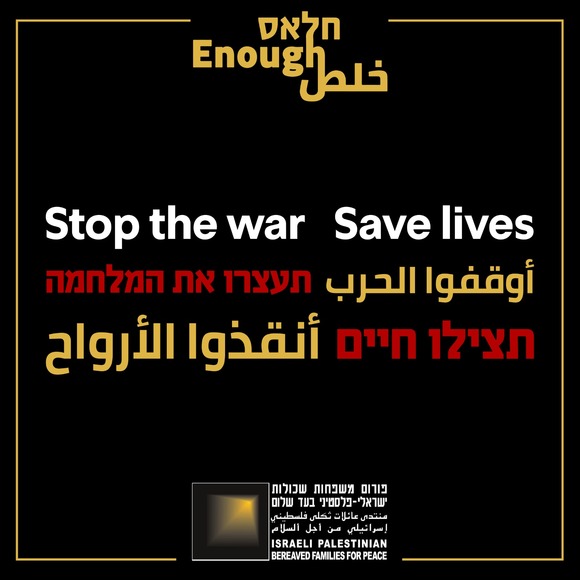
Erklärung des Parents Circle-Israeli Palestinian Bereaved Families for Peace vom 17. Juni 2025
„In diesen dramatischen und schmerzhaften Tagen haben wir – die palästinensischen und israelischen Familien, die den höchsten Preis bezahlt haben – eine klare Botschaft: Wir weigern uns, ein Leben zu führen, das von Mord, Besatzung und Angst bestimmt ist. Krieg und Konflikt werden uns nicht definieren. Wir bestehen weiterhin darauf, daß die Zukunft nur durch geteilte Menschlichkeit, Würde und die Hoffnung auf ein Leben in Freiheit, Gerechtigkeit und Sicherheit für alle gestaltet werden kann.“
Fokus Nahoste.V.will die kulturelle Vielfalt im Nahen Osten stärken und sichtbar machen. Menschen sollen unabhängig von ihrer religiösen oder ethnischen Zugehörigkeit in ihrer Heimat bleiben können. Deswegen unterstützen wir Initiativen und Projekte, die dafür stehen.
Über Jahrtausende haben im Nahen Osten viele Kulturen und Ethnien miteinander und nebeneinander gelebt. Durch gegenseitigen Austausch und Konfrontation ist ein einzigartiges Mosaik entstanden, das heute jedoch bedrohter denn je ist. Fokus Nahost möchte diesen einmaligen kulturellen Reichtum sichtbar machen. Wir verstehen Vielfalt als eine Chance für alle – überall auf der Welt. Das wollen wir zusammen mit unseren Partner:innen vor Ort zeigen.
Der Historiker Ilan Pappe widmet sich in seinem neuen Buch den »vergessenen« Palästinenser:innen in Israel. Wie sich die staatliche Politik ihnen gegenüber seit 1948 verändert hat und warum sie eine Schlüsselrolle für eine gerechtere Zukunft spielen, erklärt er im Gespräch.
Ein Interview mit Ilan Pappe geführt von Magdalena Berger auf Jacobin.de
Lesenswerte Überlegungen von Rida Abu Rass auf dem Portal +972mag über „What can the Joint List teach us about building Palestinian political power?“ – Ten years after its formation, this experiment in Palestinian unity inside Israel — and its ultimate collapse — shows the need for carefully cultivated alliances.
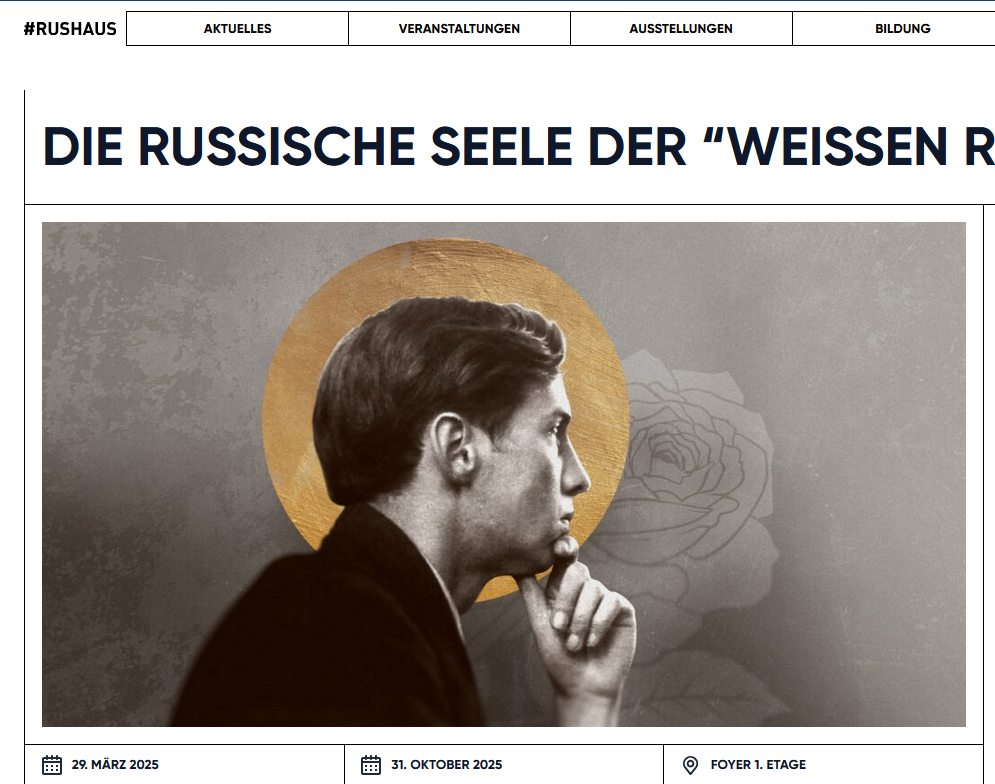
Ausstellung im Museum Russisches Haus (#RusHaus) in Berlin bis Oktober 2025
Der Name Alexander Schmorell ist vielen als einer der bedeutenden Widerstandskämpfer gegen den Nationalsozialismus während des Zweiten Weltkriegs bekannt. Als Mitbegründer der studentischen Widerstandsgruppe Weiße Rose setzte er sich mutig gegen das NS-Regime ein.
Sein Name steht in einer Reihe mit anderen prägenden Figuren des deutschen Widerstands wie Willi Graf sowie Hans und Sophie Scholl. Weniger bekannt sind jedoch seine russischen Wurzeln, sein tief verwurzelter orthodoxer Glaube und seine enge Verbindung zu Rußland. Nur wenige wissen, daß die Russische Orthodoxe Kirche im Ausland ihn im Jahr 2012 als Heiligen unter dem Namen Alexander von München kanonisiert hat.
Die von der Orenburger Stiftung ‚Eurasia‘ mitgestaltete Ausstellung beleuchtet die vielschichtigen Facetten seines Lebens. Sie gewährt Einblicke in die Geschichte seiner Familie, seine Kindheit in Orenburg und seine Jugend in Deutschland. Zudem erzählt sie von seinen Freundschaften, der Entstehung und Tätigkeit der Weißen Rose sowie von seinem Einsatz an der Ostfront. Besonders hervorgehoben werden sein unermüdliches Streben nach Freiheit, seine geistige Verbundenheit mit Rußsland, seine Heiligsprechung und die heutige Erinnerung an sein Vermächtnis.
(Noch frei) zugänglich bei der Berliner Zeitung ein Bericht von Michael Maier zur Ausstellung: SS-Himmler über Alexander Schmorell: Täter wegen „russischen Blutsanteils“ – Eine Ausstellung erinnert an einen Deutsch-Russen, der wegen seiner Mitwirkung an Aktionen der Weißen Rose von den Nationalsozialisten hingerichtet wurde.
Am 1. März 2025 verstarb Prof. Haim Goren. Der 1946 geborene Historiker war lange Zeit Professor am Tel Hai-College im äußersten Norden Israels und DER Experte für den deutschen, v.a. auch katholischen Beitrag zur Geschichte des Heiligen Landes ab dem 19. Jahrhundert. Mehrere seiner zahlreichen Werke wurden deshalb auch in die deutsche Sprache übersetzt, die er selbst so gut beherrschte, daß er auch Quellen in Sütterlin lesen und auswerten konnte – in Israel heute eine Seltenheit.
Für deutsche Leser:nnen sind dementsprechend auch die diesbezüglichen Werke besonders interessant: So behandelte er in „Zieht hin und erforscht das Land“ (Göttingen 2003) die deutsche Palästinaforschung im 19. Jahrhundert, in „Echt katholisch und gut deutsch“ (Göttingen 2009) das Engagement der deutschen Katholiken in Palästina vor dem 1. Weltkrieg – insbesondere das des Deutschen Vereins vom Heiligen Lande (DVHL).
In dem von ihm und Yossi Leshem herausgegebenen Band über Pater Ernst Schmitz (2020) stellte er den Naturforscher und längjährigen Leiter der DVHL-Einrichtungen vor, und der Sammelband „Deutschland und Deutsche in Jerusalem“ (2011) versammelte Aufsätze zu ganz unterschiedlichen Aspekten – vom Besuch Kaiser Wilhelms II. bis zu deutschen Krankenhäusern und Photographen in Jerusalem. Weitere Werke aus den letzten Jahren waren den historischen Friedhöfen der Templer im Nahen Osten (1869-1948) gewidmet, aber auch dem ‚Vater‘ der modernen Palästina-Wissenschaft Edward Robinson oder der Erforschung des Toten Meeres. Außerdem galt sein besonderes Interesse der Geschichte Galiläas – wohnte er doch seit Jahrzehnten in Rosh Pinna.
In zahlreichen Vorträgen und Exkursionen gab er sein Wissen weiter – selbst für den Tag vor seinem Tod war noch eine Führung in Tabgha geplant. Er wird fehlen.