Noch einmal, und immer wieder: Eine andere Welt ist möglich, es gibt keinen unabänderlichen Lauf der Geschichte!

Ein Plakat und ein Mailing vom Israeli Palestinian Bereaved Family Forum // Parents Circle …
Noch einmal, und immer wieder: Eine andere Welt ist möglich, es gibt keinen unabänderlichen Lauf der Geschichte!
Ein Plakat und ein Mailing vom Israeli Palestinian Bereaved Family Forum // Parents Circle …
BOOKS, SCROLLS AND ICONS AS CARRIERS OF SACREDNESS
Auch wenn die Zeiten und Nachrichten nicht recht zu diesem Titel zu passen scheinen…
Ein spannendes Online-Programm 23-25- September 2024
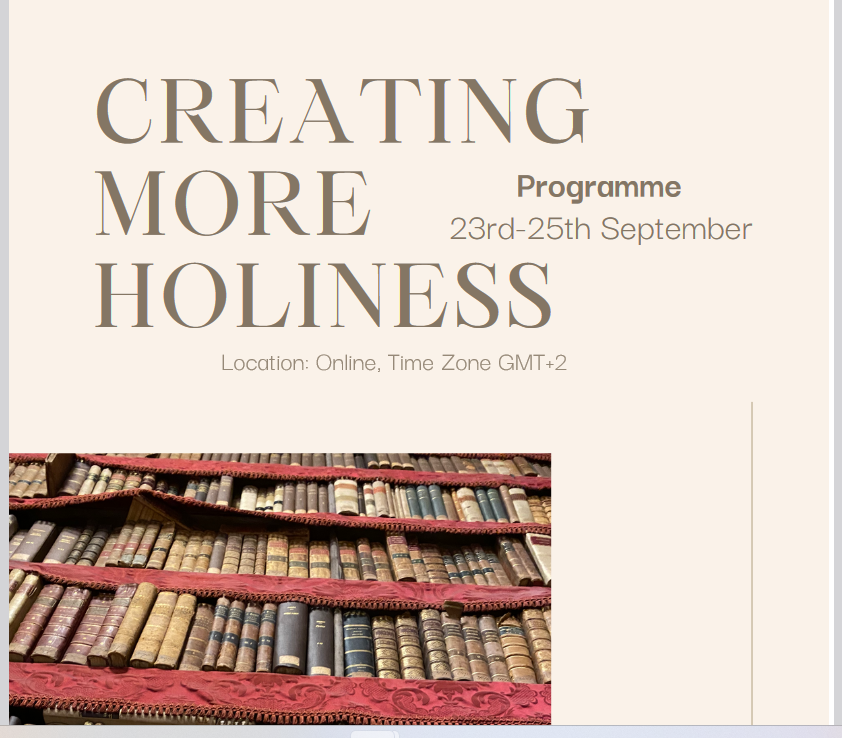
Programmheft
ToRoll: Materialized holiness is a collaborative research project to examine the production of ritually pure Torah scrolls as an extraordinary codicological, theological, and sociological phenomenon of Jewish scribal culture. The project includes the digital edition of selected scribe literature from antiquity until the
modern era, paleographical analyses of the letter crownlets and particular forms of lettering, analyses of the inks and the materials used for writing medieval Torah scrolls of European provenance, and qualitative interviews with contemporary scribes.
A primary objective of the project is to further integrate central research fields of Jewish Studies into the inter- and transdisciplinary research discourses, and to open them up for methodological approaches with the help of the Digital Humanities. For processing new research Questions, the project combines the academic expertise from Jewish Studies with the methods of material research, the social sciences, and art history, as well as with the future-oriented approaches of information technology.
Annett Martini in Bologna Materialized Holiness

+ Schutz für Journalist:innen in Gaza!
+ Aufhebung des israelischen Einreiseverbots für unabhängige internationale Berichterstatter:innen ins Kriegsgebiet!
+ Keine ungeprüfte Übernahme von Darstellungen von Kriegsparteien in der Berichterstattung! Stattdessen: Quellenvielfalt, Einbettung in den historischen und politischen Kontext, Zusammenarbeit auf Augenhöhe mit palästinensischen Journalist:innen.
Zur Website mit den Unterzeichnenden
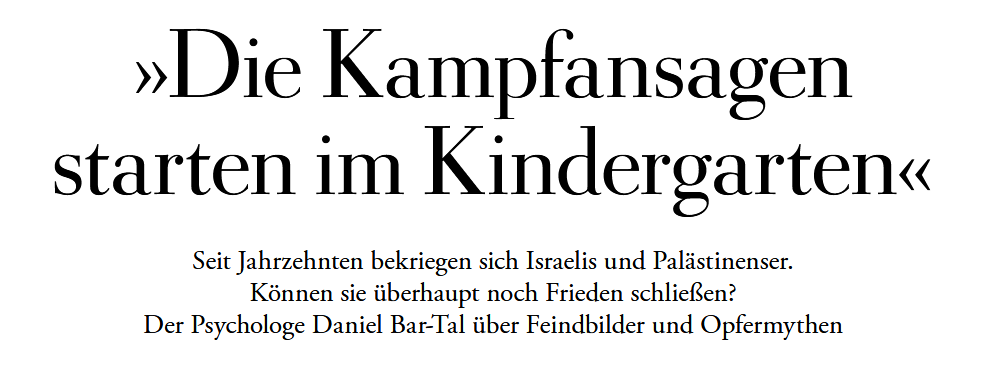
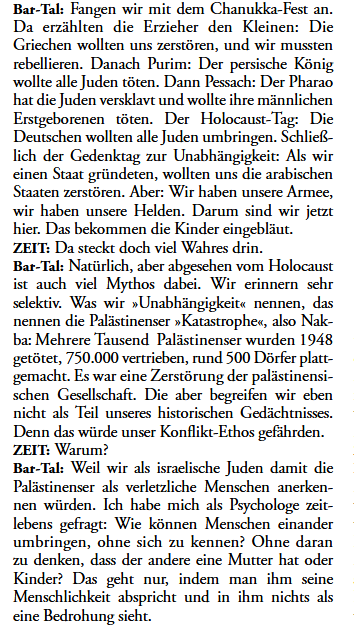
Der Autor unseres Schriftenreihen-Bandes 46 | Unbekümmert in den Abgrund. Die Folgen von Konflikt und Besatzung für die jüdisch-israelische Gesellschaft in einem ganzseitigen Gespräch in der ZEIT (aktuell hinter der Bezahlschranke, aber im folgenden ein paar Zitate):
(…)
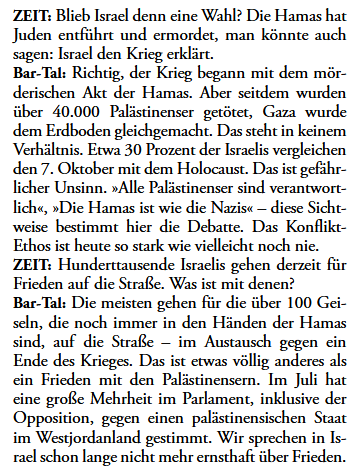
(…)
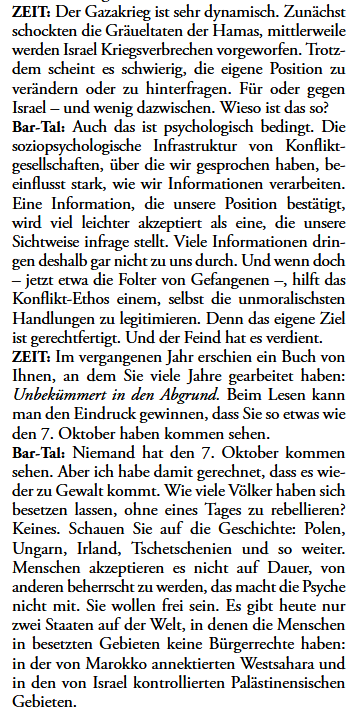

Syrien, 2011 Brennpunkt des Arabischen Frühlings und seitdem Schauplatz eines gewaltsamen, internationalisierten Bürgerkriegs, ist angesichts anderer Konfliktarenen wie der Ukraine und Gaza in den letzten Jahren zunehmend aus dem Blickfeld der Weltöffentlichkeit geraten.

Interview mit den GIGA-Expert:innen Dr. André Bank und Dr. Christiane Fröhlich zur aktuellen Situation
Sonntag, 8. September bis Sonntag, 3. November 2024
Schloß Friedenstein, Spiegelsaal
Kurator: Dr. Feras Krimsti
Öffnungszeiten: Dienstag bis Sonntag, 10 bis 17 Uhr sowie an den Feiertagen 20. September, 3. Oktober und 31. Oktober. Vom 25. bis 27. September bleibt die Ausstellung geschlossen.

Ende des 16. Jahrhunderts notierte ein Schüler osmanische Wörter in sein Schulheft. Er sollte später ein einflußreicher lutherischer Theologe werden. Vom Besuch eines äthiopischen Geistlichen in Gotha 1652 sind Übersetzungen religiöser Literatur erhalten, die er gemeinsam mit einem deutschen Gelehrten verfaßte, der die Äthiopistik begründen sollte. Im 17. Jahrhundert schrieb ein Numismatiker ein Lobgedicht in Arabisch und Latein auf den Gothaer Herzog, in der Hoffnung sich eine Position an der Herzoglichen Bibliothek zu sichern. Ein Naturforscher sandte im ersten Jahrzehnt des 19. Jahrhunderts von seiner Reise durch das Osmanische Reich und Arabien arabische, persische und osmanische Handschriften an die Gothaer Bibliothek. Auch sammelte er im Osmanischen Reich kulturelle Artefakte, wie etwa einzigartige historische Stoffproben, und schickte sie nach Gotha.
Diese und viele weitere Spuren der Auseinandersetzung mit dem Orient haben sich in Gotha erhalten. Sie verweisen auf das Wirken von Gelehrten, die es vom 16. bis zum 19. Jahrhundert in die Stadt zog. Dazu gehörten protestantische Theologen, aufklärerische Naturforscher, historisch-kritisch arbeitende Orientalisten, Dichter der Romantik oder auch Kartographen. Diesen Gelehrten und den Spuren, die sie hinterlassen haben, ist die Ausstellung „Der Orient in Gotha“ gewidmet. Jeder von ihnen prägte auf seine Weise die Sicht auf die Kultur, Geschichte, Literatur und Geographie des Osmanischen Reichs, der arabischen Halbinsel, Äthiopiens und weiterer Gebiete, die als Teil des Orients verstanden wurden. Vierhundert Jahre Orient-Studien in Gotha zeugen nicht nur vom Wandel der Wissenschaften, sondern beleuchten auch die Geistes- und Wissenskultur der Stadt Gotha.
Zwei Beispiele in der aktuellen Situation,
… nicht vergleichbar, kein Leid gilt es zu vergleichen – und doch wichtig auf alles Leid zu schauen:

Website: http://www.machon-adler.co.il Facebook: http://www.facebook.com/adlerins
Address: 14 HaTa’as St., Kfar Saba P.O. Box 2235 Zip Code: 4442514
Phone: +972-9-9727900 Fax: +972-9-9518434
Adler Institute: Comprehensive Activity Report September 2024 (->PDF)
Emergency Response and Rehabilitation Program
The Adler Institute continues to operate its Emergency Response and Rehabilitation Program
to support victims of the October 2023 tragedy. As time progresses, we’ve adapted our
services to meet evolving needs …
***

Spendenaufruf Nothilfe weltweit Kinder zahlen in den Palästinensischen Gebieten und in Israel für den Nahost-Konflikt den höchsten Preis. Tausende sind im Gazastreifen bereits ums Leben gekommen, unzählige weitere sind auf der Suche nach einem sicheren Ort. Auch unter den Menschen, die aus Israel entführt wurden, sind Kinder. Save the Children fordert weiterhin ihre unmittelbare Freilassung. Die humanitäre Lage im Gazastreifen ist katastrophal.
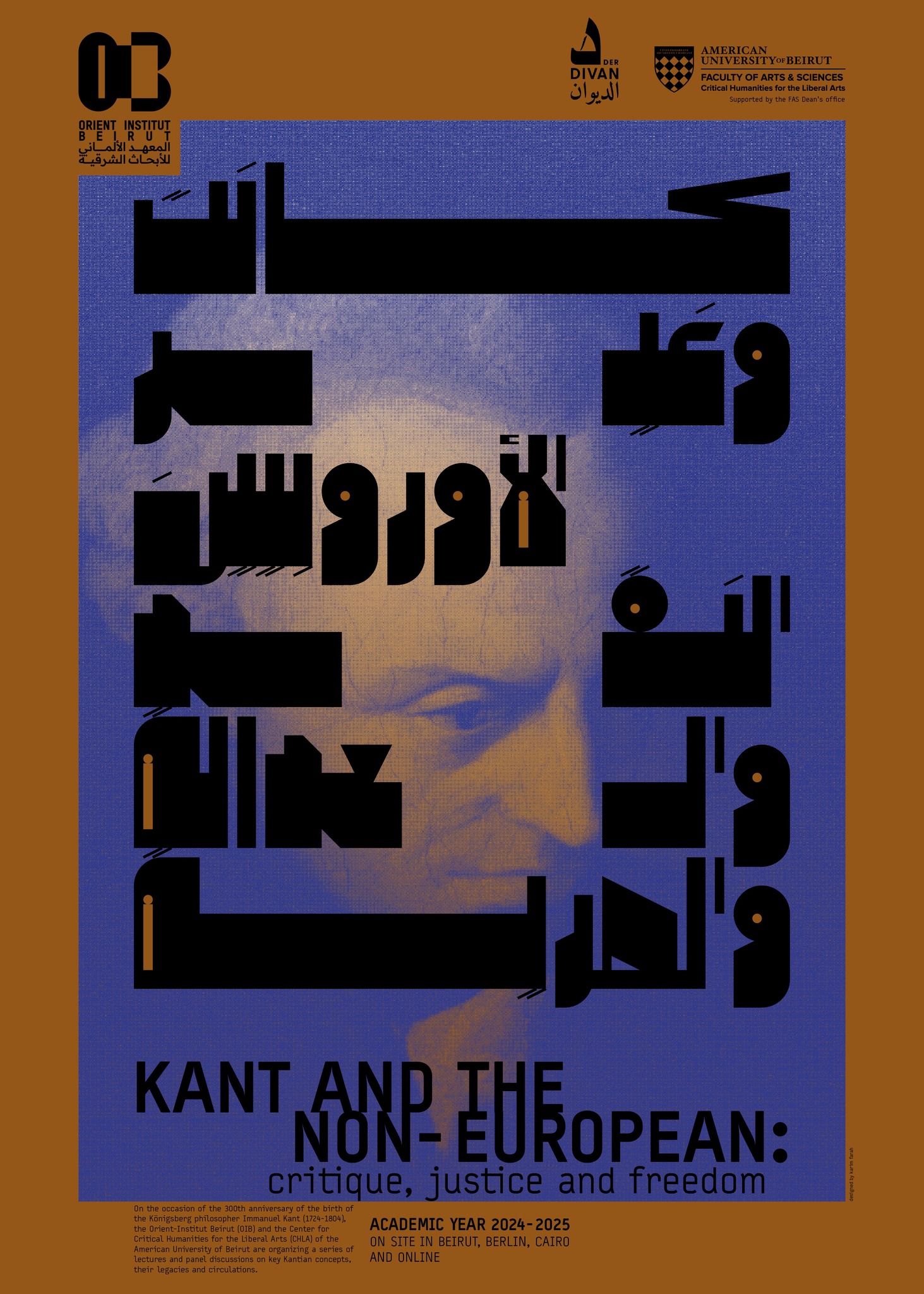
Opening lecture with Oxana Timofeeva on
„Why are we moving in the opposite direction of perpetual peace?“
September 5, 2024, 5pm CET
Der DIVAN – das Arabische Kulturhaus, Schützallee 27-29, 14 169 Berlin
The lecture can be attended on site in Berlin as well as online and in Beirut (6pm local time) on AUB campus – This lecture is part of the lecture series (Ringvorlesung) Kant and the Non-European: Critique, Justice and Freedom | Mit OIB Orient-Institut Beirut.
Nachdenken über das Unmögliche?
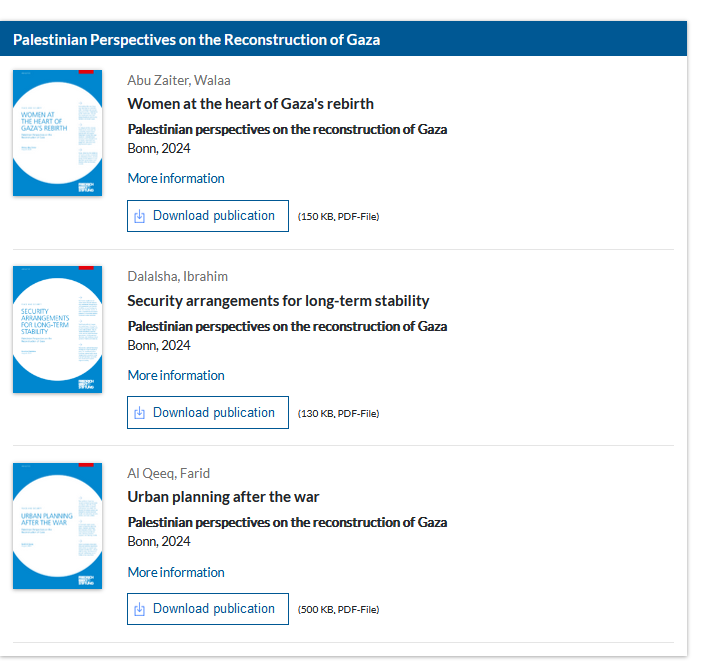
„Palestinian Perspectives on the Reconstruction of Gaza“ is a joint project carried out by the Friedrich-Ebert-Stiftung (FES) and the Stiftung Wissenschaft und Politik (SWP), the German Institute for International and Security Affairs. The papers published within the framework of this project focus on Palestinian needs and priorities with regard to a range of topics linked to early recovery and reconstruction of Gaza after the 2023/2024 war.
In this context, they do not regard the Gaza Strip as a separate entity, but as part of the Palestinian territories occupied by Israel since 1967. They also hold that all approaches, be they short or long term, should be compatible with the principle of Palestinian self-determination. The objective is to highlight key insights from Palestinian experiences and expertise and introduce them into the international debate. Papers cover aspects such as security arrangements, governance, the role of women and urban planning for recovery and reconstruction. They reflect the author’s views only.
Editorial team: Usama Antar, Friederike Stolleis and Konstantin Witschel (FES), Muriel Asseburg (SWP), Omar Shaban (PalThink).
Links zum Download auf der Seite der FES.
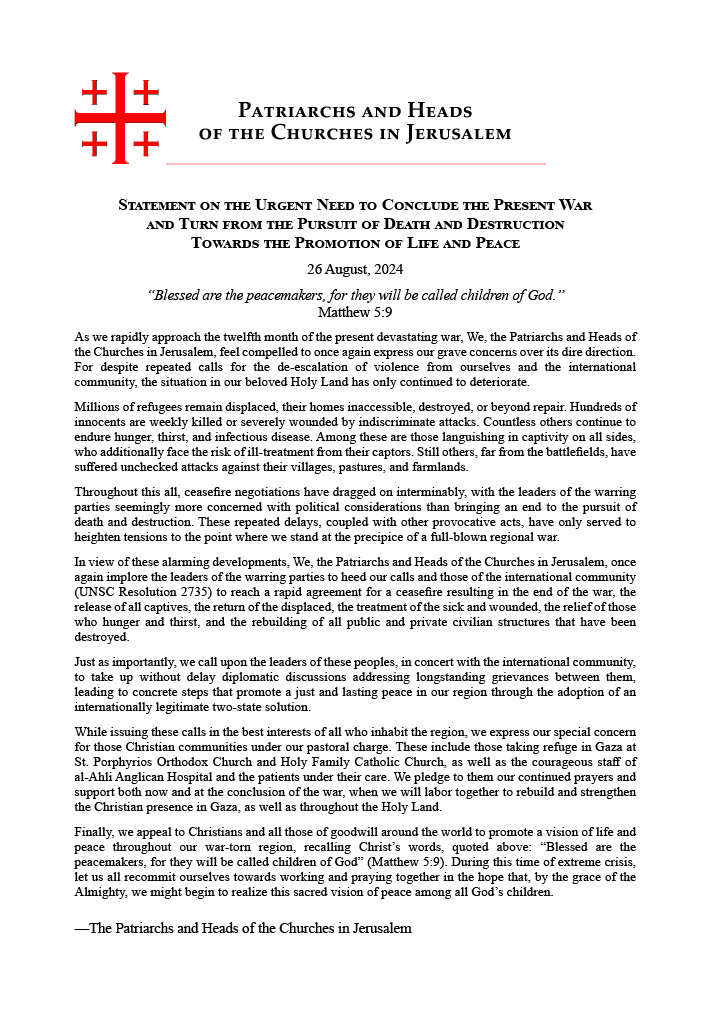
The Patriarchs and Heads of the Churches in Jerusalem have issued a statement, released on 26 August 2024
The statement says:
Blessed are the peacemakers, for they will be called children of God.” Matthew 5:9
As we rapidly approach the twelfth month of the present devastating war, We, the Patriarchs and Heads of the Churches in Jerusalem, feel compelled to once again express our grave concerns over its dire direction. For despite repeated calls for the de-escalation of violence from ourselves and the international community, the situation in our beloved Holy Land has only continued to deteriorate.
Millions of refugees remain displaced, their homes inaccessible, destroyed, or beyond repair. Hundreds of innocents are weekly killed or severely wounded by indiscriminate attacks. Countless others continue to endure hunger, thirst, and infectious disease. Among these are those languishing in captivity on all sides, who additionally face the risk of ill-treatment from their captors. Still others, far from the battlefields, have suffered unchecked attacks against their villages, pastures, and farmlands.
Throughout this all, ceasefire negotiations have dragged on interminably, with the leaders of the warring parties seemingly more concerned with political considerations than bringing an end to the pursuit of death and destruction. These repeated delays, coupled with other provocative acts, have only served to heighten tensions to the point where we stand at the precipice of a full-blown regional war.
In view of these alarming developments, We, the Patriarchs and Heads of the Churches in Jerusalem, once again implore the leaders of the warring parties to heed our calls and those of the international community (UNSC Resolution 2735) to reach a rapid agreement for a ceasefire resulting in the end of the war, the release of all captives, the return of the displaced, the treatment of the sick and wounded, the relief of those who hunger and thirst, and the rebuilding of all public and private civilian structures that have been destroyed.
Just as importantly, we call upon the leaders of these peoples, in concert with the international community, to take up without delay diplomatic discussions addressing longstanding grievances between them, leading to concrete steps that promote a just and lasting peace in our region through the adoption of an internationally legitimate two-state solution.
While issuing these calls in the best interests of all who inhabit the region, we express our special concern for those Christian communities under our pastoral charge. These include those taking refuge in Gaza at St. Porphyrios Orthodox Church and Holy Family Catholic Church, as well as the courageous staff of al-Ahli Anglican Hospital and the patients under their care. We pledge to them our continued prayers and support both now and at the conclusion of the war, when we will labor together to rebuild and strengthen the Christian presence in Gaza, as well as throughout the Holy Land.
Finally, we appeal to Christians and all those of goodwill around the world to promote a vision of life and peace throughout our war-torn region, recalling Christ’s words, quoted above: “Blessed are the peacemakers, for they will be called children of God” (Matthew 5:9). During this time of extreme crisis, let us all recommit ourselves towards working and praying together in the hope that, by the grace of the Almighty, we might begin to realize this sacred vision of peace among all God’s children.
— The Patriarchs and Heads of the Churches in Jerusalem