Wie kann Israel von dem Baum wieder herunterklettern, auf den es geklettert ist, danach fragt ein Beitrag von Michael Koplow auf der Seite des US-amerikanischen Liberal Patriot:
Tal Mitnick, der erste israelische Refusnik (Verweigerer) seit dem 7. Oktober, hat seine Antwort gegeben (Beitrag dazu auf +972mag):
Die Gewalt, die Trauer, das Leiden haben noch immer kein Ende. Wir haben an dieser Stelle in den letzten Wochen auch immer wieder versucht, auf Ideen und Initiativen hinzuweisen, die an einer kooperativen Vision festhalten … so wollen wir auch dieses Jahr beschliessen und das nächste beginnen
Aus dem Medienarchiv des ZDF heute journal (vom 14. Dezember 2023)
Nicht einfach, daran festzuhalten, daß es der Friedensfürst ist, der Erwartete, Ersehnte … Feiern im Angesicht all der Gewalt, nicht nur in der Region, die manche (von uns) Heiliges Land nennen.
Es sind drei Gaben, die von den Weisen „aus dem Osten“ in dieser Nacht gebracht werden, Gold -, Weihrauch, priesterliches Zeichen für das Neugeborene, und Myhrre… jene Substanz, mit der Gekreuzigte eingehüllt werden wird – auch Christtag ist schon ein kleines Ostern.
Es sollen sich Gerechtigkeit und Frieden umarmen, bald, bald, bald …
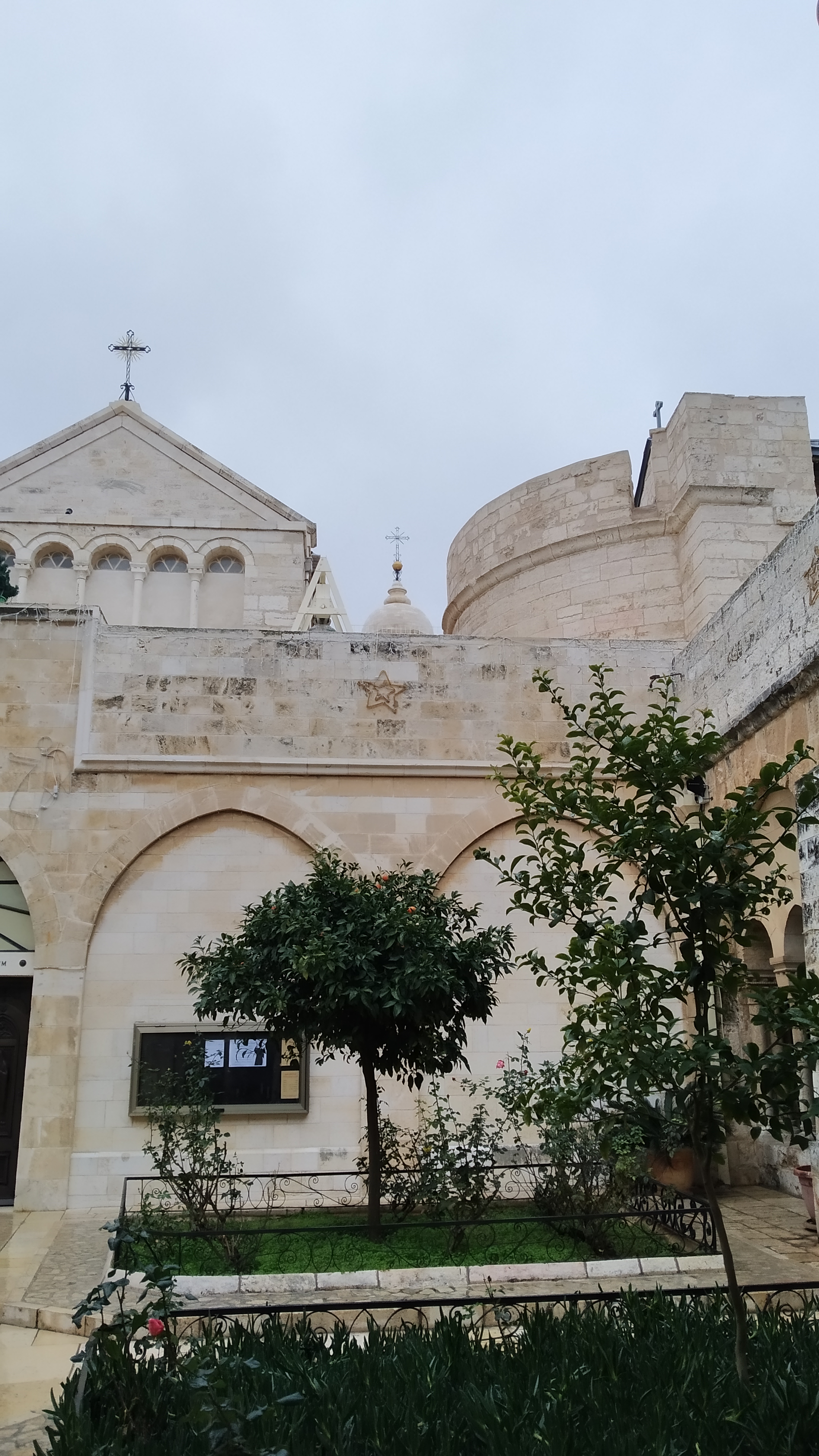
Geburtskirche und Kirche St. Katharina
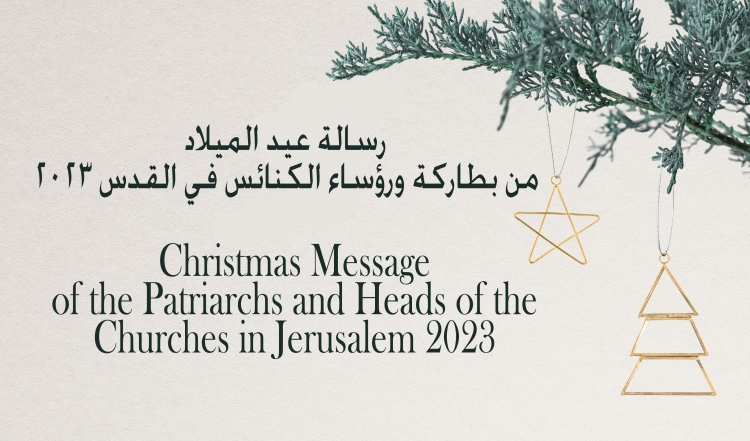
… (Auszug) Aus der Christtagsbotschaft der Oberhäupter der Kirchen Jerusalems
„This is the divine message of hope and peace that Christ’s Nativity inspires within us, even in the midst of suffering. For Christ himself was born and lived amid great suffering. Indeed, he suffered for our sake, even unto death upon a cross, in order that the light of hope would shine into the world, overcoming the darkness (John 1:5).
It is in this spirit of Christmas that We, the Patriarchs and Heads of the Churches in Jerusalem, denounce all violent actions and call for their end. We likewise call upon the people of this land and around the globe to seek the graces of God so that we might learn to walk with each other in the paths of justice, mercy, and peace. Finally, we bid the faithful and all those of goodwill to work tirelessly for the relief of the afflicted and towards a just and lasting peace in this land that is equally sacred to the three Monotheistic Faiths.
„In these ways, the hope of Christmas will indeed be born once again, beginning in Bethlehem and extending from Jerusalem to the ends of the earth—thus realizing the comforting words of Zechariah, that “the dawn from on high will break upon us to give light to those who sit in darkness and the shadow of death, guiding our feet into the way of peace” (Luke 1:78–79).“In these ways, the hope of Christmas will indeed be born once again, beginning in Bethlehem and extending from Jerusalem to the ends of the earth—thus realizing the comforting words of Zechariah, that “the dawn from on high will break upon us to give light to those who sit in darkness and the shadow of death, guiding our feet into the way of peace” (Luke 1:78–79).“
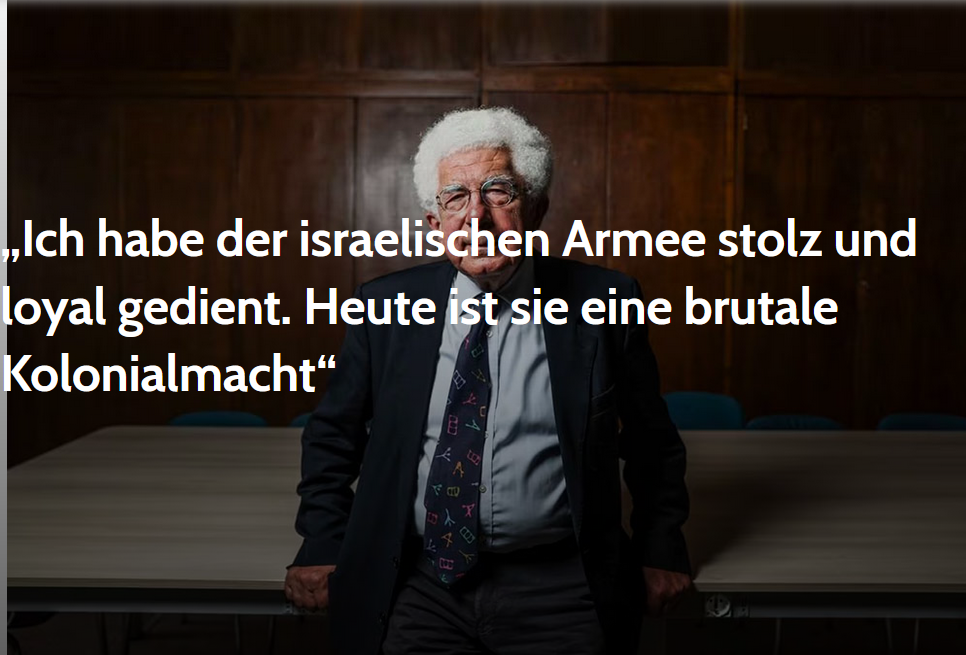
„Ich habe der israelischen Armee stolz und loyal gedient… „
Der israelisch-britische Historiker Avi Shlaim, ehemaliger Professor für internationale Beziehungen an der Oxford University, wurde 1945 in Bagdad geborgen und ist vielen bekannt über sein Buch: „The Iron Wall”, das die Ursprünge des Konflikts unter der britischen Kolonialherrschaft, die großen arabisch-israelischen Kriege, den gescheiterten Friedensprozeß sowie die Erste und Zweite Intifada behandelt. Shlaim formuliert pointiert und klar. ( … warum er wohl ein solches Interview nicht einem weniger umstrittenen Ort gegeben hat …) Avi Shlaim gehört zu den 40 Unterzeichners eines Offenen Briefes an die britische Politik vom 20. Oktober 2023, der in Israel kontrovers diskutiert wurde
Hierzulande bewegen sich die Menschen innerlich und äußerlich auf die Feiertage zu, egal ob sie darin noch metaphysisch oder gar spirituell einen Sinn erkennen oder es willkommene streßfreie, erholsame, vielleicht sogar ruhige Tage sind. Anderenorts gehen die Auseinandersetzungen weiter und die Gewalt macht keine Pause, auch nicht wegen des Kindes in Bethlehem, das manche den „Friedensfürsten“ nennen (… vielen in dieser Stadt wird das wohl in diesem besonders schwer fallen)
Andere bangen um ihre Verschleppten. Und wer zwischen den Resten seiner Satdt sitzt …
Nicht billiger Trost soll es da sein, aber es ist ermutigend zu sehen, wie die Journalist:innen bei +972mag auf die Situation schauen: ... den Sinn für das Richtige bewahren ....
„Witnessing these changes in Israel-Palestine, we at +972 have always made it imperative to hold our moral ground. We are uncompromising in our mission to challenge structures of injustice and oppression — most of all in Gaza, where the Israeli army has unleashed an apocalypse on the besieged Palestinian population. But we are also anchored in the values of empathy and humanity, including for the Israelis cruelly targeted and kidnapped by the Hamas-led assault.“
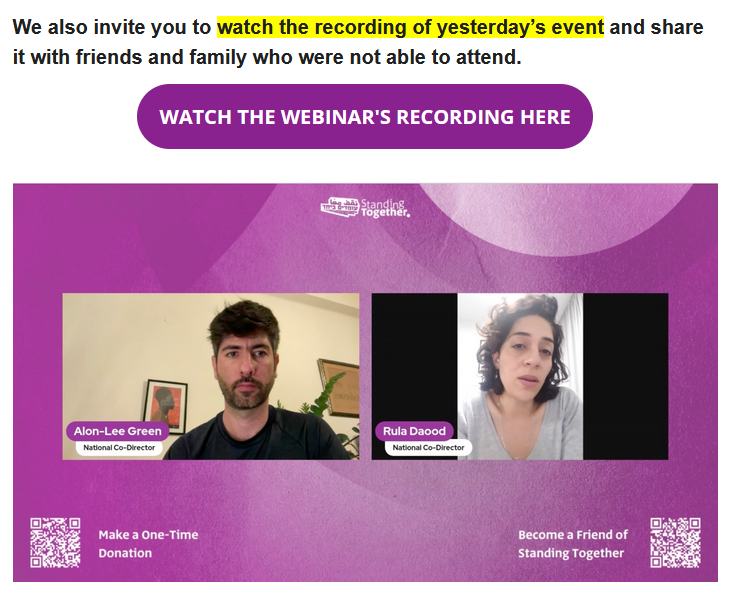
Auch Nach-hören lohnt sich, das Gespräch mit Alon-Lee Green und Rula Daoud von Standing Together am 17. Dezember läßt sich hier finden … keine verschwendete Zeit, da zuzuhören…:
In ihrer Mail dazu schreiben sie:
„Wow! Over 1,800 viewers from all over the world tuned in yesterday to hear our vision as a movement and what we are doing right now, on the ground. We are excited to share that during the webinar over 250 people joined our new global community – Friends of Standing Together, and many more decided to contribute one-time donations. We are very grateful to receive so much support from all of you, this enables us to continue our work and grow our movement.“
Im Bereich Open Space der Berliner Zeitung erschien am heutigen Shabbat ein Beitrag von Mato Shemoleof, der seine, der die Situation seiner Familie reflektiert, ein Israeli in Berlin, schon da, noch da, zwischen den Stühlen und bei den Menschen: Sehr lesenswert!
Das letzte Licht von Chanukka, Shabbat beginnt, es ist noch Freitag (und heue und gestern auch der Tag des großen Mystikers Johannes vom Kreuz), die Gewalt geht weiter … wie lange noch …
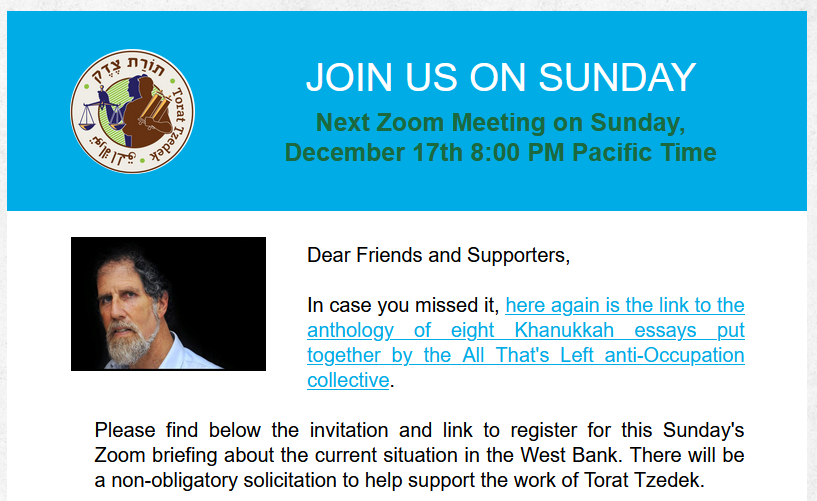
Hier die Einladung zur einer Zoom-Begegnung mit Rabbi Arik Aschermann von Torat Tzedek über die Situtation in der Westbank. Hier zur gesamten Mail, in der noch mehr zur wichtigen Arbeit von Torat Tzedek zu finden ist.
Standing to-gether – Was sonst? Eine gemeinsame Zukunft oder keine lebenswerte, noch immer gibt es Stimmen, die diese ‚Binsenwahrheit‘ nicht nur denken, sondern aussprechen.
Der taz-talk (vom 6. Dezember 2023) mit Rula Daood und Alon-Lee Green von Standing together ist hier bei Youtube nachzuhören – und ein Gespräch im Deutschlandfunk.
May Pundak von A Land for All, und Rana Salman from Combatants for Peace auf CNN im Gespräch. Auch wenn schon ein paar wenige Tage alt, ist es eine ermutigende „Botschaft“.
Dank an B8ofhope (Initiative „promoting peace-building and transformative grassroots initiatives within both Palestinian and Israeli civil societies“) aus der Schweiz, durch wir (erst heute) darauf aufmerksam wurden.
“If we punch a hole in this boat, we will all sink together.” Activists May Pundak of @2States1Homelan and Rana Salman of @cfpeace discuss their enduring dream for Middle East peace, even as explosions ring out while we speak. “Our lives are intertwined,” they say. pic.twitter.com/zv7DKpd7gz