An der Hoffnung festhalten

Ein kleiner Auszug:

Aus der ganzen Welt werden sie zu uns kommen, um zu sehen, wie wir Frieden von unten schaffen

Und dann werden wir entscheiden müssen, wie wir reagieren. Ob wir ihren Geschichten zuhören? Ob es uns gelingt, Tränen zuzulassen und mit ihnen zu fühlen? Ob wir vielleicht sogar irgendwann mit ihnen werden lachen können?

Werden wir gemeinsame Geschichten des Leids entdecken können – wohl ein bißchen unterschiedlich und doch einander ähnelnd, Geschichten darüber, was jenseits des Zauns geschehen ist und was hier bei uns? Wohin wird unsere Scham uns tragen und wohin vor allem die Verantwortung? Werden wir ihnen Empathie entgegenbringen können, so wie sie sie uns gegenüber zeigen werden? Und muß man überhaupt erst darauf warten, daß die andere Seite damit beginnt?

International Encyclopedia of the First World War

Seit längerem wieder einmal ein Hinweis zu den Möglichkeiten des Netzes: 1914-1918-online.net – Ein Projekt der Freien Universität Berlin / Friedrich-Meinecke-Institut (FMI)- hier ein Hinweis auf das Osmanische Reich

Allgemeine Homepage: www.1914-1918-online.net

„This article traces some of the uses of photography on the Ottoman fronts during the Great War. It explores images by native photographers from the empire’s various national communities and by European photographers at the front. It highlights three different types of photography: studio portrait images of soldiers and of social life at the time – a neglected theme of particular importance to social historians of war; the work of official, press, and resident photographers, often hired by the Ottoman armies to document notable events (e.g. visits of dignitaries); and, on the British side of the Egyptian-Palestinian front, images taken by soldier-photographers that documented war preparations and the activities of the officers.“

Intellektuelle Debatte ohne jede Empathie

In der Reihe TOPOS ORF ein Beitrag von Simon Hadler

Können die Anschläge des 7. Oktober als „bewaffneter Widerstand“ gerechtfertigt werden? Sind zivile Opfer auf palästinensischer Seite legitime „Kollateralschäden“? Der deutsche Theoretiker Jens Balzer und der israelisch-jüdische Autor Dror Mischani sind zwei gewichtige Stimmen, die aus der intellektuellen Schwarz-Weiß-Malerei des letzten Jahres ausbrechen – der eine sehr politisch, der andere sehr persönlich.

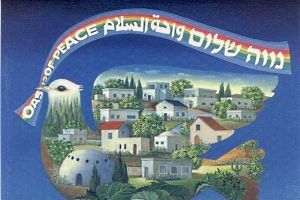
Ein Brief aus Neve Shalom – Wahat al-Salam

während seit nunmehr einem Jahr Krieg um uns herrscht,
während eine neue Offensive an unserer Nordgrenze vorbereitet wird,
während die Vertriebenen auf beiden Seiten, die Geiseln und Opfer im Süden [Gazastreifen]  ihrem Schicksal überlassen bleiben;
während die rechts-extremistische Regierungskoalition ihre Macht wieder festigt;
während die Regierung den Willen der Bevölkerung ignoriert und Situationen herbeiführt, die Vergeltung an ihren eigenen Bürgerinnen und Bürger einladen

scheint wenig zu sagen übrig zu bleiben.

Nichtsdestotrotz sind wir der Meinung, es ist Zeit, wieder unsere Stimme zu erheben und klar zu benennen, wo wir stehen.

Unsere politische Führung berauscht sich anscheinend an dem Amoklauf gegen die Hezbollah-Führung, bei dem der Tod unschuldiger Zivilisten in Kauf genommen wird. Sie wiederholt ihr Mantra. „Durch die Anwendung von Gewalt werden wir unsere Bürger:innen wieder nach Hause an der Nordgrenze unseres Landes bringen.“ Der Einmarsch in den Libanon hat jedoch zu mehr Toten geführt, zu mehr Vertriebenen nördlich der Grenze und zu mehr Bomben auf das Gebiet südlich der Grenze; zugleich trägt er kaum dazu bei, die Grenze zum Libanon für Israelis sicherer zu machen. Das Planziel ist nicht Frieden sondern eine „verbrannte Erde“-Politik im Gazastreifen und im Libanon.

Unsere Regierung kokettiert mit einem Krieg gegen den Iran; jede Aktion und Reaktion eskaliert die Lage. Uns wird gesagt, ein regionaler Krieg sei möglich. Ein solcher Krieg wird nicht eintreten, weil „jemand die Kontrolle über die Lage verloren hat“, sondern weil jemand von dem Gewaltausbruch profitiert, weil Leben billig geworden ist, und politische Macht teuer.

Wie in der Vergangenheit bringen solche Aktionen vielleicht vorübergehend Ruhe, doch sie nähren die Hass-Spirale.

Nur durch Friedensverhandlungen können wir tatsächlich sicher und vertrauensvoll in unserem Häusern leben. Gewalt löst unsere Probleme nicht; sie schützt keine Grenzen. Nur wenn alle Menschen hier das gleiche Recht haben, frei in ihrem Land zu leben, werden wir unser Leben wieder aufbauen können. Nur bei vollständiger Gleichberechtigung und Gerechtigkeit für alle in unserem eigenen Land können wir Anderen Ratschläge geben.

Es gibt sehr viel zu tun.

Hoffnung schöpfen wir aus Geschichten wie der von Jonathan Zeigen, dessen Mutter, unsere liebe Freundin Vivian Silver, im Oktober 2023 [von der Hamas] getötet wurde. Über seinen Weg zum Friedensaktivist wurde in der New York Times berichtet. Andere haben Vivians Aufruf zu handeln aufgenommen, einen Vivian-Silver-Friedenpreis gestiftet und geschworen, weiterhin „den Frieden zu erklären“ und nicht den Krieg.

Hoffnung gibt uns die große Zahl junger Menschen, darunter viele junge Bewohner aus unserem Dorf, die in verschiedenen Friedensorganisationen arbeiten.

Hoffnung geben uns die täglichen und wöchentlichen Proteste, u.a. an Kreuzungen überall im Land, seit ein Massenprotest in Tel Aviv wegen des Krieges verboten wurde.

Auch wenn wir aus dem Entscheidungsprozess ausgeschlossen sind, der über Tod und Leben von uns allen entscheidet – wir sind davon überzeugt, dass unsere Zeit kommen wird, und dass dann den Menschen zugehört wird.

Wir wünschen all denen, die das Jüdische Neujahr feiern, und uns allen miteinander ein Ende des Krieges und ein Jahr des Friedens.

Mit herzlichen Grüßen

Samah Salaime

… ist Leiterin des Öffentlichkeitsbüros von Neve Shalom – Wahat al-Salam, der Oase des Friedens.

Übersetzung aus dem Englischen: ©Freunde von Neve Shalom ∙ Wahat al-Salam e.V. 08.10.2024

Lebemann und Lebensretter

Ausstellung im Sudetendeutschen Museum in München

Neue Ausstellung des Sudetendeutschen Museums vom 07.06. bis 27.10.2024

Der sudetendeutsche Unternehmer Oskar Schindler (1908–1974) aus Zwittau/Svitavy im mährischen Schönhengstgau rettete gemeinsam mit seiner Frau Emilie 1200 Juden vor den Vernichtungslagern der Nationalsozialisten. Dieser Akt der Menschlichkeit und Zivilcourage wurde erst 1993 mit dem Spielfilm Schindlers Liste einer breiten Öffentlichkeit in der Welt bekannt.

Lebensstil und Lebenswandel Oskar Schindlers entsprechen nicht den allgemeinen Vorstellungen von einem Helden. Leichtfertiger Umgang mit Geld und mit Frauen, die Tätigkeit als Agent der Wehrmachtsspionage und als Kriegsgewinnler zeichnen eher das Bild eines charakterschwachen Menschen. Aber in den dunkelsten Stunden Europas während des zweiten Weltkrieges und der Schoah wurden aus dem Lebemann Schindler der Lebensretter Schindler und aus den Geretteten die „Schindlerjuden“.

Erinnerung und radikale Empathie

Das aktuelle Mailing der Rosa Luxemburg Stiftung, unter anderem mit einem Beitrag des Tel Aviver Büroleiters, Gil Shoat, der mit diesen Zeilen endet:

„Es gilt, sich für radikale Empathie mit den israelischen Opfern des 7. Oktober sowie mit den seitdem zu beklagenden Zehntausenden Opfern auf palästinensischer und libanesischer Seite und für das Ende der Gewalt im Schatten dieses Traumas einzusetzen. Denn es ist das Einzige, was uns in dieser schier hoffnungslosen Zeit noch Hoffnung gibt. Dazu heißt es treffend im Grundsatzdokument der palästinensisch-jüdischen Bewegung Standing Together: Where there’s a struggle, there is hope.“

7. Oktober

As we approach October 7th and the one-year anniversary of the massacre in Israel and the war on Gaza, we invite you to join us for a time of reflection and action. This moment calls us to honor the sacredness of every life lost to the ongoing violence, to acknowledge our deep sorrow, and to renew our commitment to peace, freedom, and safety for all.

As part of many initiatives that are happening globally, on October 6, 7, and 8, we invite you to join our international community online each day at 2:00pm ET/9:00pm Jerusalem Time.

Sunday, October 6th
Monday, October 7th
Tuesday, October 8th
All events: 2:00 PM ET

(9:00 PM Jerusalem, 7:00 PM London)

Keeping hope alive

After a year of constant war, as the cycle of death continues unabated, we feel the need as Christians and as citizens to seek out the hope that comes from our faith. First, we must admit that we are exhausted, paralyzed by grief and fear. We are staring into the darkness. The entire region is in the grip of bloodshed that continues to escalate and spares no one. Before our eyes, our beloved Holy Land and the entire region are being reduced to ruins.

Daily, we mourn the tens of thousands of men, women and children who have been killed or wounded especially in Gaza, but also in the West Bank, Israel, Lebanon and beyond in Syria, Yemen, Iraq and Iran. We are outraged at the devastation wreaked on the area. In Gaza, homes, schools, hospitals, entire neighborhoods are now heaps of rubble. Disease, starvation and hopelessness reign. Is this the model for what our region will become?

Around us, the economy is in ruins, access to work is blocked and families have difficulty putting food on the table. In Israel too many are in mourning, living in anxiety and fear. There  must be another way!

Our catastrophe did not begin on October 7, 2023. The cycles of violence have been unending, beginning in 1917, peaking in 1948 and in 1967, continuing ever since, until today. And today has the Zionist dream of a safe home for Jews in a Jewish state called Israel brought security for Jews? And the Palestinians? They are caught up in the reality of death, exile and abandon for too long, waiting while persistently demanding the right to remain in their land, in their towns and villages.

Shockingly, the international community looks on almost impassively. Calls for ceasefire and an end to the devastation are repeated with no meaningful attempt to reign in those wreaking havoc. Weapons of mass destruction and the means to commit crimes against humanity flow into the region.

As this all continues, the questions resound: When is this going to end? For how long can we survive like this? What is the future of our children? Should we emigrate?

As Christians, we are faced with other dilemmas too: Is this a war in which we are simply passive bystanders?  Where do we stand in this conflict, presented too often as a struggle between Jews and Muslims, between Israel, on the one hand, and Hamas and Hezbollah supported by Iran, on the other? Is this a religious war? Should we isolate ourselves in the precarious safety of our Christian communities, cutting ourselves off from what is going on around us? Are we simply to watch and pray on the sidelines, hoping that this war will eventually pass?

The answer is a resounding no. This is not a religious war. And we must actively take sides, the side of justice and peace, freedom and equality. We must stand alongside all those, Muslims, Jews, and Christians, who seek to put an end to death and destruction.

We do so because of our faith in a living God and in our conviction that we must build a future together. Though our Christian community is small, Jesus reminds us that our presence is powerful. Confident in his resurrection, we have the vocation to be like yeast in the dough of society. With our prayers, our solidarity, our service and our living hope, we must encourage all of those around us, of all faiths and those with no faith, to find the strength to lift ourselves up from our collective exhaustion and find a path forward.

But none of us can do this alone. We look to our Christian religious leaders, our bishops and our priests for words of guidance. We need our shepherds to help us discern the strength that we have when we are together. Alone, each one of us is isolated and reduced to silence. Only together, can we find the resources to face the challenges.

In our exhaustion and despair, let us remember the paralytic man (Mark 2: 1-12) who could not get up. It was only when his friends carried him, when they used their imagination to create a hole in the roof and lower him down on his mat, that he was able to reach Jesus, who said to him: “Get up and walk.”

So it is with us. We must carry one another if we are to go forward. We must use our imaginations, rooted in Christ, to find openings where there appear to be none. When we have reached the limits of our hope, together we carry one another, as we turn to God and ask for help.

We need this help not to despair, not to fall into the trap of hatred. Our faith in the Resurrection teaches us that all human beings are to be loved, equal, created in the image of God, children of God and brothers and sisters of one another. Our belief in the dignity of every human person is manifest in our service to the wider community. Our schools, hospitals, social services are places where we care for all in need, indiscriminately.

It is also our faith that motivates us to speak the truth and oppose injustice. We are believers in a peace that Jesus has given us and that cannot be taken away. “He is our peace” (Ephesians 2:14). We must not be afraid to speak out against any form of violence, killing and dehumanization. Our faith makes us spokespeople for a land without walls, without discrimination,  spokespeople for a land of equality and freedom for all, for a future in which we live together.

We will only know peace when the tragedy of the Palestinian people is brought to an end. Only then will Israelis enjoy security. We need a definitive peace agreement between these two partners and not temporary ceasefires or interim solutions. Israel’s massive military force can destroy and bring death, it can wipe out political and military leaders and anyone who dares to stand up and oppose occupation and discrimination. However, it cannot bring the security that Israelis need. The international community must help us by recognizing that the root cause of this war is the negation of the right of the Palestinian people to live in its land, free and equal.

A peaceful future depends on a togetherness that extends beyond our own community. We are one people, Christians and Muslims. Together,  we must seek the way beyond the cycles of violence. Together with them we must engage with those Jewish Israelis who are also tired of the rhetoric, the lies, the ideologies of death and destruction.

Let us set forth, carrying one another. Let us keep hope alive, knowing that peace is possible. It will be difficult but we remember that we once lived together in this land as Muslims, Jews and Christians. There will be many moments when the way appears blocked. But together we will carve out a path forward, rooted in God’s hope, and “hope does not disappoint us.” (Romans 5:5). Our hope is in God, in ourselves and in every human being upon whom God bestows some of His goodness.

His Beatitude Patriarch Michel Sabbah and members of the Christian Reflection from Jerusalem

This Year at Crisis Group