
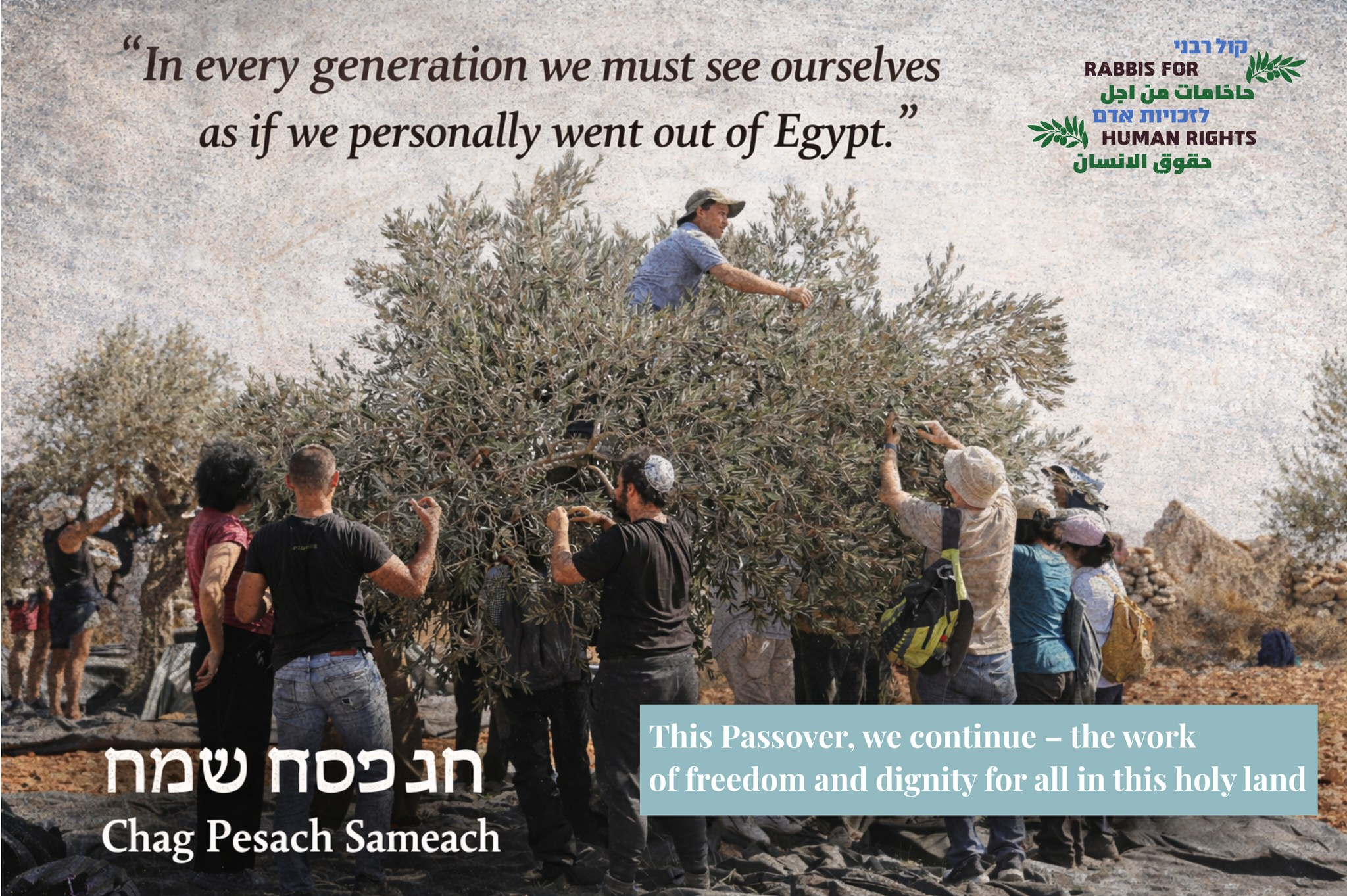
Chag Pessach Sameach
Ein Beitrag von Sanad Sahelia, „a freelance journalist with ACI MENA covering Christian communities and their affairs in Palestine and the Holy Land. He has been working for different media outlets for over 26 years.“
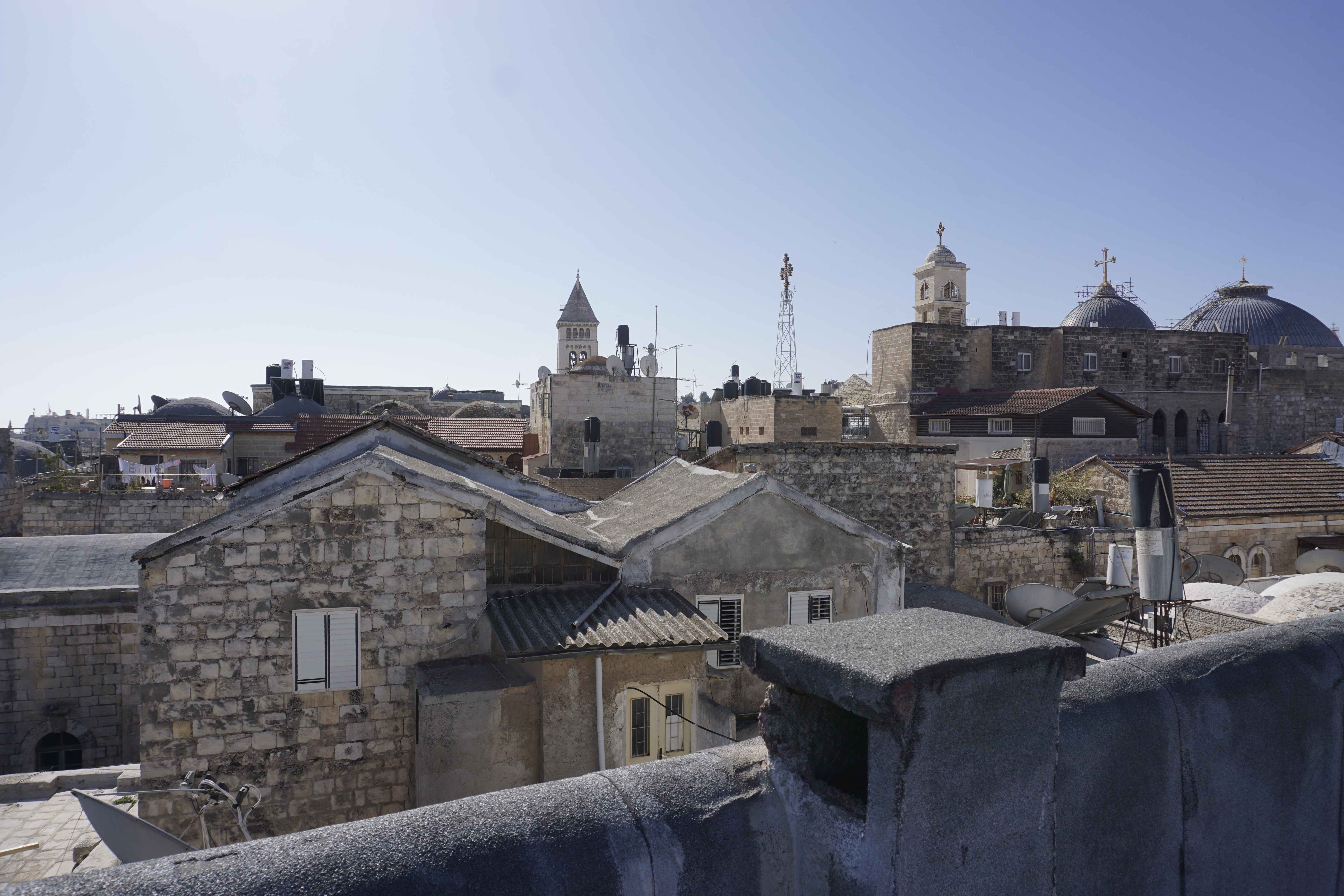
Photo: AphorismA 2023
Christinnen und Christen im Nahen und Mittleren Osten bitten um Unterstützung
Der Ökumenische Rat der Kirchen (ÖRK/WCC) lädt am 26. März 2026, 15.00 Uhr zu einem weltweiten Friedensgebet für den Nahen Osten ein.
Nachtrag 28.3.2026:
For those who participated live: the prayer offered a profound space for lament, hope, comfort, and solidarity, woven together through Psalms, music, and the spoken word. Voices from across the globe —Including Prof. Dr Michel Abs of the Middle East Council of Churches, Bishop Prof. Dr Heinrich Bedford-Strohm, Patriarch Theophilos III of Jerusalem, and youth from the region — gave the prayer its breadth and depth. We are grateful for your presence.
If you were unable to join us this time, we warmly invite you to watch the full recording at your own pace:
👉 https://youtu.be/hXwLtwnufRo
Die Gebetsworte stammen von Christinnen und Christen aus der Region, die angesichts von Gewalt, Trauer und existenzieller Unsicherheit um Unterstützung bitten. Es besteht die Möglichkeit, online teilzunehmen und ein Zeichen für Frieden, Gerechtigkeit und Versöhnung zu setzen.
Angst vor neuen Angriffen, Trauer um getötete Angehörige und große Ungewissheit prägen das Leben vieler Menschen im Nahen Osten. Der anhaltende Konflikt erschüttert die Betroffenen zutiefst und belastet auch die christlichen Gemeinschaften in der Region, die dort zum Teil seit fast 2.000 Jahren leben.
Aufruf zum Friedensgebet am 26. März
Der Ökumenische Rat der Kirchen (ÖRK) ruft deshalb weltweit zu einem Gebet für Frieden im Nahen und Mittleren Osten auf – am 26. März um 15 Uhr MEZ. Die Gebetsworte stammen von Christinnen und Christen aus der Region selbst. Mit dem gemeinsamen Friedensgebet seien laut ÖRK alle Menschen guten Willens eingeladen, „Zeugnis abzulegen von der gemeinsamen Sehnsucht nach Frieden, Gerechtigkeit und Versöhnung ist in diesen bedrückenden und leidvollen Zeiten ein ganz wichtiges Zeichen der Verbundenheit und Solidarität“, so Pfarrer Andreas Goetze, Referent im Fachbereich Interreligiöser Dialog und Ansprechpartner für Christ:innen im Mittleren Osten im Zentrum Oekumene EKHN und EKKW.
Online teilnehmen
Eingeladen sind Kirchen, Gemeinden, ökumenische Partner und alle Menschen rund um den Globus. Wer am Friedensgebet teilnehmen möchte, kann sich anmelden und digital per Zoom dazuschalten:
Registrierung und Teilnahme:
https://us02web.zoom.us/webinar/register/WN_6pNx4VgkSNqUnRzFhoMR7w#/registration
Bitte der Christinnen und Christen aus Nahost-Region
Im Vorfeld hatte sich der ÖRK über die humanitäre, sicherheitspolitische und pastorale Lage der betroffenen Kirchen informiert. An einer Online‑Konsultation nahm auch Bischof i. R. Prof. Dr. Heinrich Bedford‑Strohm, Moderator des Zentralausschusses des ÖRK, teil. Er berichtete, dass Christinnen und Christen aus der Region den ÖRK ausdrücklich gebeten hätten, für sie zu beten. Bedford‑Strohm sagte: „Wir haben zugesagt, ihrem Gebetsaufruf zu folgen und werden alles in unserer Macht Stehende tun, um ein Ende der Eskalation zu fordern.“
Existenzielle Bedrohung
Viele Gemeinden im Nahen und Mittleren Osten stehen unter existenziellem Druck. In Teilen Syriens etwa fühlen sich Christinnen und Christen durch wiederkehrende Militäroperationen bedroht; auch die medizinische Versorgung ist eingeschränkt. Beispielsweise hat das Zentrum Oekumene von einer Frau erfahren, die ihr Kind unter schwierigen Umständen zur Welt brachte: Wegen Personalmangels und begrenzter Versorgung war die Situation kritisch, umso größer war die Erleichterung, dass Mutter und Kind überlebten. Der Nahost‑Experte Matthias Kopp, Sprecher der Deutschen Bischofskonferenz, warnt daher vor einem möglichen „schleichenden oder sogar eklatanten Christen‑Exodus“.
Sorge des ÖRK über zunehmende Instabilität in der Region und Appell
In einer gemeinsamen Erklärung betonte der ÖRK, dass sich humanitäre Risiken, Leid und Instabilität weiter verschärfen könnten, wenn die Gewalt anhält. Die Erklärung äußert tiefe Besorgnis über Berichte zu möglichen Verstößen gegen das humanitäre Völkerrecht und fordert alle beteiligten Akteure auf, Verantwortung für die Folgen ihres Handelns zu übernehmen. Abschließend heißt es: „Wir lehnen die brutale Logik von Krieg und Herrschaft ab. Wir bitten um Frieden.“
Auch wenn es nichts zu feiern gibt, möge doch der Geist dieses Festes zum Ende des Ramadans Kraft geben und Wege zu Gerechtigjeit und Frieden öffnen …
Und zur Realiät „on the ground“
Der Vatikan ruft zu Spenden für die Christ:innen im Heiligen Land auf. In einem am Montag, 16.3.26, veröffentlichten Brief an die Bischöfe weltweit erinnert der Leiter der vatikanischen Ostkirchenbehörde, Claudio Kardinal Gugerotti, an die Folgen des Krieges.
Lieber Mitbruder,
wie sehr haben wir gehofft, dass der Frieden endlich Leben und Hoffnung ins Heilige Land zurückbringen möge! Sogenannte Dialoge und Vereinbarungen haben sich vervielfacht, doch die Waffen schweigen nicht. Man hat gesagt, dass Frieden erreicht worden sei, aber auch wenn die Medien weniger berichten als früher, geschieht es weiterhin: die Waffen feuern, die Menschen sterben, Gebiete sind umkämpft, Christen wandern aus, um ihr Leben zu retten. Sogar in den Schulen fehlen oft die Lehrer, weil ihnen die Einreise verweigert wird.
Ich weiß, dass es immer schwieriger wird, mich an Dich und an die christliche Gemeinde, für die Du Verantwortung trägst, zu wenden, und die Worte, die ich von Jahr zu Jahr an Dich richte, wiederholen sich. Ich weiß, dass es schwieriger wird, sich vorzustellen, die Wunden dieser so grausam zerrissenen Welt zu verbinden und zu desinfizieren, solange dies noch möglich ist. Doch wir Christen können nicht anders als hoffen, weil Gott unsere Hoffnung ist und Gott keinen Verrat begeht. Das in unseren Räumen und an unseren heiligen Orten aufgehängte Kreuz ist das Zeichen eines Lebens, das stärker ist als der Tod, ja den Tod überwunden hat. Wir müssen Vieles ändern: die Mentalität, die Sensibilität, die Prioritäten im täglichen Leben, weil uns diese Welt immer mehr entmenschlicht und wir es nicht merken.
Gott ist unsere Hoffnung
Vergessen wir nie zu beten, denn Gott ist unsere Hoffnung. Nun aber möchte ich Dir eine kleine Geste vorschlagen, genau im Sinne dieser Umkehr, dieser Veränderung: ein wenig von unserem Geld zu geben, um unseren Brüdern und Schwestern in äußerster Gefahr zu helfen, damit sie einen weiteren Tag leben können und die Möglichkeit haben, zu hoffen und neu anzufangen. Eine wichtige Geste für sie und auch zentral für die Kustodie des Heiligen Landes, die seit langer Zeit über die Orte wacht, die das Leben Jesu, unseres Herrn, geprägt haben. Es handelt sich auch für uns um eine wichtige Geste, da sie uns verstehen lässt, dass wir ohne ein Opfer, ohne eine Veränderung unseres Lebens in dieser in Flammen stehenden Welt untätig bleiben und damit zu Komplizen derer werden, die sie in Brand stecken.
Eine Geste, die fast überall auf der Welt (weil manche Gemeinschaften ein anderes Datum gewählt haben) am Karfreitag Wirklichkeit wird, an dem Tag, an dem wir an Jenen denken, der kein Almosen, sondern sein Leben gegeben hat, seinen letzten Atemzug, den Heiligen Geist, damit diese Welt heil werde und wieder Ungeahntes erhoffe. Die Päpste haben diese Geste gewollt und befürworten sie weiterhin, weil sie überzeugt sind, dass man nur in der Väterlichkeit, im Teilen und in solidarischer Freundschaft eine Wirklichkeit aufbauen kann, die wieder menschliche Züge trägt und die den Plan einer Menschheit aufgreift, wie Gott sie beim Schöpfungsakt wollte.
Notwendiger Beitrag
Für das Überleben ist auch Euer Beitrag notwendig. Sehr viele Christen im Heiligen Land haben alles verloren, auch die Arbeit im Dienst an den Pilgern, denn aus Angst wagt sich jetzt kaum jemand mehr in diese Gebiete. Unsere Brüder und Schwestern im Glauben, die an den heiligen Stätten leben, wissen, dass mit Eurem Beitrag, und vielleicht nur mit diesem, ihre Sicherheit zwar nicht gewährleistet werden kann, aber doch wenigstens ihre Schulen wieder funktionieren, neue Häuser gebaut werden können und, wo die Zerstörung total ist, eine gewisse Versorgung gesichert ist. Zuerst haben Bomben, dann Naturkatastrophen ihr Land verwüstet und unbewohnbar gemacht, ganz zu schweigen von den immer zahlreicheren Trauerfällen, ohne dass es einen Tag gibt, an dem man ruhig durchatmen könnte.
Bitte bringe mit den Worten, die Deine Gläubigen am besten verstehen, unsere Pflicht zum Ausdruck, für das Heilige Land sowie für viele andere verwüstete Orte Sorge zu tragen. Zeige Bilder, sensibilisiere das Bewusstsein durch die vielfältigen Informationsquellen, die die täglichen Mühen der wenigen Christen verständlich machen, denen es gelingt, in ihrer Heimat zu bleiben. Es gibt viele Mittel, angefangen bei den Appellen der Päpste sowie der opferbereiten Hirten vor Ort. Versuchen wir, unseren Gläubigen bewusst zu machen, dass das Geben bei der Kollekte für das Heilige Land ein starkes Zeichen des Glaubens ist, dass ein Heiliges Land ohne Gläubige ein verlorenes Land ist, weil die lebendige Erinnerung verloren ginge, die die Kontinuität mit der Quelle der Erlösung sichert, die uns in Christus erneuert hat. Ermahne, überzeuge, rüttle die Gewissen auf, rufe auf zur Solidarität mit dem einen Leib Christi, der die Kirche ist und sich über alle Länder der Welt erstreckt. Ein Frevel ist nicht nur eine Tat gegen die Eucharistie; Frevel ist auch die Tat gegen den Leib Christi, der die Kirche ist. Der heilige Augustinus betont dies eindringlich: Wenn du den Leib Christi am Altar empfängst, sei dir bewusst, dass du empfängst, was du bist. „Werdet, was ihr seht, und empfangt, was ihr seid“ (Serm. 272).
Ich bin überzeugt, dass unsere Gläubigen, Deine Gläubigen, für diesen Apell empfänglich sein werden, denn die tiefsten Kräfte – die durch die Taufe fester Teil der universalen Sehnsucht nach dem Guten geworden sind, die uns auf die Begegnung mit Gott vorbereitet – warten nur darauf, gestärkt oder geübt zu werden. Unermüdlich appelliert Papst Leo XIV. an Herz und Verstand und erinnert an die Verpflichtung, eins zu sein, damit es Frieden gebe, keinen vorläufigen Waffenstillstand, keinen endlosen Hass, keine ungeheuren Ausgaben für Waffen, sondern ein Beitrag zu einem gemeinsamen Neubeginn: „Ich danke Gott für jene Christen, die vor allem im Nahen Osten ausharren und, in ihrer Heimat bleiben und der Versuchung widerstehen, sie zu verlassen. Den Christen muss die Möglichkeit gegeben werden, mit allen Rechten, die ihnen ein sicheres Leben garantieren, in ihrer Heimat zu bleiben, und das nicht nur mit Worten. Ich bitte euch: setzen wir uns dafür ein!“ (Audienz für die Teilnehmer am Jubiläum der Ostkirchen, 14. Mai 2025).
Wie oft habe ich diese christlichen Minderheiten persönlich besucht, die jeden Morgen mit dem Risiko aufwachen, dass sie keinen Platz mehr zum Leben finden. Helft uns, ihnen konkrete Hoffnung und nicht nur Worte des Trostes zu schenken, weil wir, die wir sie besuchen, wissen, dass wir wieder gehen werden, während sie mit ihren Ängsten zurückbleiben, ja sogar mit der großen Furcht, ausgelöscht zu werden, gerade weil sie Christen sind. Die Kollekte für das Heilige Land wird, zusammen mit der unschätzbaren täglichen Hilfe unserer Franziskaner und all jener, die in den Gemeinden vor Ort leben und arbeiten, ein Tropfen im Ozean sein, doch ohne diesen Tropfen wird der Ozean zur Wüste.
Der Herr möge all jenen seinen reichen Segen schenken, die sich auch an diesem Karfreitag bewusst sind, dass sie Schuldner sind angesichts des unverdiente Geschenks des Lebens und die sich als Mitarbeiter an einer Schöpfung verstehen, die das irdische Jerusalem dem himmlischen Jerusalem ähnlicher macht. Danke, lieber Mitbruder, dass Du mir zugehört hast. Der himmlische Vater stärke Deine Bemühungen um Frieden und Deinen Einsatz für das Leben jener, die unschuldige Opfer des Krieges sind. Kain und Abel gibt es auch heute. Und doch hat der Sohn Gottes uns gezeigt: Wenn man sich entscheiden muss, dann nimmt man dem anderen das Leben nicht, sondern gibt das eigene Leben für ihn hin.
Claudio Card. Gugerotti
Präfekt
Michel Jalakh, O.A.M.
Erzbischof Sekretär
Offizielle deutsche Übersetzung nach Vatican News.

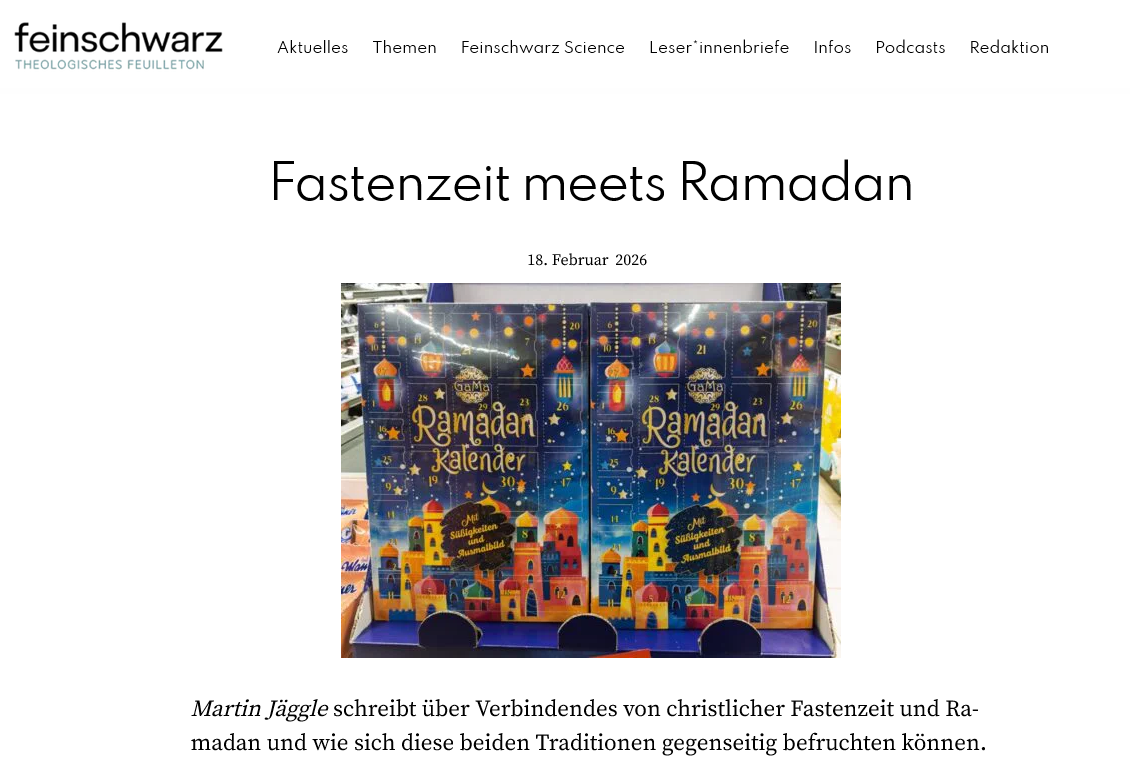
Martin Jäggle schreibt auf Feinschwarz über Verbindendes von christlicher Fastenzeit und Ramadan und wie sich diese beiden Traditionen gegenseitig befruchten können.
***
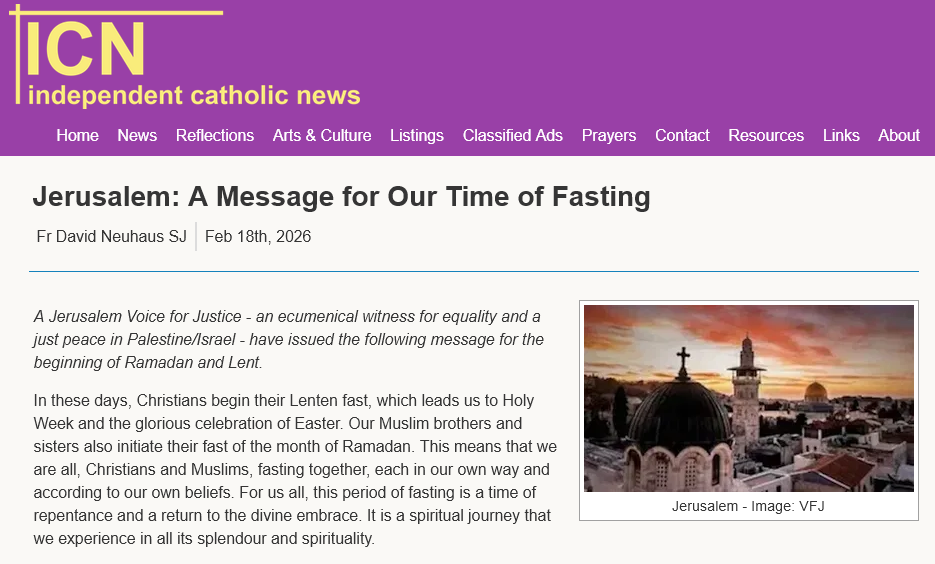
Dazu das Fastenwort der ökumenischen Initiative; A Jerusalem Voice for Justice – an ecumenical witness for equality and a just peace in Palestine/Israel
***
Und eine „kleine“ Zutat:
***
Und ein Blick aus Amerika:
Ergänzt: 20.02.2026
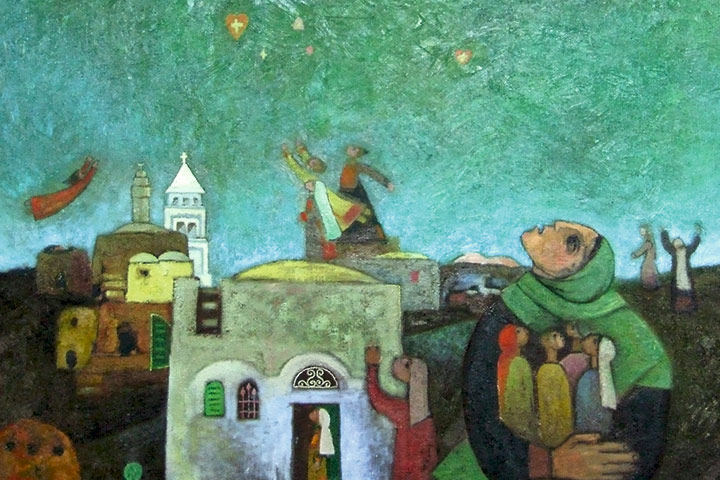
11 Uhr: Festgottesdienst in der Französischen Friedrichstadtkirche, Berlin-Mitte
Predigt: Dr. Imad Haddad, Bischof der Evangelisch-Lutherischen Kirche in Jordanien
und im Heiligen Land (ELCJHL)
13 Uhr: Empfang im Kaiserin-Friedrich-Haus, Berlin-Mitte, anschließender Imbiß
14 bis 16.30 Uhr: Festnachmittag im Kaiserin-Friedrich-Haus, Berlin-Mitte
Vorträge und Gespräche zum Thema „Zwischen Verzweiflung und Hoffnung – Zur Situation der palästinensischen Christinnen und Christen“ mit:
Moderation: Wolfgang Schmidt, Vorsitzender des Jerusalemsvereins
Musik: Albrecht Gündel-vom Hofe (Piano) sowie arabische Lieder aus dem Heiligen Land
Der Eintritt ist frei.
Anmeldung erbeten unter Tel. 030 24344-123 oder nahost-jv@berliner-missionswerk.de
Veranstaltungsorte:
Französische Friedrichstadtkirche, Gendarmenmarkt 5, 10117 Berlin
(Der Zugang ist barrierefrei möglich.)
Kaiserin-Friedrich-Haus, Robert-Koch-Platz 7, 10115 Berlin
(unter anderem mit einem Stand / Büchertisch von AphorismA …)
In einer Rede in Rom hat der Lateinische Patriarch von Jerusalem, Pierbattista Kardinal Pizzaballa, die tiefe Zerrissenheit zwischen Israelis und Palästinensern geschildert. Frieden und Versöhnung drohten zu leeren „Slogans“ zu werden, wenn sie nicht durch sichtbare Zeichen und mutige politische Visionen untermauert würden…
Ein Bericht auf Radio Vatican – (Redetext noch nicht auffindbar, Auszüge hier [ICN])
***
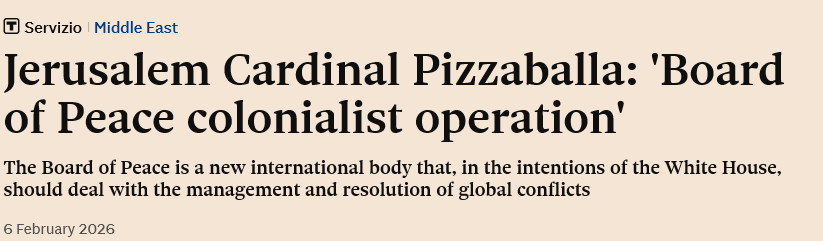
Daszu ein Interview Seiner Eminenz auf ilsole24ore:
***
Und als Sonntagszugabe:
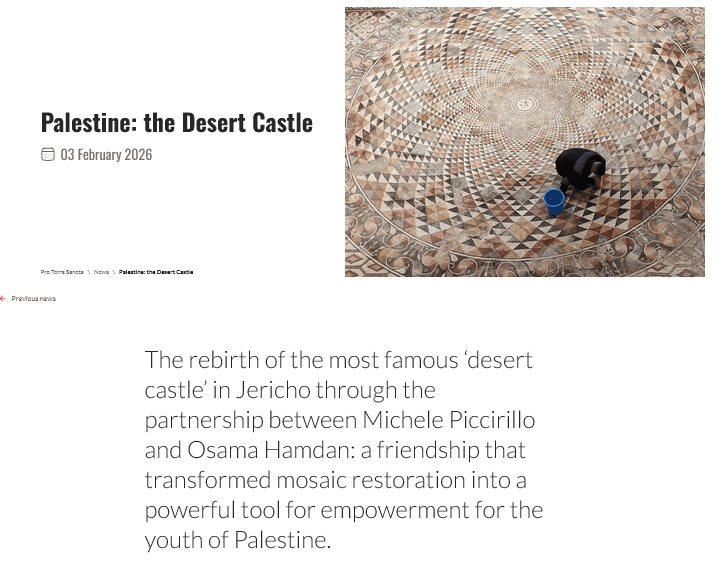
Palestine: the Desert Castle

***
Ergänzt: 09.02.2026
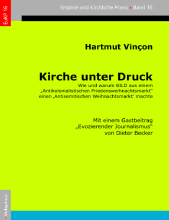
Hinweis auf eine aktuelle Neuerscheinung auf Politnetz Darmstadt
Hartmut Vinçon hat ein Buch über den „Antisemitismus-Skandal“ letzten Jahres in Darmstadt vorgelegt.
A reflection of Rifat Kassis (Kairos Palestine) on the US Ambassador to Israel
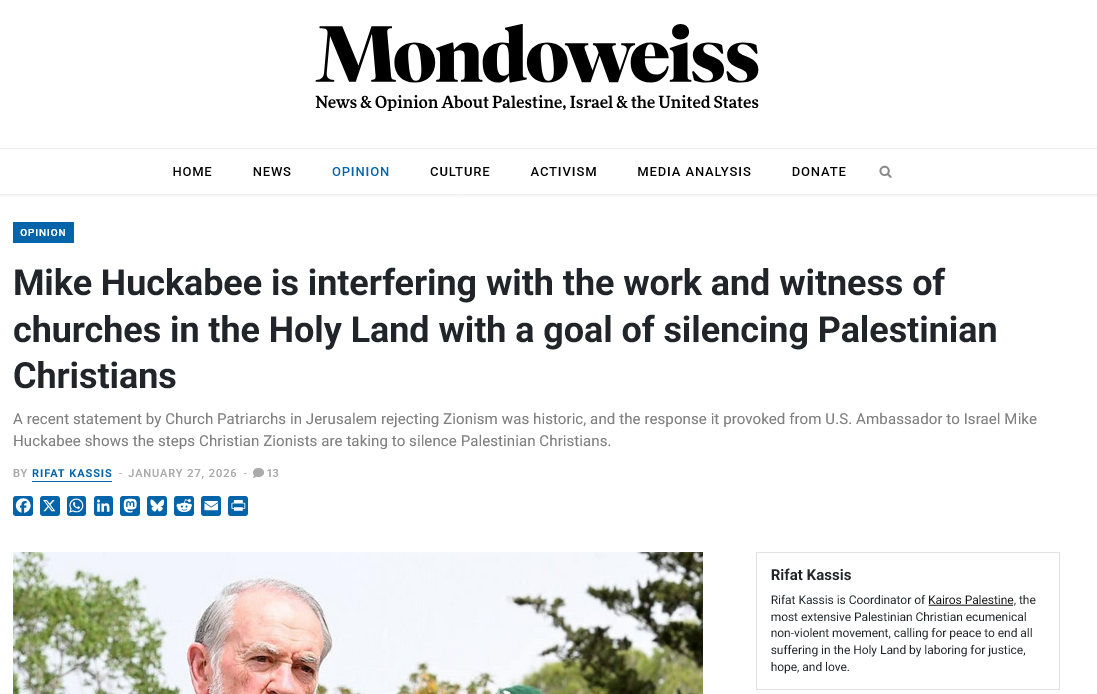
Additional Background information about the statesment of the Head of Churches

