Auf allen Wegen: Nein!

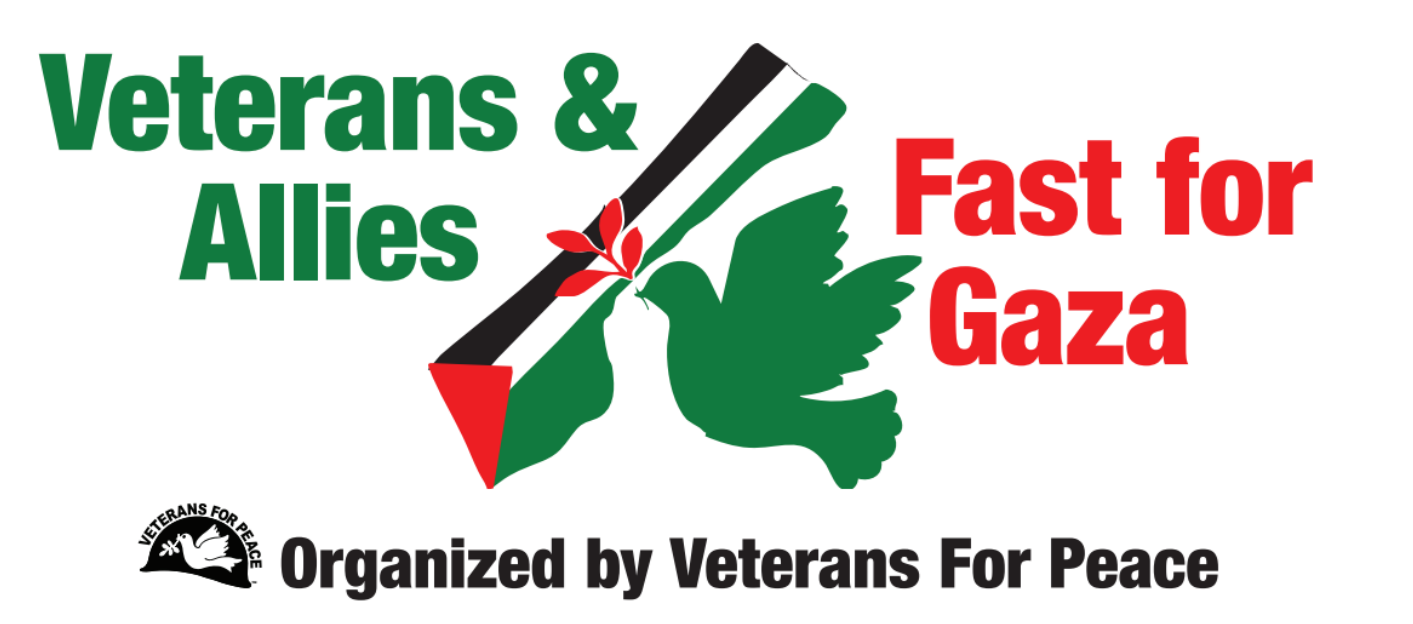
40 days and escalate!

→ CURRENT NUMBER OF FASTERS: 598 (updated May 28) ←

You’re invited to a 40-day fast for Gaza, organized by Veterans For Peace. On May 22, we begin our fasting across the country while demanding:
1) a resumption of humanitarian aid, under UN authority, to Gaza
2) that the U.S. stop arming Israel NOW!

Join us in our work! We imagine two fasting options: a centralized fasting location in NYC where fasters will commit to 250 calories a day, in line with the general caloric intake of Gazans under the ongoing Israeli military blockade, and a dispersed fasting option for folks to join the work from their local context. This action is open to all Gaza allies and people of good conscience who want an end to the genocide in Gaza, veteran or not. Our fast launches as the UN warns the death of 15000 infants is imminent. Join us as we resist this genocide!

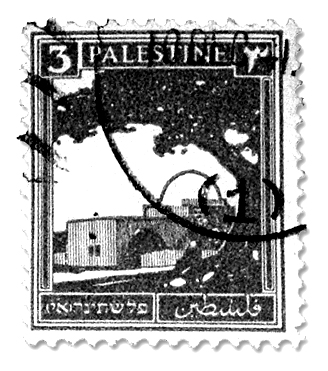
My tomb, our tomb, Rachel’s Tomb …

Mittwoch. 21. Mai 2021 (11:00 Uhr)

(CEST / Central European Summer Time)

The Research Centre for Religious Diversity, (Forschungsstelle für religiöse Vielfalt, FAU Erlangen-Nürnberg) is delighted to invite you to an online Discussion with Photographer and Film Maker Mr Nadir Mauge

Mr Mauge will show parts of his film “My tomb, our tomb, Rachel’s Tomb” as well as discuss his monograph „Väter des Heiligen Landes“, a visual work documenting Christian monastic traditions in the Holy Land (co-authored with Michael Ragsch and Sebastian, Be+Be-Verlag, 2020).

Nadir Mauge is a visual storyteller based in Bethlehem, Palestine, specializing in film and photography. His has exhibited and screened internationally, including at the Toronto Palestine Film Festival and Photo Independent in Hollywood. Through his craft, he documents stories that raise awareness of social issues and celebrate the essence of genuine humanity. His work is especially relevant for documenting the religious diversity in Palestine, a diversity embedded in the lives and histories of the people.

The Zoom session is open at

https://fau.zoom-x.de/j/66926391917?pwd=aTwiPxk1YQjNilWnBcR3aYGgq9DNCM.1

Meeting-ID: 669 2639 1917 | Kenncode: 531057

Was läßt sich eigentlich noch sagen?

The Abraham Initiatives is a Jewish-Israeli and Palestinian-Israeli organization that advances social inclusion and equal rights for Israel’s Palestinian citizens by influencing public policy, shaping public opinion and demonstrating practical models for a shared society. We envision Israel as a democratic state, homeland of the Jewish people and all its citizens, that guarantees and protects the full citizenship and equal rights of its Palestinian citizens; where Jewish- and Palestinian-Israelis co-create a cohesive, inclusive society; and that exists peacefully alongside an independent, sovereign Palestinian state.

Podcast zu Gaza, lebendig halten

Heute einen Hinweis auf einen Podcastbeitrag zum Buch: Gaza, lebendig halten und mit dem Autor Wahad …

Lena Obermaier und Michael Sappir / Parallelwelt Palästina

https://open.spotify.com/embed/episode/1iyZVO9DEQ1EA5JN9VFCCK (www.acast.com)

Jüdisches Viertel in Kairo

Ein Beitrag von Mohamed Gamal auf Qantara.de

Toleranz und Aufstieg, Elend und Auswanderung: Zwei neue Bände beleuchten die Geschichte von Kairos jüdischem Viertel. Autor Ahmed Zakaria Zaki dokumentiert, wie eng jüdisches Leben mit der Geschichte Ägyptens verwoben ist.

Zaki zeichnet in seinem Buch die Geschichte des Viertels bis zum Ende des 19. Jahrhunderts nach, bis zum ersten Zionistenkongress in Basel im Jahr 1897, der die Gründung eines jüdischen Staates in Palästina befürwortete.

Europas Glaubwürdigkeit

Josep Borrell, ehedem Minister in Spanien, Präsident des Europäischen Parlaments, Hoher Vertreter der EU für Außen- und Sicherheitspolitik sowie Vizepräsident der Europäischen Kommission, reflektiert auf dem Portal http://www.ipg-journal.de über die Politik der EU mit Blick auf Gaza und auf Israel.

Unter anderem schreibt er:

“ (…) Bei einigen europäischen Ländern hat die historische Schuld am Holocaust sich offenbar in eine „Staatsräson“ verwandelt, die als Begründung für die bedingungslose Unterstützung Israels dient und die Gefahr in sich birgt, dass die EU sich zur Komplizin bei den Verbrechen gegen die Menschlichkeit macht. Ein Gräuel kann nicht als Rechtfertigung für andere Gräuel dienen. Wenn die Werte, welche die EU für sich in Anspruch nimmt, nicht vollends unglaubwürdig werden sollen, kann der Staatenverbund nicht länger passiv zuschauen, wie in Gaza das Grauen weiter um sich greift und das Westjordanland zu einem zweiten Gazastreifen wird. (…)“

Wer befreit wen?

Auf der Seite von 972mag reflektiert Fadi Shabita über eine alte Frage, die nichts an Aktualität und auch nichts an Sprengkraft verloren hat: Kann es einen gemeinsamen Kampf von Israelis und Palästinenser.innen (nur?) geben – wenn die Basis echte Gleichheit und Gerechtigkeit ist? Und wie sähe / sieht das dann aus?

Rare Outcry

Der britische Guardian berichtet in einem bewegenden Beitrag von Hannah Ellis-Petersen und Quique Kierszenbaum (Tel Aviv) über den Protest von Überlebenden der Shoa in Israel, die das Leiden der Palästinenser:innen nicht aus den Augen verlieren …

Immer noch hoffen können…

Siehe auch die Seite des Middle East council of Churches (MECC) Abteilung für Soziale Dienste für Palästinensische Geflüchtete des Rates der Kirchen im Nahen Osten

Joint statement on behalf of the Foreign Ministers of France, Germany and the UK

Israel has now fully blocked the entry of humanitarian aid into Gaza for over fifty days. Essential supplies are either no longer available or quickly running out.

Palestinian civilians – including one million children – face an acute risk of starvation, epidemic disease and death. This must end. We urge Israel to immediately re-start a rapid and unimpeded flow of humanitarian aid to Gaza in order to meet the needs of all civilians. During the last ceasefire, the UN and INGO system was able to deliver aid at scale. The Israeli decision to block aid from entering Gaza is intolerable. Minister Katz’s recent comments politicising humanitarian aid and Israeli plans to remain in Gaza after the war are unacceptable – they harm prospects for peace. Humanitarian aid must never be used as a political tool and Palestinian territory must not be reduced nor subjected to any demographic change. Israel is bound under international law to allow the unhindered passage of humanitarian aid.

Humanitarians must be able to deliver aid to those who need it most, independent of parties to the conflict and in accordance with their humanitarian principles. Israel must ensure unhindered access for the UN and humanitarian organisations to operate safely across Gaza. Hamas must not divert aid for their own financial gain or use civilian infrastructure for military purposes.

We reiterate our outrage at recent strikes by Israeli forces on humanitarian personnel, infrastructure, premises and healthcare facilities. Israel must do much more to protect the civilian population, infrastructure and humanitarian workers.

This includes restoring deconfliction systems, allowing humanitarian workers free movement within Gaza. And Israel must prevent harm to medical personnel and premises in the course of their military operations. They must allow the urgent healthcare needs of the population to be met, while allowing the sick and wounded to temporarily leave the Gaza Strip to receive treatment.

Crucially, we urge all parties to return to a ceasefire. We continue to call on Hamas for the immediate release of all the remaining hostages, who are enduring terrible suffering. We must all work towards the implementation of a two-state solution, which is the only way to bring long-lasting peace and security to both Israelis and Palestinians and ensure long-term stability in the region.