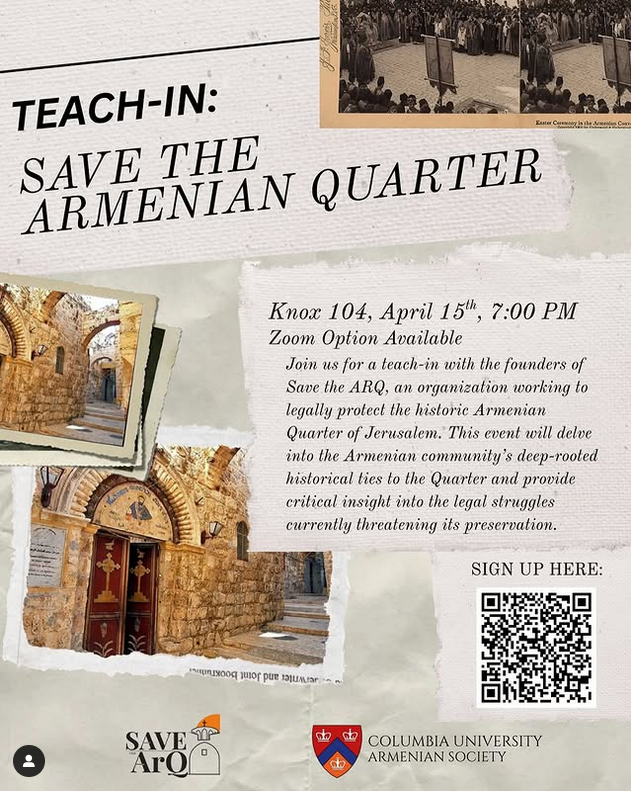
On April 15th at 7:00 PM EST (leider für uns in Mitteleuropa 1.00 morgens), join for a (Zoom) teach-in with the founders of Save the ARQ, an organization working to legally protect the historic Armenian Quarter of Jerusalem. Link to register online or in-person!
Zur Debatte um eine geplante Rede von Omri Boehm in Buchenwald
Der israelisch-deutsche Philosoph und Enkel von Shoa-Überlebenden, Prof. Dr. Omri Boehm, ist auf Druck der israelischen Regierung von der Gedenkfeier aus Anlaß des 80. Jahrestages zur Befreiung des KZ Buchenwalds ausgeladen worden, offiziell lautet die Sprachregelung, sein Vortrag sei verschoben. Dieser einmalige Vorgang in der deutschen Nachkriegsgeschichte wird in zahlreichen Zeitungen und Medien dargestellt und kritisch kommentiert. Der Vorwurf der „Holocaust-Relativierung“ entbehrt jeder Grundlage – wie auch viele Kommentator:innen schreiben.
Man:frau ist bestürzt über diese ungerechtfertigte israelische Einflußnahme. Der Direktor der Gedenkstätte, Jens-Christian-Wagner, erklärte, er habe dem Druck nachgegeben, um zu verhindern, daß Überlebende in den Streit hineingezogen würden – das ist allerdings schon dadurch geschehen, daß Überlebende aus Regierungskreisen angerufen worden sind, so daß die selbst traumatisierten Menschen in einen Loyalitätskonflikt gebracht worden sind.
Direktor Wagner: „Dieser Situation wollte ich die Überlebenden nicht aussetzen“. Diese seien hochbetagte, seelisch häufig verletzte Menschen: „Diese Leute einer solchen Konfliktlage auszusetzen, das konnte ich mit meinem Gewissen nicht vereinbaren“. Der Vortrag mit Prof. Boehm solle aber auf alle Fälle nachgeholt werden, das deutlich zu sagen, darauf legt Direktor Wagner wert. Doch ein Schatten aufgrund der Intervention wird auf dieser Gedenkfeier liegen.
In diesem Zusammenhang ist es wichtig, sich auch Gedanken darüber machen, mit welcher Art von israelischer Regierung – bis hin zum Botschafter des Staates Israel in – wir gerade konfrontiert sind: Es geht um eine Regierung, in der ein Ministerpräsident Bündnisse mit eindeutig antisemitischen Führern schmiedet – vom ungarischen Ministerpräsidenten Viktor Orban, der eine antisemitische Kampagne gegen den jüdischen Philanthropen George Soros führte, bis zum philippinischen Präsidenten Rodrigo Duterte – und das trotz der Proteste der örtlichen jüdischen Gemeinden.
Yair Netanjahu, der Sohn des israelischen Ministerpräsidenten Netanjahu, hat schon in der Vergangenheit erklärt, er hoffe, daß die „böse Europäische Union, der Feind Israels“, sterben werde und suchte Unterstützung von Politikern der AfD. Der Haß des jüngeren Netanjahu auf die Palästinenser:innen trifft mit dem Haß der AfD auf Muslime zusammen. Der Kampf gegen ‚den Anderen‘ vereint solche rechtsgerichteten jüdisch-israelischen Politiker mit den Antisemiten, Islamophoben und Fremdenhassern. „Die Schengen-Zone ist tot, und bald wird es auch Ihre böswillige globalistische Organisation sein [i.a. also die EU] sein, und Europa wird dahin zurückkehren, frei, demokratisch und christlich zu sein!“, twitterte Yair Netanjahu, wohl ohne zu verstehen, daß Europa gerade vor (!) der Gründung der EU vereint war im Haß auf ‚den Anderen‘ und die EG / EU das größte europäische Friedensprojekt der Nachkriegsgeschichte ist.
Rechtsradikalen Kräfte in Europa und weltweit wachsen – und zum Erstaunen der Historiker:innen gibt es Juden wie Benjamin Netanjahu und seinen Sohn Yair, die sie unterstützen und damit diejenigen Jüdinnen und Juden gefährden, die auf diesem Kontinent leben.
Es geht auch um eine Regierung, die eine sog. ‚Justizreform‘ auf den Weg gebracht hat, und mit ihr nicht nur die Gewaltenteilung, zentral für demokratischen Gesellschaften, aufheben will. Eine Regierung, deren Mitglieder teilweise aus einem rechtsradikalen, gewaltbereiten Siedlermilieu kommen, die davon reden, ‚Gaza auszulöschen‘ und einen blutigen Krieg gegen die gesamte sozial-politisch-kulturelle Einheit des Gaza-Streifen führen und immer wieder humanitäre Hilfe für die Menschen in Gaza blockieren. Eine Regierung, unter der sich religiös gebende, rechtsradikale gewaltbereite Siedler:innen unter dem Schutz des israelischen Militärs tun und lassen können, was sie wollen, es zu noch nie dagewesenen Plünderung, Zerstörung von Häusern und einer damit verbundenen Vertreibungswelle im Westjordanland gekommen ist: Mehr als 40.000 Palästinenser:innen, Christ:innen wie Muslima und Muslime, sind bereits vertrieben worden. Diese Siedler:innen wollen große Teile der Westbank, Teil eines zuküftigen Staates Palästina, ethnisch säubern. Oder wie ein jüdisch-israelischer Soziologe formulierte: „Furcht, Militarismus und Messianismus sind die drei Aspekte, die unsere Gesellschaft bestimmen. Wir haben die Kontrolle über den religiösen Nationalismus verloren“. Er meint die Macht der Siedlerbewegung in allen staatlichen Organisationen, die Radikalisierung und Gewalt der Siedler-Jugend, die keine Autorität mehr akzeptiert und einen Ethno-Nationalismus, der mit allen Mitteln ein ‚Groß-Israel‘ schaffen will und davon träumt, alle Palästinenser:innen zu vertreiben“.
Diese Politik – wie es auch Omri Boehm tut – als völkerrechtswidrig zu kritisieren und alternative Gesellschaftsmodelle in dieser seit Jahrzehnten festgefahrenen Situation zu entwickeln, hat nichts mit Antisemitismus zu tun – auch wenn man diese natürlich kritisieren kann. Vielmehr: Einer solchen grundsätzlich rechtsgerichteten, ethno-nationalistischen Regierung sollte man:frau im Bewußtsein des „Nie wieder!“ kritisch begegnen. Denn die wirklichen Freunde und Freundinnen Israels sind nicht die Rechtsradikalen und die Siedler:innen.
Im Blick auf die vielzitierte ‚Staatsräson‘ sollte eine ‚Solidarität der Werte‘ das eigentliche Thema sein. Oder, wie es der Direktor der Anne-Frank-Bildungsstätte in Frankfurt a.M., Prof. Dr. Meron Mendel, formuliert hat: „Es ist klar, daß für Deutschland gelten muß: ‚We stand with Israel‘ Aber was heißt das konkret? Dies sollte meiner Ansicht nach heißen: Wir unterstützen die israelische Zivilgesellschaft; diejenigen, die eine Rückkehr der Geiseln fordern und nicht müde werden, daß wir über die Geiseln sprechen; die sehen, daß die Demokratie in Israel mit der aktuellen Regierung und mit der anhaltenden Besatzungspolitik erodiert; die sehen, daß der Krieg zu Ende gehen muß, um sich der Friedensbildung zuzuwenden“.
Dann – und nur dann wird Friede sein zwischen dem Fluß und dem Meer, ein Friede der allen gilt und alle einschließt.
In einem Interview in der Frankfurter Rundschau befragt Inge Günther den israelischen Shoa-Forscher Amos Goldberg über die Beziehungen seines Landes zu Ultrarechten aus aller Welt und warum er Genozid-Vorwürfe für stichhaltig hält, auch wenn Gaza nicht Auschwitz ist.
Beiträge unter anderem von Profin. Drin. Drin . Aleida Assmann (Anglistik und Allgemeine Literaturwissenschaft, Uni Konstanz, Mitglied der Steuerungsgruppe der Jerusalem Erklärung zum Antisemitismus), Prof. Michael Barenboim (Barenboim-Said-Akademie, Association of Palestinian and Jewish Academics), Hanno Hauenstein (Journalist, Berlin), Prof. Dr. Werner Ruf (Politikwissenscha
Panels:
The Destruction of Gaza’s Educational Infrastructure & Sustaining Higher Education
Akademische Freiheit in der autoritären Wende
Wissenschaft in der „Zeitenwende”: Militarisierung oder zivile Entwicklung?
Freedom of the Press? How German media have been covering the Gaza War
Wissenschaftliche Zusammenarbeit für Konfliktlösung und gerechten Frieden
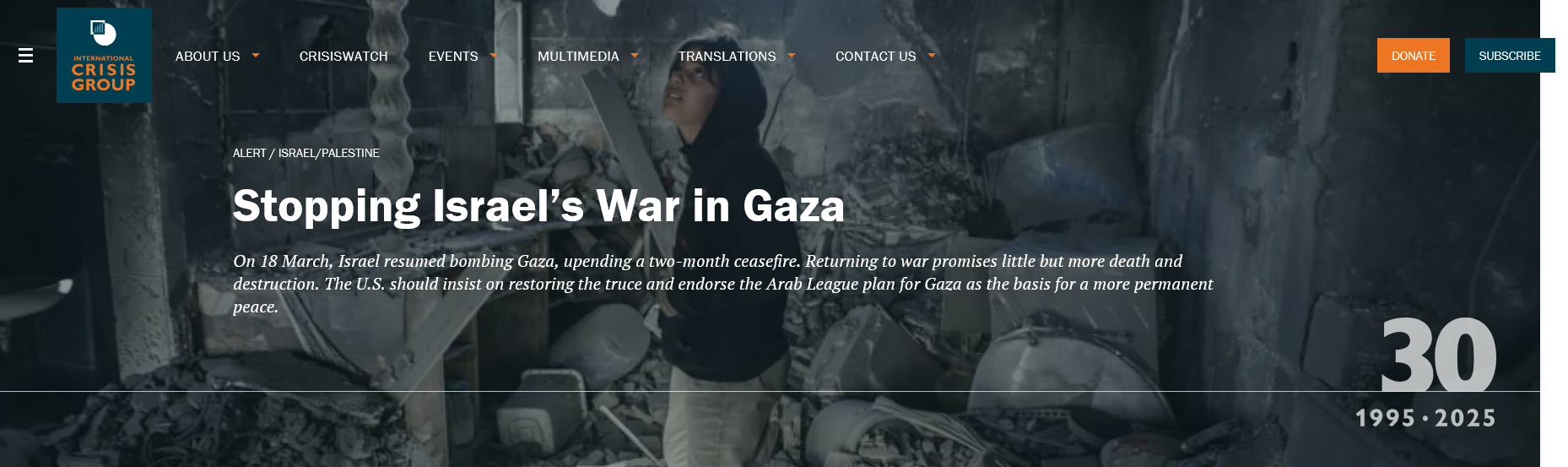
On 18 March, Israel resumed bombing Gaza, upending a two-month ceasefire. Returning to war promises little but more death and destruction. The U.S. should insist on restoring the truce and endorse the Arab League plan for Gaza as the basis for a more permanent peace. …. weiterlesen
Veranstaltungsort: Rosa-Luxemburg-Stiftung Straße der Pariser Kommune 8A | 10243 Berlin
02. April 2025, 19:00 – 21:00 Uhr | Anmeldung erwünscht
Die israelische Gesellschaft ist eine Kriegsgesellschaft. Sie ist daran gewöhnt, militärische Lösungen als alternativlos zu sehen, als Grundbedingung für die Existenz des Staates und ihre Sicherheit. Mit jedem Krieg und jeder Generation vertieft sich das militärische Denken und bildet die Grundlage für die Bereitschaft zu weiteren Kriegen und für die Dehumanisierung von Palästinenser*innen. Was sind die Grundlagen für die Langlebigkeit militaristischen Denkens in der Gesellschaft? Was sind seine Folgen? Wie wirkt sich der Militarismus auf unterschiedliche Teile und Gruppen in der israelischen Gesellschaft aus?
as Israel-Büro der Rosa-Luxemburg-Stiftung hat sich diesen und weiteren Fragen in einem neuen Reader der angenommen: dieser möchte sowohl den Ursprüngen und Erscheinungsformen des militaristischen Diskurses in Israel als auch seiner gesellschaftlichen Funktion nachgehen. Wir lassen dabei progressive israelische Stimmen zu Wort kommen, die infolge ihrer Analyse des israelischen Militarismus in seinen unterschiedlichen Ausprägungen auch Alternativen zum gegenwärtigen unhaltbaren Status quo aufzeigen. In dieser Podiumsdiskussion wollen wir einerseits die Schwerpunkte des Readers vorstellen und diskutieren, andererseits aber auch die Verbindung herstellen zu den Erfahrungen von Menschen in Israel aus unterschiedlichen Perspektiven
Panelist*innen:
Rela Mazali, Friedensaktivistin und Forscherin, u.a. für «New Profile» u. Beitragende zum Reader
Tali Konas, Co-Herausgeberin des Readers und Redakteurin für die Homepage der RLS Israel (www.rosalux.org.il )
Donia Abbas, Projektmanagerin im Israel-Büro der Rosa-Luxemburg-Stiftung in Tel Aviv
Moderation:
Gil Shohat, Leiter des Israel-Büros der Rosa-Luxemburg-Stiftung in Tel Aviv
Die Veranstaltung findet in englischer Sprache mit deutscher Verdolmetschung statt.