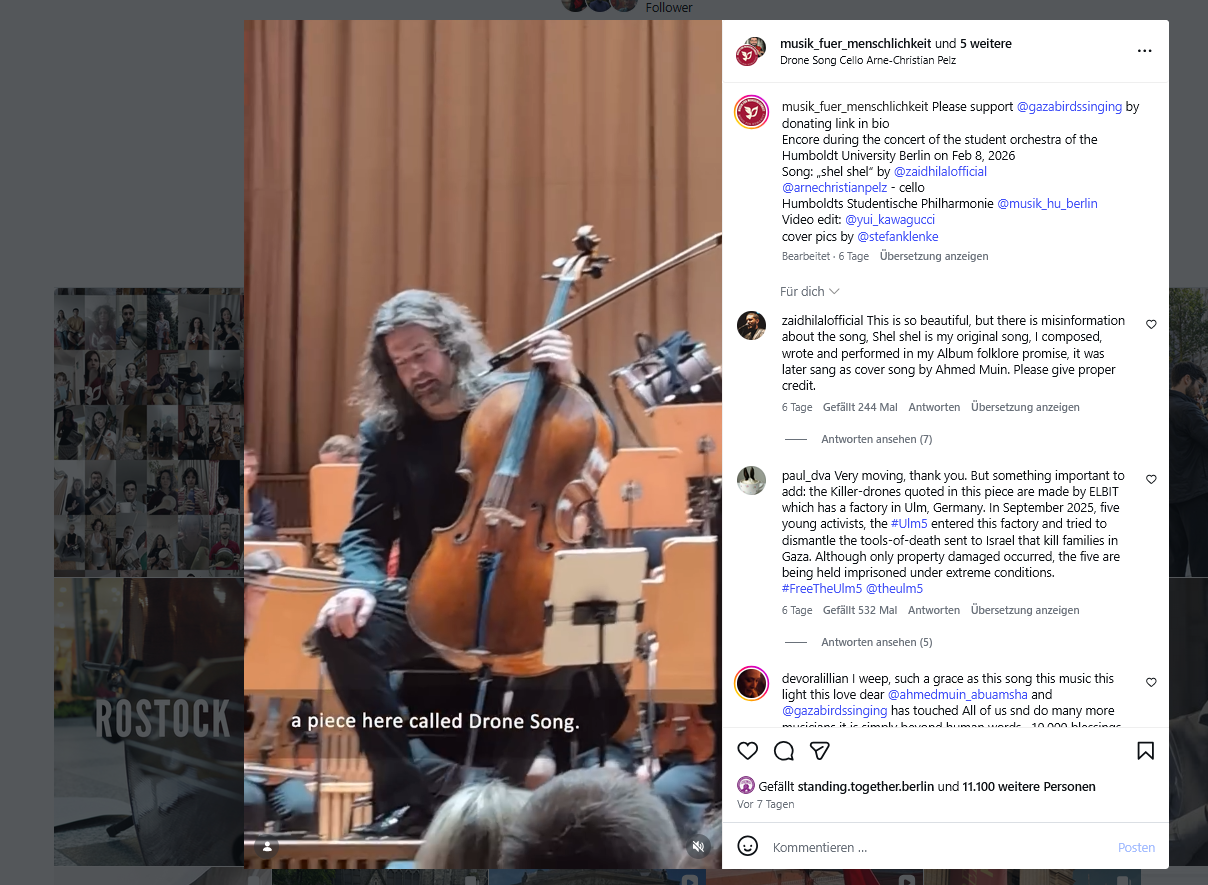
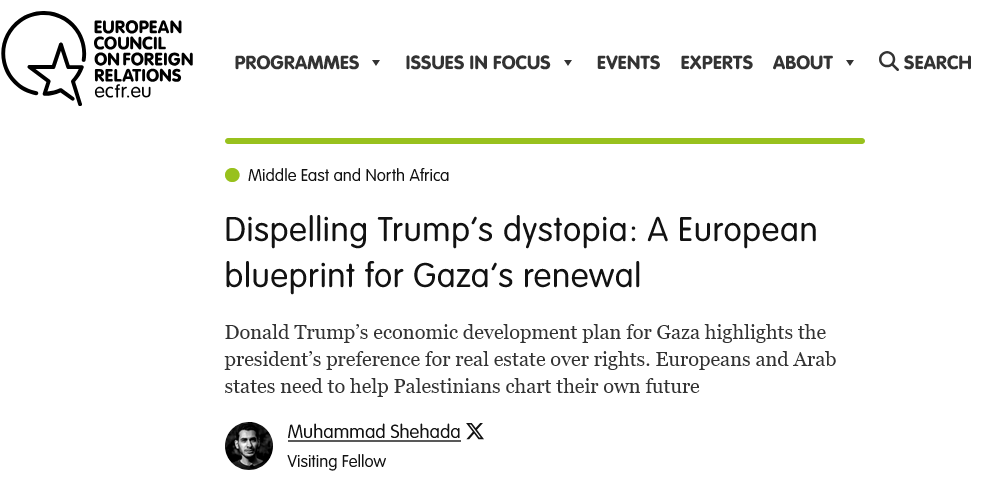
„Even as the world anxiously awaits peace in Gaza, a powerful artistic response to the relentless suffering is echoing across social media. Palestinian composer and writer Nahed Elrayes’s remix of Gaza-based music teacher Ahmed Muin Abu Amsha’s haunting ‘Drone Song,’ released on October 2, has struck a deep chord much like the original. His remix intensifies the portrayal of the drone sounds that have become a grim part of daily life for children in Gaza. In a region scarred by violence, this song is more than a sonic experience — it’s a testament to how art can stand witness, evoke empathy and help heal.“
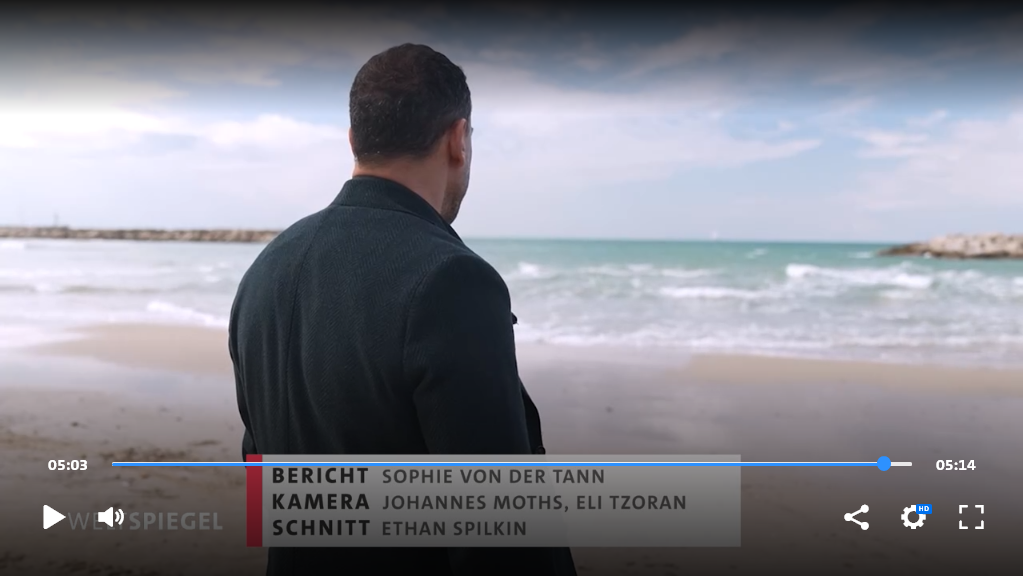
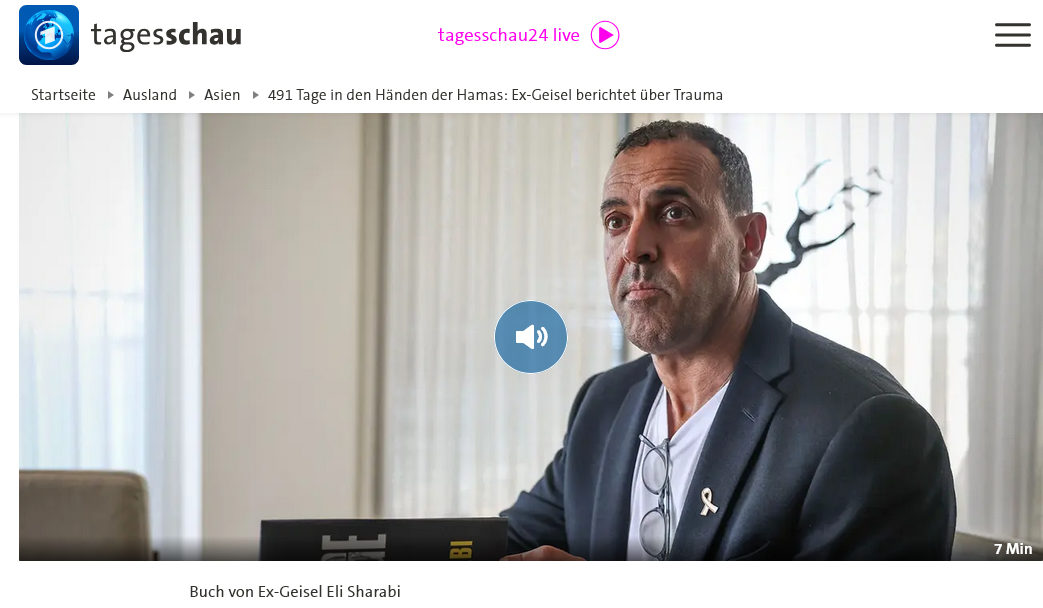
Ein Jahr nach seiner Freilassung aus der Geiselhaft der Hamas spricht Eli Sharabi aus dem Kibbutz Be’eri erstmals ausführlich über seine 491 Tage als Geisel der Hamas im Gazastreifen.
491 Tage war Eli Sharabi in Geiselhaft in Gaza – und hat darüber ein Buch geschrieben. Darin schildert der Familienvater, wie er auch in den dunkelsten Stunden durchgehalten hat, um zu überleben.
NEW EPISODE Hold the Fire FROM THE INTERNATIONAL CRISIS GROUP
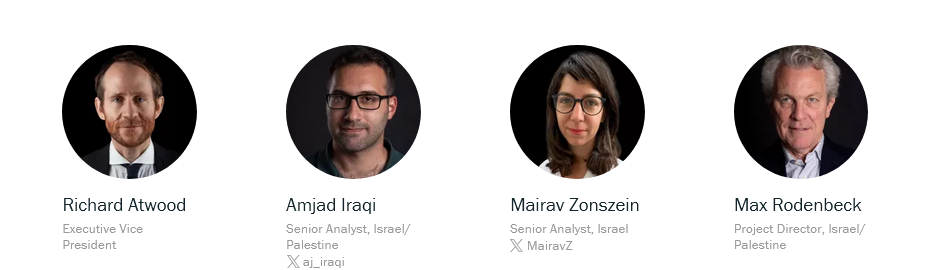
In this episode of Hold Your Fire!, Richard Atwood speaks with Crisis Group experts Amjad Iraqi, Mairav Zonszein and Max Rodenbeck about President Donald Trump’s Board of Peace and its implications for Gaza. They unpack the structure of the board’s different layers, how Palestinians are reacting to the new Palestinian technocratic Gaza committee and what that committee will do. They look at conditions on the ground in Gaza amid frequent ceasefire violations and Hamas’s continued hold of parts of the strip. They also assess the obstacles to moving the peace plan forward, including working out agreement on the sequencing of Hamas decommissioning weapons, on one hand, and Israeli withdrawing troops and letting in reconstruction aid on the other, as well as the still-uncertain prospects for an international stabilisation force in the strip.
As the new year approaches, the people of Gaza continue to face the harsh reality of displacement. Here’s how we served last month to mitigate the pain of displacement:
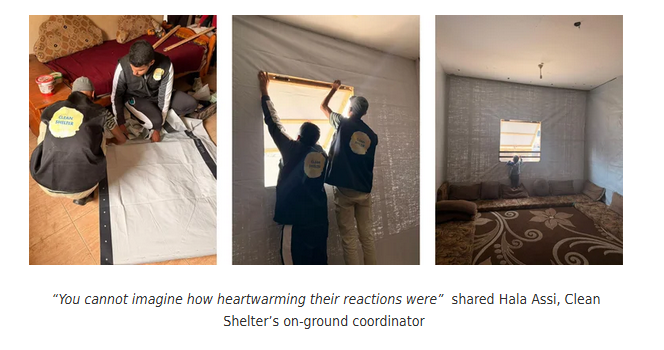
Housewarming of 61 homes in total at a cost of 160,000 Euros, using locally available materials such as wood and tarps to replace concrete, which remains restricted. We also repaired plumbing and sanitation systems to make homes warmer, safer, and more private for returning families. So far, we have helped 61 women-led households get back home, and we aim to support 70 more in the next couple of months.
Innovation in Sanitation: In Mariam Camp, Clean Shelter piloted an innovative sewage management system using locally manufactured galvanized steel underground seepage units. These now serve three toilet and shower blocks (12 units total), benefiting about 300 displaced people and preventing sewage overflow during the winter rains. Based on postive feedback we are expanding to more camps atiming to serve 3,200 Individuals across 4-6 displacement camps
In Mesk and Layan Camp, our team also repaired four toilets, restoring critical hygiene facilities and improving daily life for dozens of families.
Following recent strong winds and heavy rains, we replaced over 90 destroyed tents in the Zomi and Mariam Protection Camps, ensuring families once again have safe and dry spaces to live in.
As part of the Christmas/Winter Campaign, we distributed warm clothing and essentials across Mariam, Zomi, and Mesk & Layan Camps, reaching over 4,290 people at a total cost of $79,000 USD.Due to the dire needs on the ground and your generous response, we decided to extend the campaign to provide warmth to even more children
In parallel, we continue monitoring and maintaining the two desalination units installed last year, which currently deliver clean water to around 60,000 displaced people in the El-Mawasi area. These systems remain a lifeline for thousands of families during ongoing water shortages.
Looking Ahead As we move forward, Clean Shelter is surveying displaced families to evaluate how effectively our projects are meeting community needs. The findings will guide improvements across all our programs.
In the coming months, we will expand sewage systems, repair and warm more homes, provide clean drinking water, and continue responding to urgent shelter and sanitation needs across Gaza.
Many thanks for supporting us to do all we can to alleviate the hardship Donate Today to Help us continue supporting displaced families in Gaza. Every contribution makes a real difference.
Ein taz Talk mit Aktivist:innen von Standing Together.
Inmitten von Krieg, Gewalt und Spaltung setzen sie sich für universelle Menschenrechte ein. Standing Together (Naqaf Ma’an – Omdim Beyachad) kämpft für ein Ende der Besatzung, soziale Gerechtigkeit und eine friedliche und gleichberechtigte Zukunft für Israelis und Palästinenser:innen.
Veranstaltungsinformationen
Wann: Do., 05.02.2026, 19:00 Uhr
Einlaß: 18:30 Uhr – Wo: taz Kantine und im Livestream
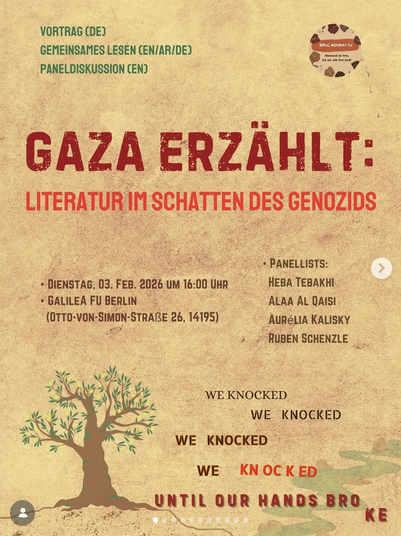
„Gaza erzählt: Literatur im Schatten des Genozids“.
BIPoC Referat des AStA FU lädt ein zu einer Literaturveranstaltung „Gaza erzählt: Literatur im Schatten des Genozids“. Gemeinsam mit Autor*innen und Literaturwissenschaftler*innen soll folgenden Fragen nachgegangen werden:
– Was schreiben die Autor*innen — oder können sie überhaupt schreiben —, während ihre Wohngegend, ihr Zuhause und ihre Familien bombardiert werden und Hunger bis hin zum Verhungern erleiden? – Warum schreiben Autro*innen inmitten des Elends? Um zu überleben? Um zu erinnern? Damit die Welt sie hört und auf ihr Leid aufmerksam wird? – Ist es sinnvoll, diese Texte als Literatur des Genozids zu bezeichnen und einzuordnen? – Wie beeinflußt die schnelle Übersetzung die Rezeption dieser Literatur? Verliert sie dadurch ihren Kontext — oder gewinnt sie notwendige Sichtbarkeit?
Dienstag, 03. Februar 2026, 16 Uhr 📍 GalileA @galileafuberlin (über Mensa 2 FU Berlin; Otto-von-Simson-Str. 26)