Kategorie: Friedens- und Versöhnungsarbeit
Haben wir verloren?
Ein nachdenklich machender Beitrag in der taz-Kolumne Schlagloch von Charlotte Wiedemann
Wieviele dieser Nachrichten noch?
Siedlergewalt – und ….
Beitrag der ORF / Beitrag der Combatants for Peace
Und dazu eine lesenswerte Erklärung von Rabbi Jonathan Wittenberg, Senior Rabbi of Masorti Judaism UK, und Rabbi Emeritus of the New North London Synagogue
… Thank God for those who have the courage, through their protective presence, to oppose such intimidation, injustice and aggression with body and soul. It is they who truly uphold the commandments of the Torah and the essential values of Judaism.
We cannot remain bystanders. We must affirm through our words and deeds what the Torah demands of us in the name of justice, compassion and human dignity, and for the sake, however distant it currently seems, of a better future for all.
Der ganze Text findet sich https://www.jewishnews.co.uk/
RHINO on TOUR

RHINO on TOUR
Ein überlebensgroßes Nashorn macht sich auf den Weg durch Sachsen-Anhalt.
Das weiße Nashorn wirkt auf den ersten Blick ruhig und beinahe harmlos. Doch genau darin liegt seine Irritation: Es macht auf gesellschaftliche Entwicklungen aufmerksam, die oft schleichend beginnen – Konformität, autoritäres Denken und die Frage, wie wir als Gesellschaft damit umgehen. „Rhinozerisieren“ bedeutet im Hebräischen sinngemäß: sich autoritärem Gedankengut zu öffnen und sich unhinterfragt der Meinung anderer anzuschließen.
Inspiriert von Eugène Ionescos Theaterstück „Die Nashörner“, in dem sich Menschen nach und nach in Nashörner verwandeln, erinnert das Kunstwerk daran, dass Demokratie nicht selbstverständlich ist, sondern von Aufmerksamkeit, Widerspruchsfähigkeit und dem Mut zum eigenständigen Denken lebt – und was verloren gehen kann, wenn die Gleichgültigkeit gegenüber autoritären Entwicklungen wächst.
Mit RHINO on TOUR verlässt das Kunstwerk den klassischen Museumsraum und wandert durch Sachsen-Anhalt. An verschiedenen Stationen schafft es Raum für Begegnung, Gespräche und neue Perspektiven.
Nächste Station: Nikolaikirche Zeitz
***
… und noch mal zur Erinnerung: Gemeinsame Stellungnahme von Kulturinstitutionen
Kalender 2026 – August
Transaidency
Der 11. Kalender im Rahmen von israel & palästina | Zeitschrift für Dialog!
Dieser Kalender ging in den Druck zu einem Zeitpunkt, an dem es einen fragilen Waffenstillstand im Gazastreifen gab, von dem auch heute niemand weiß, ob er auch 2026 halten wird.
In der Westbank verschärft sich die Lage zugleich weiter und in Israel finden wir eine tiefgespaltene Gesellschaft vor, bei der noch nicht klar ist, ob sich die Kräfte der Dominanz oder der Kooperation durchsetzen werden.
Der Photobegleiter in Kalenderform für das Jahr lädt jeden Monat ein, noch einmal auf die Lage im Gazastreifen zu schauen. Die wenigen Quadratkilometer sind versehrt und zerstört, wie es kaum denkbar schien. Aber es sind nicht nur die zerbombten Häuser, auch die Menschen haben Schaden genommen und der Weg der Heilung wird lang.
Die Wunden sind auf beiden Seiten tief und es gilt, sie nicht gegeneinander aufzurechnen, sondern mit Empathie und Zuwendung nach Möglichkeiten zu suchen, wie eine andere Zukunft aussehen kann und was (man:frau:wir) dafür tun können. Eine Möglichkeit gibt es über die jeweiligen Spendenlinks und QR-Codes der Organisationen.
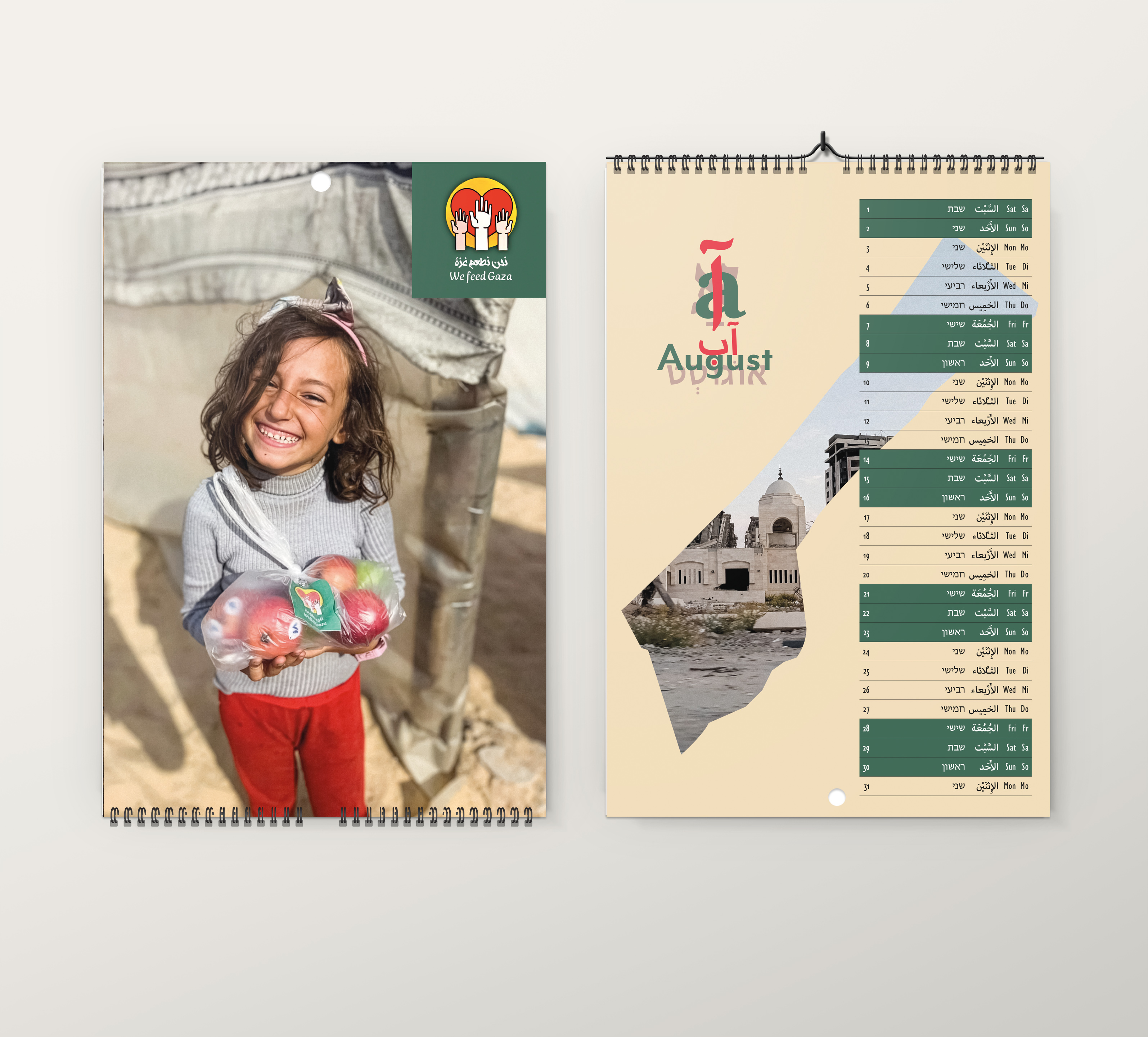
israel & palästina – Zeitschrift für Dialog | Ausgabe 4-2025
We Feed Gaza is a Catholic grassroots movement distributing food, water, medicine, and life essentials in the
Gaza Strip. They have prepared, served, and cooked for over 17,000 families since April, 2024.
Gofundme.com/f/wefeedgaza
Instagram: wefeedgaza
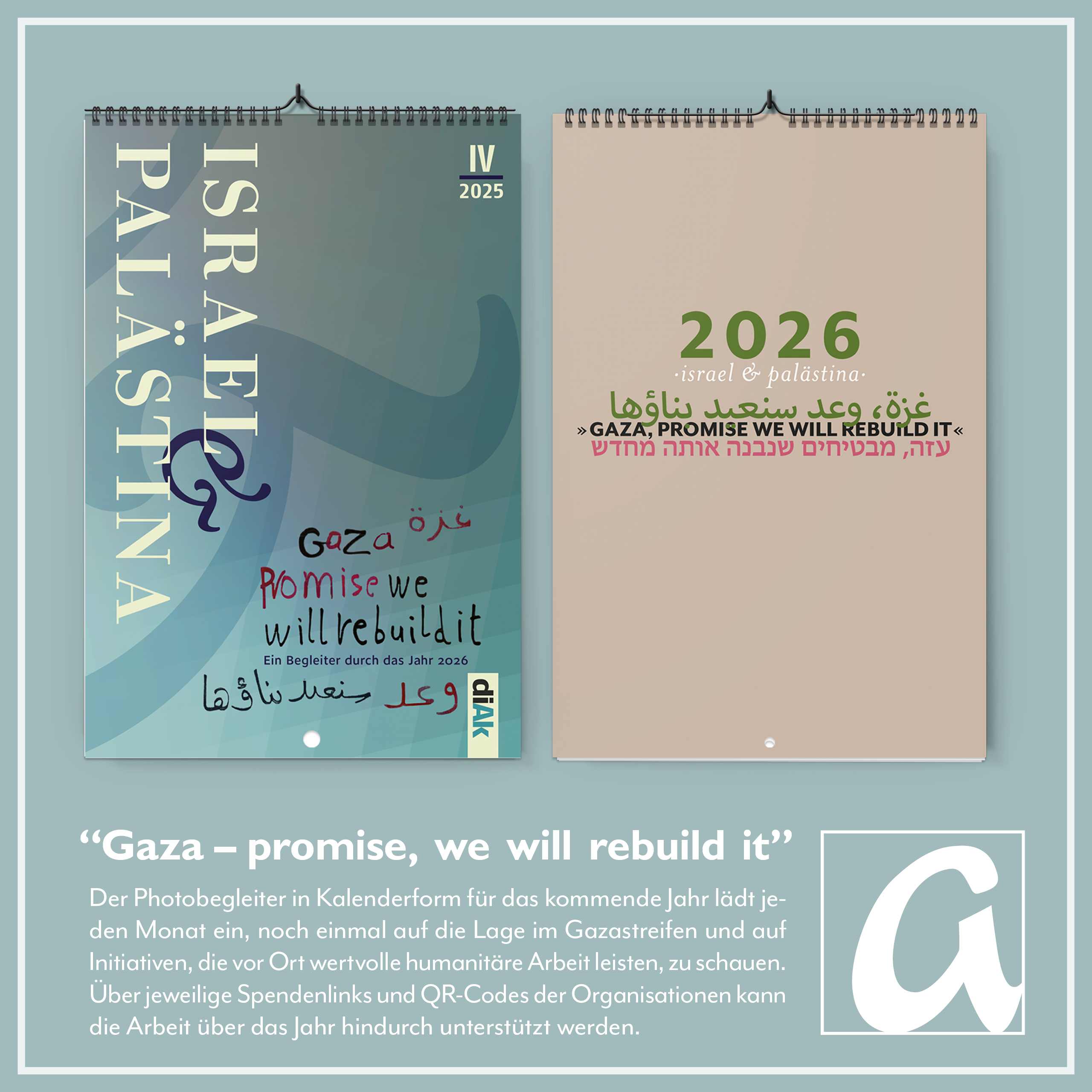
Es war das elfte Mal, daß im Rahmen von israel & palästina | Zeitschrift für Dialog ein Photobegleiter in Kalenderform für das kommende Jahr erschienen ist:
Gaza – promise, we will rebuild it – Ein Begleiter durch das Jahr 2026
Kalender 2026
Women on the Frontlines of Change
Building Just Peace Through Co-Resistance
🗓 Wednesday, August 5, 2026 – ⏰ 1:00 PM EST | 8:00PM Jerusalem | 6:00PM London

Guest speakers include:
🌳Hanadi Hussin Sayed, Palestinian activist, researcher, author, and gender specialist whose work focuses on women’s empowerment, displacement, and the experiences of women living through and beyond conflict.
⛰️Tova Kahan, Israeli activist and Protective Presence Consortium project manager working alongside Palestinian villages under threat while helping strengthen community resilience and joint action.
🌏Dr. Gail Bradbrook, co-founder of Extinction Rebellion and internationally recognized organizer who has inspired movements for climate justice, systems change, and grassroots action across the globe.
🪷Moderated by Tiffany Goodwin-Van Camp, Executive Director of American Friends of Combatants for Peace.
Hear their stories, ask your questions, and be part of a conversation about the kind of leadership our world needs now. We look forward to seeing you.
Das israelische Musiker-Duo Noga Erez und Ori Rousso
Ein Beitrag der ard-Mediathek aus ttt – Die Dokumentation „Noga“ portraitiert die kritische Stimme Israels im Spannungsfeld von Pop und Politik.
Die 1989 geborene Sängerin, Songwriterin und Rapperin Noga Erez wechselt zwischen Pop, Hip-Hop, Elektronik, Alternative und Punk – Musik die sie gemeinsam mit ihrem künstlerischen, wie Lebenspartner Ori Rousso schafft. Das Regieduo Jono und Benji Bergmann begleitete das Paar über fünf Jahre – in der Zeit als der Angriff der Hamas im Oktober 2023 und der darauf folgende Gaza-Krieg das Leben in Israel komplett veränderte. „Noga“ kommt am 13. August 2026 in die Kinos.
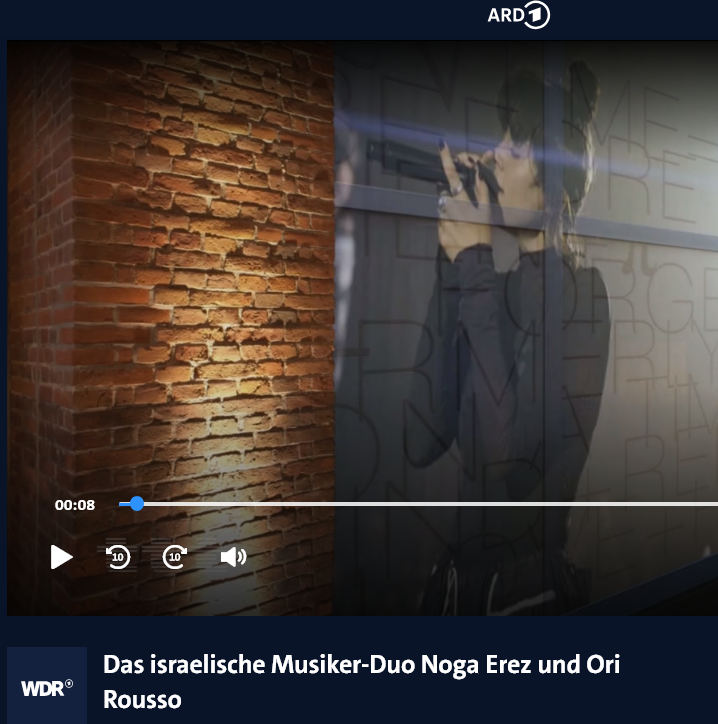
Screenshort ard ttt
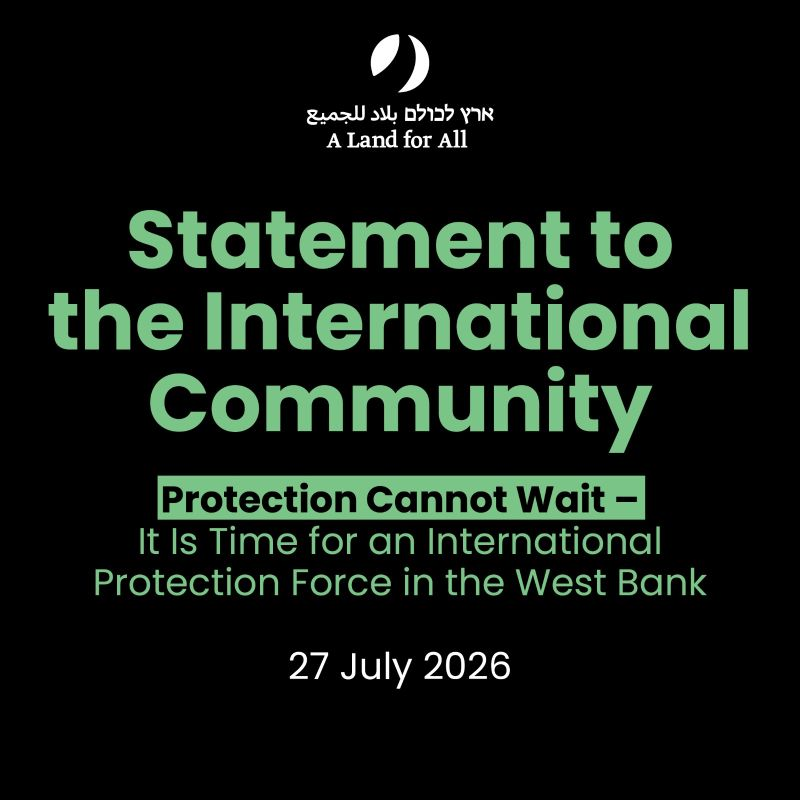
Protection Cannot Wait
Statement to the International Community – It Is Time for an International Protection
Force in the West Bank — From: A Land for All: Two States, One Homeland
For the safety, security, and dignity of every human being between the river and the sea
A Land for All calls on the international community to act immediately, concretely, and without further delay to protect Palestinian communities in the West Bank from settler violence.
Protecting civilians is not an act of goodwill – it is a legal obligation under international law. History will not ask what the nations of the world said in these days; it will ask what they did.
Read the full statement:
https://lnkd.in/dhv6RS8N
Die Namen kehren zurück
Diese Arbeit, dieses Engagement hört nicht auf: Ein Beitrag von Andre Wokittel auf der Seite der Tageszeitung Junge Welt
Der Verstorbenen würdevoll gedenken. Die Aktion Sühnezeichen Friedensarbeit setzt einen Teil des verwilderten und geschändeten neuen jüdischen Friedhofs in Wrocław / Breslau wieder in Stand.

Der Kampf mit oder für Windmühlen?
Die Massada Annual Lecture at Worcester College von Fania Oz-Salzberger in Oxford 2026
Fania Oz-Salzberger argues against the false dichotomy between pro‑Israel and pro‑Palestine. She argues that ‘the idea that Israel and Palestine form a zero‑sum conflict—that one people’s gain must be the other’s destruction—is both intellectually flawed and politically dangerous. It traps us in a logic where only total victory or total defeat seem imaginable.’
This was originally given as a speech at the Massada Annual Lecture at Worcester College, University of Oxford in early summer 2026, organised by Dr Naomi Rokotnitz.