Friedenskonzert in der Passionskirche Berlin | Sa 26. Okt 2024, 20:00 Uhr (Marheinekeplatz 1‐2)
Musik ersetzt nicht die harte Arbeit für den den Frieden, aber sie kann die Kraft dafür mobilisieren …
***
„Kayan“ ist das arabische Wort für „Existenz“. Als Kayan Projekt existieren Berliner Musiker aus Israel‐Palästina, Syrien und Polen als ein außergewöhnliches Ensemble, das sich um die Sängerin Eden Cami versammelt hat. Die junge Formation aus arabischer Ud, Kontrabaß und Percussion verbindet klassische und moderne Musik sowie Poesie aus der Levante mit Elementen des Jazz, die Eden Cami mit ihrem arabischen und hebräischen Gesang verwebt.
Der Lyriker Jan Wagner schreibt: „Die virtuos gezupfte Ud und das Gleiten und Schnippen und kunstvolle Stolpern des Kontrabasses treffen sich irgendwo an der Grenze zwischen Folk und Jazz, und der wunderbare Gesang der Singer‐Songwriterin Eden Cami läßt beides anklingen.
Besetzung / Stab
Eden Cami Gesang Or Rozenfeld Kontrabass Wassim Mukdad Oud Borys Slowikowski Schlagzeug
Regelmäßig schreibt Helga Baumgarten in der jungen Welt
21. September: »Wer schweigt, ist Mittäter« Der palästinensische Pfarrer Munther Isaac klagt die christliche Welt an
14. September »Christ und Palästinenser« Erzbischof »Abuna« kämpft für Gerechtigkeit jenseits religiöser Grenzen
Helga Baumgarten ist emeritierte Professorin für Politikwissenschaften an der Universität Birzeit nördlich von Jerusalem im Westjordanland und Autorin mehrerer Werke zum Nahostkonflikt.
Teil eins der Briefe erschien in der jungen Welt vom 29./30. Juni, die Folgebriefe wurden in den jW-Ausgaben vom 8., vom 13./14., vom 20./21., vom 27./28. Juli, vom 10., 17. und 24.8. sowie 7.9. veröffentlicht-
Im Juli 2024 wurde Umm al-Jimal vom Komitee der UNESCO in die Liste des Welterbes aufgenommen. – Bericht auf Universes
Umm al-Jimal ist eine spätantike Stadt mit beeindruckenden Ruinen von Gebäuden aus schwarzem Basalt, die auf nabatäischen und römischen Bauten errichtet wurden. Die archäologische Stätte befindet sich 80 km von Amman entfernt in der halbtrockenen Hauran-Region im Norden Jordaniens. Sie ist nicht nur wegen der Architektur und Geschichte einen Besuch wert, sondern auch, um eine engagierte Gemeinschaft kennenzulernen, die sich für den Erhalt ihres einzigartigen Erbes einsetzt und Dienstleistungen für Tourist:innen anbietet.
Die nabatäisch-frührömische Siedlung an einer Handelsroute von Karawanen (Mitte des 1. bis 3. Jahrhunderts n. Chr.) wurde im 4. bis 5. Jahrhundert zu einer römischen Militärstation. Als sich in byzantinisch-umayyadischer Zeit arabische Zivilisten aus der Region dort niederließen, entwickelte sich Umm al-Jimal zu einer wohlhabenden Agrar- und Handelsstadt. …
ToRoll: Materialized holiness is a collaborative research project to examine the production of ritually pure Torah scrolls as an extraordinary codicological, theological, and sociological phenomenon of Jewish scribal culture. The project includes the digital edition of selected scribe literature from antiquity until the modern era, paleographical analyses of the letter crownlets and particular forms of lettering, analyses of the inks and the materials used for writing medieval Torah scrolls of European provenance, and qualitative interviews with contemporary scribes.
A primary objective of the project is to further integrate central research fields of Jewish Studies into the inter- and transdisciplinary research discourses, and to open them up for methodological approaches with the help of the Digital Humanities. For processing new research Questions, the project combines the academic expertise from Jewish Studies with the methods of material research, the social sciences, and art history, as well as with the future-oriented approaches of information technology.
+ Aufhebung des israelischen Einreiseverbots für unabhängige internationale Berichterstatter:innen ins Kriegsgebiet!
+ Keine ungeprüfte Übernahme von Darstellungen von Kriegsparteien in der Berichterstattung! Stattdessen: Quellenvielfalt, Einbettung in den historischen und politischen Kontext, Zusammenarbeit auf Augenhöhe mit palästinensischen Journalist:innen.
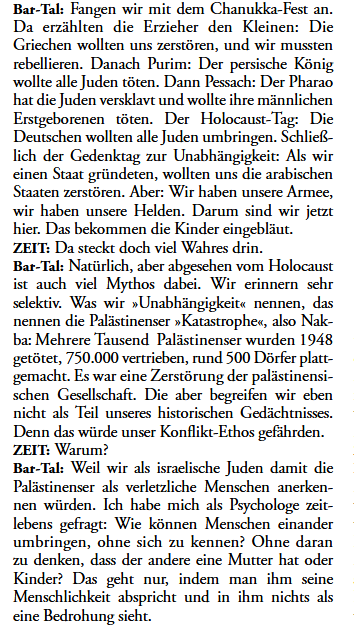
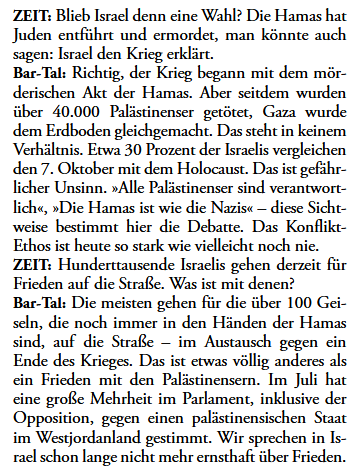
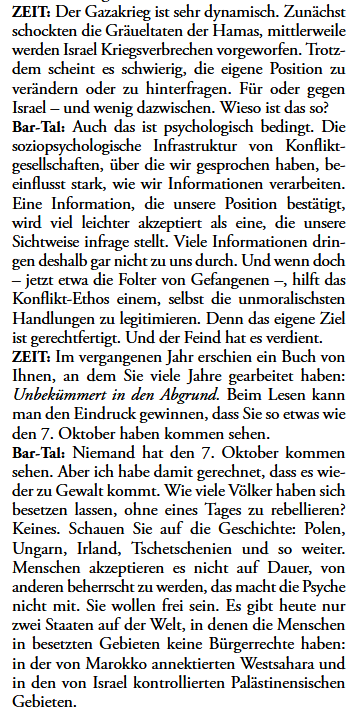
Der Autor unseres Schriftenreihen-Bandes 46 | Unbekümmert in den Abgrund. Die Folgen von Konflikt und Besatzung für die jüdisch-israelische Gesellschaft in einem ganzseitigen Gespräch in der ZEIT (aktuell hinter der Bezahlschranke, aber im folgenden ein paar Zitate):
Syrien, 2011 Brennpunkt des Arabischen Frühlings und seitdem Schauplatz eines gewaltsamen, internationalisierten Bürgerkriegs, ist angesichts anderer Konfliktarenen wie der Ukraine und Gaza in den letzten Jahren zunehmend aus dem Blickfeld der Weltöffentlichkeit geraten.
Interview mit den GIGA-Expert:innen Dr. André Bank und Dr. Christiane Fröhlich zur aktuellen Situation
Öffnungszeiten: Dienstag bis Sonntag, 10 bis 17 Uhr sowie an den Feiertagen 20. September, 3. Oktober und 31. Oktober. Vom 25. bis 27. September bleibt die Ausstellung geschlossen.
Ende des 16. Jahrhunderts notierte ein Schüler osmanische Wörter in sein Schulheft. Er sollte später ein einflußreicher lutherischer Theologe werden. Vom Besuch eines äthiopischen Geistlichen in Gotha 1652 sind Übersetzungen religiöser Literatur erhalten, die er gemeinsam mit einem deutschen Gelehrten verfaßte, der die Äthiopistik begründen sollte. Im 17. Jahrhundert schrieb ein Numismatiker ein Lobgedicht in Arabisch und Latein auf den Gothaer Herzog, in der Hoffnung sich eine Position an der Herzoglichen Bibliothek zu sichern. Ein Naturforscher sandte im ersten Jahrzehnt des 19. Jahrhunderts von seiner Reise durch das Osmanische Reich und Arabien arabische, persische und osmanische Handschriften an die Gothaer Bibliothek. Auch sammelte er im Osmanischen Reich kulturelle Artefakte, wie etwa einzigartige historische Stoffproben, und schickte sie nach Gotha.
Diese und viele weitere Spuren der Auseinandersetzung mit dem Orient haben sich in Gotha erhalten. Sie verweisen auf das Wirken von Gelehrten, die es vom 16. bis zum 19. Jahrhundert in die Stadt zog. Dazu gehörten protestantische Theologen, aufklärerische Naturforscher, historisch-kritisch arbeitende Orientalisten, Dichter der Romantik oder auch Kartographen. Diesen Gelehrten und den Spuren, die sie hinterlassen haben, ist die Ausstellung „Der Orient in Gotha“ gewidmet. Jeder von ihnen prägte auf seine Weise die Sicht auf die Kultur, Geschichte, Literatur und Geographie des Osmanischen Reichs, der arabischen Halbinsel, Äthiopiens und weiterer Gebiete, die als Teil des Orients verstanden wurden. Vierhundert Jahre Orient-Studien in Gotha zeugen nicht nur vom Wandel der Wissenschaften, sondern beleuchten auch die Geistes- und Wissenskultur der Stadt Gotha.