
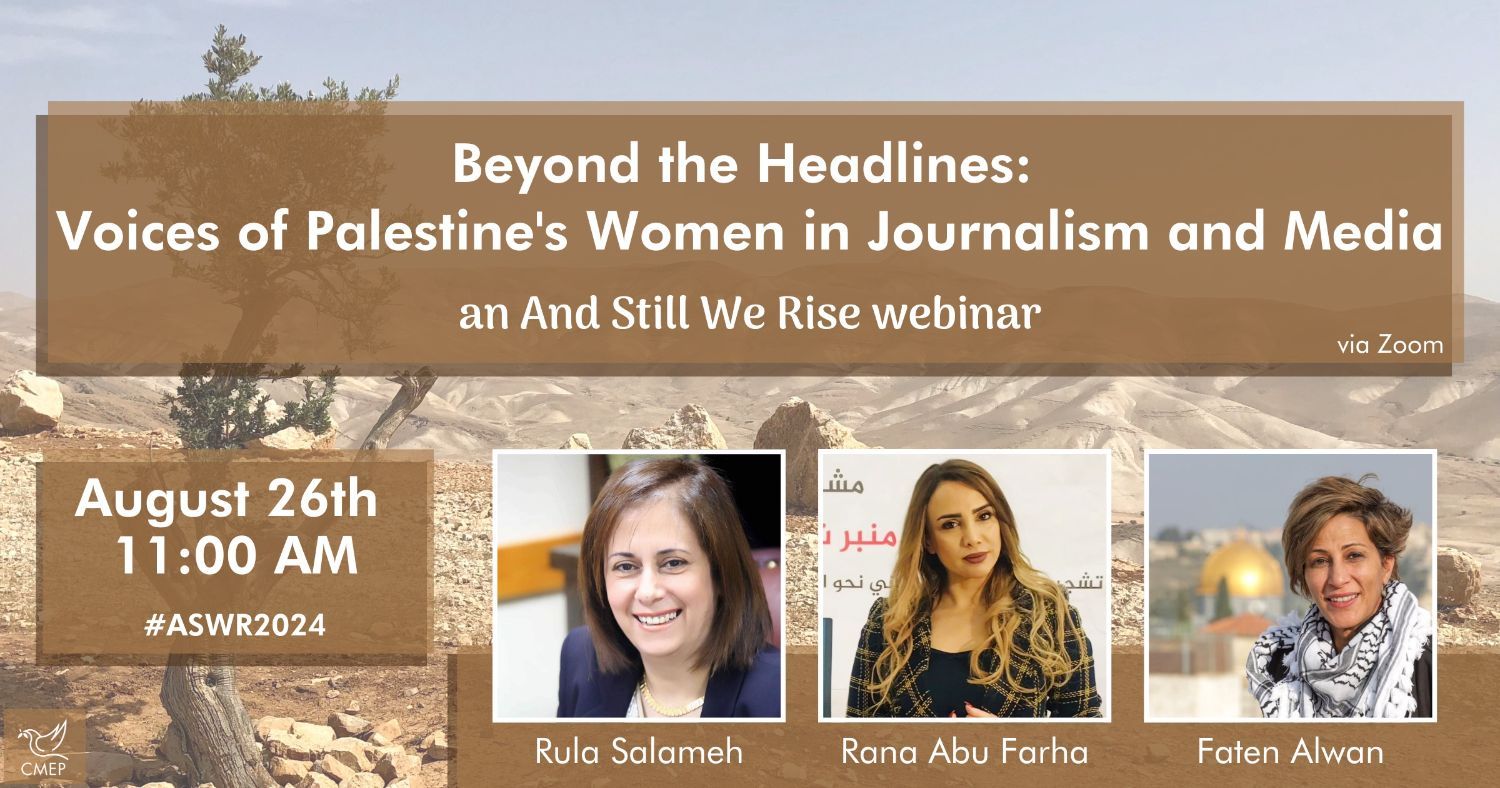
Palästinenserinnen im Zoom
Montag, 26. August 2024 | 17.00 Uhr – Register
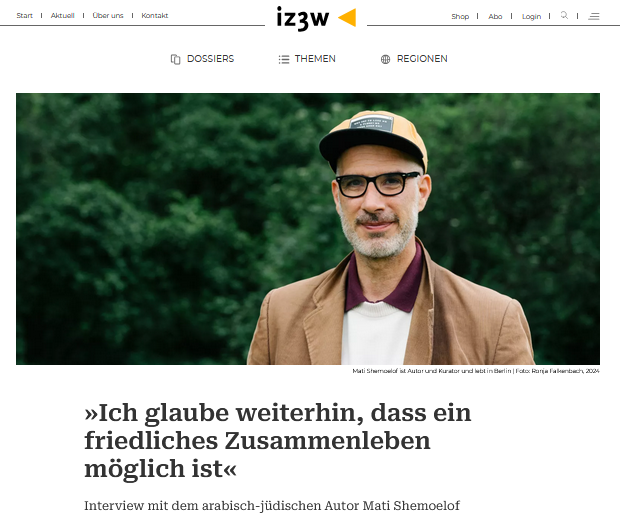
Mati Shemoelof ist Autor und Kurator und lebt in Berlin
Interview mit dem arabisch-jüdischen Autor Mati Shemoelof in/auf iz3W
Bittere Wirklichkeiten …
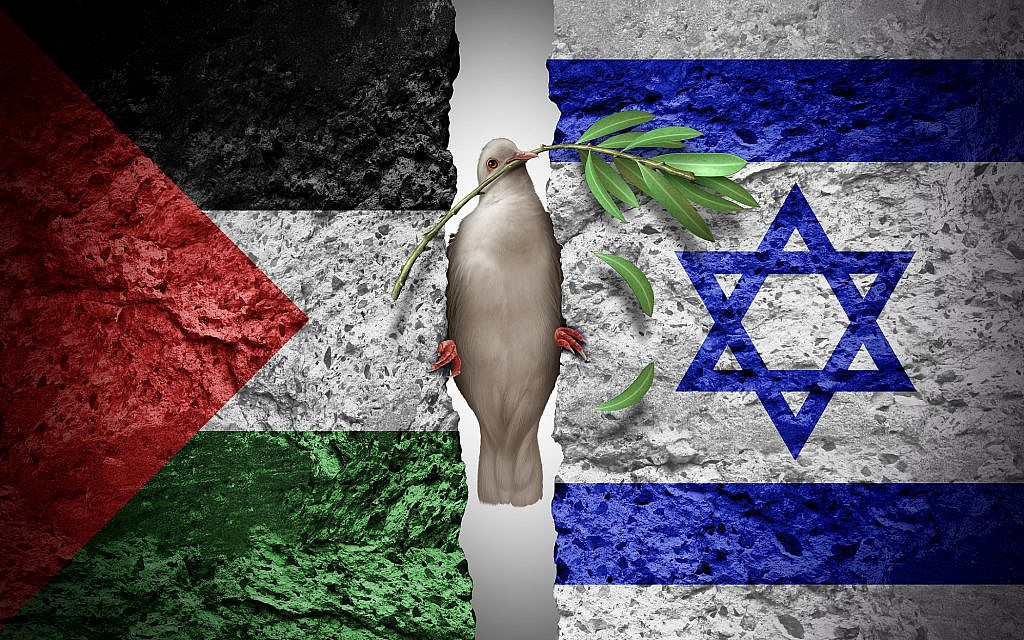
Aus dem heutigen (18. August) Blog der ToI (Times of Israel)
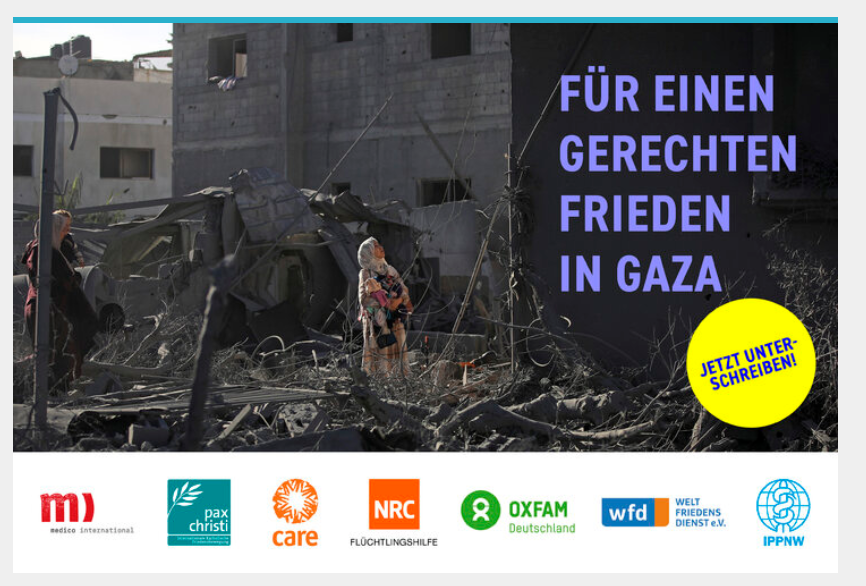
CARE, IPPNW, medico international, NRC Flüchtlingshilfe, Oxfam, pax christi und der Weltfriedensdienst haben auf der Plattform www.openpetition.de die Erklärung Für einen gerechten Frieden in Gaza. Waffenexporte stoppen & Hilfsblockade beenden! veröffentlicht:
In der Sehnsucht nach Frieden …
Elik Elhanan im Gespräch
Zoom Meeting, Sunday, August 18, 2024 -Time: 7:00 PM Jerusalem time, 5:00 PM London time,
18:00 Uhr Berlin
The Israeli-Palestinian Confederation Committee: We are conducting, collaborative, interactive and thought-provoking Zoom events to explore peace between Israelis Palestinians.
„Since the beginning of Israel’s attacks on Gaza over 10 months ago to the present, the Israeli Defense Forces (IDF) have unleashed violence against unarmed Palestinians in Gaza. Below is a description of and link to a Zoom event on Sunday, August 18, 2024 featuring a former IDF soldier who is now a professor at City College of New York, teaching Yiddish and the Israeli-Palestinian conflict. We encourage you to register. In Solidarity | Beyt Tikkun Israel/Palestine committee„

Elik Elhanan served in a special forces unit in the Israel Defense Forces from 1995 to 1998, operating extensively in south Lebanon and the West Bank. In 1997, his 14-year-old sister was killed by a suicide bomber in Jerusalem. Elik is also a military refusenik. He joined Courage to Refuse in 2002 and co-founded the Israeli-Palestinian group Combatants for Peace in 2005, becoming its Israeli director in 2006-2007. He has been a long-time member of the Parents Circle-Families Forum. In 2012, he participated in a mission with the Swedish boat S/V Estelle to challenge the Israeli blockade of Gaza. Elik earned his PhD in Middle East studies from Columbia University and currently works as a professor teaching Yiddish and the Israeli-Palestinian conflict at City College of New York.
Date: Sunday, August 18, 2024
Time: 7:00 PM Jerusalem time, 5:00 PM London time,
Register in advance for this meeting:
https://us02web.zoom.us/meeting/register/tZMtd-6qqjgsGdUlG1igmuBfHVGANtcaobyt
After registering, you will receive a confirmation email containing information about joining the meeting
Where Olive Trees Weep offers a searing window into the struggles and resilience of the Palestinian people under Israeli occupation. It explores themes of loss, trauma, and the quest for justice.
We follow, among others, Palestinian journalist and therapist Ashira Darwish, grassroots activist Ahed Tamimi, and Israeli journalist Amira Hass. We also witness Dr. Gabor Maté offer trauma-healing work to a group of women who were tortured in Israeli prisons.
Ancient landscapes bear deep scars, having witnessed the brutal reality of ancestral land confiscation, expulsions, imprisonment, home demolitions, water deprivation, and denial of basic human rights. Yet, through the veil of oppression, we catch a glimpse of resilience—deep roots that have carried the Palestinian people through decades of darkness and shattered lives.
This emotional journey bares the humanity of the oppressed while grappling with the question: what makes the oppressor so ruthlessly blind to its own cruelty?

Daneben, dahinter, währenddessen – Die Besatzung geht weiter und wird weiter vertieft (PDF-Bericht)
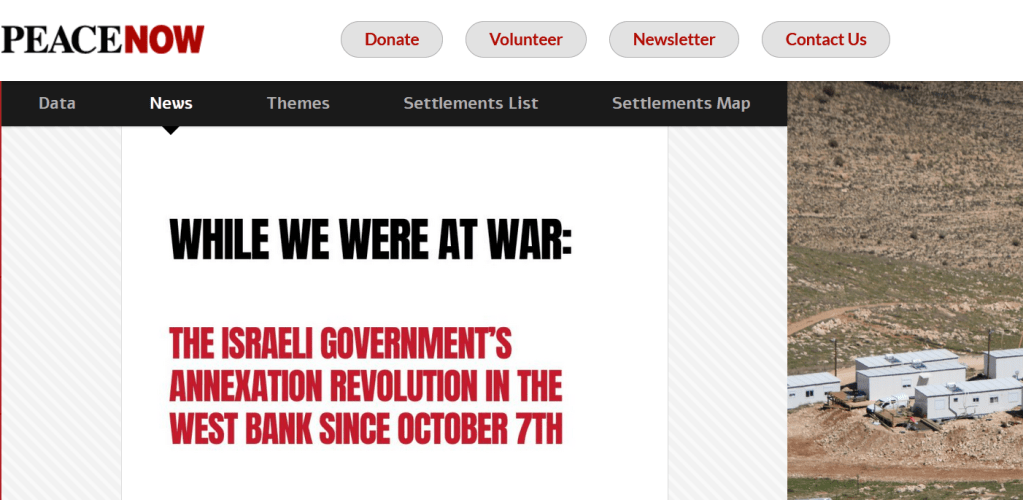
…. und die Aufzeichnung eines Gesprächs zum Thema mit Lior Amihai von Peace Now
„Israel’s Annexation Revolution“ (Webinar Recording)“
Gute Nachrichten finden sich wenig in diesen Tagen und es kommen auch noch immer mehr Schlechte hinzu … Einen ausführlichen Bericht (in englischer Sprache) haben gerade die Ärzte ohne Grenzen vorgelegt.

Zur deutschen Pressemitteilung – Zum englischen Bericht
