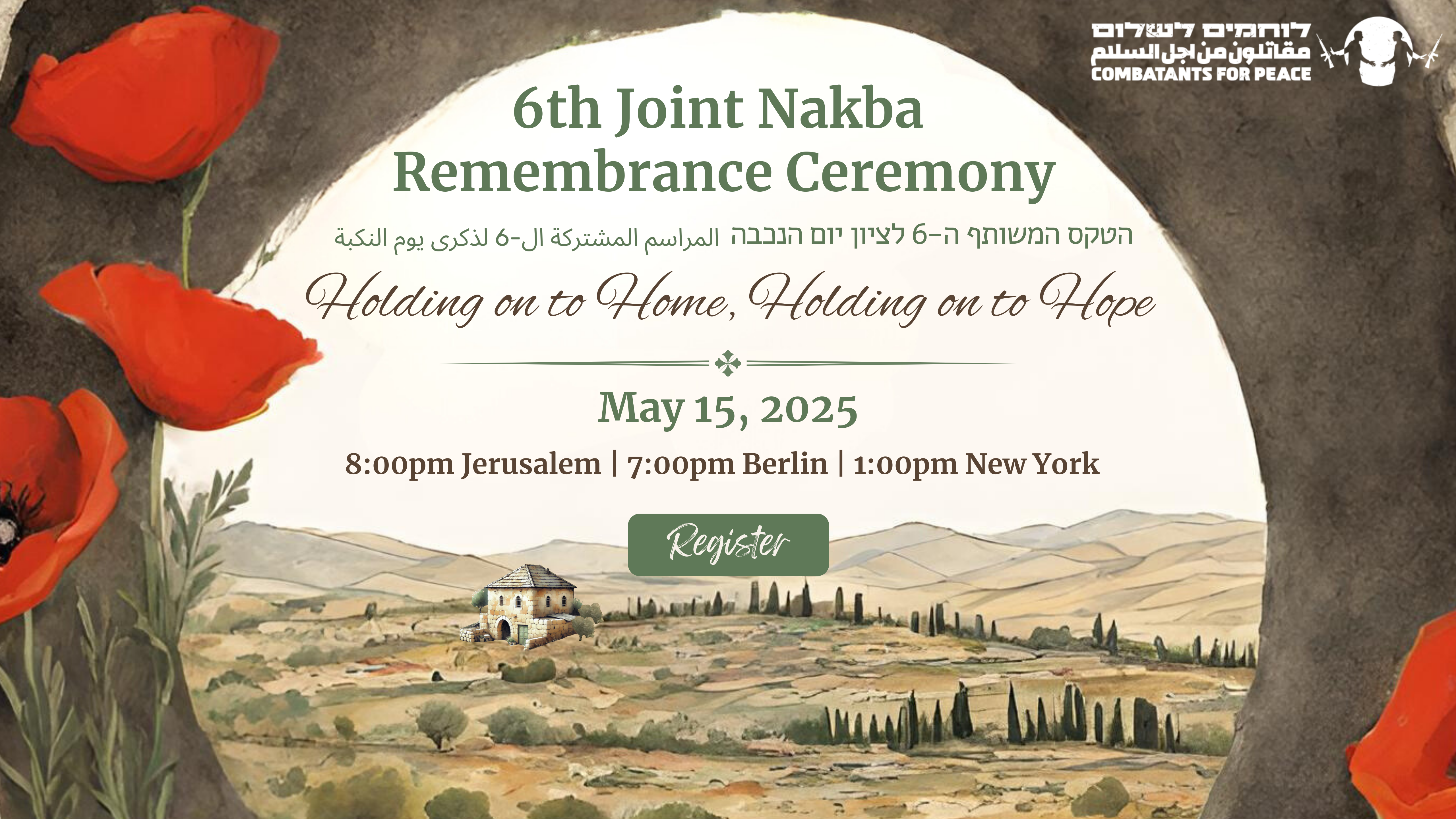
15. Mai 2025 – 19.00 Uhr | Register for Livestream
Combatants for Peace:
Visit the website: https://cfpeace.org/
Find them Facebook pages: English, Arabic, Hebrew
Find them on Twitter
15. Mai 2025 – 19.00 Uhr | Register for Livestream
Combatants for Peace:
Visit the website: https://cfpeace.org/
Find them Facebook pages: English, Arabic, Hebrew
Find them on Twitter
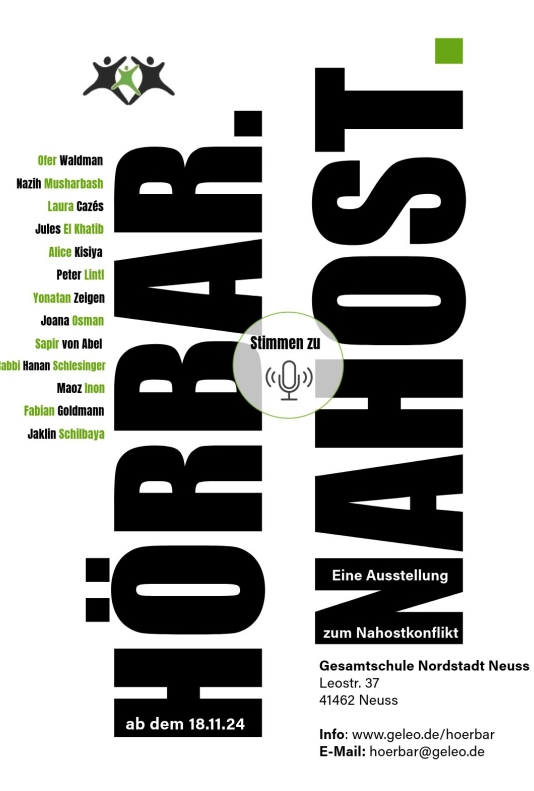
Eine multimediale Ausstellung zum Nahostkonflikt / Mehr Informationen
Redaktioneller Hinweis:
Falls jemand einen Bericht aus eigener Anschauung zu dieser Initiative beisteuern kann, sehr gerne, diese Hnweis erfolgt auf der Basis von berichten, nicht aus direkter Kenntnis!
Eine multimediale Ausstellung zum Nahostkonflikt / Mehr Informationen
Redaktioneller Hinweis:
Falls jemand einen Bericht aus eigener Anschauung zu dieser Initiative beisteuern kann, sehr gerne, diese Hnweis erfolgt auf der Basis von berichten, nicht aus direkter Kenntnis!
Ein Beitrag von Mohamed Gamal auf Qantara.de
Toleranz und Aufstieg, Elend und Auswanderung: Zwei neue Bände beleuchten die Geschichte von Kairos jüdischem Viertel. Autor Ahmed Zakaria Zaki dokumentiert, wie eng jüdisches Leben mit der Geschichte Ägyptens verwoben ist.

Zaki zeichnet in seinem Buch die Geschichte des Viertels bis zum Ende des 19. Jahrhunderts nach, bis zum ersten Zionistenkongress in Basel im Jahr 1897, der die Gründung eines jüdischen Staates in Palästina befürwortete.

Mit einem wissenschaftlichen Symposium haben die Deutsche Bischofskonferenz (DBK) und der Zentralrat der Deutschen Sinti und Roma am 29. und 30. April in Berlin das Verhältnis der katholischen Kirche zu Sinti und Roma während des Nationalsozialismus und in der Nachkriegszeit aufgearbeitet.

(Bericht Radio Vatican) (Grußwort Bischof Bätzing) (Zentralrat Deutscher Roma und Sinti)
Choosing Hope, Choosing Humanity
Im Nachgang zum Joint Memorial a, 29. April 2024 aus dem Mailing der CfP
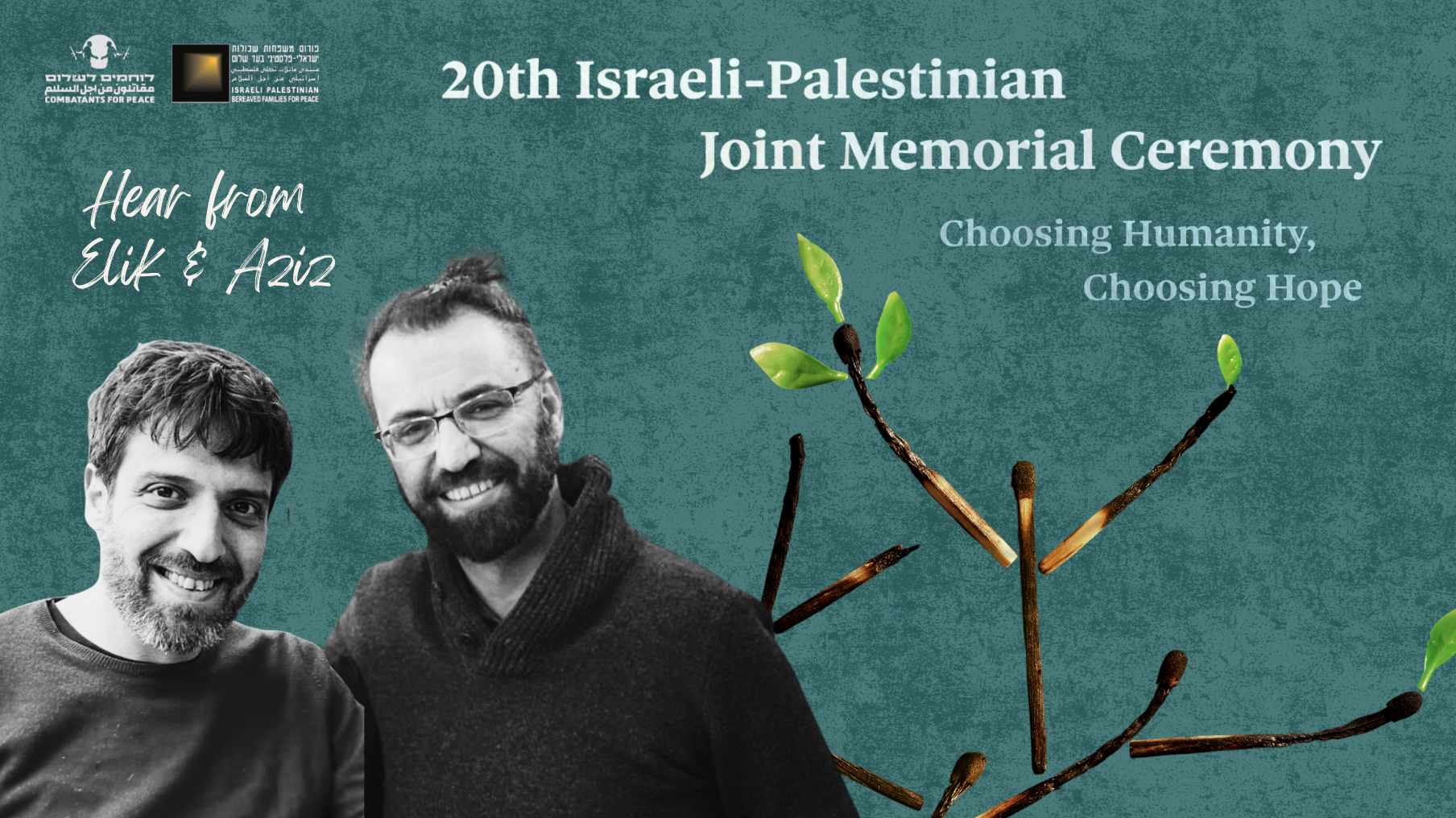
Last night, tens of thousands of people gathered for the 20th Israeli-Palestinian Joint Memorial Ceremony, organized by Combatants for Peace and the Parents Circle – Families Forum. Together, we created a powerful shared space of grief, humanity, and hope. We are in awe at the bravery, courage and strength of our speakers, and filled with a renewed determination, fueled by their commitment to peace and justice.
Over 160 live broadcast screenings took place around the world in homes, community centers, places of worship, and even in the EU Parliament. In a moment where hatred continues to rise, our growing community chose another path – one of courage, empathy, and shared grief.
In Ra’anana, just 20 kilometers north of Tel Aviv, a screening held in a local synagogue was met with protesters shouting abuse and physically attempting to block people from entering. The 200 strong mob forced their way inside the synagogue and assaulted participants, hurling rocks and firecrackers at them. This is the reality we face – where fear breeds hatred, and hatred escalates into intimidation and violence. Yet even in the face of this hostility, our community stood tall. We stand in full solidarity with the organizers in Ra’anana and with everyone around the world who chose to listen to the voices of grief, empathy, and resistance – rather than give in to militarism, blame, and nationalism. Thank you for not turning away and for choosing to confront the pain of ‘the other,’ and for bearing witness not only to the loss within Israel, but to the ongoing devastation in the West Bank and Gaza, where war rages and starvation looms.
In a time filled with heartbreak and uncertainty, the ceremony reminded us of the simple but radical truth: humanity and hope must come first.
Liat Atzili, widow of Aviv Atzili who was murdered on October 7th, a survivor of the Nir Oz massacre and a former hostage in Gaza, spoke of her quest to find meaning after deep personal loss:
„Freedom is a heavy burden, but it is the only force capable of bringing peace among people and building a just and moral society.“
‚F‘ a Palestinian from Gaza whose mother was killed by sniper fire in Gaza, shared why she chose a path of peace despite her pain:
„Our lives are not only stories of sorrow – they are also stories of resilience, of standing firm and holding on to hope for a better tomorrow.“
We must stop the de-humanization of ‚the other‘ and remember that a mother is a mother, a child is a child, and a person is someone’s world. Last night was a lesson in profound empathy through these dark days of violence and trauma – let’s all take time to reflect on what we heard, and consider how we act now.
But what began last night doesn’t stop today – so we invite you to take the next step: become an active member of Combatants for Peace and play a role in ending the occupation, advancing peace and advocating for change. Here is what you can do today;
Share Our Message: Help spread the voices from within our movement by sharing our videos, stories, and updates. Change starts with conversation.
Donate: Support our work for peace, justice, and equality. Every contribution strengthens our ability to resist violence, amplify voices for change, and continue our transformational work across Palestine and Israel.
Create Community: Host a gathering, start a local group, or simply bring others into this journey. Building solidarity from the ground up is how we create lasting impact.
Zum Nachschauen und Nachhören auf Youtube
Auf der Seite von 972mag reflektiert Fadi Shabita über eine alte Frage, die nichts an Aktualität und auch nichts an Sprengkraft verloren hat: Kann es einen gemeinsamen Kampf von Israelis und Palästinenser.innen (nur?) geben – wenn die Basis echte Gleichheit und Gerechtigkeit ist? Und wie sähe / sieht das dann aus?

Der britische Guardian berichtet in einem bewegenden Beitrag von Hannah Ellis-Petersen und Quique Kierszenbaum (Tel Aviv) über den Protest von Überlebenden der Shoa in Israel, die das Leiden der Palästinenser:innen nicht aus den Augen verlieren …

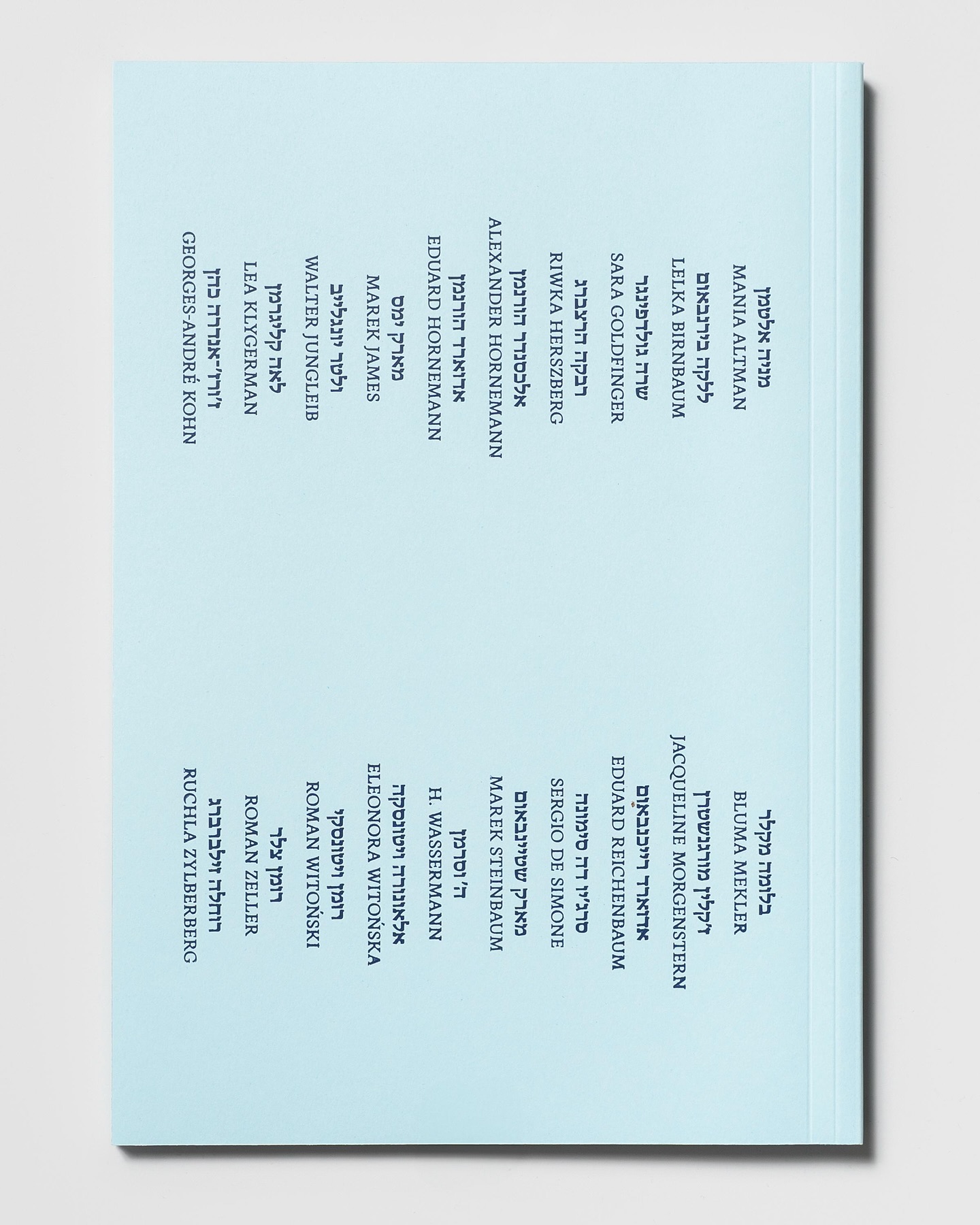
In der Nacht zum 21. April 1945 wurden zwanzig Kinder zusammen mit ihren Betreuern, vier politischen Häftlingen, im Keller des Gebäudes, das während des Krieges als Nebenlager des KZ Neuengamme gedient hatte, erhängt.
Liad Shadmi, ein Hamburger Typograph hat ein Veröffentlichung erstellt, damit „ihre Namen nicht vergessen werden“
Photo: @michael_kohls