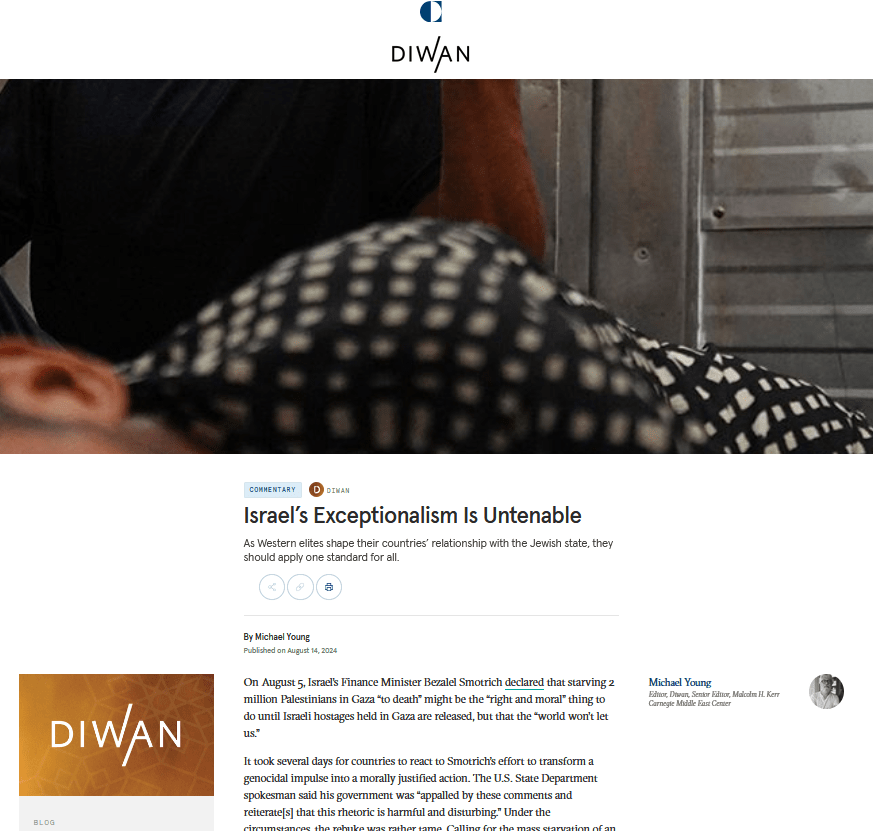
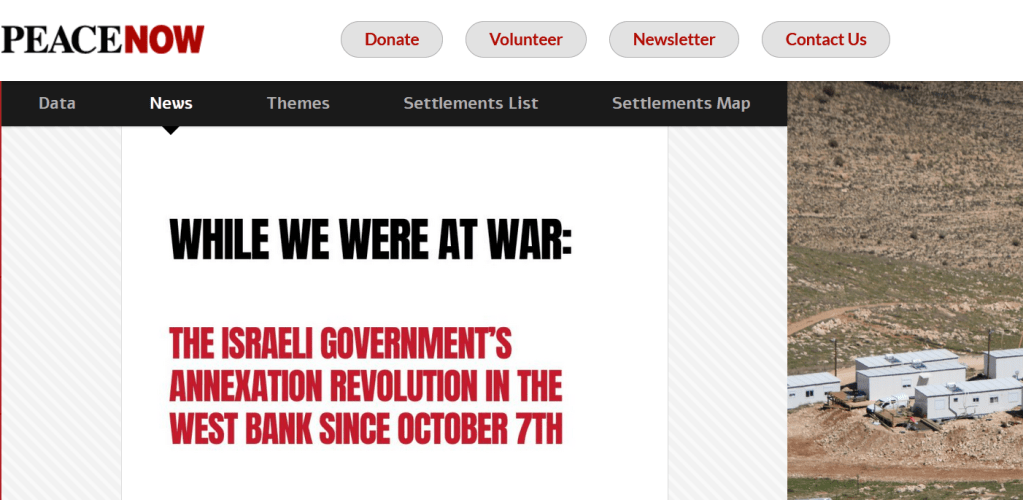
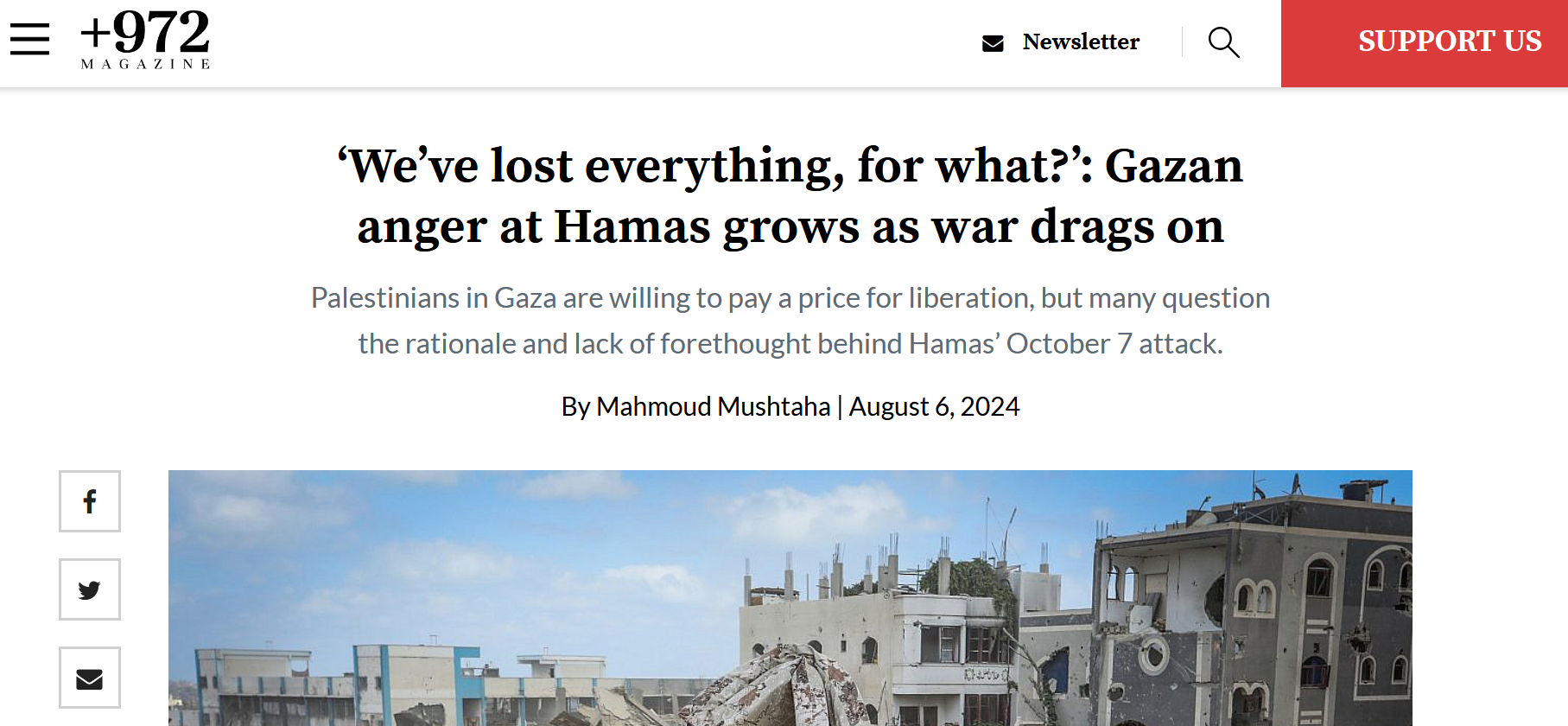
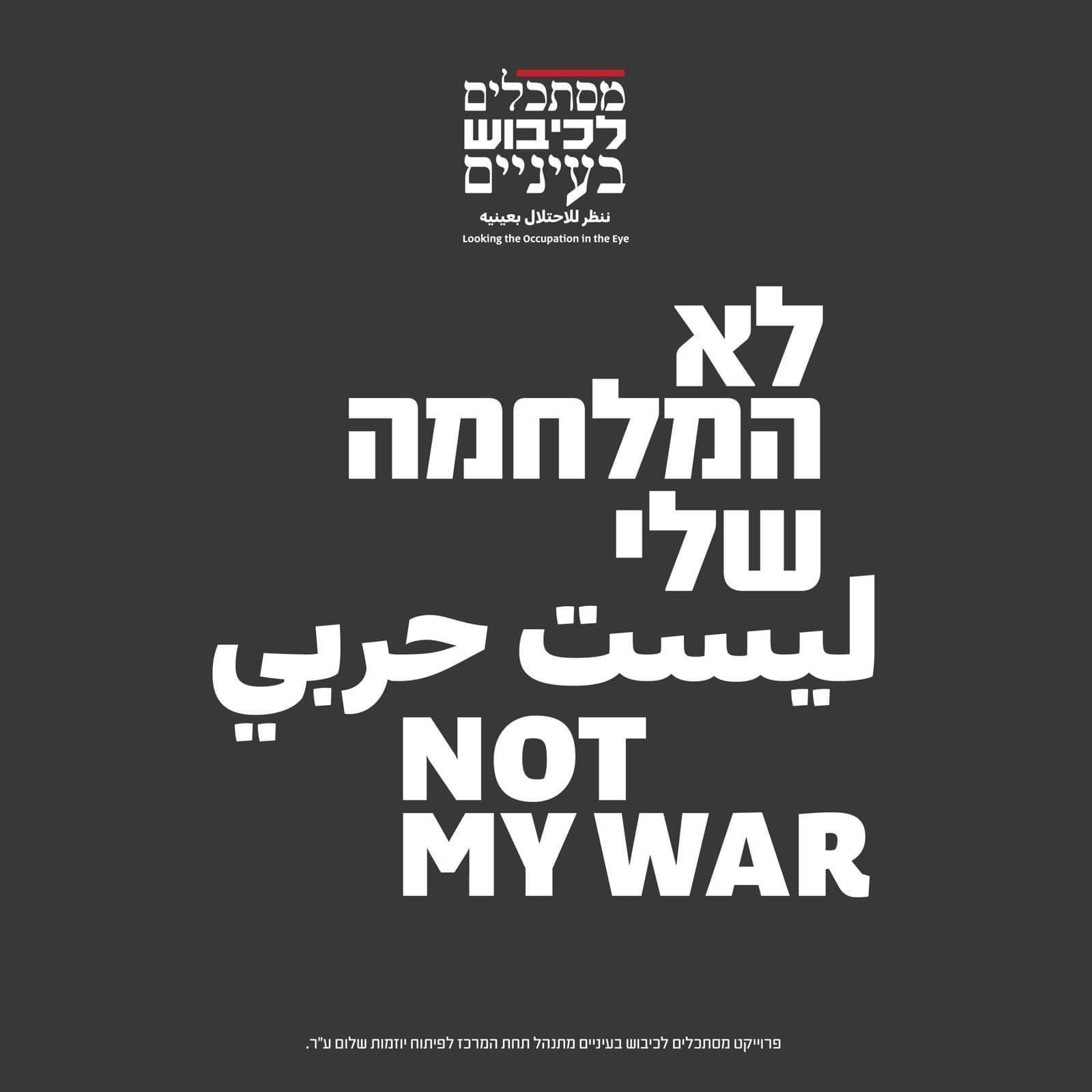
Aktuell ein Beitrag von Michael Young, Editor, Diwan, Senior Editor, Malcolm H. Kerr Carnegie Middle East Cente
Diwan, a blog from the Carnegie Endowment for International Peace’s Middle East Program and the Malcolm H. Kerr Carnegie Middle East Center, draws on Carnegie scholars to provide insight into and analysis of the region
Where Olive Trees Weepoffers a searing window into the struggles and resilience of the Palestinian people under Israeli occupation. It explores themes of loss, trauma, and the quest for justice.
We follow, among others, Palestinian journalist and therapist Ashira Darwish, grassroots activist Ahed Tamimi, and Israeli journalist Amira Hass. We also witness Dr. Gabor Maté offer trauma-healing work to a group of women who were tortured in Israeli prisons.
Ancient landscapes bear deep scars, having witnessed the brutal reality of ancestral land confiscation, expulsions, imprisonment, home demolitions, water deprivation, and denial of basic human rights. Yet, through the veil of oppression, we catch a glimpse of resilience—deep roots that have carried the Palestinian people through decades of darkness and shattered lives.
This emotional journey bares the humanity of the oppressed while grappling with the question: what makes the oppressor so ruthlessly blind to its own cruelty?
Gute Nachrichten finden sich wenig in diesen Tagen und es kommen auch noch immer mehr Schlechte hinzu … Einen ausführlichen Bericht (in englischer Sprache) haben gerade die Ärzte ohne Grenzen vorgelegt.
Von den heutigen Aktivitäten von Standing together
„For days now, millions of us in Israel are sitting at home, and waiting for the response attack following the assassinations in Tehran and Beirut last week. Right now, we are at the closest point in our recent history to reaching an all-out regional war.
It is outrageous and can have unprecedented devastating results – the fact that our fascist leaders are playing with our fate while they are safe in their bomb shelters, while the majority of families in Israel do not have one. Meanwhile, civilians in Gaza are still enduring heavy bombardments by the Israeli army, which took the lives of over 25 people just yesterday, in an attack on two schools and a hospital complex.
However – we refuse to sit helpless and wait on this war.
Yesterday, we launched a new campaign to provide aid for people in Gaza, with the help of a Gaza-based international organization. Our aim is to directly transfer aid into the Gaza Strip. Over the next 2 weeks, we will move from one Palestinian town in Israel to another, opening collecting centers there. We need your help to finance the trucks which will carry the aid into Gaza.
It was inspiring to see hundreds of Palestinian citizens from Sakhnin gather enough aid and food to fill 3 trucks for Gaza. We hope to see this campaign flourish in other Palestinian towns and cities in Israel, providing for innocent men, women, and children who have been suffering for the past 10 months from malnutrition, starvation, and disease.“ (aus dem Mailing vom 5. August 2024)
Am 19. Juli erklärte der IGH „die gesamte israelische Besatzung für rechtswidrig“. Da kommt die Frage auf: Wird das Urteil auch Auswirkungen auf die deutsche Außenpolitik haben? Der Rechtswissenschaftler Matthias Goldmann, Inhaber des Lehrstuhls für Internationales Recht an der EBS Universität in Wiesbaden und Juniorprofessor für Internationales Öffentliches Recht und Finanzrecht an der Goethe Universität Frankfurt, erläutert das Urteil. Und wo steht Deutschlands Außenpolitik?
Der Internationale Gerichtshof (IGH) ist das wichtigste Rechtsprechungsorgan der Vereinten Nationen. Er wurde im Juni 1945 durch die Charta der Vereinten Nationen gegründet und nahm im April 1946 seine Tätigkeit auf. Der Gerichtshof besteht aus 15 Richter;innen, die von der Generalversammlung und dem Sicherheitsrat der Vereinten Nationen für eine Amtszeit von neun Jahren gewählt werden. Der Sitz des Gerichtshofs befindet sich im Friedenspalast in Den Haag (Niederlande).
Der Gerichtshof hat eine doppelte Aufgabe: erstens die Beilegung von Rechtsstreitigkeiten, die ihm von Staaten vorgelegt werden, im Einklang mit dem Völkerrecht, und zweitens die Erstellung von Gutachten zu Rechtsfragen, die ihm von ordnungsgemäß ermächtigten Organen und Einrichtungen der Vereinten Nationen vorgelegt werden.
***
19. Juli 2024: By eleven votes to four, [the court] Is of the opinion that the State of Israel’s continued presence in the Occupied Palestinian Territory is unlawful.
Hier die Schlußseite mit einem Teil der Einzelentscheidungen: (S.78)
Das gesamte Dokument (78 Seiten) findet sich hier. (neben der englischen gbt es auch eine französische Fassung.