Welche Bedeutung hat/bekommt Huwara?

Gewalt ist Alltag geworden im „Heiligen Land“, strukturell, individuell – Leben wird auf unterschiedliche Weise genommen. In der aktuellen Debatte und den politischen Auseinandersetzungen in Israel melden sich (jetzt auch) jüdisch religiöse Stimmen zu Wort, die ein Umdenken fordern.

Zwei Beispiele seien hier genannt, beide englischen Texte wurden auf dem Blog der Times of Israel publiziert:

Rabbi Arik Ashermann, seit Jahrzehnten engagierten Menschenrechtsaktivist lädt die Lesenden ein, mit Blick auf das anstehende Purimfest neu nachzudenken:

„Now is the time we are called to distinguish between good and evil, even as we seethe with anger and pain over the murders of Elan and Hallel and Yagel. I hope we are also mourning Sameh Aqtash and praying for the speedy recovery of all those stabbed and shot and otherwise wounded in the pogrom. We must recognize and speak the truth plainly. The truth is that the deadly logic of Had Gadya makes us act like Amalek. We must not legitimate evil because of our righteous victimhood or by falsely and foolishly thinking that it serves deterrence. The truth is that we are overwhelmingly more powerful than the Palestinian and enjoy the support of the most powerful country in the world (although the current government is weakening that support).“

Aviad Houminer-Rosenblum is deputy director-general of Berl Katznelson Center and a member of The Faithful Left movement, fordert in seiner Reflektion eigentlich Unerhörtes: „After Huwara, we must say kaddish for Judaism itself – A generation of Orthodox Jews has been raised on hate. We must reject this feral, anti-Torah approach, and return to tradition“

„In ordinary times, life is not black and white. The Palestinian side also has a significant part in the story. The violence comes in great force and cruelty from there as well, and its many victims and circles burn the soul and draw many good people into the cycle of vengeance. The solution, too, is complex and hard to see, even far off on the horizon. But there are moments when things are actually very clear, clarifying the gray areas, when the choices are between life and death, and good and evil.

This evil version of Judaism is a lethal drug, which through a historical twist of fate gained ascendance over our ancient tradition. Combined with nationalism and majority hegemony in the land of Israel, it has become a conflagration, one that has long since spread beyond religious Zionism — what Americans might refer to as “Modern Orthodox” — to the Haredi, or ultra-Orthodox sector, and Israeli society in general.“
Geld ersetzt kein Leben, aber …

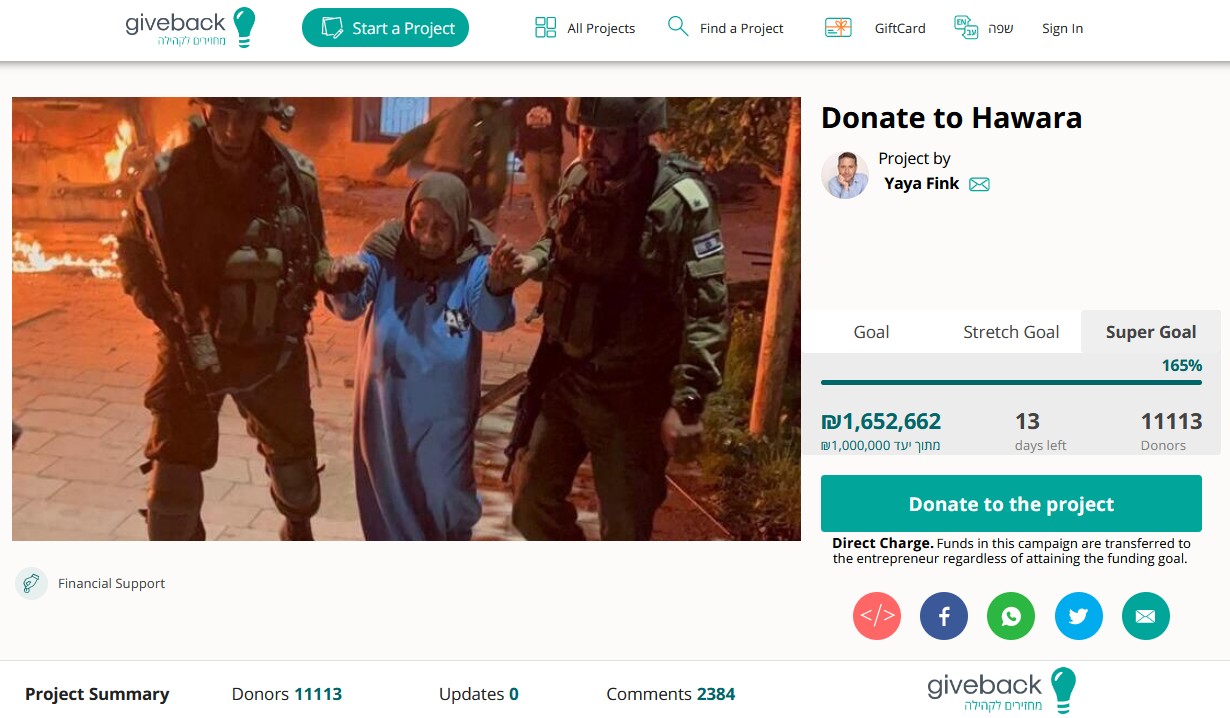
Donate to Hawara:
Wohin schauen in diesen Tagen? Eine kleine Initiative: 11.113 haben sich bis dato daran beteiligt…

Hier ein Bericht bei al-Monitor dazu.

4. März 2023: Ergänzung: In eigener Sache

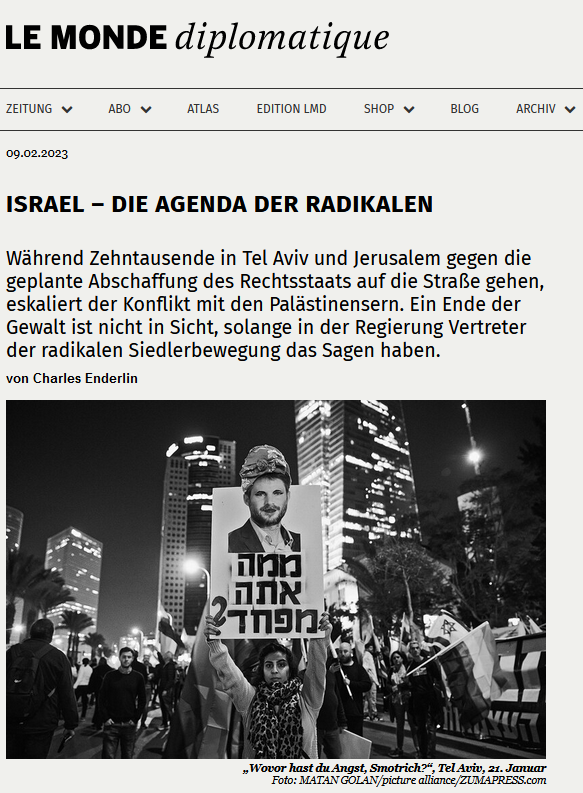
Israel – die Agenda der Radikalen

Charles Enderlin in einem längeren Beitrag in Le Monde diplomatique online nachzulesen

„Während Zehntausende in Tel Aviv und Jerusalem gegen die geplante Abschaffung des Rechtsstaats auf die Straße gehen, eskaliert der Konflikt mit den Palästinensern. Ein Ende der Gewalt ist nicht in Sicht, solange in der Regierung Vertreter der radikalen Siedlerbewegung das Sagen haben.“

International Crisis Group

Der aktuelle Podcast zur Situation in Israel &Palästina

On Friday last week, a Palestinian gunman killed seven civilians in occupied East Jerusalem, the deadliest such attack for years. The shooting came the day after a raid by Israeli forces in a refugee camp in the West Bank city of Jenin, also the deadliest such operation for years. The week’s violence follows months in which more Palestinians died, according to human rights groups, than in the past almost two decades. More frequent Israeli raids, which Israel says aim to root out Palestinian militants behind an increasing number of attacks on Israelis, often provoke gun battles in West Bank cities. Militants have died, but also civilians, including many young Palestinians. In West Bank cities, new militias have formed, attracting young Palestinians angry not only at Israel but also at their own political leadership. Meanwhile, the new Israeli government of Prime Minister Benjamin Netanyahu, which is the most right-wing in Israeli history and comprises openly Jewish nationalist and anti-Palestinian ministers, promises an even tougher line on Palestinians. 

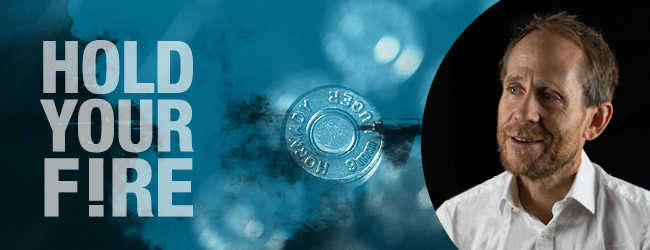
This week on Hold Your Fire!, Richard Atwood speaks with Mairav Zonszein and Tahani Mustafa, Crisis Group’s Israel/Palestine experts, about the latest spike in violence. They talk about Israel’s new government, its efforts to curb judicial power and what it might mean for policy toward the Palestinians. They also talk about Palestinian politics, many Palestinians’ disillusionment at their leadership, the emergence of new militias in West Bank cities and what might happen when ageing Palestinian President Mahmoud Abbas passes from the political scene. They ask whether there is any hope of change in policy from Washington and other Western capitals following U.S. Secretary of State Antony Blinken’s trip to the region this past week. They also talk about flashpoints in the months ahead.  

Konsequenzen für die Westbank

Eine Positionsbestimmung von Breaking The Silence, The Association For Civil Rights in Israel (ACRI), The Israeli Center For Public Affairs (OFEK) und Yesh Din (January 2023)

Policy paper: What Israel’s 37th government’s guiding principles and coalition
agreements mean for the West Bank

diAk-online – 10. Januar 2022

Alles nicht so schlimm – oder kalter Staatsstreich?

Mit der neuen Regierung ist der historische Gründungskompromiß Israels offensichtlich an ein Ende gekommen.  Die Vorstellung eines demokratischen jüdischen Nationalstaates, der durch eine Friedenslösung seine Grenzen sichern könnte, erodierte in den letzten Jahren zusehends.

Mit der Ankündigung der Annexion der Westbank und einer nationalreligiösen Aufladung der Politik in allen Bereichen des öffentlichen Lebens droht Israel nicht nur seine demokratische Konstitution zu verlieren, sondern auch die Traditionen eines liberalen Zionismus über Bord zu werfen.

Vortrag und Gespräch mit dem deutsch-israelischen Soziologen und Philosophen Moshe Zuckermann, Tel Aviv.

Dienstag, 10. Januar 2023 – 18.-19.00 Uhr

Wir schicken vor der Veranstaltung den Zoom-Link an diejenigen, die sich angemeldet haben: online@diAk.org

***

Vorankündigung:

Am Dienstag, 17. Januar 2023 – 18.-19.00 Uhr ist Amjad Mitri unser Gast und spricht über die aktuelle Situation auf der palästinensischen Seite.