Nimrod Flaschenberg, eh.parlamentarischer Berater der linken Chadasch-Allianz in Israel und Alma Itzhaky, israelische Künstlerin und Wissenschaftlerin, Mitbegründerinnen der in Berlin ansässigen Gruppe Israelis for Peace, enfalten auf der Plattform Jakobin.de ihre Sicht auf die Ereignisse und Folgen des 7. Oktober (- und ihren Optismus, daß es andere Zukunft geben kann).
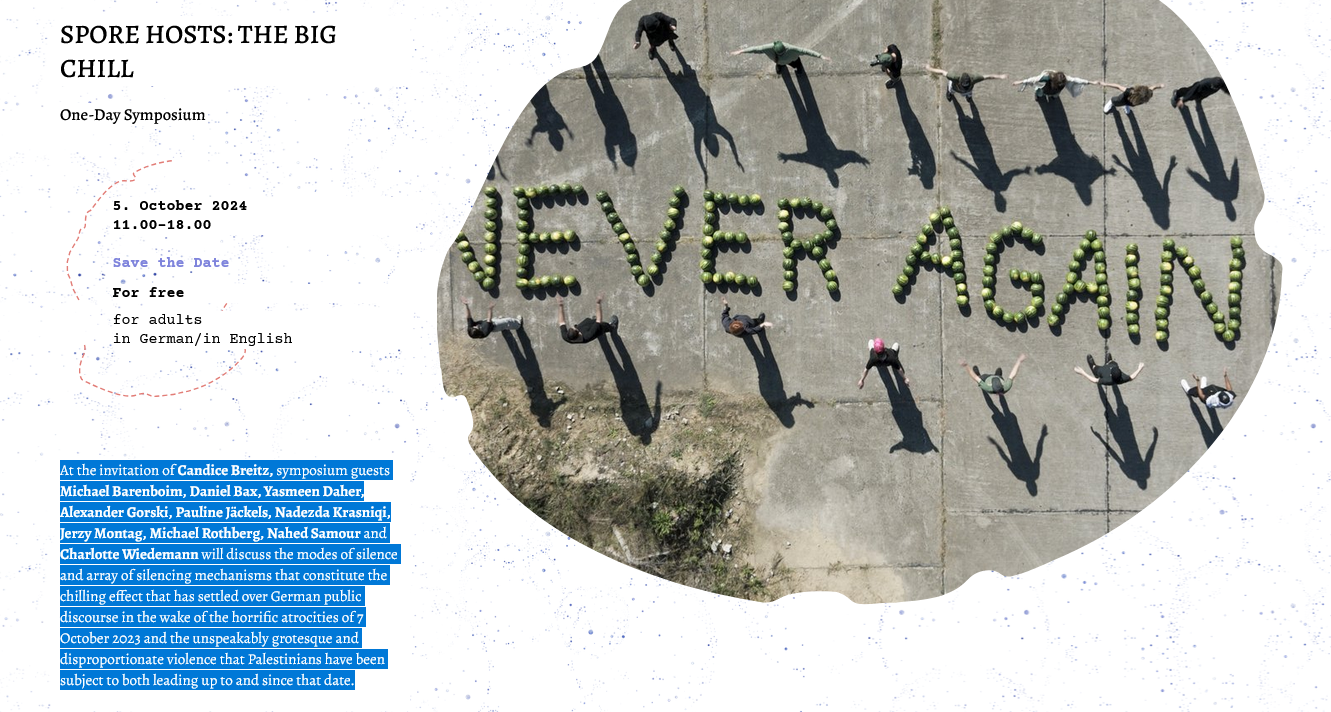
At the invitation of Candice Breitz, symposium guests Michael Barenboim,Daniel Bax, Yasmeen Daher,Alexander Gorski,Pauline Jäckels,Nadezda Krasniqi,Jerzy Montag,Michael Rothberg,Nahed Samour and Charlotte Wiedemann will discuss the modes of silence and array of silencing mechanisms that constitute the chilling effect that has settled over German public discourse in the wake of the horrific atrocities of 7 October 2023 and the unspeakably grotesque and disproportionate violence that Palestinians have been subject to both leading up to and since that date.
The State of Israel is in the midst of the most difficult period in its history, under a reckless leadership headed by a man whose only promise he has made and kept to his people was to live by the sword. In remarks made at a new year’s cabinet meeting, Prime Minister Benjamin Netanyahu briefly mentioned the 101 hostages whom he has abandoned to suffering and death in Hamas‘ tunnels in the Gaza Strip, half of whom are no longer alive.
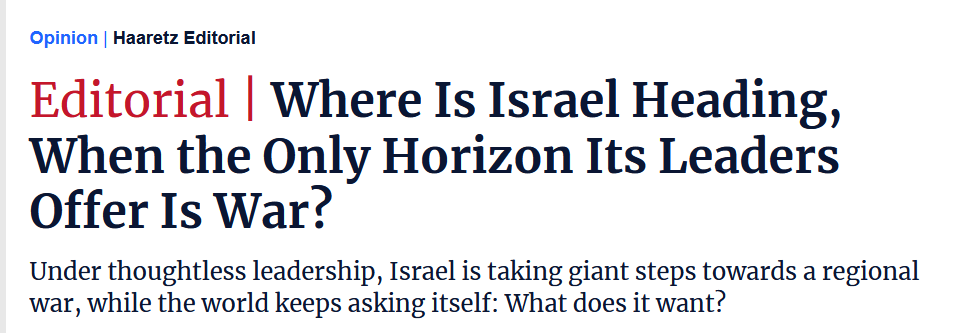
Under its thoughtless leadership, Israel is taking giant steps towards a regional war, while the world keeps asking itself: What does it want? Where is it heading?
Ayman Safadi, the Jordanian foreign minister, best captured those feelings in a speech that has gone viral across the globe but has been completely ignored by Israel. At a press conference following a joint celebration by Arab representatives during the UN General Assembly session, Safadi exercised his right to speak and say things all Israelis must hear.
„The Israeli prime minister came here today and said that Israel is surrounded by those who want to destroy it,“ he began. „We’re here — members of the Muslim-Arab committee, mandated by 57 Arab and Muslim countries — and I can tell you very unequivocally, all of us are willing to guarantee the security of Israel in the context of Israel ending the occupation and allowing for the emergence of a Palestinian state.“
This is not to say that Hamas did not seek to vanquish Israel, that Hezbollah is not a bitter and cruel enemy or that Iran is not seeking the worst for us, but Safadi has served to remind us of an undeniable truth: Under its long years of rule by Netanyahu, Israel has not lifted a finger for the sake of peace with the Palestinians, but the reverse.
„Do they have a narrative other than ‚I’m going to continue to go to war and kill this and kill that‘?“ he asked. „Ask any Israeli official what their plan is for peace, you’ll get nothing because they’re only thinking of the first step – we’re going to destroy Gaza, inflame the West Bank, destroy Lebanon. After that, they have no plan. We have a plan, we have no partner for peace in Israel.“
On the eve of Rosh Hashanah 5785, when the only horizon Israel’s leaders offer is war, we can only hope that in the coming year we will be blessed with a profound change in leadership and a new vision for the country. May this year and its troubles soon be over.
The above article is Haaretz’s lead editorial, as published in the Hebrew and English newspapers in Israel.
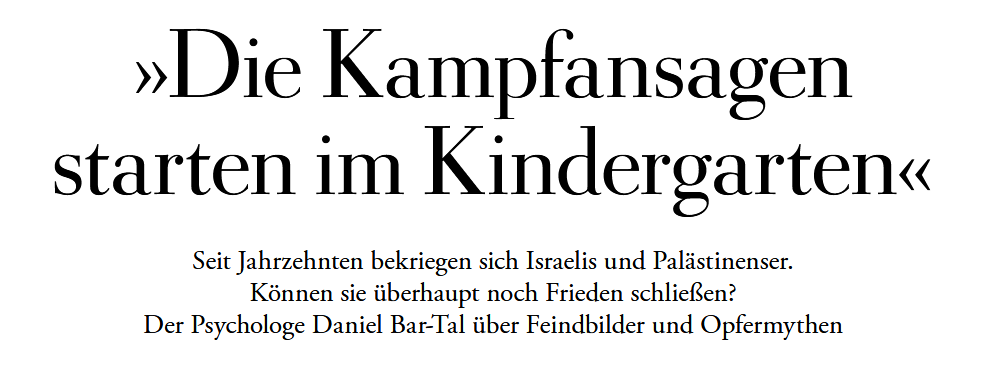
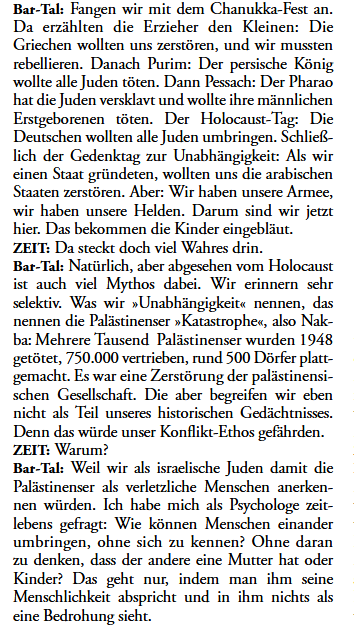
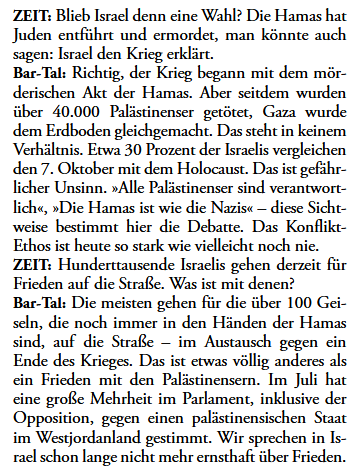
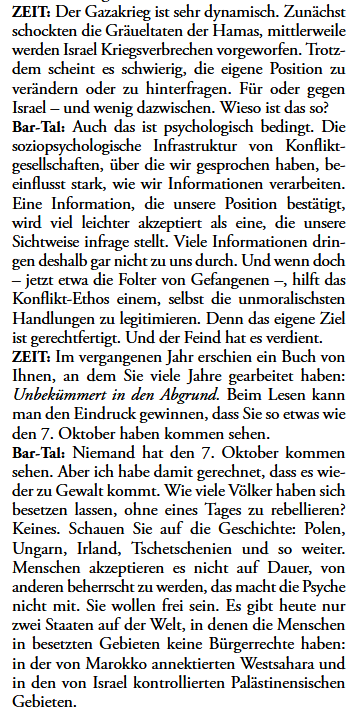
Der Autor unseres Schriftenreihen-Bandes 46 | Unbekümmert in den Abgrund. Die Folgen von Konflikt und Besatzung für die jüdisch-israelische Gesellschaft in einem ganzseitigen Gespräch in der ZEIT (aktuell hinter der Bezahlschranke, aber im folgenden ein paar Zitate):
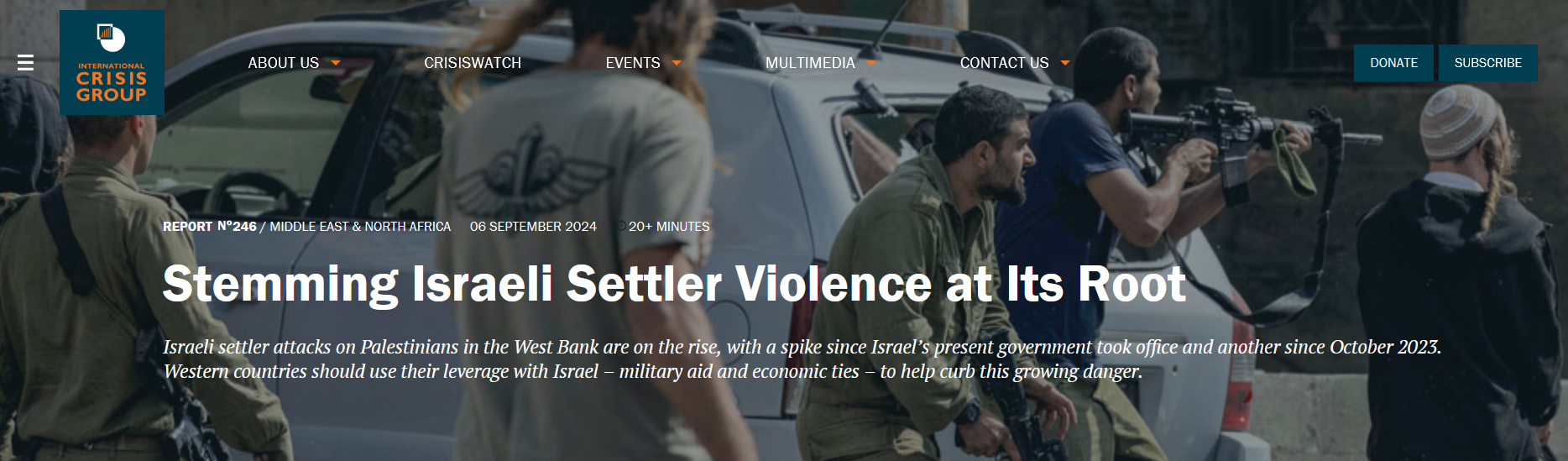
What’s new? Israel’s devastating war with Hamas in Gaza has diverted attention from systemic and growing violence by Israeli settlers against Palestinians in the occupied West Bank. Increasingly, the settlers are acting in concert with the army or wearing army uniforms themselves. They enjoy the active support of far-right Israeli government ministers.
Why does it matter? Settler violence, which has gone unchecked for years, is both a manifestation and a driver of Israel’s settlement enterprise. Some 730,000 Israelis now live in West Bank settlements (including in East Jerusalem), rendering resolution of the conflict an ever more remote possibility.
What should be done? Outside powers invested in resolving the Israeli-Palestinian conflict should sanction violent settlers, as some Western countries have started doing, and officials enabling violence. They should curb sales of weapons used in violation of international law and raise the cost the Israeli government pays for settler violence and the settlement project.
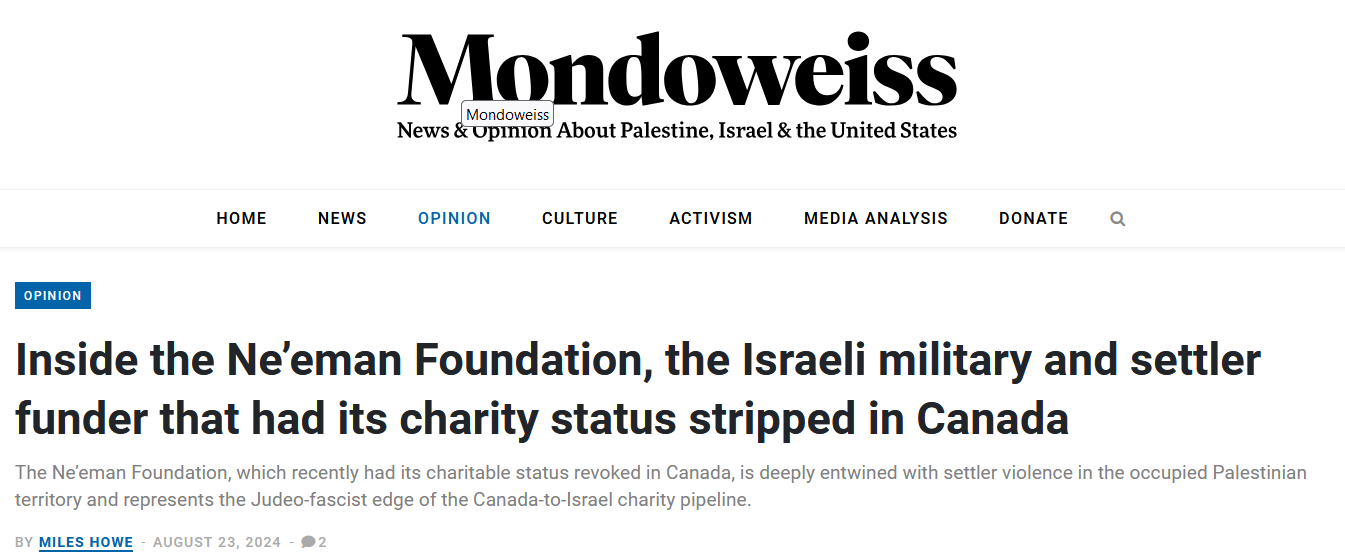
Die kanadische Regierung hat kürzlich zwei sehr prominenten Organisationen die Gemeinnützigkeit aberkannt – hier die offizielle Veröffentlichung – (JNF und NE’EMAN FOUNDATION CANADA), damit werden Zuwendungem, die nach Israel (und in die Besetzten Gebiete/Palästina) gingen/gehen nicht mehr in Kanada durch Steuergelder gefördert.
Zu dieser ungewöhnlichen Maßnahme hat Mondoweiss in gewohnt scharfer – und für deutsche Verhältnisse außerordentlich provokativer Art und Weise – einen Hintergrundbericht veröffentlicht.
Where Olive Trees Weepoffers a searing window into the struggles and resilience of the Palestinian people under Israeli occupation. It explores themes of loss, trauma, and the quest for justice.
We follow, among others, Palestinian journalist and therapist Ashira Darwish, grassroots activist Ahed Tamimi, and Israeli journalist Amira Hass. We also witness Dr. Gabor Maté offer trauma-healing work to a group of women who were tortured in Israeli prisons.
Ancient landscapes bear deep scars, having witnessed the brutal reality of ancestral land confiscation, expulsions, imprisonment, home demolitions, water deprivation, and denial of basic human rights. Yet, through the veil of oppression, we catch a glimpse of resilience—deep roots that have carried the Palestinian people through decades of darkness and shattered lives.
This emotional journey bares the humanity of the oppressed while grappling with the question: what makes the oppressor so ruthlessly blind to its own cruelty?