Ein Blick auf den „radical bloc“ in den Protesten gegen die Politik der israelischen Regierung:
Beitrag auf +972 | Beitrag auf fundme | Open Letter | Mistaclim (Website)
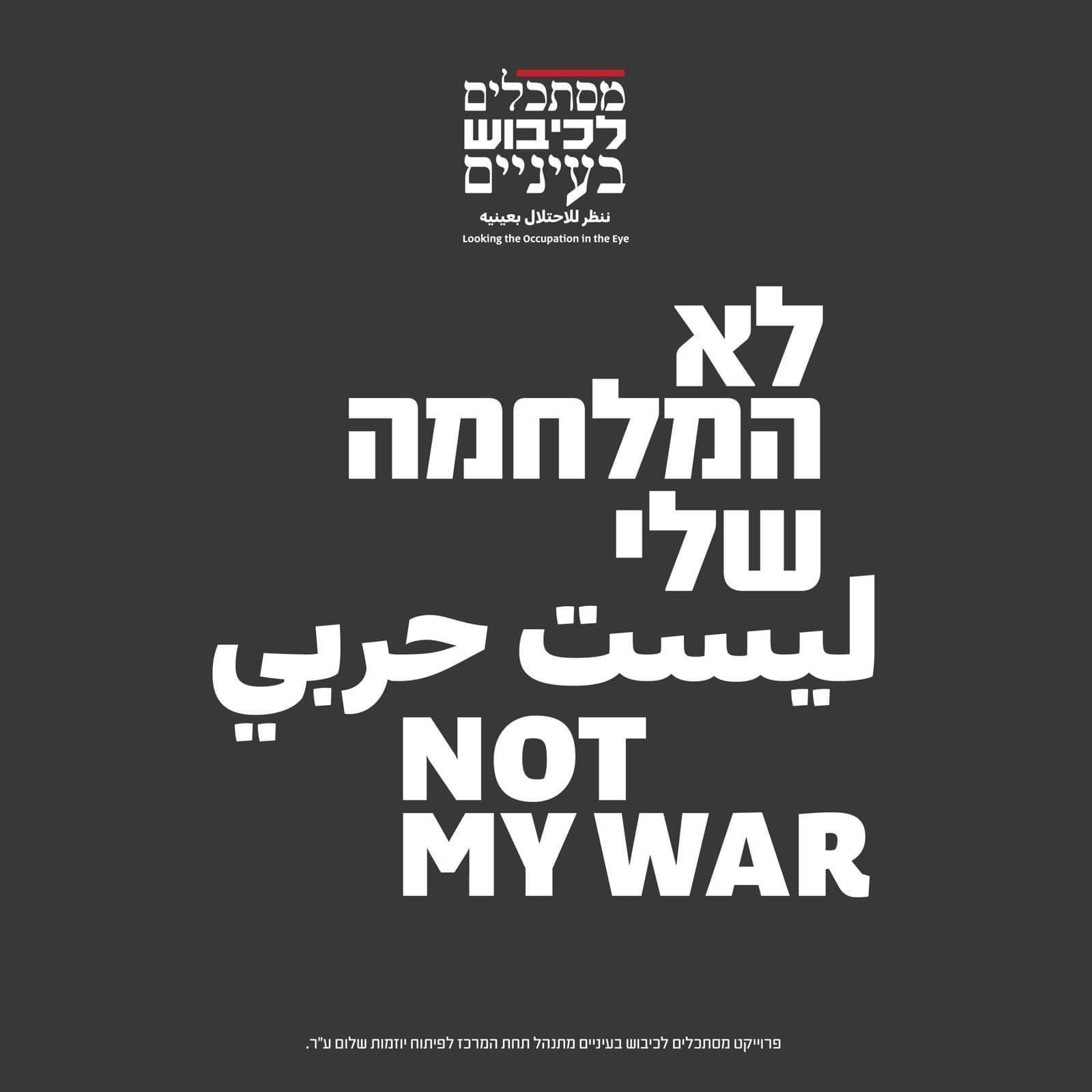
Ein Blick auf den „radical bloc“ in den Protesten gegen die Politik der israelischen Regierung:
Beitrag auf +972 | Beitrag auf fundme | Open Letter | Mistaclim (Website)
Matthias Goldmann im ipg-journal
Brisantes Votum
Am 19. Juli erklärte der IGH „die gesamte israelische Besatzung für rechtswidrig“. Da kommt die Frage auf: Wird das Urteil auch Auswirkungen auf die deutsche Außenpolitik haben? Der Rechtswissenschaftler Matthias Goldmann, Inhaber des Lehrstuhls für Internationales Recht an der EBS Universität in Wiesbaden und Juniorprofessor für Internationales Öffentliches Recht und Finanzrecht an der Goethe Universität Frankfurt, erläutert das Urteil. Und wo steht Deutschlands Außenpolitik?
Pressemiteilung der Gerichtshofs (Englisch)
(Inoffizielle) Deutsche Übersetzung (Sand-im-Getriebe.org)
***
Der Internationale Gerichtshof (IGH) ist das wichtigste Rechtsprechungsorgan der Vereinten Nationen. Er wurde im Juni 1945 durch die Charta der Vereinten Nationen gegründet und nahm im April 1946 seine Tätigkeit auf. Der Gerichtshof besteht aus 15 Richter;innen, die von der Generalversammlung und dem Sicherheitsrat der Vereinten Nationen für eine Amtszeit von neun Jahren gewählt werden. Der Sitz des Gerichtshofs befindet sich im Friedenspalast in Den Haag (Niederlande).
Der Gerichtshof hat eine doppelte Aufgabe: erstens die Beilegung von Rechtsstreitigkeiten, die ihm von Staaten vorgelegt werden, im Einklang mit dem Völkerrecht, und zweitens die Erstellung von Gutachten zu Rechtsfragen, die ihm von ordnungsgemäß ermächtigten Organen und Einrichtungen der Vereinten Nationen vorgelegt werden.
***
19. Juli 2024: By eleven votes to four,
[the court] Is of the opinion that the State of Israel’s continued presence in the Occupied Palestinian
Territory is unlawful.
Hier die Schlußseite mit einem Teil der Einzelentscheidungen: (S.78)

Das gesamte Dokument (78 Seiten) findet sich hier. (neben der englischen gbt es auch eine französische Fassung.
Shira Efron und Michael J. Koplow in einem Beitrag für Foreign Affairs, klingt (leider) ein wenig wie das Pfeifen im Wald …

19. Juli 2024: By eleven votes to four,
[the court] Is of the opinion that the State of Israel’s continued presence in the Occupied Palestinian
Territory is unlawful.
Hier die Schlußseite mit einem Teil der Einzelentscheidungen: (S.78)
Das gesamte Dokument (78 Seiten) findet sich hier. (neben der englischen gbt es auch eine französische Fassung.
Ronit Vered schreibt in der Wochenendbeilage von Haaretz über das Restaurant Majda in der Nähe von Jerusalem – und über sein Ende, vielleicht / wohl nicht das einzige, das zu Ende geht …
„On the last Saturday of June, the Majda restaurant outside Jerusalem closed its doors for the last time, 14 years after it opened. „Summer 2024, the last meal,“ a note atop that day’s menu stated. And at the bottom of the changing, seasonal menu, penned as always in Michal Baranes‘ lovely handwriting: „Majda is closing at the end of this week. Thanks to all the good people who accompanied us over all the years. In the end things will be good. Yakub and Michal.
I too came to take leave of Majda, located in the Arab village of Ein Rafa, west of the capital. From the place, from the people, from the food. On the table in the beautiful garden – a green, tangled Eden of wild, decorative and edible vegetation – the waiter placed a jug of cold water, and on the neck of a bottle of rosé, which Yaakov Barhum makes himself from the grapes of a vine he planted in the yard, beads of moisture glistened in the heat of the day. On the plate of gazpacho made from red-yellow tomatoes, the foliage of the trees played games of light and shade, flitting between ice cubes and puddles of olive oil.
…
„It’s very likely that the leaving tendency – or the attempt to move the center of one’s activity abroad – will only gather momentum. An end to the war is not looming on the horizon, and in contrast to previous rounds of fighting, the trauma will not make it possible to repress easily the fragmentary nature of the ability to maintain a stable, tranquil life here. The state creates difficulties for the food and restaurant industries here even in times of calm – in the form of draconian regulations, rigid kashrut laws and the high cost of living.
Living eternally by the sword and the absence of foreign tourists, an important element in the thriving of a restaurant scene, are death blows to an industry that has already found it difficult to stay afloat in recent years. It’s hard to blame those who are looking for other places in which they and their children can enjoy a life of sanity, but also where they can realize professional dreams and make an honorable living.“

Bericht über einen Heimatbesuch in diesen Tagen: Mati Shemoeloff in Haifa
Berliner Zeitung, 14. Juli 2024 – Open-Source-Beitrag des Berliner Verlags

Ein spannendes Gespräch auf Instagram
Bericht von Peace Now über eine der aktuellen Maßnahmen der israelischen Regierung
„Based on media reports, at the cabinet meeting on Thursday, June 27, 2024, it was decided to establish five new settlements in isolated areas deep in the West Bank by legalizing five illegal outposts: Givat Assaf, Adorayim, Sde Ephraim, Evyatar, and Heletz. At this stage, the full text of the decision has not been published and the announcement about the legalization of the outposts was released to the media by Minister Smotrich’s office.“
Mit Karten und Erläuterungen
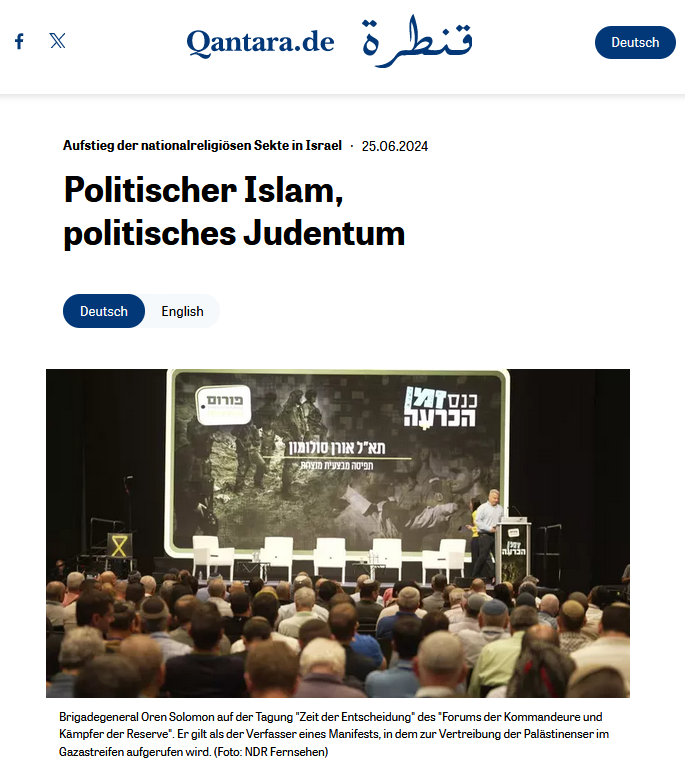
Auf der Plattform quantara.de, die sich in diesen Tagen von der Deutschen Welle zur ifa, dem Institut für Auslandbeziehungen, verabschiedet – zum Schluß ein spannender Beitrag von Stefan Buchen über (die) Entwicklungen im jüdisch-national-religiösen Bereich: