
Peter Beinart im Gespräch (in Englisch), Juli 2026
Monat: Juli 2026
100 Jahre Wörterbuch der ägyptischen Sprache
Über den Sommer hinweg gelegentlich einmal einen Hinweis eher am Rande unseres Kernthemas …
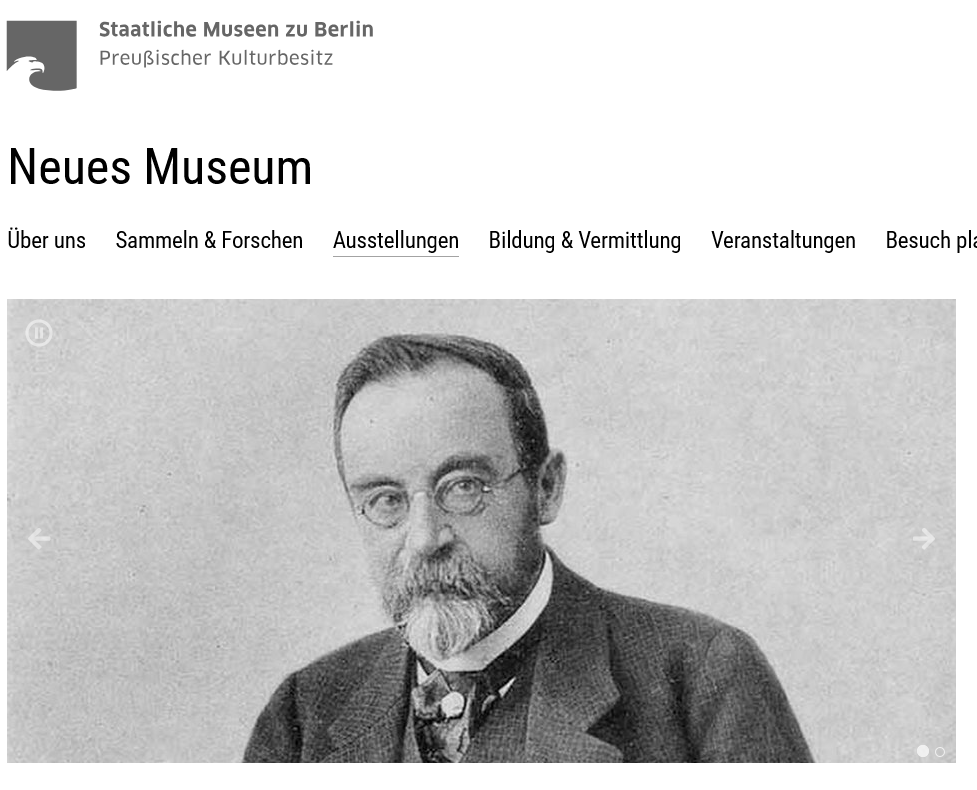
Im mythologischen Saal des Neuen Museum zeigen das Ägyptische Wörterbuch und das Ägyptische Museum ab Juni eine Ausstellung zum 100. Geburtstag eines für die Ägyptologie bis heute unverzichtbaren Werkzeugs – dem ägyptischen Wörterbuch.
2026 jährt sich zum einhundertsten Mal das Erscheinen des ersten Bandes des ägyptischen Wörterbuchs. Adolf Erman und sein Team begannen im Jahre 1897, im Neuen Museum, mit der Arbeit. Dabei wurden die bekannten ägyptischen Texte abschnittsweise auf Zettel geschrieben und diese vervielfältigt. So entstand in kürzester Zeit eine „Datenbank“ mit mehr als einer Million Zettel. Dieses „Zettelarchiv“ bildet die Grundlage für das Wörterbuch. Es ist alphabetisch geordnet und zeigt uns die einzelnen Worte jeweils im Zusammenhand des jeweiligen Textes.
Aufgrund des ersten Weltkriegs und der galoppierenden Inflation war an eine Drucklegung eines mehrbändigen Wörterbuchs nichtzu denken. Doch die Verbindung von amerikanischen Schülern zu A. Erman vermittelte im Jahr 1924 eine finanzielle Zuwendung von J. D. Rockefeller jun., die schließlich die Weichen für den Druck stellte. A. Erman, zusammen mit seinen Schülern Kurt Sethe und Hermann Grapow, erarbeitete dann die Druckvorlage des Wörterbuchs, welche von Wolja Erichsen geschrieben wurde.
Der Weg von den ägyptischen Texten zum fertigen Wörterbuch wird in der kleinen Ausstellung anhand von Objekten aus dem Archiv des Wörterbuchs veranschaulicht.
Monatlich werden an einem Mittwoch jeweils 17 Uhr Führungen zum Thema „100 Jahre Wörterbuch“ angeboten.
Fundstück am Sonntag
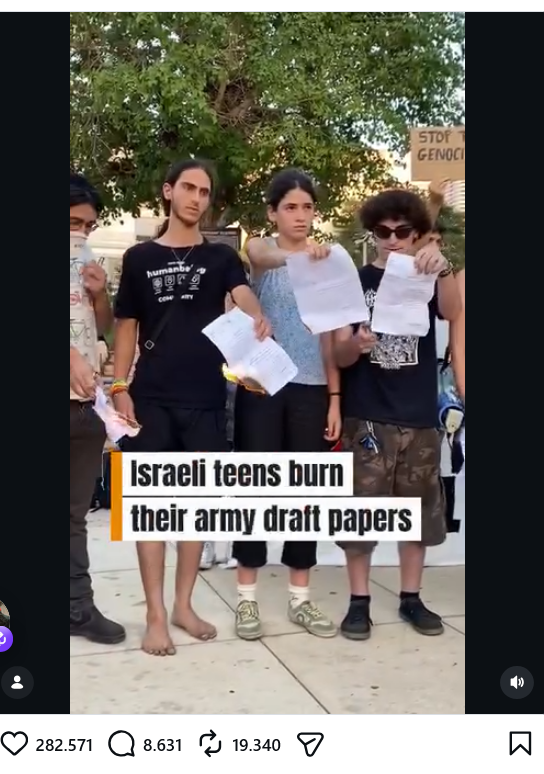
Aus Instagram – Juli 2026
Sicherheit braucht Recht – für Israelis und PalästinenserInnen
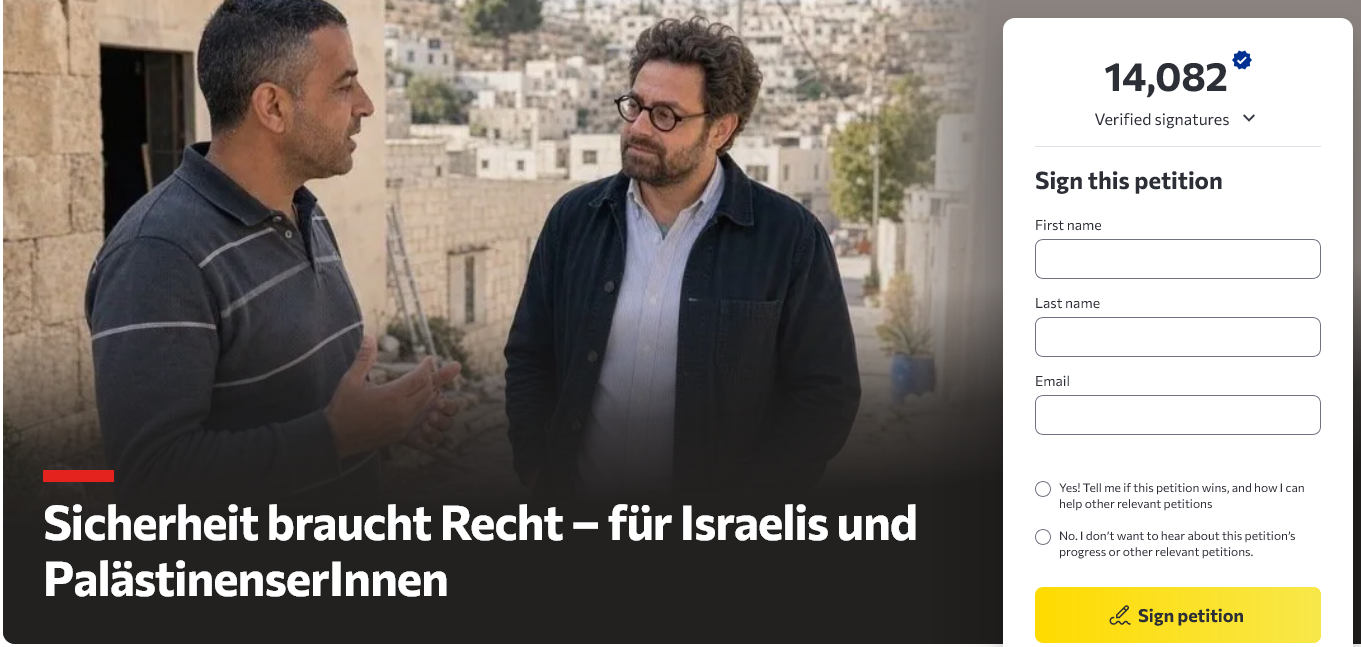
Ein offener Brief auf Change.org von Chai Hoffmann
Was wir ’sehen‘ und was wir ’sehen sollen‘
Über den Ge-/Mißbrauch von Animation und KI/AI

Berichte auf der Seite des Magazins Zenith und bei +972mag

Standing up to Settler Violence
NIF – Voices from the West Bank:
Monday, July 20, 2026 – 12 PM ET | 11 AM CT | 9 AM PT
Virtual—Zoom link provided upon Registration
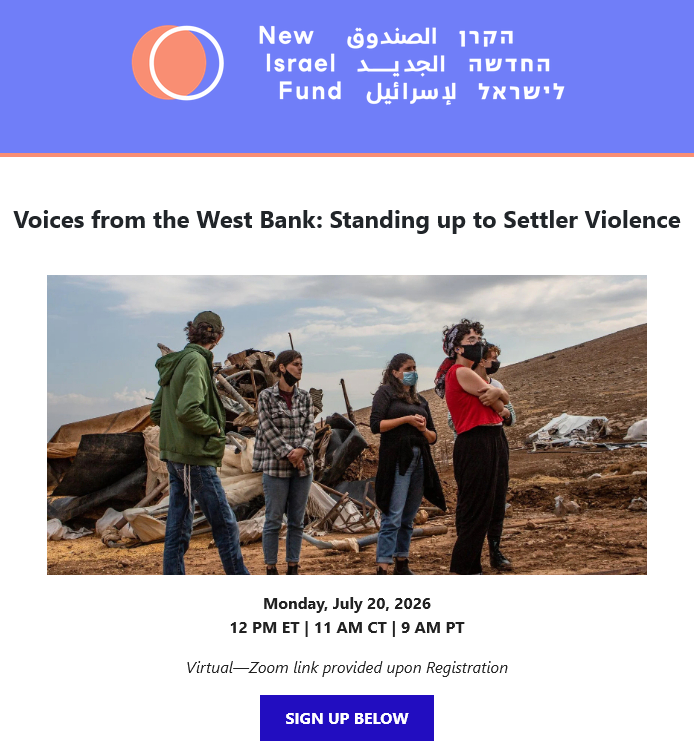
Settler violence against Palestinian communities in the West Bank is exploding, but our partners on the ground are pushing back and scaling up efforts to fight creeping annexation. Join us to hear from those who are working on the ground to coordinate protective presence activism and to stand with those whose lives have been turned upside down by recent attacks. In conversation with NIF’s Director of National Programs, Hillel Assaf, activists will share what they’ve witnessed, what they’ve learned from their Palestinian partners, and how you can support this crucial work.
Über die Frage, was gesagt werden „darf“
Offener Brief an die deutschen Gesetzgeberinnen
Israelis gegen die Kriminalisierung politischer Meinungsäußerungen zum Existenzrecht Israels
Historischer Beschluß der Synode der Church of England
13. Juli 2026: Anglikanische Kirche „votes to ‘hear’ document that speaks of ‘genocidal war on Gaza’
Bericht Independent Catholic News
„Despite all the pressure and intense lobbying before the debate, the motion passed with an overwhelming majority in all three houses, with 25 Bishops voting in favour, none against, and five abstaining.“
The final motion read:
That this Synod respond to the call of Palestinian Christians to stand in solidarity with them and their fellow Palestinians in non-violent resistance to the ongoing occupation. We lament the loss of Israeli and Palestinian lives and the violations of human dignity and rights on both sides, as well as the displacement of population. We commit to a better understanding of the situation in Israel and the occupied Palestinian territory, seeking peace and security for all the peoples of those lands and pursuing that which leads to the establishment of a just and lasting peace.
In particular, we:
a) reject antisemitism, anti-Muslim hostility and all forms of prejudice based on religious affiliation and ethnicity;
b) acknowledge with repentance the Church’s historic contribution to antisemitism and to the situation now affecting the Palestinian people, reaffirm our commitment to inter-faith dialogue, including Christian-Jewish dialogue and encourage a deeper understanding of Judaism and other faiths;
c) pray for all victims of the current conflicts in Israel and the occupied Palestinian territory and for a lasting peace;
d) hear the Kairos Palestine Declaration (2009), the Cry for Hope (2020), the Call for Repentance (2023) and Kairos Palestine II (2025) as heartfelt expressions of the lived experience of Palestinian Christians and:
i. encourage the Church of England at all levels to engage with those documents as part of a quest for greater understanding of the situation;
ii. ask the Faith and Public Life Division to commend resources that enable Dioceses and local churches to promote a full understanding of the situation and to respond through prayer, theological study, advocacy and practical support for the work undertaken by the Episcopal Diocese of Jerusalem and other Churches in the service of the people of Israel and the occupied Palestinian territory;
e) encourage the Church of England at all levels to engage with those documents as part of a quest for greater understanding of the situation, alongside continued dialogue with Jewish and Muslim voices in the pursuit of justice, equality, peace and reconciliation;
f) call on Church investors to implement and demonstrate a leading approach to responsible investment relating to the Occupied Palestinian Territory, and:
i. to review their investment policies in the light of the International Court of Justice Advisory Opinion of 19 July 2024 on the illegality of the occupation of Palestinian territory;
ii. to request the Church Commissioners and Church of England Pensions Board to report back, on a triennium basis, on the progress and success of their approaches;
iii. the bodies named above to support the EIAG to develop guidance for wider Church of England investors on how to manage human rights risks relating to occupied territories and conflict.
g) ask His Majesty’s Government to work urgently for a lasting peace in Israel and the occupied Palestinian territory, that will ensure safety and security for all parties and the upholding of the rights and inherent dignity of all people.’
Wohin steuert die EU?
Zur Tagung der EU-Außenminister am 13, Juli – Eine Betrachtung von Muriel Asseburg & Martin Konečný auf der Seite IPG-Journal

Anders auf / anders in die Zukunft schauen
Introducing Shared Sacred Flourishing: Podcast Folge 1
Episode 1 of the Religions for Peace podcast introduces Shared Sacred Flourishing. The podcast is intended for religious leaders around the world committed to interreligious action for peace.
Bishop Kari Mangrud Alvsvåg, Diocese of Borg, Church of Norway and President of the European Council of Religious Leaders, introduces the episode, which is hosted by Adam Phillips.
Featured guests in this episode, in order of appearance, include Dr. Francis Kuria, Secretary General of Religions for Peace; Dr. William Vendley, Vice President, World Religions and Spirituality at The Fetzer Institute and Secretary General Emeritus of Religions for Peace; Dr Judith Simmer-Brown, retired Distinguished Professor of Tibetan Buddhism and Interfaith Dialogue at Colorado’s Naropa University; and Rabbi David Rosen, former Chief Rabbi of Ireland, Religions for Peace International Co-President and Special Interfaith Advisor to Abrahamic Family House in Abu Dhabi.
