Der Nahosthistoriker Lorenzo Kamel im Gespräch auf Quantara.de (jetzt neu unter derm Dach des ifa – Institut für Auslandsbeziehungen, Stuttgart) über die Möglichkeiten der Europäischen Union (EU), die bislang keine nennenswerte Vermittlerrolle im Nahen Osten übernommen hat. Wie könnte sie wirksam zu einer dauerhaften Friedenslösung nach dem Gaza-Konflikt beitragen? Welchen Kurs sollte sie gegenüber autoritären Regimen in der Region einnehmen?
Neuer Podcast (englisch) von Shmuel Feiner in der Reihe Jewish Lives
The “German Socrates,” Moses Mendelssohn (1729–1786) was the most influential Jewish thinker of the 18th and 19th centuries. A Berlin celebrity and a major figure in the Enlightenment, Mendelssohn suffered the indignities common to Jews of his time while formulating the philosophical foundations of a modern Judaism suited for a new age.
Hier das Titelblatt einer seiner Schriften Jerusalem oder über religiöse Macht und Judentum
19. Juli 2024: By eleven votes to four, [the court] Is of the opinion that the State of Israel’s continued presence in the Occupied Palestinian Territory is unlawful.
Hier die Schlußseite mit einem Teil der Einzelentscheidungen: (S.78)
Das gesamte Dokument (78 Seiten) findet sich hier. (neben der englischen gbt es auch eine französische Fassung.
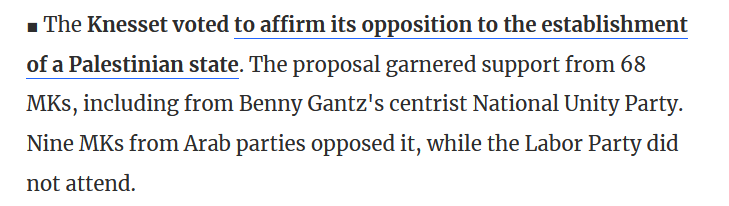
Die Einen beschliessen in der Knesset eine Resolution gegen „einen palästinensischen Staat“ (der eine Gefahr für die Sicherheit Israels sei) und NUR die arabischen Parteien, ja, nur die arabischen Parteien stimmen dagegen – und auf der anderen Seite müssen die Friedensgruppen vor dem Obersten Gericht ihre Demonstration gegen den Verbotsversuche seitens des Minsters Ben Gvir erstreiten – wohin steuert dieses Land?
Haaretz, 18. Juli 2024:
Aus dem Mailing von Standing Together (18. Juli 2024)
‚Deutschland verwechselt Israels faschistische Regierung mit seinen Bürger.innen‚
Hanno Hauenstein für den Freitag im Gespräch mit der palästinensischen Knesset-Abgeordneten Aida Touma-Suleiman (Hadash-Partei); sie ist eine führende Kritikerin des Gaza-Krieges und berichtet von der Unterdrückung unter Benjamin Netanjahu – und denkt über eine Zukunft Palästinas nach
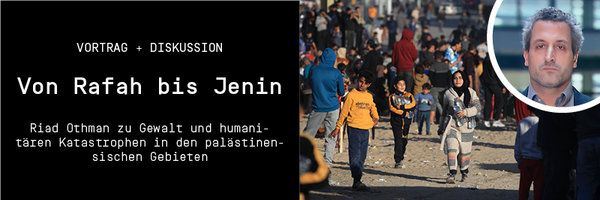
Gewalt und humanitäre Katastrophe in den palästinensischen Gebieten
Medico International | Online | Dienstag, 16. Juli 2024 | 18 Uhr | Online
Seit dem besonders unter israelischen Zivilist*innen opferreichen Angriff der Hamas vom 7. Oktober 2023 begann ein verheerender Krieg in dem seit Jahrzehnten abgeriegelten Gaza-Streifen. Systematische Angriffe auf zivile Ziele, die Vorenthaltung humanitärer Hilfe, die gezielte Zerstörung der Lebensgrundlagen der Bevölkerung und zahlreiche Attacken gegen Gesundheitseinrichtungen gehören zu den Waffen dieses Krieges mit zigtausenden Opfern. Angesichts dieser humanitären Katastrophe bleiben die politischen Reaktionen internationaler Verbündeter Israels, wie der USA und Deutschlands, verhalten. Unterdessen eskalieren auch im Westjordanland die Vertreibung palästinensischer Gemeinden und die militärische Gewalt.
Riad Othman berichtet als Nahost-Referent von medico international über die Situation vor Ort in Gaza und der Westbank. Im Anschluß besteht die Möglichkeit Fragen zu stellen und miteinander ins Gespräch zu kommen.
Ronit Vered schreibt in der Wochenendbeilage von Haaretz über das Restaurant Majda in der Nähe von Jerusalem – und über sein Ende, vielleicht / wohl nicht das einzige, das zu Ende geht …
„On the last Saturday of June, the Majda restaurant outside Jerusalem closed its doors for the last time, 14 years after it opened. „Summer 2024, the last meal,“ a note atop that day’s menu stated. And at the bottom of the changing, seasonal menu, penned as always in Michal Baranes‘ lovely handwriting: „Majda is closing at the end of this week. Thanks to all the good people who accompanied us over all the years. In the end things will be good. Yakub and Michal.
I too came to take leave of Majda, located in the Arab village of Ein Rafa, west of the capital. From the place, from the people, from the food. On the table in the beautiful garden – a green, tangled Eden of wild, decorative and edible vegetation – the waiter placed a jug of cold water, and on the neck of a bottle of rosé, which Yaakov Barhum makes himself from the grapes of a vine he planted in the yard, beads of moisture glistened in the heat of the day. On the plate of gazpacho made from red-yellow tomatoes, the foliage of the trees played games of light and shade, flitting between ice cubes and puddles of olive oil.
…
„It’s very likely that the leaving tendency – or the attempt to move the center of one’s activity abroad – will only gather momentum. An end to the war is not looming on the horizon, and in contrast to previous rounds of fighting, the trauma will not make it possible to repress easily the fragmentary nature of the ability to maintain a stable, tranquil life here. The state creates difficulties for the food and restaurant industries here even in times of calm – in the form of draconian regulations, rigid kashrut laws and the high cost of living.
Living eternally by the sword and the absence of foreign tourists, an important element in the thriving of a restaurant scene, are death blows to an industry that has already found it difficult to stay afloat in recent years. It’s hard to blame those who are looking for other places in which they and their children can enjoy a life of sanity, but also where they can realize professional dreams and make an honorable living.“